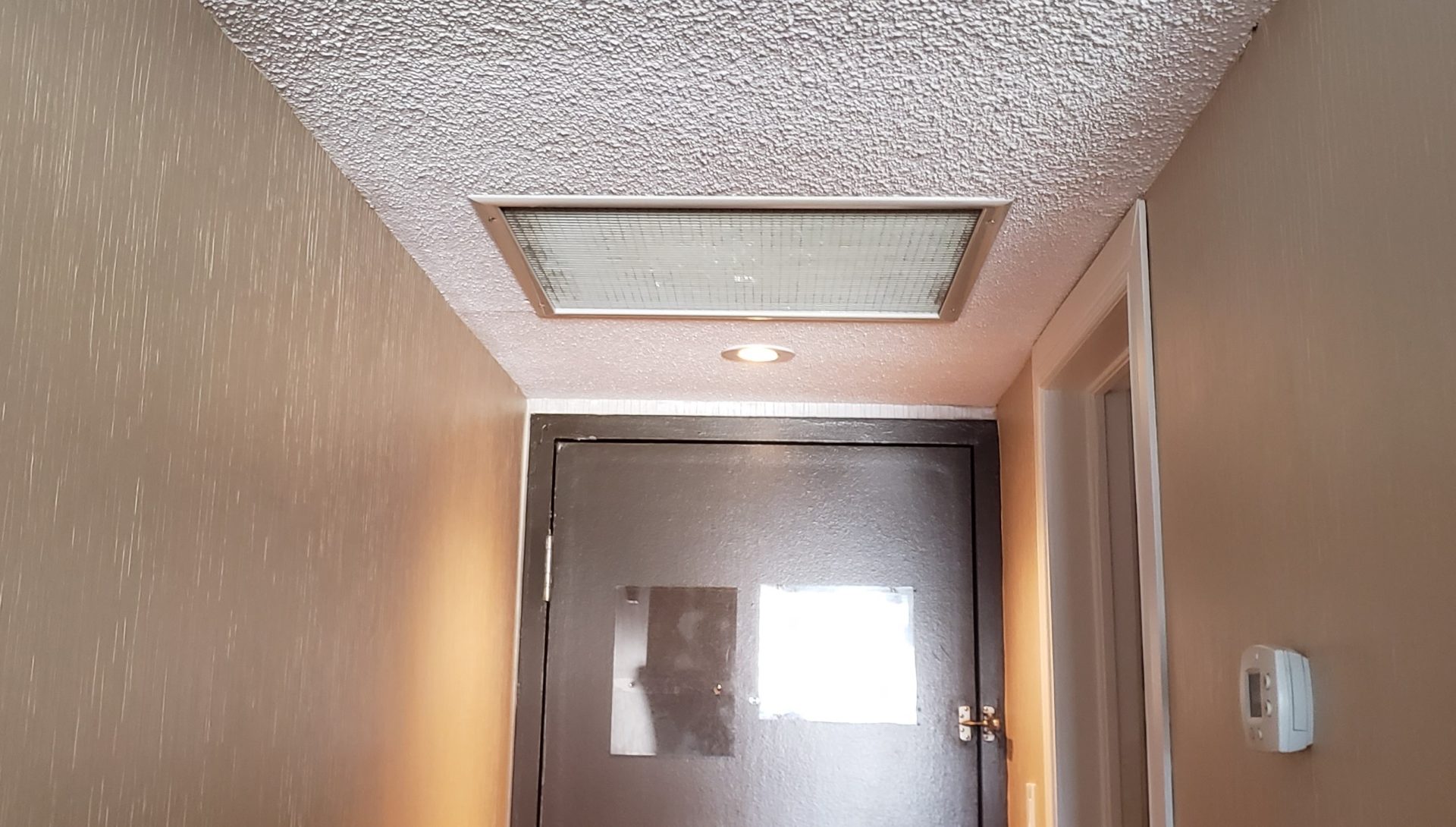
If you suspect your ceiling has asbestos-containing texture—often referred to as "popcorn" or acoustic ceiling—the safest approach is to assume it is present if the home was built before the mid-1980s. You cannot identify asbestos by sight or smell; verification requires laboratory analysis of a physical sample. If asbestos is confirmed, the material is generally safe if left undisturbed, painted, or encapsulated, but professional abatement is required if you intend to renovate, scrape, or remove it.
Understanding the Risk of Asbestos in Older Ceilings
Asbestos was widely used in construction materials throughout the 20th century due to its fire-resistant, insulating, and sound-dampening properties. In the context of residential ceilings, it was most commonly incorporated into "popcorn" textures—a spray-on or paint-on treatment popular from the 1930s through the early 1980s. While most residential use of asbestos was banned in the United States by the late 1970s, existing stockpiles continued to be used in some areas until 1986.
The danger posed by asbestos arises when the material becomes "friable." Friable materials are those that can be crumbled, pulverized, or reduced to powder by hand pressure. When friable asbestos-containing material (ACM) is disturbed—such as through sanding, scraping, or accidental damage—microscopic fibers are released into the air. If inhaled, these fibers can settle deep into the lungs, potentially leading to serious health conditions such as asbestosis, lung cancer, and mesothelioma, often surfacing decades after exposure.
Determining the Presence of Asbestos
Because manufacturers used various formulations, it is impossible to visually confirm whether a ceiling contains asbestos. While the era of construction is a strong indicator, it is not a diagnostic tool.
Professional Inspection and Sampling
If you are planning renovations or are concerned about the integrity of your ceiling, the only definitive way to confirm the presence of asbestos is through laboratory testing. You should hire a licensed asbestos abatement professional or a certified industrial hygienist to conduct the sampling.
These professionals follow strict safety protocols, including:
- Containment: Using plastic sheeting and negative air pressure systems to prevent fiber migration.
- Personal Protective Equipment (PPE): Wearing respirators (typically N100 or P100 rated) and disposable coveralls.
- Wet Methods: Using water sprayers to mist the area, preventing dust from becoming airborne during the extraction of the sample.
Why DIY Sampling is Discouraged
While test kits exist for purchase, they are generally discouraged for homeowners. The process of taking a sample involves cutting into the texture, which inherently creates the exact risk you are trying to avoid. Without professional training, you may accidentally release high concentrations of fibers into your home's air supply.
Assessing the Condition of Your Ceiling
Once you have established the presence of asbestos, you must assess its current condition. Asbestos-containing ceiling textures generally fall into one of two categories:
Intact and Undisturbed
If the ceiling texture is in good condition—meaning there is no flaking, crumbling, or water damage—the asbestos fibers are effectively trapped within the binding matrix of the material. In this state, the ceiling poses little to no risk to occupants. Regular household activities do not disturb these fibers.
Damaged or Deteriorating
If your ceiling has suffered water damage, physical impacts, or is naturally crumbling due to age, the material is becoming friable. In these instances, the risk of fiber release is significantly higher. If you notice persistent dust accumulation below a textured ceiling, or if the texture is peeling or sagging, you should treat the situation as an immediate concern.
Management Strategies: To Remove or To Leave?
Homeowners often feel an urgency to remove textured ceilings for aesthetic reasons. However, if the asbestos is not damaged, removal may be the most hazardous action you can take.
Option 1: Leaving It Alone (Management in Place)
This is often the safest and most cost-effective approach. If you prefer the look of a smooth ceiling, you can often "cover up" the existing texture.
- Encapsulation: Applying a sealant that binds the fibers together.
- Over-boarding: Installing new drywall directly over the existing ceiling. This creates a permanent, sealed barrier that prevents any potential fiber release without disturbing the original texture.
Option 2: Professional Abatement
If removal is necessary—perhaps due to extensive damage or structural renovation—you must hire a licensed abatement contractor. These professionals operate under strict regulatory guidelines to isolate the work area from the rest of the house. The process typically involves:
- Sealing off the room with 6-mil polyethylene sheeting.
- Establishing decontamination chambers.
- Using specialized high-efficiency particulate air (HEPA) filtration systems.
- Safely disposing of the hazardous material in accordance with local environmental regulations.
Comparison of Management Approaches
| Method | Safety Risk | Cost Impact | Complexity |
|---|---|---|---|
| Leave Untouched | Low (if intact) | Zero | Simple |
| Encapsulation | Low | Moderate | Moderate |
| Over-boarding | Low | High | Moderate |
| Removal | High (without pros) | Very High | Extremely High |
Frequently Asked Questions
1. Does every popcorn ceiling contain asbestos?
No. Many popcorn ceilings applied after the mid-1980s do not contain asbestos. However, if your home was built before 1986, it is prudent to assume it may contain asbestos until proven otherwise by a laboratory test.
2. Can I paint over an asbestos-containing ceiling?
Yes. Painting is generally considered a safe way to encapsulate the texture, provided the surface is stable and you do not perform any sanding or scraping beforehand. Use a thick coat of high-quality latex paint applied carefully with a sprayer or roller to avoid dislodging material.
3. What should I do if I accidentally damage a small section?
If you inadvertently scrape or damage a small area, stop immediately. Do not vacuum the debris, as standard household vacuums will blow asbestos fibers into the air. Carefully mist the area with water, wipe the debris with a damp paper towel, and dispose of the towel in a sealed plastic bag. Then, contact a professional to inspect the area.
4. Is it legal for me to remove the asbestos myself?
While specific laws vary by jurisdiction, most local environmental agencies strongly discourage or prohibit DIY removal of asbestos due to the severe health risks and the difficulty of preventing cross-contamination within a home.
5. How much does professional removal cost?
Costs vary significantly based on the square footage of the area, local labor rates, and the specific regulations in your state. Generally, professional abatement is a significant investment, often costing several times more than standard ceiling removal due to the required safety equipment, insurance, and waste disposal fees.
Safety Limitations and Professional Advice
This information is provided for general guidance and does not replace the professional services of a certified asbestos consultant or a licensed environmental remediation firm. Asbestos regulations are strictly enforced and vary by state and municipality. Before starting any project that involves drilling, scraping, or removing ceiling materials in a pre-1986 home, contact your local building department or an accredited industrial hygienist to confirm the requirements in your specific jurisdiction.
Next Steps
If you suspect asbestos is present in your ceiling, start by creating a record of when the house was constructed. If it was built before 1986, treat the ceiling with caution. Do not attempt to sand or scrape it. If you are planning a renovation, contact a licensed abatement firm for an initial consultation and testing. If the material is in good condition, consider the aesthetic benefits of covering it with new drywall rather than the health risks associated with full-scale removal.