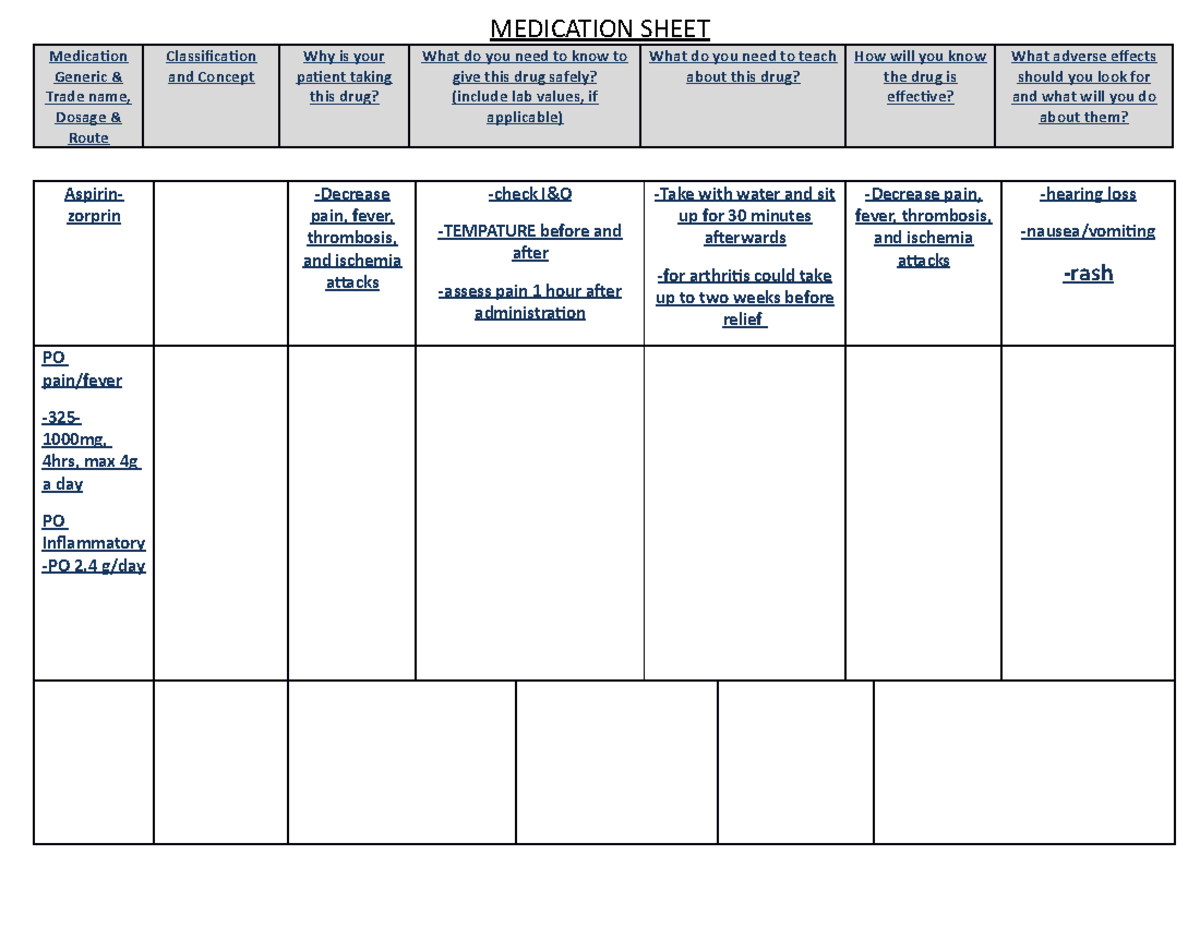
Ascardia is a brand of acetylsalicylic acid (aspirin) primarily used for its antiplatelet properties in the prevention of cardiovascular events. Proper dosing and an understanding of safety protocols are essential to maximize therapeutic benefits—such as reducing the risk of myocardial infarction or stroke—while mitigating the inherent risks of gastrointestinal bleeding and systemic adverse effects.
Understanding Ascardia: Mechanism and Purpose
Ascardia acts as an irreversible inhibitor of the cyclooxygenase-1 (COX-1) enzyme in platelets. By inhibiting this enzyme, the medication prevents the formation of thromboxane A2, a potent substance that encourages platelet aggregation and vasoconstriction. This pharmacological action significantly reduces the blood's ability to form clots, making it a critical intervention for patients with existing coronary artery disease, peripheral vascular disease, or those who have experienced a recent ischemic stroke.
In clinical practice, Ascardia is generally classified as a low-dose aspirin therapy. Unlike high-dose aspirin, which is primarily used for its analgesic (pain-relieving), antipyretic (fever-reducing), and anti-inflammatory effects, the low-dose formulation is specifically titrated to achieve cardioprotection. Because the antiplatelet effect of aspirin is permanent for the lifespan of the platelet (approximately 7 to 10 days), even small, consistent doses can maintain effective inhibition of clotting without the systemic toxicity associated with higher doses used for chronic pain management.
Dosing Considerations: Precision in Therapy
The dosing of Ascardia is not a "one size fits all" metric. Therapeutic goals dictate the frequency and quantity of administration, and patients must adhere strictly to the regimen prescribed by their healthcare provider.
Standard Low-Dose Regimens
For secondary prevention of cardiovascular events, the most common daily dosage for Ascardia ranges from 75 mg to 100 mg. This range is considered optimal because it provides sufficient suppression of thromboxane A2 while minimizing the risk of gastric mucosal injury. Clinical trials have consistently demonstrated that doses exceeding 160 mg daily do not provide additional cardiovascular benefit for chronic prevention but do correlate with a statistically significant increase in the incidence of gastrointestinal irritation and hemorrhage.
Factors Influencing Dosing Adjustments
While 75 mg to 100 mg is the standard baseline, a physician may adjust the dosing schedule based on specific clinical variables:
- Body Weight: In some populations, extreme variations in body weight may influence the efficacy of the dose, though clinical consensus generally favors fixed low-dose regimens over weight-based dosing for antiplatelet therapy.
- Concomitant Medications: If a patient is taking other antiplatelet agents (such as P2Y12 inhibitors like clopidogrel) or anticoagulants (such as warfarin or direct oral anticoagulants), the dosage of aspirin may be reduced or the duration of therapy limited to avoid excessive bleeding risk.
- Renal Function: Patients with significantly impaired renal function may require closer monitoring, as the excretion of salicylic acid metabolites can be altered, potentially leading to drug accumulation.
Safety and Risk Mitigation
The safety profile of Ascardia is dominated by the risk of bleeding. Because the medication thins the blood by inhibiting platelet function, any breach in the integrity of the vascular system—whether through injury or ulceration—will result in slower clotting times.
Gastrointestinal Safety
The most frequent adverse effect of long-term aspirin use is gastrointestinal (GI) irritation. Aspirin can damage the protective lining of the stomach by inhibiting the prostaglandins that regulate mucus production. To mitigate this, clinicians often recommend:
- Taking the dose with food: Consuming Ascardia with a full glass of water and a meal can provide a buffer for the stomach lining.
- Enteric Coating: Most Ascardia formulations are enteric-coated. This coating prevents the tablet from dissolving in the acidic environment of the stomach, allowing it to pass into the small intestine where absorption occurs. It is vital that these tablets are swallowed whole and not crushed or chewed, as doing so destroys the protective coating.
- Proton Pump Inhibitors (PPIs): For patients at high risk for GI ulcers, such as those with a history of dyspepsia or those concurrently using non-steroidal anti-inflammatory drugs (NSAIDs), a doctor may prescribe a daily PPI to reduce gastric acid production and protect the stomach lining.
Hemorrhagic Risk and Surgery
A major safety consideration involves elective procedures. Because aspirin inhibits platelet function for several days, patients are usually instructed to discontinue Ascardia 7 to 10 days before surgery. This "washout period" allows the body to produce enough new, functional platelets to ensure normal clotting during and after the surgical intervention. This decision must always be made in consultation with a surgeon and the prescribing cardiologist, as the risk of stopping the antiplatelet therapy must be weighed against the risk of bleeding during the procedure.
Comparative Overview of Aspirin Safety Protocols
| Consideration | Low-Dose (75–100 mg) | High-Dose (>325 mg) |
|---|---|---|
| Primary Use | Cardiovascular prevention | Pain, inflammation, fever |
| Bleeding Risk | Low to moderate | High |
| GI Irritation | Minimized by coating | Elevated risk |
| Platelet Effect | Permanent inhibition | Permanent inhibition |
| Common Frequency | Once daily | Every 4–6 hours |
Contraindications and Drug Interactions
Not every patient is a candidate for Ascardia therapy. Before initiating treatment, a comprehensive medical history is required to identify contraindications.
Absolute and Relative Contraindications
- Active Bleeding: Patients with active peptic ulcer disease, intracranial hemorrhage, or any other bleeding disorder should avoid aspirin.
- Hypersensitivity: Individuals with a known allergy to salicylates or other NSAIDs may experience severe reactions, including anaphylaxis or aspirin-induced asthma, and must not use this medication.
- Pediatric Use: Aspirin is contraindicated in children and adolescents recovering from viral infections (such as influenza or chickenpox) due to the risk of Reye’s syndrome, a rare but life-threatening condition causing liver and brain swelling.
Dangerous Drug Interactions
The safety of Ascardia is compromised when combined with certain substances. Alcohol consumption increases the risk of gastric mucosal damage and should be limited. Furthermore, mixing Ascardia with other NSAIDs (like ibuprofen or naproxen) can interfere with the antiplatelet effect of the aspirin. If a patient requires an occasional NSAID for pain, they should be advised on the timing of administration—typically taking aspirin at least 30 minutes before or several hours after an NSAID—to minimize interference.
Monitoring and Long-Term Management
Long-term management of Ascardia therapy is a collaborative effort between the patient and their primary healthcare provider. In 2026, the standard of care emphasizes periodic re-evaluation. Patients should undergo regular blood work to check for signs of anemia, which can be an early indicator of occult (hidden) GI bleeding.
Patients should be vigilant for "red flag" symptoms:
- Black, tarry, or bloody stools.
- Unexplained bruising or petechiae (small purple/red spots on the skin).
- Prolonged bleeding from minor cuts or nosebleeds.
- Persistent abdominal pain or heartburn.
If any of these symptoms manifest, the patient should contact their healthcare provider immediately. It is also important to maintain a medication list that includes all over-the-counter supplements, as some herbal products (such as ginkgo biloba, garlic supplements, or high doses of vitamin E) can exert additive blood-thinning effects that may complicate Ascardia therapy.
Frequently Asked Questions
1. Can I switch from Ascardia to a generic aspirin found in the pharmacy? While many aspirin products contain the same active ingredient, you should always consult your pharmacist or doctor before switching brands. Ensure that the dosage (mg) is identical and that the substitute is also enteric-coated to provide the same level of stomach protection.
2. What happens if I miss a dose of Ascardia? If you miss a dose, take it as soon as you remember. However, if it is almost time for your next scheduled dose, skip the missed one. Do not take two doses at once to "make up" for the oversight, as this can increase the risk of side effects without providing additional cardiovascular benefit.
3. Does Ascardia expire or lose potency? Yes. Like all medications, aspirin has a shelf life. Over time, particularly if exposed to moisture, aspirin breaks down into salicylic acid and acetic acid. This not only renders the medication less effective but can also cause a vinegar-like smell and increase the likelihood of stomach irritation. Always check the expiration date on the packaging.
4. Can Ascardia be taken with other heart medications? Ascardia is often prescribed alongside statins, beta-blockers, and ACE inhibitors. However, because it interacts with blood thinners, you must ensure your doctor is aware of every medication you take. Never start or stop a medication while on Ascardia without professional guidance.
Recommendation for Patients
The primary recommendation for those prescribed Ascardia is to treat it as a foundational, non-negotiable part of your health management. Do not change your dosage or cease treatment based on minor side effects without consulting your physician. If you experience persistent discomfort, ask your provider about switching to a different formulation or adding a stomach-protecting agent. Keep your medication in a cool, dry place and ensure your medical records reflect your current dosage to prevent errors during acute care scenarios or hospital visits.