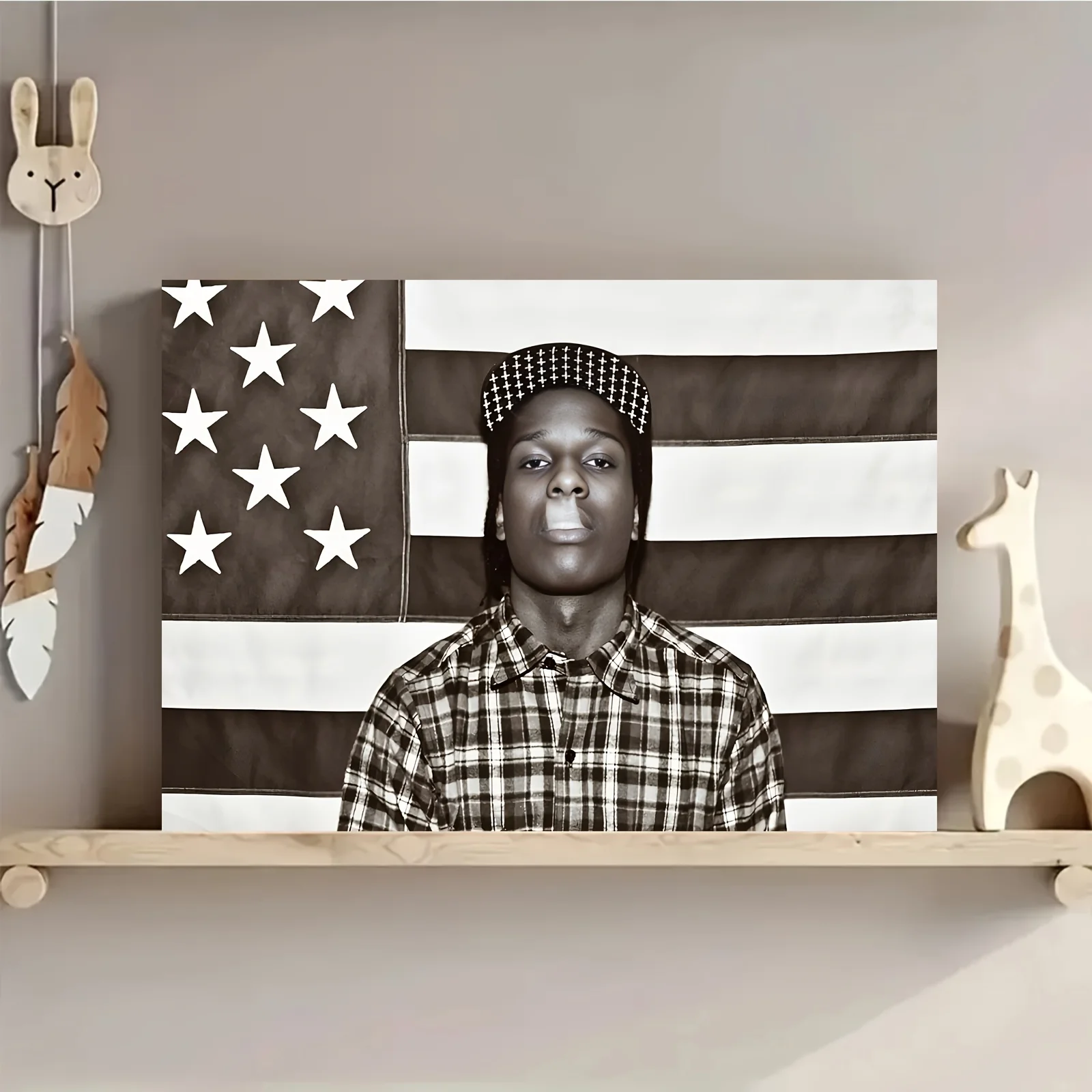
Rakim Mayers, globally recognized as A$AP Rocky, maintains his professional standing through a symbiotic integration of music production, brand ambassadorship, and high-fashion creative direction. Rather than relying solely on recording revenue, he operates as a multifaceted creative force, leveraging his status as a cultural icon to bridge the gap between street-level influence and institutional luxury fashion houses.
The Evolution of a Creative Business Model
The transition from a breakout rapper in the Harlem-based A$AP Mob to a multifaceted entrepreneur is not a coincidence but a deliberate structural shift. In the contemporary entertainment industry, "making a living" has moved beyond the traditional model of selling physical records. For an artist like A$AP Rocky, the business model functions as an ecosystem where music acts as the primary marketing vehicle for a lifestyle that he then commodifies through high-end fashion partnerships.
Early in his career, Rocky established a reputation for sartorial experimentation. By incorporating references to Raf Simons, Rick Owens, and Maison Margiela into his lyrics, he did not just name-drop brands; he signaled an intent to enter the fashion space as a peer rather than a consumer. This early adoption of luxury aesthetics allowed him to transition into the industry as a collaborator rather than a standard endorser.
Music as the Primary Asset and Cultural Currency
Music remains the foundational pillar of A$AP Rocky’s business. While streaming services provide a consistent revenue stream, the true value of his music is its function as a medium for brand building. His discography—ranging from the atmospheric, sample-heavy Live.Love.A$AP to the more experimental At. Long. Last. A$AP—serves as a high-fidelity showcase of his aesthetic identity.
In 2026, the music industry requires artists to treat their releases as intellectual property that grants entry to other high-value markets. For Rocky, each album cycle acts as a platform to debut new visual aesthetics, music videos, and collaborations. By maintaining a high standard of visual direction in his music videos, he attracts directors and designers who are eager to work with his creative agency, AWGE. This agency operates as a creative incubator, allowing Rocky to monetize his artistic vision through consulting, curating campaigns, and managing talent, thereby expanding his earnings beyond the traditional performance and mechanical royalties of music.
The Intersection of Luxury Fashion and Personal Brand
A$AP Rocky’s influence in fashion is characterized by his ability to pivot between streetwear and luxury haute couture. His professional longevity is largely bolstered by the fact that he has transcended the role of a "celebrity guest" to become a long-term partner for major luxury conglomerates.
His work with brands like Gucci, Dior, and Prada demonstrates a sophisticated understanding of luxury marketing. Unlike transient celebrity endorsements, these relationships are structured around long-term ambassadorships. In the fashion industry, this model is highly lucrative because it secures a consistent income based on the artist’s ability to influence consumer behavior and set industry trends.
Key Aspects of Fashion Integration
- Creative Consulting: Rocky provides input on silhouettes, fabric choices, and campaign narratives, shifting from the face of a brand to a collaborator in its development.
- Curated Aesthetics: Through his agency, AWGE, he manages creative direction for various projects, ensuring his brand voice is consistent across music, fashion, and film.
- Exclusive Collaborations: His limited-edition sneaker and apparel drops create artificial scarcity, driving value and secondary market interest which reinforces his status as a "tastemaker" rather than just a musician.
Comparative Analysis: Music vs. Fashion Revenue Models
To understand how A$AP Rocky makes his living, it is useful to compare how these two distinct sectors contribute to his financial standing.
| Revenue Stream | Mechanism | Market Characteristics | Long-Term Stability |
|---|---|---|---|
| Music Streaming | Performance Royalties | High Volume, Low Margin | Consistent but Fluctuating |
| Live Performance | Concert Fees/Touring | Event-Based, High Cost | High Revenue, High Overhead |
| Fashion Ambassadorship | Retainers/Contracts | Image-Based, High Margin | Predictable/Multi-Year |
| Creative Consulting | B2B Service Fees | Expertise-Based | High Growth Potential |
As demonstrated, the revenue generated from luxury partnerships provides a level of financial stability that music alone often lacks. While a tour depends on ticket sales and logistical overhead, a luxury fashion contract relies on the artist’s intangible brand value. This shift in reliance from "hit records" to "brand equity" is the hallmark of Rocky’s professional maturity.
The Role of AWGE in Business Operations
AWGE is the central nervous system of Rocky’s professional life. By formalizing his creative output into an agency, he has moved from a talent who is hired to a business owner who hires others. This structure allows him to scale his influence. Instead of just modeling for a campaign, AWGE can produce the campaign, manage the creative, and consult on the global strategy.
This vertical integration is vital for modern artists. By controlling the creative production, Rocky captures a larger percentage of the value chain. He is not merely relying on a label to fund his projects; he is leveraging his existing capital and reputation to act as a production house for other artists and brands.
Managing Risks and Market Volatility
Despite the success of this dual-track career, A$AP Rocky faces unique challenges. The fashion industry is notoriously fickle, often cycling through "muses" or "influencers" at a rapid pace. To mitigate the risk of becoming obsolete, Rocky maintains his relevance by consistently evolving his personal style and collaborating with diverse designers, ranging from high-street labels to traditional French fashion houses.
Furthermore, he navigates the legal complexities of intellectual property and brand contracts. Unlike a musician who primarily worries about copyright, a professional operating in the fashion space must understand commercial law, licensing agreements, and international trademark protections. Ensuring these contracts are favorable requires a team of legal and business advisors that mirror the infrastructure of a corporate executive.
Practical Steps for Aspiring Artists Seeking Similar Paths
For those observing A$AP Rocky’s career as a template for success, there are several lessons that can be drawn regarding career management in the creative arts:
- Develop a Distinct Aesthetic: Rocky did not enter fashion by coincidence; he cultivated a look for years that forced the industry to take notice.
- Build Your Own Infrastructure: Do not wait for a major corporation to hire you. Create a studio, agency, or collective (like AWGE) to formalize your output.
- Prioritize Long-Term Partnerships: Avoid one-off deals. Focus on multi-year contracts that allow for deeper creative integration.
- Diversify Revenue: Do not rely on streaming income. Seek out consulting opportunities where you can sell your creative vision to companies that lack an "authentic" connection to your demographic.
- Understand Brand Equity: Recognize that your name is an asset. Protect it, curate it, and choose partners who amplify that asset rather than diluting it.
Frequently Asked Questions
Does A$AP Rocky still make the majority of his income from music? While music remains his primary source of public visibility, his diversified portfolio—which includes luxury fashion ambassadorships, creative consulting through his agency AWGE, and equity in various business ventures—represents the bulk of his professional income. The diversification allows him to maintain a high lifestyle even during gaps between musical releases.
Why is fashion more lucrative for modern rappers than traditional merchandise? Fashion ambassadorships offer prestige and long-term contracts that are not subject to the same volatility as concert ticket sales or album streams. By aligning with a luxury house, an artist gains a global marketing infrastructure and a level of credibility that acts as a barrier to entry for competitors.
What is the function of AWGE in Rocky’s career? AWGE acts as an internal production house and creative agency. It allows Rocky to monetize his creative ideas by providing services like art direction, graphic design, and video production to third-party clients and brands, moving his role from "talent" to "entrepreneur."
How does Rocky maintain relevance in the high-fashion industry? He balances his output by alternating between experimental, avant-garde collaborations and established, institutional luxury partnerships. By maintaining relationships with various creative directors, he ensures his presence is a constant feature in high-fashion media, regardless of his current musical output.
What are the risks of blending music and fashion careers? The primary risk is brand dilution. If an artist over-saturates the market with too many low-quality collaborations, their luxury value drops. Successfully managing this requires a "less is more" approach, where partnerships are curated to ensure they enhance the artist's prestige rather than simply maximizing short-term profit.
Conclusion and Next Actions
A$AP Rocky’s professional life functions as a high-level case study in modern branding. By mastering the intersection of music and fashion, he has insulated himself from the traditional peaks and valleys of the entertainment industry. For those interested in replicating this success, the key is to stop viewing creative output as a single-channel endeavor and start viewing it as a multi-channel ecosystem where every project feeds into the growth of the overall brand. The next logical step for those in the creative space is to audit their own brand presence: identify your strongest aesthetic, formalize your output through an agency or business structure, and aggressively seek out partnerships that offer more than just a paycheck—they should offer long-term industry influence.