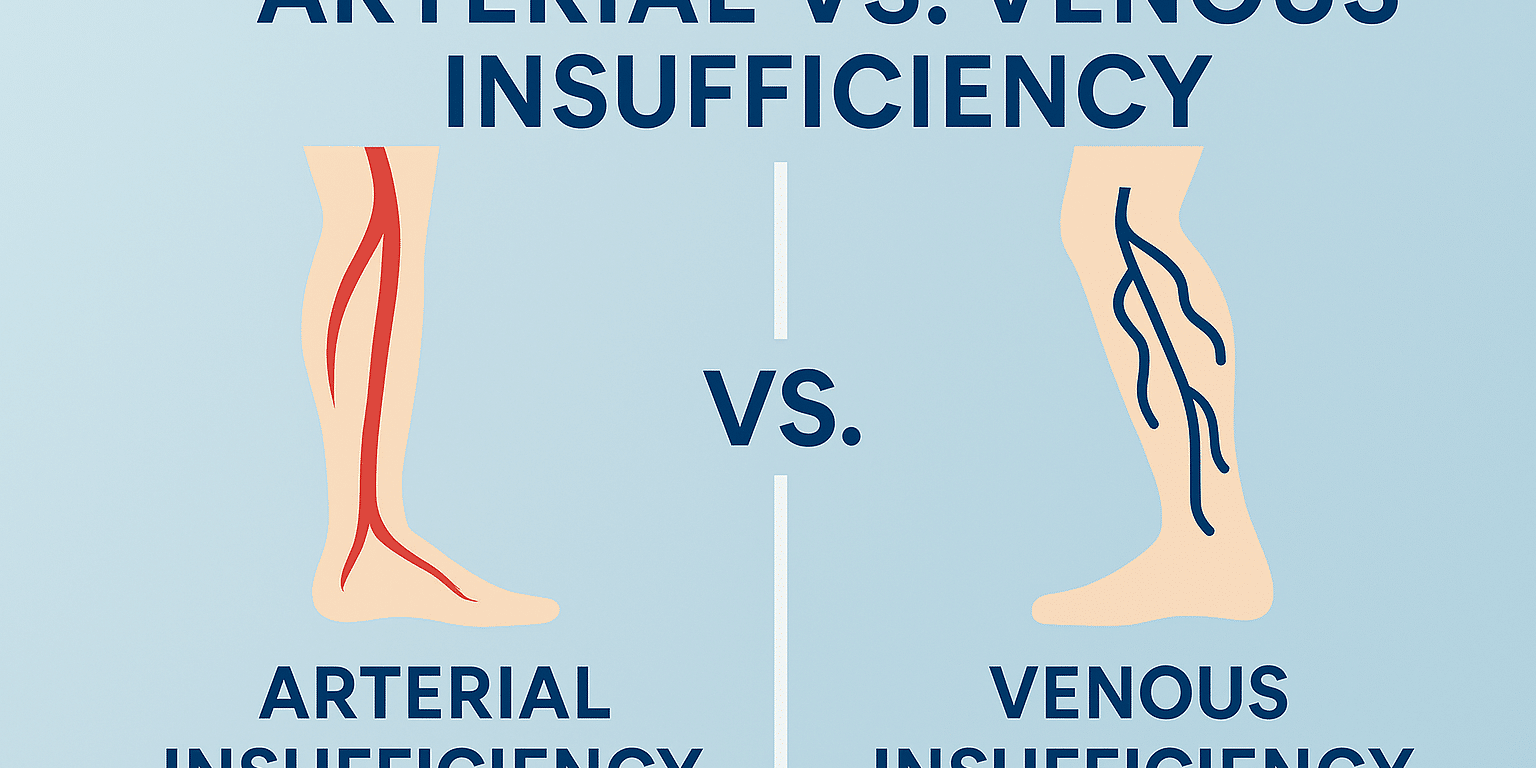
Accurate coding for arterial insufficiency of the lower extremity requires clinicians and medical coders to utilize the International Classification of Diseases, 10th Revision (ICD-10) to specify the anatomical location, the underlying pathology, and the presence or absence of complications such as ulceration or gangrene. Proper documentation ensures clinical clarity, facilitates continuity of care, and supports accurate reimbursement and data analysis.
The Role of ICD-10 in Vascular Medicine
The ICD-10-CM (Clinical Modification) system serves as the universal language for clinical documentation and health care billing. For patients presenting with arterial insufficiency of the lower extremity—often clinically referred to as Peripheral Arterial Disease (PAD)—the coding process is not merely a bureaucratic requirement; it is a critical diagnostic step. By selecting the correct code, a provider communicates the severity and specific physiological status of the vascular system to specialists, insurers, and public health databases.
In 2026, the standard remains centered on the I70-I79 block of the ICD-10-CM manual, which covers diseases of arteries, arterioles, and capillaries. For lower extremity arterial insufficiency, the primary focus is on atherosclerosis (I70.-) and other specified peripheral vascular diseases (I73.-).
Anatomical and Pathological Specificity
Clinical accuracy in coding begins with understanding the anatomical site. Arterial insufficiency is most commonly caused by atherosclerosis, a systemic disease. The ICD-10 system requires the coder to distinguish between:
- Atherosclerosis of native arteries of the extremities: This is categorized under I70.2.
- Atherosclerosis of bypass grafts: These require different codes (I70.3 or I70.4) depending on the type of graft.
- Non-atherosclerotic conditions: Diseases such as Buerger’s disease (thromboangiitis obliterans) or Raynaud’s syndrome fall under I73, which must be differentiated from standard atherosclerotic insufficiency.
The classification system is hierarchical. A provider must specify whether the condition affects the right leg, the left leg, or both (bilateral). The final character of the code frequently dictates laterality: '1' for right, '2' for left, '3' for bilateral, and '0' for unspecified.
Complications and Documentation Requirements
The most significant aspect of coding for arterial insufficiency is the documentation of associated complications. The ICD-10 system provides specific codes for patients who present with rest pain, intermittent claudication, or tissue loss.
When a patient presents with an ulcer, the documentation must reflect both the arterial insufficiency and the specific site of the ulceration. For instance, coding a patient with atherosclerosis of the native arteries of the left leg with ulceration involves selecting an I70.2- code that explicitly includes the ulceration component. Failing to capture the ulceration status leads to "down-coding," which inaccurately suggests the patient has a less severe form of the disease.
Key Documentation Elements for Clinical Accuracy
To ensure a chart supports the chosen ICD-10 code, the physician should clearly record:
- Severity of Symptoms: Document the presence of claudication, rest pain, or ischemic symptoms.
- Anatomical Extent: Identify if the disease is localized to the femoral, popliteal, or tibial arteries, or if it involves the entire limb.
- Presence of Tissue Loss: Specifically document if ulceration or gangrene is present, including the size and depth of the wound if possible.
- Associated Conditions: Document comorbidities such as diabetes mellitus (Type 1 or Type 2), hypertension, and chronic kidney disease, as these often influence the coding of peripheral vascular complications.
Navigating the Coding Matrix
The following table outlines the general structure for atherosclerosis of the native arteries of the extremities (I70.2), which is the most common diagnostic category for lower extremity arterial insufficiency.
| Condition Description | ICD-10-CM Code Range | Key Variable |
|---|---|---|
| Native Artery Atherosclerosis, Intermittent Claudication | I70.211 - I70.219 | Laterality (Right, Left, Bilateral) |
| Native Artery Atherosclerosis, Rest Pain | I70.221 - I70.229 | Laterality (Right, Left, Bilateral) |
| Native Artery Atherosclerosis, With Ulceration | I70.231 - I70.239 | Laterality & Specific Site |
| Native Artery Atherosclerosis, With Gangrene | I70.261 - I70.269 | Laterality (Right, Left, Bilateral) |
Note: Coders should always refer to the current Fiscal Year ICD-10-CM manual to ensure the most recent updates to the specific "Code Also" or "Excludes" notes are applied.
Common Coding Mistakes and How to Avoid Them
One of the most frequent errors in documenting arterial insufficiency is the failure to link the insufficiency with the underlying cause. If a patient has diabetes, the documentation should clarify whether the arterial insufficiency is a manifestation of diabetic peripheral vascular disease or if it is independent, though often co-occurring.
Another common pitfall is the use of "unspecified" codes. Using an unspecified code for laterality (e.g., I70.20 instead of I70.211) is generally discouraged by auditors and insurance payers. In 2026, medical necessity for vascular procedures or interventions relies heavily on the specificity of the diagnosis code. If a provider consistently uses unspecified codes, it may trigger an audit or result in a request for additional medical records to justify a procedure.
Managing Coding for Secondary Manifestations
When arterial insufficiency leads to secondary issues, such as infection of an ulcer, the infection must be coded separately. For example, if a patient has atherosclerosis with an ulcer and a subsequent infection, the coding sequence should be:
- Primary Diagnosis: The underlying vascular disease (I70.2-).
- Secondary Diagnosis: The ulceration (e.g., L97.- series, or the I70.23- code that incorporates the ulceration).
- Additional Diagnosis: The infection or any associated diabetes-related codes (E11.- series).
Always check the "Excludes1" and "Excludes2" notes in the ICD-10 manual. An "Excludes1" note signifies that the two conditions cannot be coded together, whereas an "Excludes2" note indicates that the condition is not part of the primary diagnosis but may be present at the same time.
The Impact on Reimbursement and Patient Care
From a financial perspective, accurate coding ensures that the complexity of the patient's case is represented. Patients with advanced arterial insufficiency (those with rest pain, ulceration, or gangrene) require significantly more resources, nursing care, and intervention frequency than those with stable claudication. If the documentation does not reflect the severity via the correct ICD-10 code, the health system may be underfunded for the care provided to that specific population.
From a clinical perspective, clear documentation acts as a vital communication bridge. When a patient is referred from a primary care physician to a vascular surgeon, the coded diagnosis gives the surgeon an immediate snapshot of the patient’s clinical status. This enables faster triaging and appropriate scheduling of diagnostic tests like the Ankle-Brachial Index (ABI) or arterial duplex ultrasound.
Legal and Professional Limitations
It is important to acknowledge that ICD-10 coding is intended for medical record-keeping and billing purposes. It does not replace clinical judgment. A diagnosis code should only be assigned based on a documented medical assessment performed by a qualified healthcare professional. Providers should ensure they are not "up-coding"—a practice of selecting a more severe code than what is clinically supported—as this constitutes fraud. Always consult the official ICD-10-CM guidelines provided by the Centers for Medicare & Medicaid Services (CMS) for the most accurate regulatory framework.
FAQs
What is the difference between I70.2 and I73.9 in the context of leg pain? I70.2 specifically refers to atherosclerosis of native arteries, which is the primary cause of PAD. I73.9 refers to unspecified peripheral vascular disease. Providers should avoid I73.9 whenever a more specific atherosclerotic diagnosis can be made, as it provides limited information to clinicians.
Does an ulcer always have to be coded with a separate L-series code? Not always. Many of the I70.23- codes (Atherosclerosis of native arteries of extremities with ulceration) are "combination codes," meaning they capture both the disease and the fact that an ulcer exists. Always verify the code description to see if an additional code is required.
How should bilateral arterial insufficiency be coded? When the disease is present in both legs, the coder should select the ICD-10 code that specifies "bilateral" (usually ending in a '3'). Do not code the right and left legs separately unless the documentation explicitly states that the severity differs to a degree that requires distinct coding.
What is the most important piece of documentation for a vascular coder? The most important element is the provider’s clear statement of the diagnosis and its clinical manifestations. A diagnosis of "PAD" is insufficient; documentation should specify "atherosclerosis of the [specific artery] with [symptom, e.g., rest pain]."
Next Steps for Clinical Documentation
To optimize accuracy, medical practices should conduct periodic internal audits of their charts to ensure that the documentation in the progress note matches the ICD-10 code billed. If a patient is seen for arterial insufficiency, the provider should verify they have documented the specific location (laterality), the stage of the disease (claudication, rest pain, or tissue loss), and any relevant secondary conditions. Engaging with certified professional coders can also assist in identifying patterns where specificity in documentation might be improved, ultimately leading to better outcomes for both the patient and the practice.