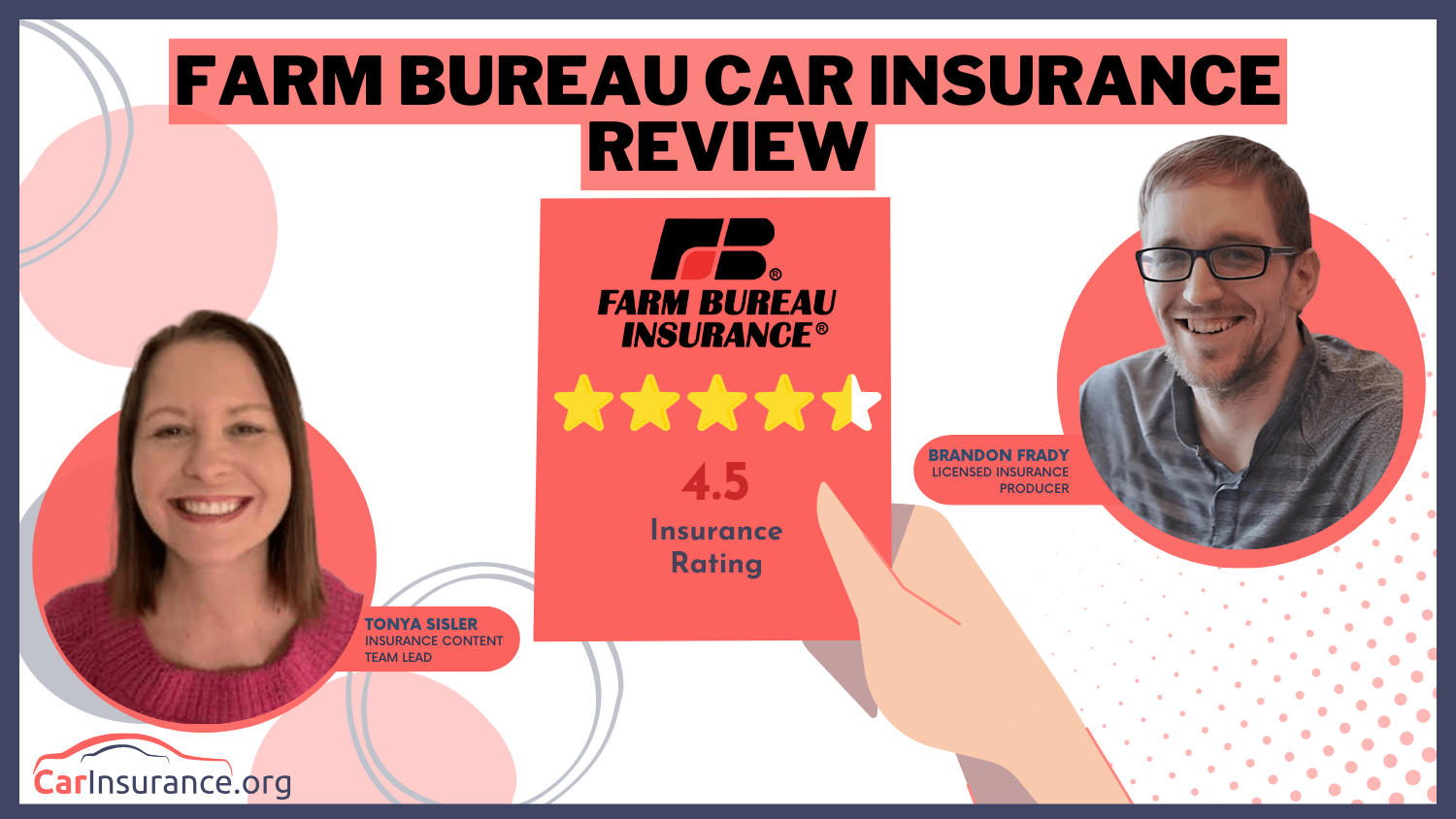
Navigating the relationship between specific individuals—such as a person named Arthur—and Farm Bureau auto insurance requires understanding how regional insurance entities function as federated cooperatives. Farm Bureau insurance operates through state-specific subsidiaries, meaning coverage, eligibility, and service availability are tied to local membership requirements rather than a centralized national policy structure.
The Organizational Structure of Farm Bureau Insurance
To understand how an individual like "Arthur" engages with Farm Bureau auto insurance, one must first recognize that "Farm Bureau" is not a single, monolithic national insurance company. Instead, it is a collection of independent state-level insurance carriers that share a brand name and a common history rooted in agricultural support.
Most Farm Bureau insurance companies are affiliated with state-level Farm Bureau federations. These federations are non-profit organizations that advocate for agricultural interests. When a policyholder seeks insurance, they are typically required to maintain an active membership with their state’s Farm Bureau federation. This membership is often a prerequisite for purchasing auto, home, or life insurance through the associated agency. Therefore, the "Arthur" in your query likely falls into one of two categories: a prospective customer seeking to join the organization, or a current member managing a specific policy profile.
Eligibility and Membership Prerequisites
For any individual, whether named Arthur or otherwise, accessing Farm Bureau auto insurance begins with the membership requirement. Unlike major national carriers that operate on a direct-to-consumer model, Farm Bureau agencies often require a nominal membership fee.
- State Residency: Insurance regulations are governed at the state level. An individual must reside in a state where a Farm Bureau insurance company is licensed to operate.
- Membership Dues: Membership typically involves an annual fee, which provides access to the organization's benefits, including the ability to purchase insurance policies.
- Agricultural Affiliation: Historically, these organizations were built for farmers. While most state Farm Bureaus now accept non-farmers (often called "associate members"), some states may still maintain specific criteria or focus on rural demographic services.
- Verification: During the quoting process, an applicant must verify their identity and location. Agents use these details to confirm which regional subsidiary holds the license for the applicant's specific zip code.
Managing an Auto Insurance Policy
Once membership is confirmed and an auto policy is active, the policyholder gains access to standard insurance functions. If Arthur is managing an existing policy, he must navigate the portal or agent-led systems specific to his state carrier.
Policy management involves several critical technical tasks:
- Coverage Customization: Farm Bureau agents often emphasize personalized service. Unlike self-service online apps common with "big-box" insurers, Farm Bureau often relies on a network of local agents. These agents help explain the difference between mandatory liability, collision, comprehensive, and uninsured motorist coverage.
- Claims Processing: In the event of an accident, the policyholder must initiate a claim through the state-specific carrier’s claims department. Documentation typically requires the policy number, the incident report (police report), and photos of the damage.
- Renewals and Payments: As of 2026, most state Farm Bureaus have transitioned to digital billing, though some still utilize traditional agent-based premium collection. Ensuring payments are processed on time is vital to maintaining both the insurance policy and the underlying membership status.
Comparative Analysis of Coverage Options
When evaluating Farm Bureau auto insurance against other providers, it is helpful to look at the landscape of 2026. Farm Bureau is frequently recognized for competitive pricing in rural and suburban areas, though it may be less visible in dense metropolitan centers where other carriers focus their marketing.
| Feature | Farm Bureau Auto Insurance | National Major Carriers |
|---|---|---|
| Membership Requirement | Usually required (annual fee) | Generally not required |
| Agent Model | Local, dedicated agents | Often centralized call centers |
| Customer Focus | Often specialized in rural/auto bundles | Diverse, high-volume segments |
| Service Approach | Personal, relationship-based | Technology-first, self-service |
The Role of the Agent in Policyholder Success
A defining characteristic of the Farm Bureau model is the localized agent relationship. For a policyholder, the agent acts as the primary intermediary for technical issues. If an individual needs to change coverage limits, add a teen driver, or inquire about multi-policy discounts (e.g., bundling home and auto), they generally interact with a specific office rather than a generic support ticket system.
In 2026, while many insurers are automating the entirety of the customer journey, Farm Bureau continues to maintain a hybrid approach. Policyholders often prefer this for the "human element," which provides clarity on complex insurance language, such as underinsured motorist bodily injury or medical payments coverage, which are often difficult to interpret in automated interfaces.
Common Pitfalls and Troubleshooting
Policyholders often encounter frustration when attempting to manage their insurance if they do not distinguish between their "Membership" and their "Insurance Policy."
- Confusing Membership with Coverage: If the membership dues are not paid, the insurance company may reserve the right to cancel the policy upon renewal. It is essential to ensure that both the annual dues and the monthly or semi-annual insurance premiums are up to date.
- Jurisdictional Limits: A frequent mistake involves assuming that a policy issued in one state will function identically in another. If Arthur moves from one state to another, he must notify his agent. Because Farm Bureau operates as independent state subsidiaries, a policy in Kansas may not be transferable to a Farm Bureau entity in Georgia; a new policy in the new state is almost always required.
- Agent-Carrier Disconnect: Because agents are often independent or contracted specifically to a state Farm Bureau, they may not have access to data systems for other states. If a policyholder moves, they must cancel their old policy and initiate a new one through the local agent in their new jurisdiction.
Legal and Financial Considerations
Auto insurance is a financial contract governed by state law. In the United States, 2026 regulations require minimum liability coverage in almost every state. Farm Bureau policies are designed to meet or exceed these state-mandated minimums.
Before signing a policy, it is advised to review the "Declarations Page." This document outlines the specifics of the coverage, including:
- Limits of Liability: The maximum amount the insurance company will pay for an accident.
- Deductibles: The amount the policyholder must pay out-of-pocket before insurance kicks in.
- Exclusions: Specific events or conditions not covered by the policy.
Professional financial advice suggests that policyholders should revisit their coverage every two years or after significant life events, such as moving, getting married, or purchasing a new vehicle.
Frequently Asked Questions
1. Is membership in the Farm Bureau mandatory to get insurance? Yes, in most states, maintaining an active membership in your local Farm Bureau federation is a prerequisite for purchasing and renewing an auto insurance policy with that state’s Farm Bureau insurance carrier.
2. Can I manage my Farm Bureau insurance policy online in 2026? Most state-level Farm Bureau companies offer online portals for paying premiums and viewing policy documents. However, significant changes to a policy, such as adjusting coverage limits, often require coordination with a local agent.
3. What happens to my insurance if I move to a different state? You must contact your current agent to cancel your existing policy and reach out to the Farm Bureau organization in your new state. Farm Bureau entities are state-specific and usually cannot transfer policies across state lines.
4. How do I file a claim if I have an accident? The most efficient way to file a claim is to contact your assigned agent or the claims department listed on your insurance card. You should have your policy number and the details of the incident ready, along with any relevant police reports or documentation.
5. Are there discounts available for bundling? Yes, most Farm Bureau carriers offer significant discounts for "multiline" accounts, where a policyholder carries both auto and home or renters insurance with the same organization.
Next Steps for Policyholders
If you are currently evaluating or managing a Farm Bureau auto insurance policy, the most important action is to establish a direct line of communication with your local agent. In 2026, while digital tools are useful for routine payments, the agent remains the most valuable resource for ensuring your coverage limits align with your current financial reality and risk profile. Verify that your membership dues are current, confirm your contact information is accurate within their state-specific database, and schedule a brief annual review to discuss any potential discounts for which you may now qualify.