Arriving at Ben Gurion International Airport (TLV) with confidence requires understanding the transition from the aircraft to the arrivals hall, including the mandatory ETA-IL digital authorization, the "blue slip" biometric border control system, and the specific logistics of Israeli public transport. By preparing documents in advance and knowing the layout of Terminal 3, travelers can navigate security and transit efficiently.
Ben Gurion International Airport, located on the outskirts of Lod between Tel Aviv and Jerusalem, is frequently cited as one of the most secure airports in the world. For many travelers, the prospect of rigorous security and unfamiliar procedures can be daunting. However, in 2026, the arrival process has become increasingly digitized and streamlined. Whether you are a first-time visitor or returning after many years, navigating the "Gateway to Israel" with poise is a matter of understanding the sequence of events that begins the moment you step off the plane.
The Arrival Sequence: From Gate to Border Control
The arrival experience at Ben Gurion differs slightly depending on whether you land at Terminal 3 (the main international terminal) or Terminal 1 (primarily low-cost and domestic flights). Most international travelers will arrive at Terminal 3. Upon exiting the aircraft, you will follow the signs toward "Passport Control."
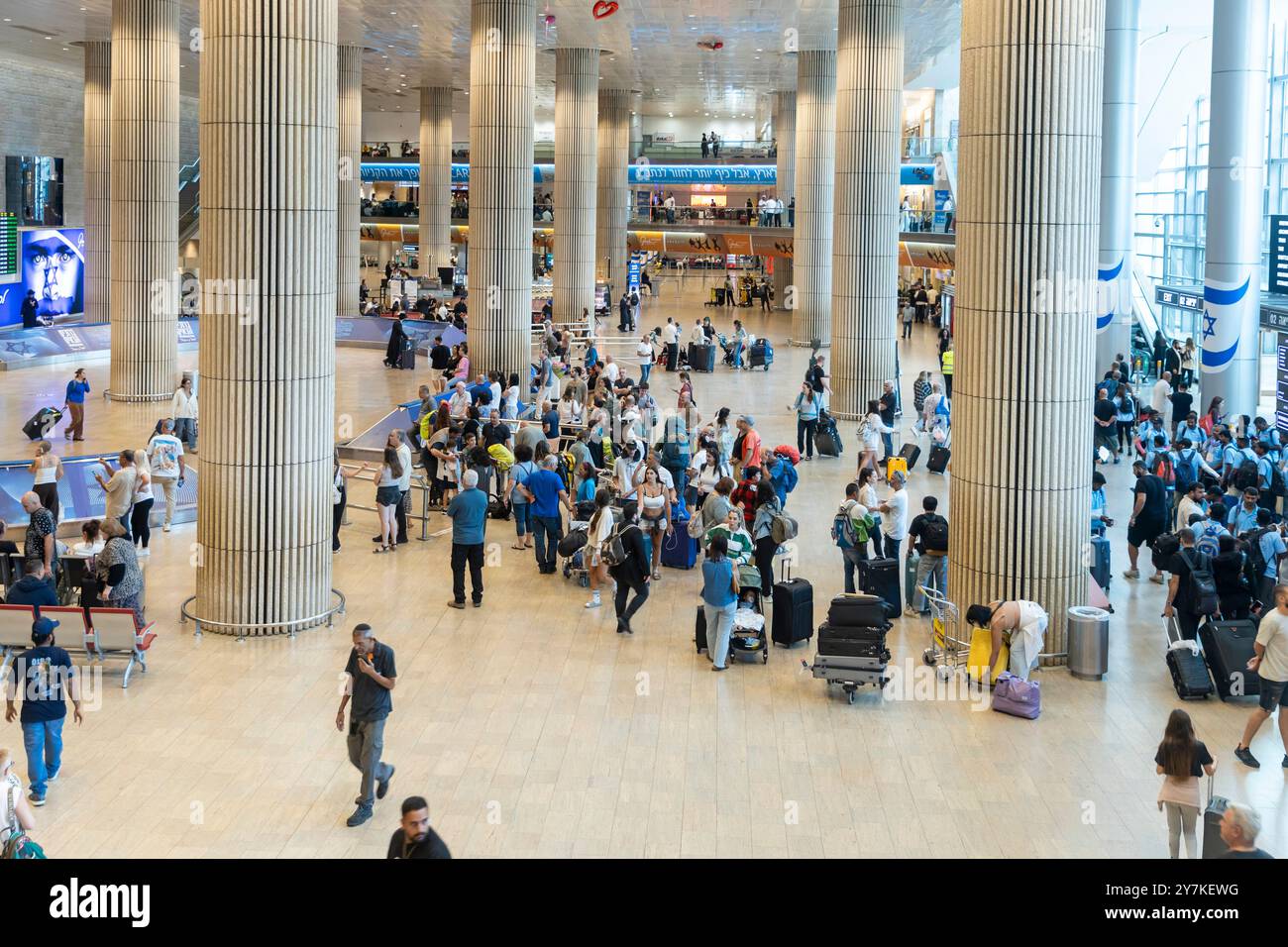
The walk in Terminal 3 is notable for its long, glass-walled corridors that offer views of the airfield. You will eventually reach a massive circular hall known as the "Rotunda." This area is a central landmark of the airport. From here, you proceed down a wide, sloped ramp that leads directly to the border control area.
The ETA-IL Requirement in 2026
As of 2026, the most critical prerequisite for arriving with confidence is ensuring your ETA-IL (Electronic Travel Authorization) is approved before you even board your flight. This system, which became mandatory for all travelers from visa-exempt countries, serves as a preliminary security screening.
- Verification: Ensure you have a digital or printed copy of your ETA-IL approval. While it is linked to your passport number, having a physical backup prevents delays if there are technical glitches with the airline's check-in system or at the border kiosks.
- Validity: The ETA-IL is typically valid for up to two years or until your passport expires. Always check that the passport number on your authorization matches your current travel document.
Navigating Border Control: The Biometric Revolution
Israel does not stamp passports. This is a common point of confusion for travelers concerned about future travel to countries that may not recognize Israeli entry. Instead, the country uses a sophisticated entry card system.
Using the Self-Service Kiosks
If you hold a biometric passport from a supported country, you can use the self-service kiosks located before the manned booths. These machines scan your passport and take a high-resolution photo to verify your identity.
Upon successful scanning, the machine will print a small, bright blue card known as the "Stay Permit" or "Gate Pass." This card contains your photo, passport details, and the date of entry. Do not lose this card. You will need it to exit the arrivals hall, and it serves as your proof of legal status while in Israel. Furthermore, hotels and car rental agencies require this slip to exempt you from the local Value Added Tax (VAT), which can save you 17% on your expenses.
The Security Interview
If you are directed to a manned booth, stay calm and answer questions directly. Security is the hallmark of Ben Gurion, and "profiling" or questioning is a standard part of their behavioral analysis. Common questions include:
- What is the purpose of your visit?
- Where are you staying (have the address of your hotel or host ready)?
- Do you have friends or family in the country?
- What is your occupation?
Confidence in this stage is built on transparency. Inconsistencies in your story are what trigger secondary inspections. If you are traveling for business, have an invitation letter. If you are a tourist, have a basic itinerary available.
Baggage Claim and Customs: The Green and Red Channels
After passing through the electronic gates (where you scan your blue slip to open the turnstiles), you will enter the baggage claim area. Large digital screens will indicate which carousel corresponds to your flight number.
Customs Regulations
Israel operates a "Green Channel" (nothing to declare) and a "Red Channel" (goods to declare) system. Most tourists pass through the Green Channel. However, it is essential to be aware of the 2026 limits to avoid fines:
- Alcohol: Up to 1 liter of spirits and 2 liters of wine per person (over 18).
- Tobacco: Up to 200 cigarettes or 250 grams of tobacco products.
- Gifts: Items valued up to $200 USD.
- Currency: If you are carrying more than 50,000 NIS (or equivalent in foreign currency), you must declare it.
If you are carrying expensive professional equipment (like high-end cinema cameras) or items intended for sale, use the Red Channel. Being proactive at customs is significantly better than being stopped for a random check with undeclared goods.
Connectivity and Currency: Preparing for the Outside World
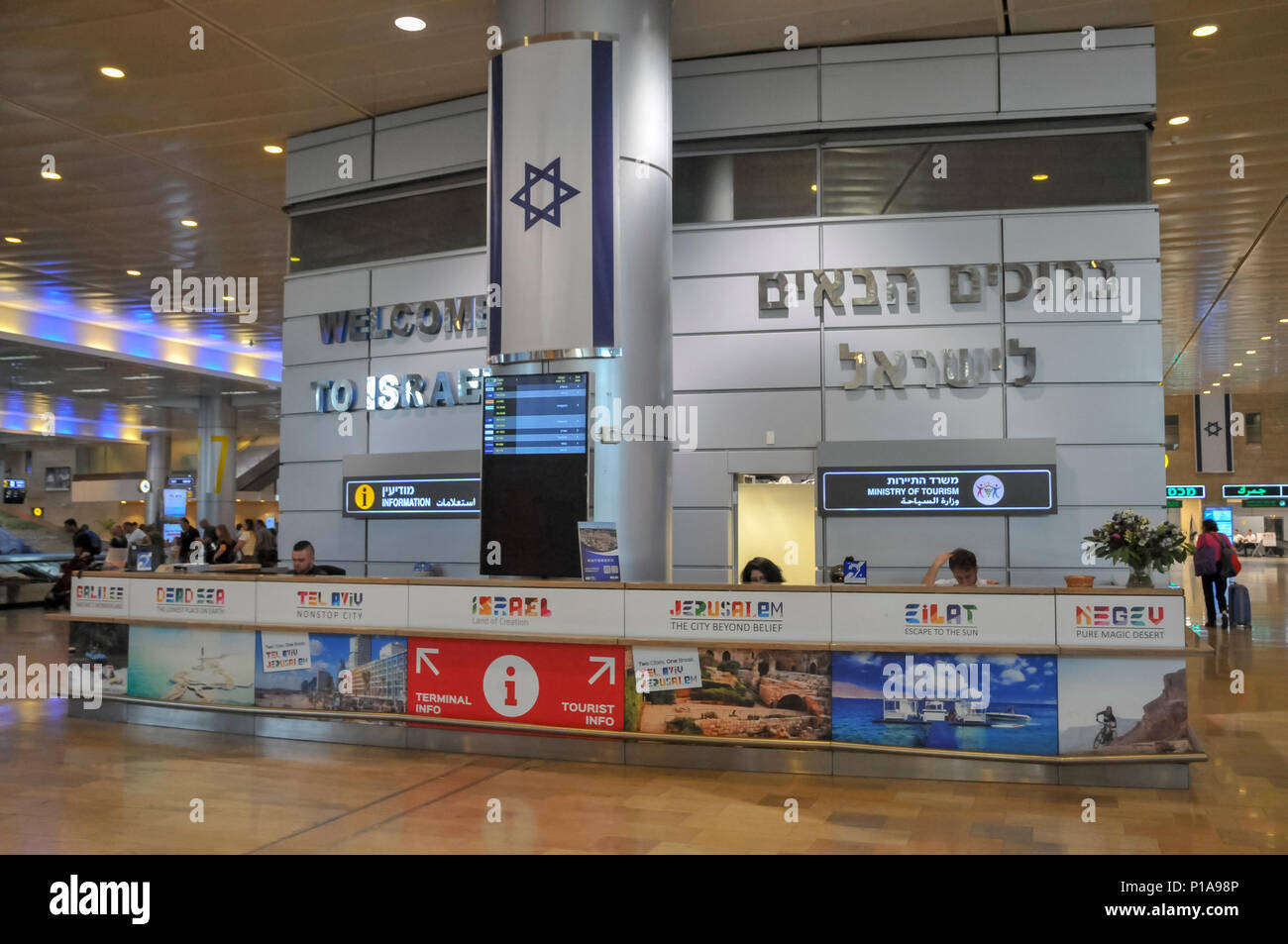
Once you emerge into the public arrivals hall, your first instinct may be to find transportation. However, taking ten minutes to handle connectivity and cash will improve your confidence during the commute to your destination.
Communication (SIM and eSIM)
While the airport offers free Wi-Fi, it can be spotty in the parking garages or train stations. In 2026, most travelers prefer activating an eSIM before arrival. If you prefer a physical SIM, several kiosks in the arrivals hall (such as 019 Mobile or Hot Mobile) offer tourist packages. Be prepared to show your passport to register the SIM.
Currency Exchange and ATMs
The local currency is the New Israeli Shekel (NIS). While Israel is highly digitized—almost every merchant accepts contactless payments or credit cards—having some "walking around" money is useful for small tips or public markets.
- ATMs: Use the ATMs affiliated with major banks (like Bank Hapoalim or Leumi) found in the arrivals hall. Avoid "independent" generic ATMs which often charge exorbitant fees.
- Exchange: Currency exchange booths are available, but their rates are generally less favorable than bank ATMs or using a travel-optimized credit card.
Transportation from Ben Gurion to Your Destination
Ben Gurion is well-connected, but the "best" mode of transport depends heavily on your destination and the time of day.
The Israel Railways (Train)
The train station is located on Level S (Sub-level) of Terminal 3. This is the fastest way to reach Tel Aviv (approx. 15-20 minutes) or Jerusalem (approx. 25-30 minutes).
- Payment: You can use a Rav-Kav card (the national transit card), but in 2026, it is more common for tourists to use the Moovit or Pango apps. You can also tap your contactless credit card directly at the gates in many stations.
- Note: Trains do not run on Shabbat (Friday afternoon through Saturday evening).
Official Taxis and Ride-Sharing
To take a taxi, follow the signs to the official taxi stand. Ignore anyone offering a taxi inside the terminal hall. Official taxis are regulated, and there is a dispatcher who will provide you with a printed slip showing the estimated fare.
- Gett: This is the primary ride-hailing app in Israel. You can order a taxi through the app, but you must still meet the driver at the designated pick-up zone.
- Uber/Bolt: While present, they often function as "ordered taxis" rather than private car services due to local regulations.
Shared Taxis (Sherut)
For those heading to Jerusalem or Haifa, the "Sherut" is a popular 10-passenger van. These are located outside the arrivals hall and run 24/7, including on Shabbat. They are more expensive than the train but cheaper than a private taxi, and they often drop you off directly at your door.
Comparison of Transport Options (2026 Estimates)
| Transport Mode | Destination | Approx. Cost (NIS) | Approx. Duration | Availability |
|---|---|---|---|---|
| Train | Tel Aviv / Jerusalem | 15 - 25 NIS | 20 - 30 min | Sun - Fri (Midday) |
| Official Taxi | Tel Aviv | 150 - 200 NIS | 30 - 45 min | 24/7 |
| Official Taxi | Jerusalem | 300 - 350 NIS | 50 - 70 min | 24/7 |
| Sherut (Shared) | Jerusalem | 70 - 90 NIS | 60 min | 24/7 |
| Bus (Line 485) | Jerusalem | 16 NIS | 60 min | Sun - Fri (Midday) |
The "Shabbat" Factor: A Critical Note for Confidence
Arriving in Israel between Friday sunset and Saturday sunset requires a different strategy. Public buses and trains cease operations during this window. If you land during Shabbat, your options are limited to:
- Private Taxis: Available but often subject to a "Shabbat surcharge."
- Shared Taxis (Sheruts): These continue to run to major cities.
- Car Rentals: Most rental desks at the airport remain open 24/7, though you should confirm your booking specifically for a Saturday arrival.
Understanding this cultural nuance prevents the panic of finding a closed train station upon arrival.
Troubleshooting Common Arrival Issues
Even with the best preparation, issues can arise. Knowing the "Plan B" is essential for maintaining confidence.
- Lost Luggage: The "Lost & Found" or baggage claim offices are located within the baggage hall. If your bags don't arrive, file a PIR (Property Irregularity Report) before you leave the customs area. You will need your baggage claim sticker (usually attached to your passport or boarding pass).
- Denied Entry at Kiosk: If the biometric kiosk flashes red, it usually means a technical error or a need for a manual check. Simply proceed to the "Exceptions" or "Inquiry" booth. It is rarely a cause for alarm; often, it is just a smudge on the passport's chip or a photo that doesn't match the database.
- Transportation Delays: If the trains are down for maintenance, look for the "Replacement Bus" signs or head to the taxi dispatcher. The airport staff are generally fluent in English and can guide you to the nearest shuttle.
Final Recommendations for a Smooth Arrival
To ensure you arrive at Ben Gurion with total confidence in 2026, follow these final steps:
- Download Essential Apps: Install Moovit (for transit), Gett (for taxis), and the ETA-IL app (if available) or save your PDF approval to your phone's home screen.
- Keep the Blue Slip Accessible: Place your entry card inside your passport, but keep it handy. You will need to scan it to exit the baggage area and show it at your hotel.
- Prepare for Security: Understand that the questioning is a sign of a high-functioning security system, not a personal interrogation. Answer clearly and keep your documents organized.
By mastering the digital requirements and understanding the physical layout of TLV, you can transition from your flight to the heart of Israel with ease and security.
Frequently Asked Questions
Do I need a visa to enter Israel in 2026? It depends on your nationality. Travelers from countries like the USA, UK, Canada, and the EU do not need a traditional visa for tourism but must have an approved ETA-IL. Always check the official Israel Ministry of Foreign Affairs website for the most current visa-exempt list.
Is it safe to take a taxi from Ben Gurion Airport? Yes, provided you use the official taxi stand. These drivers are monitored, and their fares are regulated by the Ministry of Transport. Avoid "pirate" taxis—individuals who approach you in the terminal building—as they often overcharge and operate without the necessary airport permits.
Can I travel from the airport to Jerusalem by train on a Saturday? No. The Israeli rail network, including the high-speed line to Jerusalem, does not operate on Shabbat (from Friday afternoon until Saturday evening). During this time, you must use a taxi, a shared "Sherut" van, or a rental car.
What should I do if I lose my blue entry slip? If you lose your "Stay Permit," you should contact the Ministry of Interior or visit a local police station to report the loss. You will need this document to exit the country, so it is advisable to take a photo of the card as soon as you receive it as a digital backup.
How early should I arrive at the airport for my return flight? While this guide focuses on arrival, it is worth noting that for departures from Ben Gurion, the standard recommendation is to arrive 3 hours before your flight due to the multi-layered security screening process.
Next Action: Before your flight, double-check your ETA-IL status and download a map of Terminal 3 to your mobile device to ensure you can find the train station or taxi stand without relying on airport Wi-Fi.