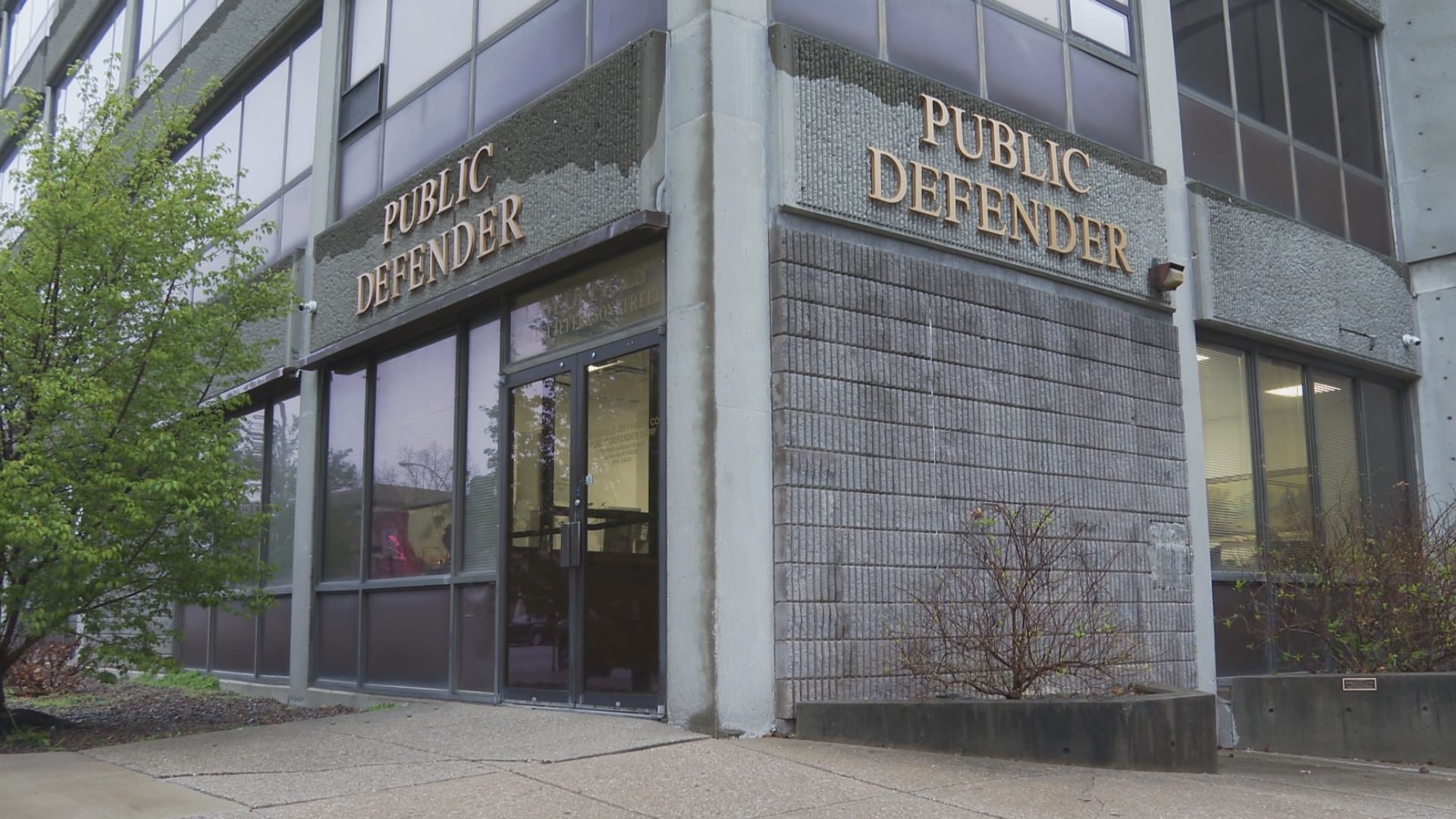
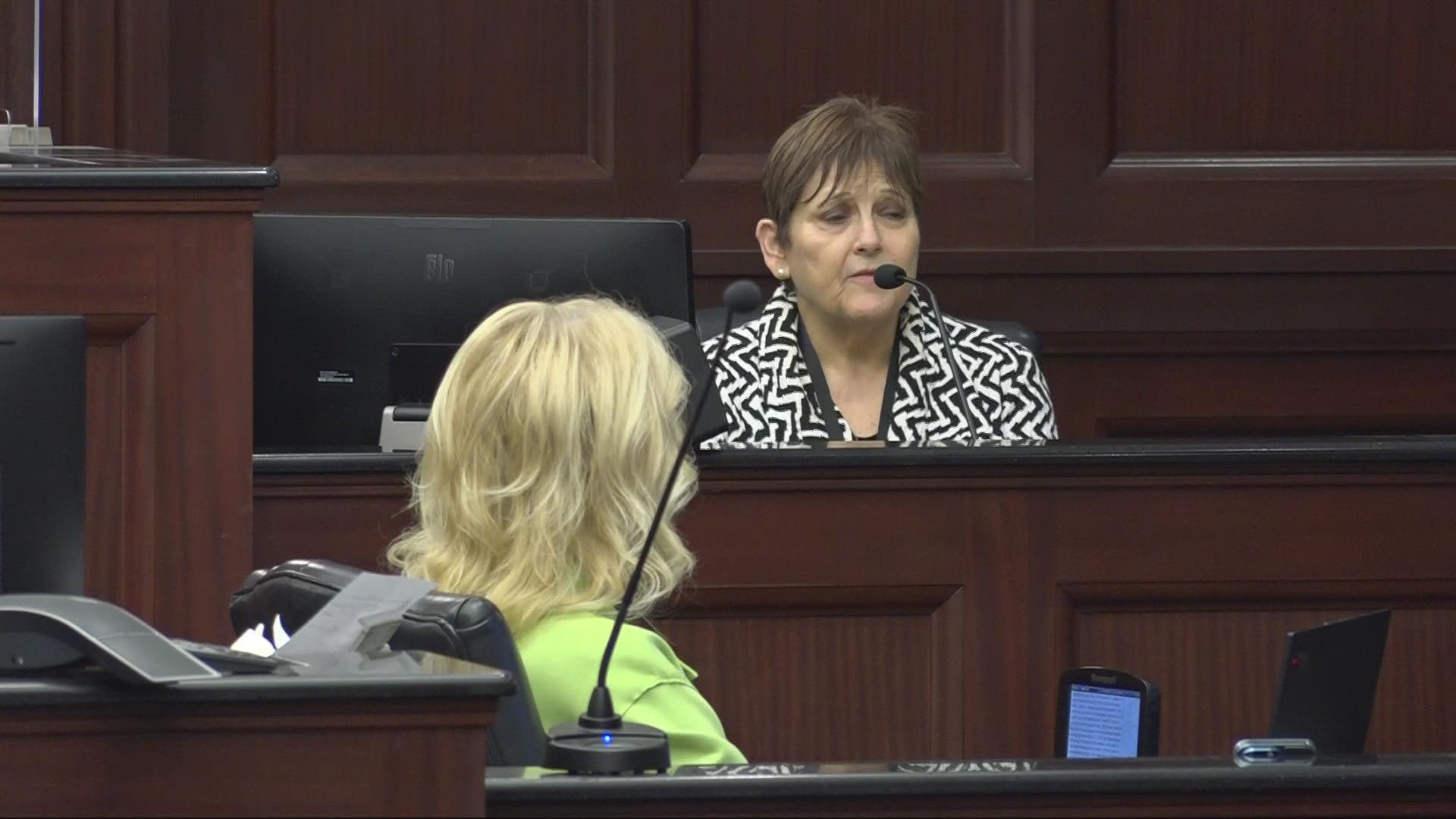
The Office of the Federal Public Defender for the District of Arizona provides legal representation to individuals charged with federal crimes who cannot afford to hire private counsel. Authorized by the Criminal Justice Act of 1964, this office ensures that the Sixth Amendment right to counsel is upheld within the federal court system across Arizona’s various divisions, including Phoenix, Tucson, Flagstaff, and Yuma.
What is the Arizona Federal Public Defender Office?
The Office of the Federal Public Defender (FPD) for the District of Arizona is a non-profit federal entity established to provide high-quality legal defense services. Unlike private law firms, the FPD is funded by the federal judiciary through the Administrative Office of the United States Courts. Its primary mission is to provide professional legal representation to indigent defendants—those who lack the financial means to retain an attorney—when they are facing charges in a United States District Court.
As of 2026, the District of Arizona remains one of the busiest federal judicial districts in the United States. This high volume is driven largely by the state’s status as a border jurisdiction, leading to a significant number of immigration-related offenses, drug trafficking cases, and crimes occurring on federal or tribal lands. The FPD office is staffed by Assistant Federal Public Defenders (AFPDs), investigators, paralegals, and social workers who work collaboratively to mount a vigorous defense for their clients.
The office operates under the leadership of the Federal Public Defender, an official appointed by the United States Court of Appeals for the Ninth Circuit. This appointment structure is designed to maintain independence from the Department of Justice (prosecutors), ensuring that the defense remains zealous and focused solely on the client’s interests.
Jurisdiction and Physical Locations in Arizona
The District of Arizona is geographically vast, covering the entire state. To manage this territory, the Federal Public Defender maintains offices in several key cities. Each office handles cases arising from specific counties and federal lands within its division.
The Phoenix Office
The Phoenix office serves as the headquarters for the district. It handles cases originating in Maricopa County and the surrounding central Arizona regions. This office typically manages complex "white-collar" crimes, such as wire fraud and securities violations, alongside standard federal charges like firearm possession or federal property crimes.
The Tucson Office
Due to its proximity to the U.S.-Mexico border, the Tucson office often manages a higher volume of cases involving 8 U.S.C. § 1325 (illegal entry) and 8 U.S.C. § 1326 (reentry after deportation). The Tucson staff are experts in the intersection of criminal law and immigration consequences, often providing specialized advocacy regarding how a conviction might impact a client's future immigration status.
The Flagstaff and Yuma Offices
The Flagstaff office frequently represents individuals charged with crimes on Northern Arizona’s extensive federal and tribal lands, including the Grand Canyon National Park and various Native American reservations where the federal government has jurisdiction (under the Major Crimes Act). The Yuma office, like Tucson, focuses heavily on border-related litigation and offenses occurring in the southwestern corner of the state.
Eligibility for Federal Public Defender Services
Access to a Federal Public Defender is not automatic; it is a right reserved for those who meet specific financial criteria. The process of obtaining an appointed lawyer is governed by the Criminal Justice Act (CJA).
The Financial Affidavit (Form CJA 23)
To be considered for representation, a defendant must complete a Financial Affidavit, known as Form CJA 23. This document requires the individual to disclose their income, assets (such as bank accounts, real estate, and vehicles), monthly expenses, and debts. A United States Magistrate Judge reviews this affidavit to determine if the defendant is "indigent."
Determination of Indigency
"Indigent" does not necessarily mean the defendant has zero dollars. Instead, the court looks at whether the defendant has enough "disposable" income or liquid assets to pay for a private federal criminal defense attorney, which can cost tens or even hundreds of thousands of dollars depending on the complexity of the case. If the court finds the defendant cannot afford counsel without substantial hardship to themselves or their family, the Federal Public Defender is appointed.
Partial Eligibility
In some cases, the court may find that a defendant can afford to pay some but not all of the costs. Under the CJA, the judge may appoint an attorney but order the defendant to make monthly payments to the court to offset the cost of the representation.
The Scope of Representation
The Arizona Federal Public Defender Office handles a wide array of legal matters beyond the initial trial. Their involvement begins at the moment of appointment and can continue through the highest levels of the American judiciary.
Trial-Level Defense
Most of the office’s work occurs at the trial level. This includes:
- Arraignment and Detention Hearings: Arguing for a client’s release from custody while the case is pending.
- Discovery and Investigation: Reviewing evidence provided by the government (FBI, DEA, HSI, etc.) and conducting independent investigations.
- Motion Practice: Filing legal challenges to suppress evidence obtained through illegal searches or to dismiss charges based on legal technicalities.
- Plea Negotiations: Working with the U.S. Attorney’s Office to reach a favorable resolution if a trial is not in the client’s best interest.
- Jury Trials: Representing the client before a jury of their peers.
Sentencing Advocacy
If a client is convicted or pleads guilty, the FPD plays a critical role in the sentencing phase. Federal sentencing is governed by the United States Sentencing Guidelines, which are complex and often result in harsh penalties. AFPDs draft detailed sentencing memorandums that highlight the client’s background, character, and mitigating circumstances to persuade the judge to impose a lower sentence.
Appeals and Habeas Corpus
The Arizona FPD also has a dedicated Appellate Unit. If a defendant loses at trial or receives an illegal sentence, the Appellate Unit represents them before the U.S. Court of Appeals for the Ninth Circuit. Furthermore, the office handles Capital Habeas Corpus cases, which involve representing individuals on death row who are challenging their convictions based on constitutional violations.
Comparison: Federal Public Defender vs. CJA Panel Attorneys
When the Federal Public Defender’s office has a conflict of interest—for example, if there are two defendants in the same case and one is already being represented by the FPD—the court appoints a "CJA Panel Attorney." These are private lawyers who have been vetted and approved to take federal appointments.
| Feature | Federal Public Defender (FPD) | CJA Panel Attorney |
|---|---|---|
| Employment | Full-time federal employees. | Private practitioners appointed by the court. |
| Resources | In-house investigators and social workers. | Must petition the court for funds for investigators. |
| Specialization | Exclusively federal criminal law. | May handle state cases or civil law as well. |
| Cost to Client | Free (if eligible via CJA 23). | Free (if eligible via CJA 23). |
| Oversight | Ninth Circuit Court of Appeals. | U.S. District Court CJA Committee. |
Why Federal Representation is Unique in Arizona
Defending a case in federal court is significantly different from defending one in Arizona state court (Superior Court). The Arizona Federal Public Defender Office must navigate a system characterized by:
- The Federal Sentencing Guidelines: Unlike the state system, the federal system uses a points-based grid to determine sentence ranges. Understanding these nuances is vital for any defense.
- No Parole: The federal system abolished parole in 1987. Any sentence handed down is the actual time the defendant will serve, minus a small percentage (usually 15%) for "good behavior."
- Vast Investigative Power: Federal agencies like the FBI and ATF have immense resources. The FPD must be equally equipped to counter their findings through sophisticated forensic analysis and expert testimony.
- Tribal Land Jurisdiction: Arizona has 22 federally recognized tribes. Crimes committed on tribal land by or against Native Americans often fall under federal jurisdiction, requiring the FPD to have a deep understanding of the Major Crimes Act and tribal sovereignty.
The Role of the Defense Team
A common misconception is that a Federal Public Defender is just an attorney. In reality, the Arizona FPD utilizes a "team-based" approach to defense.
- Assistant Federal Public Defenders (AFPDs): These are the lead attorneys. They are often graduates of top law schools and have years of specialized experience in federal litigation.
- Investigative Staff: The office employs full-time investigators who interview witnesses, canvas crime scenes, and gather evidence that the government might have overlooked.
- Paralegals and Legal Assistants: They manage the massive amounts of "discovery" (evidence) provided by the government, which can include thousands of pages of documents and hundreds of hours of surveillance footage.
- Social Workers and Mitigation Specialists: These professionals are crucial during the sentencing phase. They look into the client’s life history, mental health, and social environment to explain why an offense occurred, which can lead to more lenient sentencing.
Frequently Asked Questions
Can I choose which Federal Public Defender I get?
No. The court appoints the Office of the Federal Public Defender, and the office then assigns a specific attorney to your case based on availability, experience level, and the current caseload. You generally do not have the right to request a different appointed attorney unless there is a significant conflict or a breakdown in communication that prevents a fair trial.
Is a Federal Public Defender a "real" lawyer?
Yes. Assistant Federal Public Defenders are licensed attorneys who must be members in good standing of the State Bar of Arizona (or another state bar) and be admitted to practice in the U.S. District Court. They are often considered among the most skilled trial lawyers in the federal system because they specialize exclusively in this complex area of law.
How do I contact my lawyer if I am in custody?
The Arizona FPD staff regularly visits clients in federal holding facilities, such as the Central Arizona Arizona Detention Center (Florence) or local county jails under federal contract. Clients can also call their attorneys from these facilities, and the FPD office generally accepts collect calls from incarcerated clients.
Does the FPD help with state-level charges?
No. The Arizona Federal Public Defender Office only handles cases in the United States District Court. If you are charged in an Arizona Superior Court (e.g., Maricopa County Superior Court), you must contact the County Public Defender’s office or the Legal Defender’s office for that specific county.
What should I do if I am contacted by federal agents?
If you are a target of a federal investigation, you should exercise your Fifth Amendment right to remain silent and your Sixth Amendment right to counsel. If you cannot afford an attorney, you can request that the court appoint one once you are formally charged or brought before a judge for an initial appearance.
Practical Recommendations for Defendants
If you find yourself or a loved one under the representation of the Arizona Federal Public Defender Office, following these steps can help ensure the best possible outcome:
- Be Honest with Your Team: The attorney-client privilege protects everything you say to your AFPD and their staff. For them to build a successful defense, they need the full truth about the facts of the case and your personal background.
- Complete the CJA 23 Accurately: Any false statements on your financial affidavit can lead to perjury charges or the revocation of your appointed counsel. Ensure all assets and debts are fully disclosed.
- Stay in Communication: If you are out on pretrial release, keep your attorney informed of any changes to your address or phone number. Missing a court date or a meeting with your lawyer can result in your bond being revoked.
- Do Not Discuss Your Case with Others: Do not talk about your case with cellmates, friends, or family members over jail phones. These calls are recorded and can be used against you. Only speak about the details of your case with your legal team from the FPD.