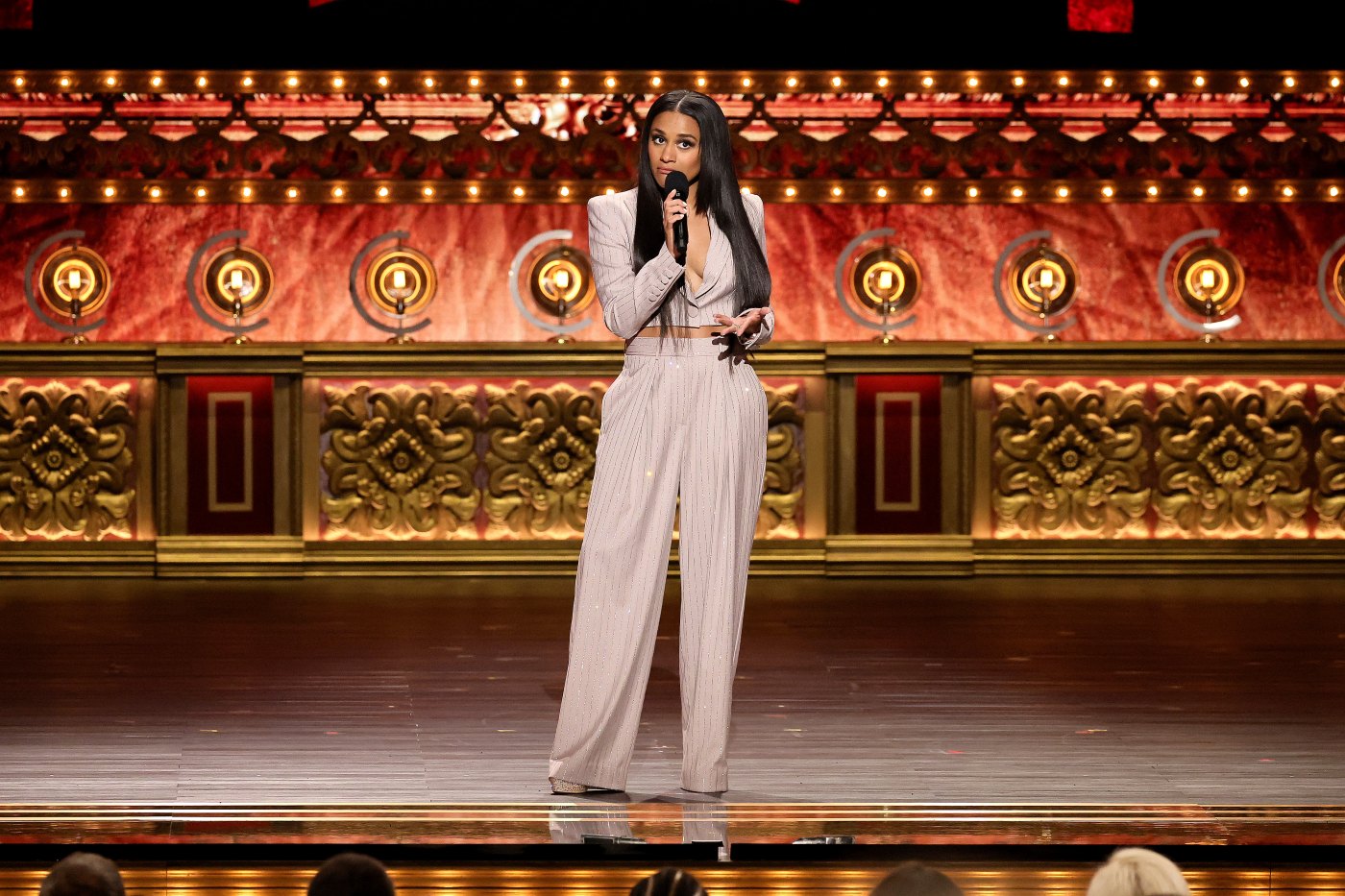
Ariana DeBose’s viral rap performance at the 2023 EE BAFTA Film Awards served as a high-profile, culture-shifting moment that blended musical theater, pop culture, and live television. Opening the ceremony with a customized musical number celebrating the female nominees, the Academy Award-winning actress delivered an energetic and memorized rhythm-and-rhyme segment that instantly dominated global social media discourse, inspiring intense public reactions, widespread memes, and mainstream media analysis.
Introduction to the Phenomenon
The intersection of live awards show entertainment and viral internet culture frequently produces unpredictable results. At the 76th British Academy Film Awards held on February 19, 2023, at the Royal Festival Hall in London, actress, singer, and dancer Ariana DeBose took the stage as the host of the evening. Rather than delivering a traditional comedic monologue, DeBose initiated the broadcast with a high-energy performance combining live vocal arrangements, choreography, and a spoken-word rap introducing the female nominees in attendance.
The segment, which repurposed Eurythmics’ "Sweet Dreams (Are Made of This)" and incorporated an original hip-hop breakdown listing actresses such as Angela Bassett, Michelle Yeoh, Kerry Condon, and Jamie Lee Curtis, elicited an immediate and polarized response. Within hours, clips of the performance circulated across Twitter (now X), TikTok, and Instagram, turning phrases like "Angela Bassett did the thing" into ubiquitous internet slang. To understand the cultural footprint of the Ariana DeBose rap, it is necessary to examine the structural anatomy of the performance, the immediate public and institutional reactions, the subsequent evolution of the meme, and its long-term impact on how live entertainment is produced and consumed in the digital age.
Anatomy of the BAFTA Opening Number
The performance was designed by the BAFTA production team as a bold, contemporary opening that utilized DeBose's distinct background as a Broadway veteran and a triple-threat performer. Opening a major film awards ceremony requires balancing reverence for prestige cinema with accessible, entertaining television. DeBose's routine began with a spirited vocal rendition before transitioning into a rhythmic spoken-word delivery over a pulsing beat.
The lyrical content specifically highlighted the women nominated across various acting categories. Notable lines included shout-outs to Cate Blanchett, Danielle Deadwyler, Ana de Armas, and Viola Davis, culminating in the rhythmic summary: "Angela Bassett did the thing / Ariana Fox is up against your state, sing / Michelle Yeoh, keep it going, keep it going..."
While musical numbers are a time-honored tradition at events like the Academy Awards (frequently helmed by hosts like Hugh Jackman, Neil Patrick Harris, or Ariana DeBose herself at other events), the integration of contemporary rap cadence into a British film awards broadcast created a distinct stylistic contrast. The choreography featured sharp theatrical staging, backup dancers, and a committed, theatrical delivery style characteristic of stage performance rather than traditional rap music. This distinction between theatrical performance and conventional hip-hop delivery formed the crux of both the praise and the criticism that followed.
Public Reception and Social Media Polarization
Immediately following the broadcast, public reaction bifurcated sharply. On one side, internet users and digital content creators seized upon the earnestness of the performance, generating millions of views and transforming the segment into a viral meme. The earnest delivery, coupled with specific facial expressions and rhythmic inflections, made the clip prime material for parody, lip-syncing, and viral audio trends.
Conversely, a segment of traditional television viewers and critics found the performance jarring or overly earnest, leading to a wave of online mockery. The intense digital scrutiny prompted a temporary reaction from DeBose herself, who briefly deactivated her Twitter account amid the overwhelming volume of online commentary—both positive and negative.
| Aspect of Reception | Positive / Viral Angle | Critical / Satirical Angle |
|---|---|---|
| Tone and Delivery | High energy, committed theatricality, bold opening choice. | Considered overly dramatic or unsuited to a formal British ceremony. |
| Lyrical Content | Celebrated every female nominee by name in an innovative format. | Lines like "Angela Bassett did the thing" felt idiosyncratic and meme-worthy. |
| Cultural Impact | Generated record engagement, trending topics, and mainstream discussion. | Sparked debates over the boundaries of cringe culture and online bullying. |
As cultural analysts and public figures weighed in, the narrative shifted rapidly from mockery to defense. Prominent industry figures, including BAFTA producer Nick Bullen, publicly defended DeBose, noting that the performance was designed to be maximum fun and that the backlash was disproportionate and harsh. Bullen emphasized that the numbers and engagement metrics for the broadcast surged as a direct result of the segment, proving its effectiveness as a television draw.
Cultural Impact and Industry Response
The aftermath of the Ariana DeBose rap highlights the shifting dynamics between live broadcast television and internet meme culture. In an era where awards shows struggle with declining traditional viewership, viral moments are a primary currency for network and institutional relevance. The BAFTA opening number succeeded in capturing global attention, driving millions of younger viewers to engage with content related to a historically formal British film institution.
Furthermore, the phrase "Angela Bassett did the thing" transcended the initial broadcast to become a permanent part of internet lexicon. Angela Bassett herself acknowledged and embraced the line during subsequent public appearances, demonstrating a gracious and humorous attitude toward the viral moment. At subsequent events, including the Academy Awards later that year, hosts and presenters made light-hearted references to the rap, cementing its status as an iconic pop-culture touchstone of the 2020s.
DeBose herself navigated the viral storm with eventual humor and resilience. In later interviews and performances, she leaned into the cultural phenomenon, proving that enduring public scrutiny with grace can transform a polarizing moment into a badge of honor. For instance, at subsequent appearances, she referenced her viral status playfully, demonstrating that artists can reclaim the narrative surrounding viral missteps or unexpected internet sensations.
FAQs About the Ariana DeBose BAFTA Rap
What song did Ariana DeBose rap over at the BAFTAs?
Ariana DeBose performed a customized musical medley that opened with Eurythmics' classic 1983 hit "Sweet Dreams (Are Made of This)" before transitioning into an original rhythmic rap breakdown specifically written to introduce the female acting nominees of the evening.
Why did the Ariana DeBose rap go viral?
The performance went viral due to its unexpected tonal shift, theatrical delivery style, and distinct lyrical choices—most notably the line "Angela Bassett did the thing." The juxtaposition of high-prestige British cinema with high-energy Broadway-style rap generated widespread online memes and intense social media discussion.
Did Ariana DeBose respond to the online reaction?
Yes. Following an overwhelming influx of both praise and mockery on social media, DeBose temporarily deactivated her Twitter account. However, she later embraced the viral nature of the moment, and producers of the show publicly defended her performance as a massive success for audience engagement.
How did Angela Bassett react to the line about her?
Angela Bassett responded with good humor and warmth. During a subsequent awards appearance, actor Michael B. Jordan playfully referenced the line while presenting on stage, prompting laughter and applause from Bassett herself, effectively institutionalizing the phrase within Hollywood culture.
Conclusion and Next Actions
For observers of modern entertainment and media studies, the Ariana DeBose BAFTA rap serves as a fascinating case study in how live television intersects with social media virality. Whether viewed as a bold theatrical misfire or a brilliant masterclass in generating audience engagement, the performance permanently altered the pop-culture landscape of 2023. To further explore this topic, interested readers can examine academic analyses of digital meme culture, review full archival footage of the 76th BAFTA Awards broadcast, or research the broader history of musical opening numbers in modern television history.