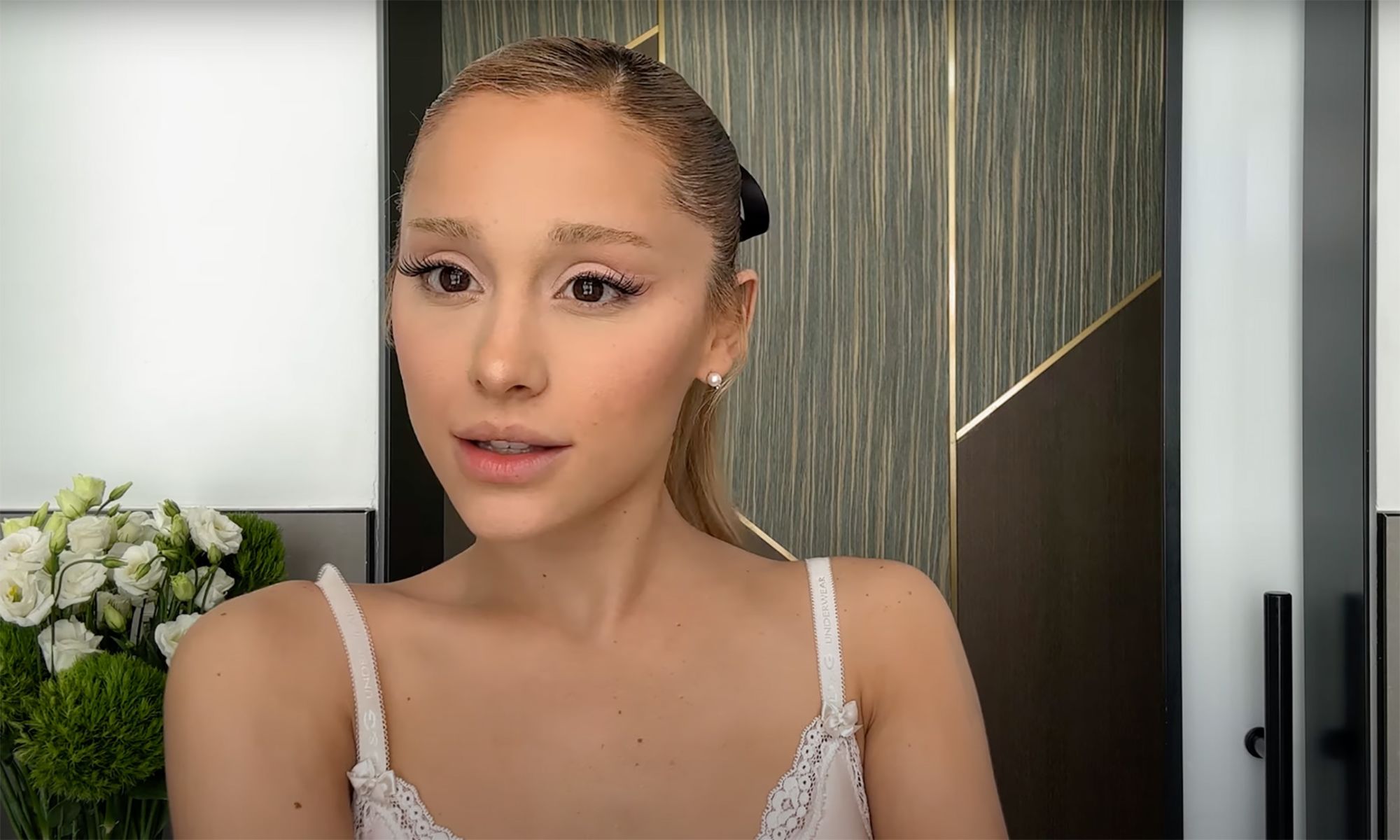
A decade brings profound transformation, and Ariana Grande's journey over the last ten years illustrates one of the most remarkable evolutions in modern pop culture, transitioning from a television-trained vocal powerhouse into an Oscar-contending film actor, global beauty entrepreneur, and a defining musical icon of her generation.
Introduction: Tracing a Ten-Year Trajectory
To understand where Ariana Grande stands today, it is necessary to look back at the midpoint of the 2010s. A decade ago, Grande was actively promoting her sophomore studio album, My Everything (2014), and preparing for her first major headlining concert excursion, The Honeymoon Tour. Back then, she was widely recognized for her signature high ponytail, cat-ear headbands, retro-chic 1960s aesthetic, and a soaring four-octave vocal range that frequently drew comparisons to Mariah Carey.
Fast forward to the present day, and the landscape of her career has shifted dramatically. The pop star who once sang bubblegum and R&B-inflected pop anthems has expanded into conceptual art-pop, R&B, and soul-baring balladry, earning critical acclaim, multiple Grammy Awards, and breaking chart records previously held by historical acts like The Beatles. Beyond music, her footprint now spans high fashion, major beauty conglomerates, and blockbuster cinema. This comprehensive comparative analysis explores how Ariana Grande’s career, artistry, personal brand, and public identity have evolved across a transformative decade.
Musical Evolution: From Teen Pop Princess to Avant-Garde Pop Architect
Ten years ago, Grande’s musical identity was anchored in high-energy pop radio hits designed to bridge the gap between her Nickelodeon television origins and mainstream pop dominance. Tracks like "Problem," "Break Free," and "Love Me Harder" established her as a formidable radio presence, blending electronic dance music drops with slick R&B vocal runs.
As the decade progressed, her musical palette matured significantly. The release of Dangerous Woman (2016) introduced a moodier, more mature R&B sound. This artistic pivot reached a commercial and critical peak with Sweetener (2018) and Thank U, Next (2019)—albums crafted in the wake of immense personal turbulence, including the tragic 2017 Manchester Arena bombing and the passing of her ex-partner Mac Miller. These projects traded glossy radio formulas for vulnerable, stream-of-consciousness lyricism and intricate trap-pop beats.
By the time she released Positions (2020) and her seventh studio album, Eternal Sunshine (2024), Grande had established total creative autonomy. Working closely with producers like Max Martin, Ilya Salmanzadeh, and Tommy Brown, her sound has shifted toward lush, 1990s-inspired R&B harmonies, sophisticated vocal layering, and introspective storytelling. Today, her music is less about chasing fleeting radio trends and more about cementing a timeless catalog that reflects her personal growth and technical mastery.
Visual Branding and Aesthetic Transformation
Few contemporary artists are as visually identifiable as Ariana Grande, yet her signature look has undergone a meticulous evolution over the past ten years.
Ten years ago, her aesthetic was heavily influenced by youthful retro trends. The uniform consisted of skater skirts, thigh-high boots, oversized sweaters, and her trademark high ponytail—a style she later revealed was born out of necessity to protect hair damaged by years of bleaching for her television roles on Victorious and Sam & Cat. This look was accessible, playful, and targeted directly at a youthful demographic.
In contrast, her modern aesthetic leans toward sophisticated, high-fashion minimalism and classic Hollywood glamour. Influenced by iconic style inspirations like Audrey Hepburn and 1960s French cinema, Grande has traded hyper-youthful streetwear for bespoke archival designer pieces from houses like Givenchy, Schiaparelli, Vivienne Westwood, and Versace. Her hair, while occasionally returning to the iconic ponytail for nostalgic moments, frequently embraces natural curls, softer updos, and varied tones, signaling a transition into a more grounded, mature womanhood.
Business Ventures and Entrepreneurial Expansion
A decade ago, Grande’s revenue streams and public profile were primarily tied to traditional entertainment metrics: album sales, touring, and occasional endorsements. While she was a major pop star, her footprint in the corporate and beauty sectors was minimal.
Today, Grande is a formidable entrepreneur. Her most notable business venture, r.e.m. beauty, launched in 2021 and quickly established itself as a major player in the highly competitive celebrity cosmetics market. Originally launched under Forma Brands before being fully acquired by Grande's parent company, the brand has won numerous industry awards for its futuristic packaging, skin-loving formulations, and accessibility.
Furthermore, her fragrance empire—anchored by best-selling scents like Cloud, Thank U Next, and Moonlight—remains one of the most successful celebrity perfume portfolios in the world, generating hundreds of millions of dollars globally. This diversification highlights a strategic shift from a traditional pop artist-for-hire to an independent business owner with long-term financial equity.
Film, Television, and Acting Ambitions
Ten years ago, Grande’s transition from television actress to music superstar was still in its relative infancy. Having wrapped up her tenure on the Disney and Nickelodeon networks, she was intentionally distancing herself from child-star typecasting to focus entirely on establishing her recording career. For several years, acting took a distinct backseat to her relentless album-and-tour cycle.
That dynamic shifted decisively with her casting as Glinda the Good Witch in Jon M. Chu's cinematic adaptation of the Broadway musical Wicked. Committing years to the rigorous production process, Grande underwent a radical transformation—both vocally and physically—to bring the iconic character to life on the big screen. Her performance has marked a triumphant return to her theatrical roots, earning widespread critical praise and repositioning her in the industry not just as a pop singer who acts, but as a legitimate, classically trained dramatic talent capable of carrying major cinematic features.
Public Scrutiny, Media Narrative, and Media Savvy
The glare of public scrutiny has intensified exponentially over the past decade. Ten years ago, Grande experienced the typical growing pains of young fame, occasionally clashing with media narratives—most notoriously exemplified by the 2015 "donut-licking" incident, which triggered a temporary public backlash. At the time, her response was filtered through traditional public relations statements and apologies.
Over the last ten years, Grande has mastered the art of reclaiming her narrative. Navigating intense media interest surrounding her high-profile relationships, engagements, marriages, and divorces, she has increasingly chosen to communicate directly with her fanbase through social media on her own terms, while selectively withdrawing from traditional press cycles when necessary. Her media savvy today is defined by emotional boundaries, musical self-expression as a form of response, and a protective stance over her personal peace.
Comparative Overview: 2016 vs. 2026
To clearly outline the trajectory of her career, the following table contrasts key operational and artistic pillars of her life a decade ago with her current status.
| Category | 10 Years Ago (Mid-2010s) | Today (2026) |
|---|---|---|
| Primary Career Focus | Pop music recording artist and radio hitmaker | Multi-hyphenate artist, film actor, and beauty mogul |
| Musical Style | Up-tempo pop, EDM-infused pop, and bright R&B | Introspective R&B, conceptual art-pop, and orchestral soul |
| Aesthetic / Fashion | Youthful retro, cat ears, skater skirts, high ponytail | High-fashion archival couture, classic Hollywood minimalism |
| Business Ventures | Standard licensing deals and fragrance partnerships | Founder and owner of r.e.m. beauty and a global fragrance empire |
| Acting Portfolio | Former Nickelodeon star transitioning away from TV | Lead cinematic film actress (Wicked) |
| Public Engagement | High-frequency interviews and traditional PR cycles | Direct-to-fan digital communication and guarded privacy |
Frequently Asked Questions
Why did Ariana Grande change her vocal style over the years?
Grande’s vocal evolution is a result of both natural vocal maturation and intentional stylistic choices. While she retains her legendary whistle tones and expansive range, her recent music prioritizes softer, breathier 1990s R&B vocal stacking over the belting powerhouse style of her early career, a choice heavily influenced by her work in musical theater and soul music.
Is the high ponytail still her signature look?
While the high ponytail remains an iconic visual anchor associated with her mid-2010s pop era, Grande has consciously diversified her hairstyles in recent years. She frequently wears her hair in its natural curls, soft bobs, and classic vintage updos, particularly during her press and cinematic campaigns.
How successful is r.e.m. beauty?
Launched in 2021, r.e.m. beauty has grown into an award-winning international cosmetic brand. It is celebrated for its sci-fi-inspired aesthetics, clinical formulations, and strong performance across major global retailers like Ulta Beauty and Sephora.
How did her role in Wicked impact her career?
Starring as Glinda in Wicked allowed Grande to merge her foundational love for theater and acting with her musical expertise. The role silenced critics who viewed her strictly as a pop radio artist, proving her versatility as a dramatic actress and vocal performer on a global cinematic scale.
What inspired the shift in her musical tone after 2018?
The sudden loss of her ex-partner Mac Miller and the aftermath of the 2017 Manchester bombing deeply impacted Grande's personal life and artistry. Albums like Sweetener and Thank U, Next served as therapeutic outlets, shifting her lyrics away from superficial romance toward grief, resilience, self-discovery, and emotional survival.
Final Recommendation
For longtime fans and industry observers alike, examining Ariana Grande’s evolution over the past decade offers a masterclass in artistic reinvention. Rather than remaining static in a formulaic pop niche, she leveraged her foundational talents to build a diversified empire across music, film, and beauty. When evaluating artists of the modern era, studying Grande's strategic pivots provides valuable insight into how modern stardom is sustained through authenticity, creative risk-taking, and relentless professional discipline.