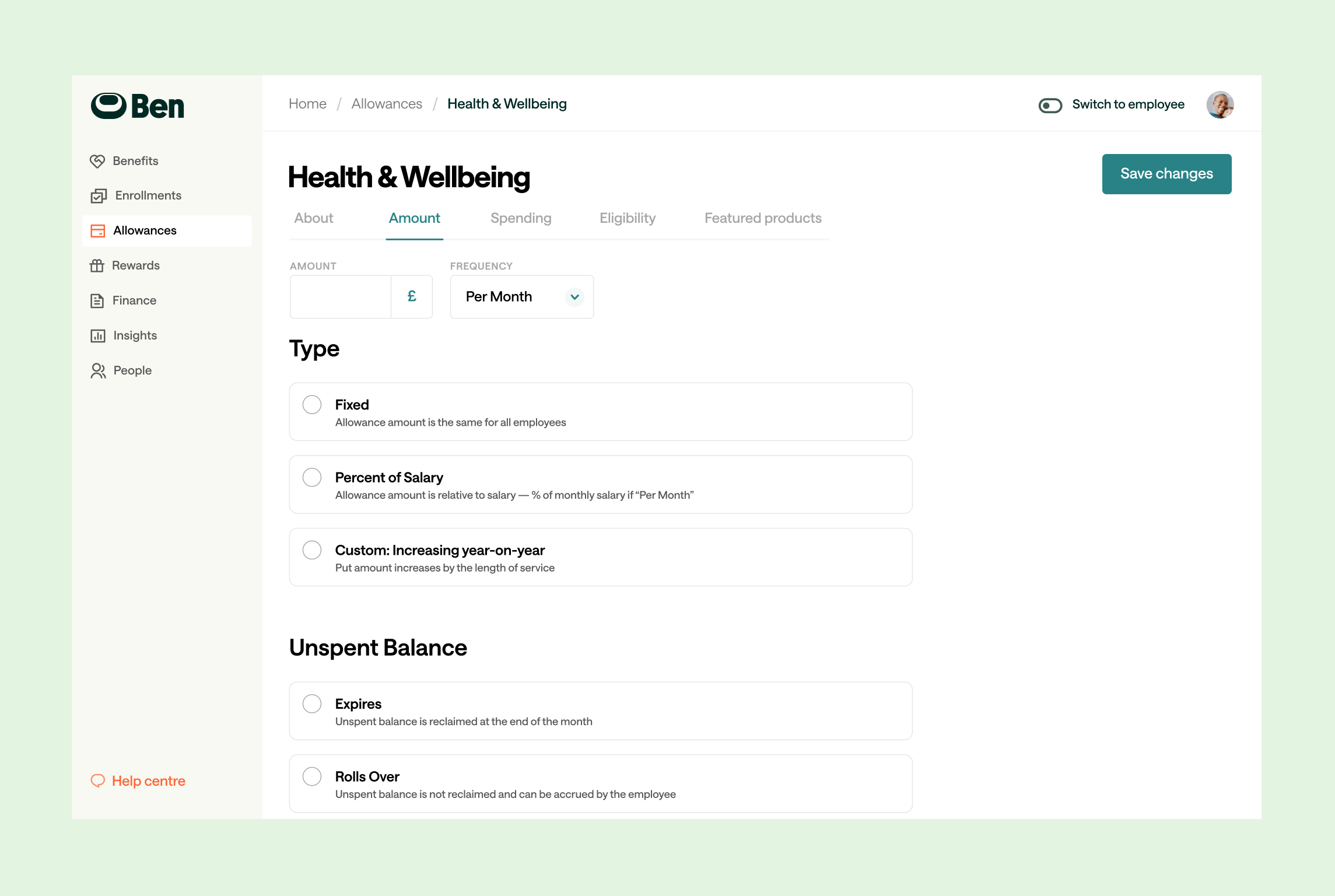
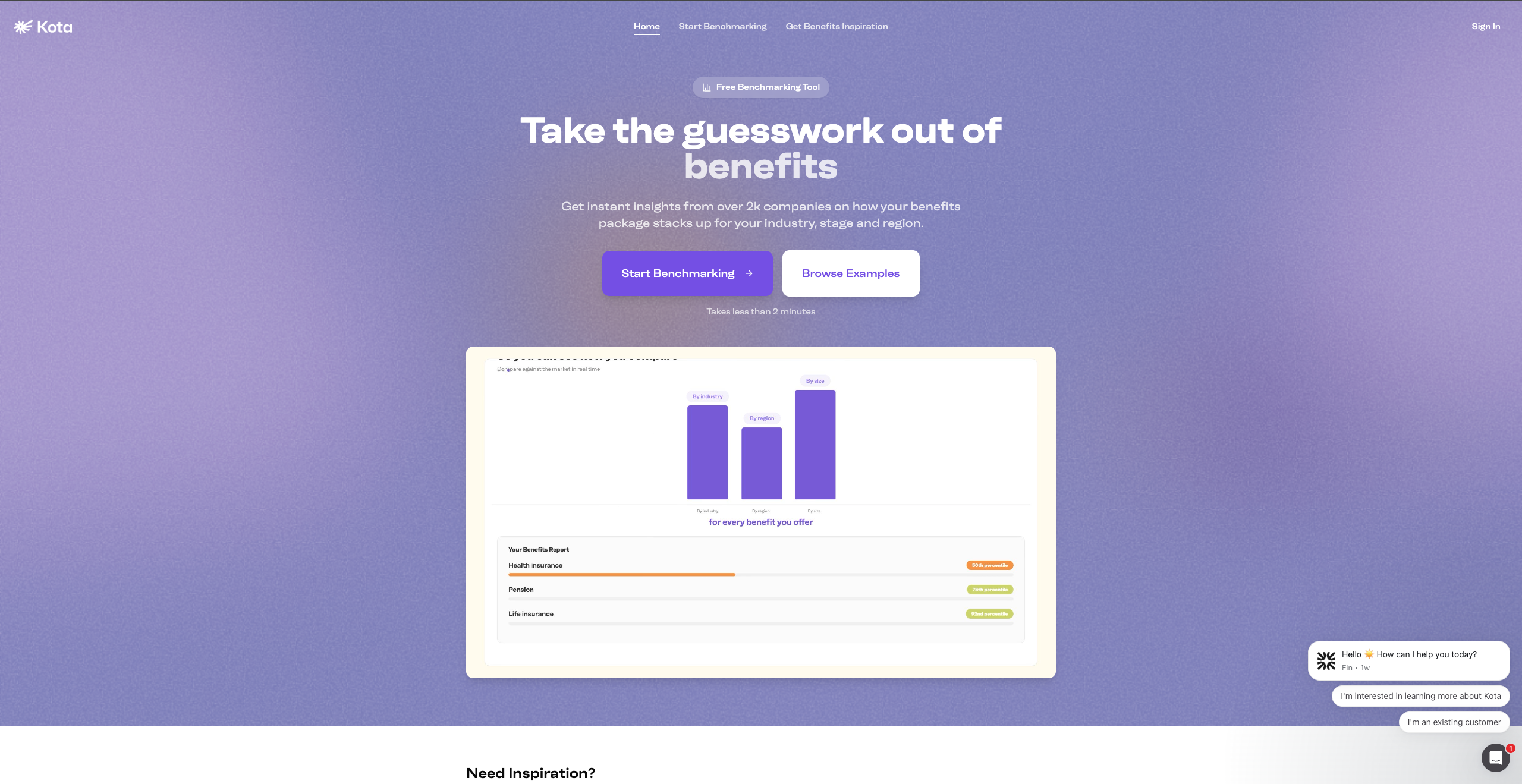
AnyPerk—which rebranded to Fond—introduced a centralized digital platform delivering curated employee discounts, corporate perks, and peer-to-peer recognition. Designed to streamline benefit administration for human resource teams while improving workplace engagement, the platform provides customizable perk catalogs, automated reward fulfillment, and real-time analytics to track employee adoption and measure overall return on investment.
The Evolution of AnyPerk: From Perk Aggregator to Enterprise Reward Ecosystem
Understanding the trajectory of AnyPerk provides valuable insight into modern employee compensation strategies. When AnyPerk launched through the Y Combinator incubator, it addressed a structural gap in the corporate benefits market: large corporations had the purchasing power to negotiate exclusive corporate discounts with major consumer brands, while small to mid-sized businesses (SMBs) lacked the volume to secure similar deals.
The Initial Launch and Disruption of SMB Benefits
Historically, managing employee perks required dedicated administrative labor. HR managers had to manually source local gym discounts, negotiate corporate rates with travel providers, and distribute physical coupons or redemption codes. This legacy process was inefficient, unmeasurable, and difficult to scale.
AnyPerk disrupted this model by aggregating buyer purchasing power. By negotiating directly with global and national vendors—spanning fitness centers, travel platforms, entertainment venues, and consumer electronics—AnyPerk enabled companies of any size to offer competitive perk packages. The platform digitalized the redemption process through a cloud-based dashboard, turning perk management into a self-service utility for employees.
Expansion and Rebranding to Fond
As corporate wellness and total reward strategies expanded, employee discounts alone proved insufficient for comprehensive workforce retention. Organizations needed mechanisms to reinforce corporate culture, recognize performance, and reward tenure.
To address these broader requirements, AnyPerk evolved its platform and rebranded as Fond in 2017. This strategic shift expanded the platform beyond passive perk redemption into active employee recognition. The modern ecosystem integrates spot rewards, peer-to-peer recognition feeds, anniversary celebrations, and customizable reward catalogs alongside traditional perk discounts. Today, HR teams view these unified benefit ecosystems as central tools for maintaining culture across hybrid, remote, and co-located workforces.
Architecture and Core Capabilities of the Benefit Platform
The AnyPerk platform architecture relies on a multi-tenant cloud framework designed for security, scalability, and ease of administration. The infrastructure connects four major operational pillars: discount aggregation, peer recognition, custom perk management, and administrative analytics.
- AnyPerk / Fond Platform Architecture
- Employees / Self-Service Portal / Mobile Application
- Core Modules:
- Perk Marketplace
- Peer-to-Peer Recognition
- Custom Perks
- Analytics & Compliance
- HR Admins / HRIS Data Sync & API Integration Layer
1. Curated Perk Marketplace and Vendor Network
The platform’s core feature remains its extensive network of pre-negotiated corporate perks. Unlike publicly available coupons or promotional codes, the marketplace focuses on exclusive, high-value savings across essential consumer categories:
- Travel and Hospitality: Preferred rates on major airline tickets, hotel chains, rental cars, and vacation packages.
- Health and Wellness: Subsidized gym memberships, digital fitness platform subscriptions, mental health apps, and wellness equipment.
- Entertainment and Events: Discounted theme park tickets, movie passes, sports events, and theatrical performances.
- Electronics and Lifestyle: Direct manufacturer discounts on computers, smartphones, home appliances, and apparel.
Vendors are vetting for redemption reliability and offer quality, minimizing dead codes or complicated multi-step redemption processes.
2. Peer-to-Peer Recognition and Social Rewards
Beyond passive discounts, the platform incorporates active engagement features through social recognition channels. Employees can publicly acknowledge colleagues for demonstrating company values, completing projects, or providing cross-functional assistance.
- Points-Based Reward Systems: Organizations can allocate monthly point budgets to managers and peers. Points can be attached to recognition posts and subsequently redeemed in the platform marketplace.
- Social Feed Integration: A company-wide social feed displays achievements, work anniversaries, and peer recognitions, driving workplace visibility and positive reinforcement.
- Global Gift Card Fulfillment: Accumulated points can be converted into gift cards for international retailers, digital subscriptions, or charitable donations.
3. Custom Internal Benefits Management
Organizations frequently offer unique internal perks—such as company-branded merchandise, parking passes, flexible Friday schedules, or executive mentorship sessions—that lie outside third-party vendor networks. The platform includes administration tools that allow HR departments to digitize, approve, and track these proprietary internal benefits alongside standard platform perks.
4. HRIS Integration and Automated User Lifecycle Controls
To maintain data integrity and security, employee benefit platforms must continuously sync with central Human Resource Information Systems (HRIS). The platform integrates with enterprise HRIS providers—including Workday, BambooHR, ADP, and Rippling—via API connections.
Automated data synchronization handles the employee lifecycle without requiring ongoing manual spreadsheet uploads:
- Onboarding Activation: When a new hire is added to the HRIS, the platform automatically provisions an active account and sends a customized welcome invitation.
- Role and Department Mapping: Administrative permissions and monthly point allocation balances are automatically mapped according to the employee’s position, location, or department.
- Offboarding Revocation: When an employee separation is processed in the HRIS, platform access and unredeemed company-funded points are instantly revoked, protecting company funds and data integrity.
Strategic Value: Benefits for HR Teams and Employees
Implementing a centralized employee benefit platform yields distinct advantages for both administrative leaders and the workforce. When evaluating compensation strategies, organizations measure impact across operational efficiency, talent acquisition, and employee retention.
Dual-Value Proposition
| HR & Leadership | Employees |
|---|---|
| Reduced Administrative Overhead | Instant Access to Perks |
| Consolidated Benefit Vendors | Real Household Financial Savings |
| Measurable Engagement Metrics (eNPS) | Unified Recognition Network |
| Automated Offboarding & Security | Mobile Self-Service Access |
HR Leadership Impact: Operational Efficiency and Retention
HR teams face increasing pressure to deliver comprehensive benefit packages without inflating overhead costs. Traditional perk management requires negotiating individual vendor agreements, auditing usage, and handling employee support inquiries.
- Administrative Consolidation: A single SaaS platform replaces dozens of vendor contracts and direct invoices with one predictable subscription model.
- Data-Driven Engagement Insights: Analytics dashboards provide real-time visibility into baseline engagement metrics. HR leaders can monitor activation rates, identify popular benefit categories, and track demographic redemption trends to optimize total reward spend.
- Retention and Culture Support: Consistent recognition and accessible perks improve overall job satisfaction, directly contributing to reductions in voluntary turnover rates.
Employee Value Proposition: Access, Savings, and Recognition
From the employee perspective, benefit platforms provide tangible financial value beyond standard base compensation and health insurance.
- Direct Cost Savings: Active users can save hundreds of dollars annually on routine expenses, ranging from cell phone plans and home internet to fitness memberships and personal travel.
- Immediate Gratification: Digital redemption codes allow employees to apply savings instantly at checkout, eliminating complex mail-in rebate forms or delayed reimbursements.
- Fairness and Transparency: A centralized platform ensures equal access to perks across remote, hybrid, and regional staff, preventing office-centric bias in benefit distribution.
Platform Comparison: AnyPerk/Fond vs. Alternative Solutions
When selecting an employee perks and recognition platform, HR leaders must evaluate feature sets, integration options, and management complexity. Below is an overview comparing AnyPerk (Fond) with alternative operational approaches.
| Feature / Metric | AnyPerk (Fond) | PerkSpot | Awardco | In-House Management |
|---|---|---|---|---|
| Primary Focus | Integrated Perks & Peer Recognition | Curated Perks & Discount Portal | Rewards & Amazon-Powered Recognition | Manual Custom Perks & Local Deals |
| Target Company Size | Mid-Market to Enterprise (100–10,000+ employees) | SMB to Large Enterprise | Mid-Market to Global Enterprise | Small Businesses (<50 employees) |
| Perk Customization | High (Custom company perks + global catalog) | Moderate (Standard catalog focus) | High (Integrates custom rewards + catalog) | Fully Custom (Limited scale) |
| HRIS API Integration | Native (Workday, ADP, BambooHR, etc.) | Standard HRIS Sync Support | Native Deep Integrations | None (Manual maintenance) |
| Recognition System | Integrated (Peer-to-peer, social feed, points) | Add-on or Secondary | Core Focus (Points, swag, rewards) | Manual (Emails, gift cards) |
| Fulfillment Model | Digital Codes & Direct Vendor Links | Direct Vendor Redemption Links | Amazon Business Fulfillment + Digital Cards | Manual Purchasing & Distribution |
| Administrative Effort | Low (Automated user provisioning) | Low | Low | Extremely High |
Strategic Considerations for Platform Selection
- Pure Discounts vs. Unified Recognition: Organizations seeking only employee discounts may find standalone discount networks adequate. However, enterprises targeting holistic engagement benefit more from platforms that combine discounts with peer recognition.
- Global Workforce Support: Global enterprises require platforms with localized currencies, international vendor networks, and multilanguage support to prevent non-U.S. employees from feeling excluded.
- Fulfillment Reliability: Modern platforms prioritize direct API redemptions over general affiliate links, ensuring discounts remain functional and exclusive.
Step-by-Step Implementation and Onboarding Framework
Deploying an enterprise employee benefit platform requires structured planning to ensure high initial adoption and seamless administrative integration. Organizations should execute rollout across four distinct phases.
- Phase 1: Discovery & Technical Prep
- Conduct Needs Assessment & Audit Existing Perks
- Configure HRIS API Data Sync & User Groups
- Phase 2: Platform Configuration & Curation
- Select Marketplace Vendor Categories
- Input Custom Internal Benefits & Branding
- Phase 3: Rollout & Employee Communication
- Executive Announcement & Manager Briefings
- Automated Welcome Emails & Live Orientation
- Phase 4: Optimization & Ongoing Governance
- Review Monthly Utilization & eNPS Data
- Adjust Catalog & Refresh Peer Point Allocations
Phase 1: Discovery and Technical Preparation
Before configuring the software, HR leaders must define program objectives and prepare the data infrastructure.
- Perk Audit: Inventory existing company benefits, vendor discounts, and voluntary insurance programs to determine which should be migrated into the platform.
- HRIS Mapping: Work with IT and database administrators to establish secure API integrations. Verify user attributes—such as hire date, office location, cost center, and managerial hierarchy—to ensure proper user provisioning.
Phase 2: Catalog Curation and Customization
Tailor the user portal to reflect corporate branding and workforce demographics.
- Brand Customization: Apply company logo, primary colors, and custom landing page banners to deliver a cohesive internal brand experience.
- Category Curation: Highlight perk categories that match employee preferences. For instance, remote workforces may prioritize home office equipment and digital streaming discounts over local transit perks.
- Custom Perk Entry: Configure internal benefits—such as tuition reimbursement guidelines, company swag redemptions, or extra time off allocations—with clear approval workflows.
Phase 3: Launch Communication and Employee Activation
Platform adoption depends heavily on the initial launch campaign. A silent launch often leads to low engagement.
- Executive Sponsorship: Launch the platform with an announcement from company leadership emphasizing the organization’s commitment to total rewards.
- Multi-Channel Marketing: Distribute onboarding instructions through internal communication channels, including email campaigns, Slack/Teams announcements, and intranet banners.
- Incentivized Activation: Offer an initial point balance or entry into a raffle for employees who complete account setup and profile creation within the first 14 days.
Phase 4: Ongoing Analytics and Program Optimization
Post-launch, management shifts toward active governance and program iteration.
- Monthly Utilization Audits: Review platform metrics to identify activation rates by department, popular redemption categories, and low-engagement teams.
- Peer Recognition Budgets: Reset monthly point balances for managers and staff to encourage continuous recognition habits.
- Employee Feedback Loops: Use pulse surveys to gather employee input regarding vendor requests, ensuring the perk catalog evolves alongside workforce needs.
Cost Models and ROI Evaluation
Evaluating an employee benefit platform requires analyzing direct software costs alongside measurable returns in employee retention, administrative efficiency, and engagement.
Pricing Structure Dynamics
Most software-as-a-service (SaaS) benefit platforms utilize one of two primary pricing structures:
- Per-Employee-Per-Month (PEPM) Subscription: The company pays a fixed fee per active employee per month to access the platform and negotiated perk marketplace. Rates typically scale down as total headcount increases.
- Hybrid Subscription plus Reward Budgeting: In addition to the base PEPM fee for the platform infrastructure, organizations allocate a monthly or quarterly reward budget. This budget funds the point system used for peer recognition and milestone awards.
Quantifying Return on Investment (ROI)
While standard employee perks represent a indirect financial benefit, ROI can be measured through clear operational key performance indicators (KPIs):
$$\text{Total Program Value} = \text{Admin Hours Saved} + \text{Voluntary Turnover Reduction Value} + \text{Realized Employee Savings}$$
- Administrative Labor Reduction: Calculate the hours HR staff previously spent negotiating, updating, and troubleshooting vendor deals. Centralizing these tasks typically frees up significant administrative bandwidth each month.
- Turnover Reduction Impact: Studies by organizations such as the Society for Human Resource Management (SHRM) demonstrate that effective recognition and total rewards programs lower voluntary turnover. Replacing an employee costs roughly 50% to 200% of their annual salary; preventing even a small number of resignations covers annual platform subscription fees.
- Value Realization Rates: Track the aggregate cash savings realized by employees across redeemed perks. High employee savings rates directly reinforce the perceived value of total compensation.
Frequently Asked Questions
What was AnyPerk, and how does it relate to Fond?
AnyPerk was an employee benefit platform launched in 2012 that provided corporate discounts to businesses of all sizes. In 2017, the company rebranded to Fond to reflect its expanded feature set, which added social peer-to-peer recognition, rewards management, and custom benefit tracking alongside its traditional corporate perks catalog.
How do employees access and redeem perks on the platform?
Employees access the platform via a single sign-on (SSO) web portal or mobile app. Browse categories to select desired perks, then redeem them instantly through direct discount links, unique promotional codes, or digital vouchers usable online or in-store.
Can custom internal company perks be added to the portal?
Yes. HR administrators can create custom listings for internal, non-vendor benefits—such as flexible work arrangements, internal professional development funds, company store gift cards, or local office perks—and manage redemption requests directly within the administrative console.
How does platform onboarding work with existing HRIS software?
The platform connects to enterprise HRIS platforms via secure APIs. Once connected, user provisioning, role changes, and offboarding occur automatically based on employee status updates within the primary HRIS database.
What is a typical employee activation rate for benefit platforms?
Well-implemented benefit platforms generally achieve activation rates between 60% and 80% within the first 90 days. Higher adoption is typically driven by structured launch communications, mobile app availability, executive endorsement, and initial recognition point allocations.
Strategic Next Actions for HR Decision-Makers
To evaluate or upgrade your organization's benefit and recognition strategy, consider taking the following actions:
- Conduct a Benefit Utilization Audit: Assess current employee usage of existing corporate perks and identify gaps in overall engagement and redemption rates.
- Define Core Platform Scope: Determine whether your organization requires simple vendor discount aggregation or an integrated system combining discounts, social recognition, and automated milestone rewards.
- Review HRIS Compatibility: Verify that candidate platforms offer pre-built API integrations for your HRIS infrastructure to prevent ongoing administrative overhead.
- Request Vendor Demos and Trial Access: Evaluate platform ease-of-use, mobile accessibility, and regional perk availability for your specific geographic locations before finalizing selection.