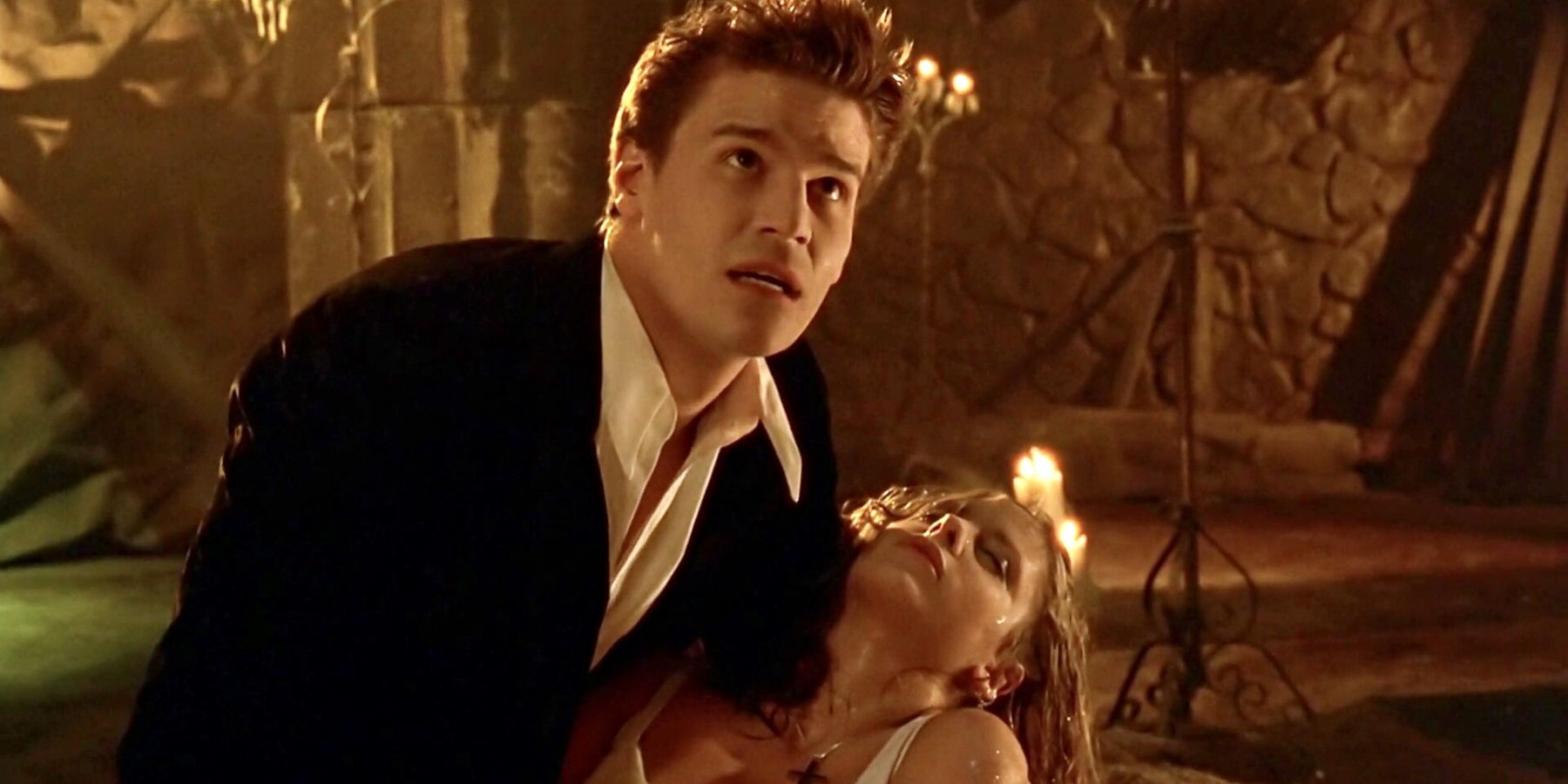
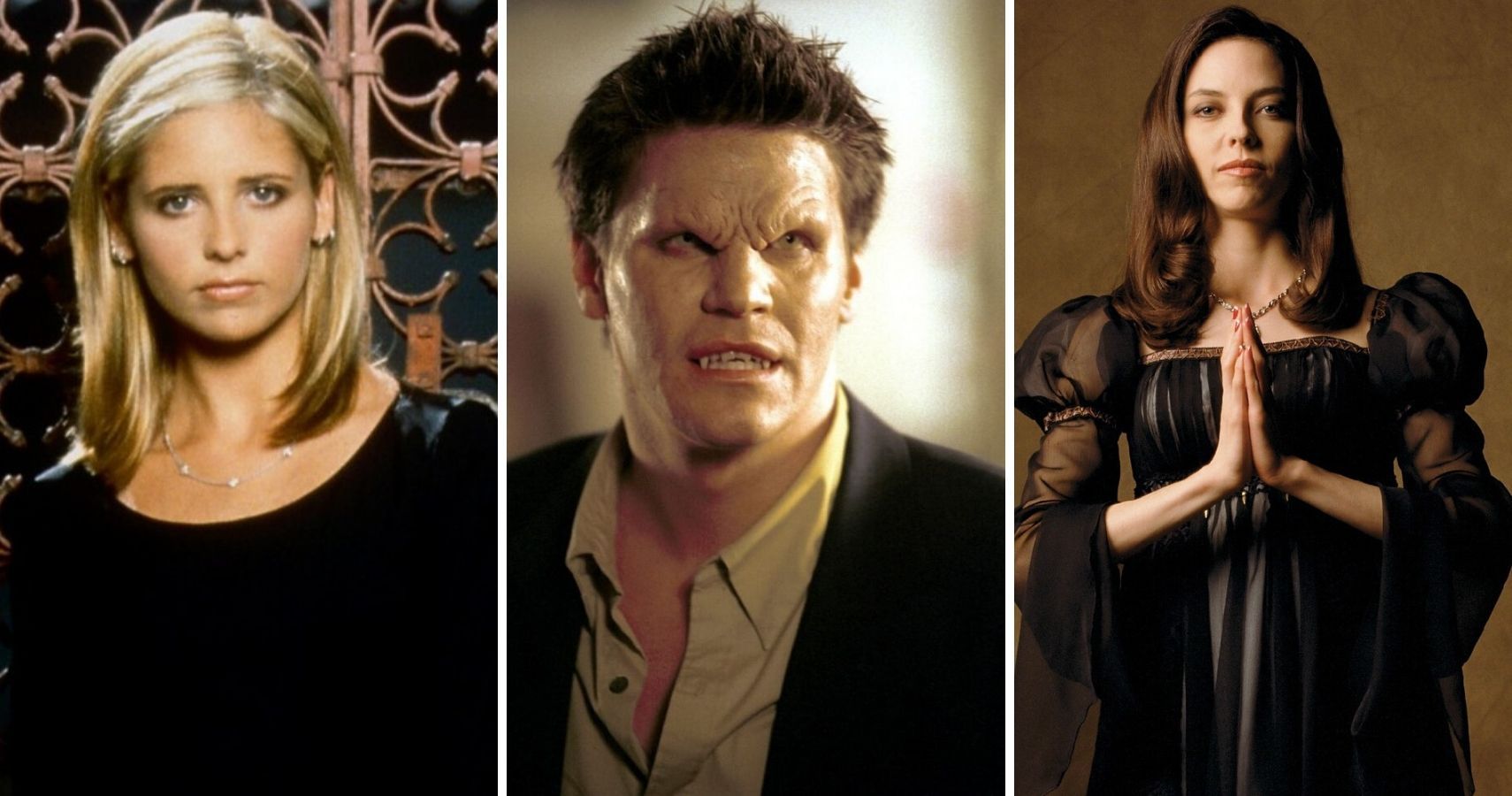
Angel first appears in the series premiere of Buffy the Vampire Slayer, titled "Welcome to the Hellmouth" (Season 1, Episode 1), which originally aired on March 10, 1997. He is introduced as a mysterious, unnamed figure who shadows Buffy Summers before revealing himself in an alleyway to offer a warning about "The Harvest."
The introduction of Angel is one of the most pivotal moments in the history of the "Buffyverse." While he is now known as the titular hero of his own five-season spin-off and a central figure in television's supernatural romance genre, his debut was intentionally shrouded in mystery. In "Welcome to the Hellmouth," the character does not even reveal his name to Buffy; he simply acts as a cryptic informant, setting the stage for a narrative arc that would span eight years of television and decades of comic book continuations.
The Narrative Context of "Welcome to the Hellmouth"
To understand the impact of Angel’s first appearance, one must look at the landscape of the series premiere. Buffy Summers has just arrived in Sunnydale, California, attempting to escape her destiny as the Vampire Slayer after burning down her previous school's gymnasium. The episode is tasked with establishing the tone of the series—a blend of high school drama and gothic horror.
Angel’s entry into the story occurs roughly halfway through the episode. As Buffy walks toward "The Bronze," the local hangout spot for Sunnydale’s youth, she senses she is being followed. Using her Slayer instincts, she lures her pursuer into a darkened alley, executes a backflip, and corners him. This immediate physical confrontation subverts the "damsel in distress" trope, establishing Buffy’s dominance while introducing a character who is clearly not a standard villain.
The Cryptic Warning
During this first meeting, Angel provides Buffy with a heavy silver cross necklace and a warning: "Point is, the Harvest is coming. You'd better be ready." When Buffy asks who he is, he responds with the enigmatic line, "A friend," before vanishing into the shadows. This interaction established several key elements of the character:
- The Look: Dressed in a long black overcoat with a brooding demeanor, he embodied the "loner" archetype.
- The Knowledge: He possessed information about the supernatural world that even Buffy’s Watcher, Rupert Giles, had not yet fully articulated.
- The Mystery: The audience was left wondering why a handsome stranger would be tracking a teenage girl to give her religious iconography.
Analyzing the Creative Choices Behind Angel’s Debut
The decision to introduce Angel in the very first episode was a strategic move by series creator Joss Whedon. At the time, the show needed a tether to the wider world of supernatural lore that existed outside of the school library.
The Subversion of the Vampire Mythos
In 1997, the "vampire with a soul" trope was not yet a mainstream television staple. By introducing Angel as a helpful, albeit mysterious, human-looking character, the writers set up a massive "twist" for later in the season. In the first episode, there is no visual indication that Angel is a vampire. He breathes, he stands in (relative) light, and he possesses a holy symbol—the cross—which traditionally repels vampires.
This creative misdirection was essential. It allowed the audience to form an emotional attachment to the character and the potential romance with Buffy before the horrifying truth of his nature was revealed in Episode 7, titled "Angel."
The Visual Language of the Alley Scene
The cinematography of Angel's first appearance utilizes high-contrast lighting and deep shadows, a hallmark of film noir. This visual style separates Angel from the bright, pastel colors of Sunnydale High, signaling to the viewer that he belongs to the "underworld" or the nocturnal side of the city. David Boreanaz’s performance in this scene is intentionally restrained, using minimal dialogue to emphasize his physical presence and the "intensity" that would become his trademark.
Casting David Boreanaz: From Dog Walker to Dark Avenger
The story of how David Boreanaz was cast as Angel is legendary in the annals of television history. As the production for the pilot approached, the casting directors were struggling to find an actor who possessed the "brooding" qualities necessary for the role. They needed someone who could be both a credible romantic lead and a terrifying monster.
A friend of casting director Marcia Shulman reportedly saw Boreanaz walking his dog in West Hollywood. He was an unknown actor at the time, with very few credits to his name. Upon bringing him in for an audition, the chemistry between him and Sarah Michelle Gellar was immediate. Whedon has noted in several retrospectives that Boreanaz had a "silent film star" quality—the ability to convey deep emotion without saying a word—which was perfect for a character who was initially written to be a man of few words.
The Evolution of Angel in Season 1
While "Welcome to the Hellmouth" was his debut, Angel's role in the first half of Season 1 remained peripheral. He was a recurring guest star rather than a series regular. His appearances were designed to provide "deus ex machina" information or to save Buffy from situations where she was outnumbered.
Key Milestones Following the Debut
- The Harvest (Season 1, Episode 2): Angel appears again to emphasize the danger of the Master’s plan, further cementing his role as a guardian.
- Teacher's Pet (Season 1, Episode 4): He continues to appear in the shadows, building the romantic tension between him and Buffy.
- Angel (Season 1, Episode 7): This is the functional "second debut" of the character, where he is forced to reveal his vampire face to Buffy to protect her. This episode provides the backstory of Liam, Darla, and the gypsy curse that restored his soul.
Comparing Angel: The Debut vs. The Legacy
Looking back from the perspective of 2026, the contrast between the Angel of the pilot and the Angel at the end of his own series (or the comic book continuations) is stark. In "Welcome to the Hellmouth," he is a cryptic messenger. By the end of the franchise, he is a complex leader, a father, and a warrior fighting a corporate apocalypse.
| Feature | Angel in "Welcome to the Hellmouth" | Angel in the Series Finale (Not Fade Away) |
|---|---|---|
| Status | Mysterious Stranger / Informant | Reluctant Leader / Champion |
| Affiliation | Independent | Wolfram & Hart (CEO) |
| Primary Weapon | Cryptic Advice / Information | Broadsword / Tactical Prowess |
| Relationship to Buffy | Watchful Protector (Stalker-esque) | Equals / Distant Comrades |
| Goal | Warn Buffy about "The Harvest" | Bring down the Senior Partners |
| Knowledge of Self | Ashamed, hiding his nature | Accepted, seeking redemption through action |
Technical Requirements for the "First Appearance"
From a production standpoint, Angel's debut required specific technical arrangements that differed from the rest of the cast. Because David Boreanaz was not a series regular during the filming of the pilot, his contract was handled differently.
- Billing: He was listed as a guest star in the end credits.
- Wardrobe: His iconic leather coat was a central part of his character design, intended to make him look timeless—neither strictly 90s nor purely historical.
- Makeup: In the pilot, we do not see the "vamp face" (prosthetics). This saved significant time in the makeup chair during the early days of production, as the prosthetic application for vampires in the series typically took 2–4 hours.
Why the First Appearance Still Matters in 2026
Decades after the show first aired, fans still revisit "Welcome to the Hellmouth" to analyze the "Bangel" (Buffy + Angel) dynamic. The chemistry present in that first alleyway scene laid the groundwork for one of the most significant fandoms in television history.
For modern viewers, Angel’s first appearance is a masterclass in character introduction. It proves that you do not need a lengthy monologue to establish a character’s importance. By giving the audience just enough information to be curious, the writers ensured that viewers would return week after week to solve the puzzle of the man in the shadows.
Frequently Asked Questions
Did Angel have his own show when he first appeared?
No. Angel was a recurring character in Buffy the Vampire Slayer for the first three seasons. Due to his immense popularity, the spin-off series Angel was created and premiered in 1999, following the conclusion of Buffy Season 3.
Does Angel reveal he is a vampire in his first appearance?
No. In "Welcome to the Hellmouth," Angel appears to be a normal human. He is even shown wearing a cross, which traditionally would burn a vampire. The show later explains that he can handle the cross because of his soul, though it still causes him discomfort, and he is often seen holding it by the chain rather than the icon itself.
What was the first thing Angel ever said to Buffy?
His first line of dialogue to Buffy was: "I'll miss the show. I think I'll close my eyes and take a nap." This was a sarcastic response to Buffy's threat to "beat him to a pulp" if he didn't stop following her.
Why did Angel give Buffy a cross in the first episode?
Angel gave Buffy the cross as a form of protection. At that point in the story, Buffy was inexperienced with the specific threats in Sunnydale. The cross served a dual purpose: it protected her from the vampires she would face at the Bronze, and it served as a narrative hint that the man giving it to her was not a typical "bad guy."
Was David Boreanaz always intended to be the lead of a spin-off?
Initially, no. Angel was supposed to be a short-term romantic interest who might even have been killed off early in the series. However, the chemistry between Boreanaz and Gellar, combined with the depth Boreanaz brought to the role, convinced the producers to expand his story and eventually give him his own series.
Summary and Next Steps
If you are a new viewer starting Buffy the Vampire Slayer, pay close attention to the nuances of Angel’s introduction in Season 1, Episode 1. Notice how he speaks, how he moves, and how the camera frames him compared to the other high school characters. His appearance is the "Patient Zero" for the brooding supernatural hero trope that dominated the 2000s and 2010s.
To fully appreciate the character's journey, follow his arc through Season 1, particularly the episode "Angel" (Episode 7), where his backstory is revealed. This provides the necessary context for everything that happens in the subsequent seasons of both Buffy and Angel. For those interested in the technical side of television, researching David Boreanaz’s transition from this guest-starring role to a series lead offers fascinating insights into how television production and fan reception can shape the destiny of a fictional character.