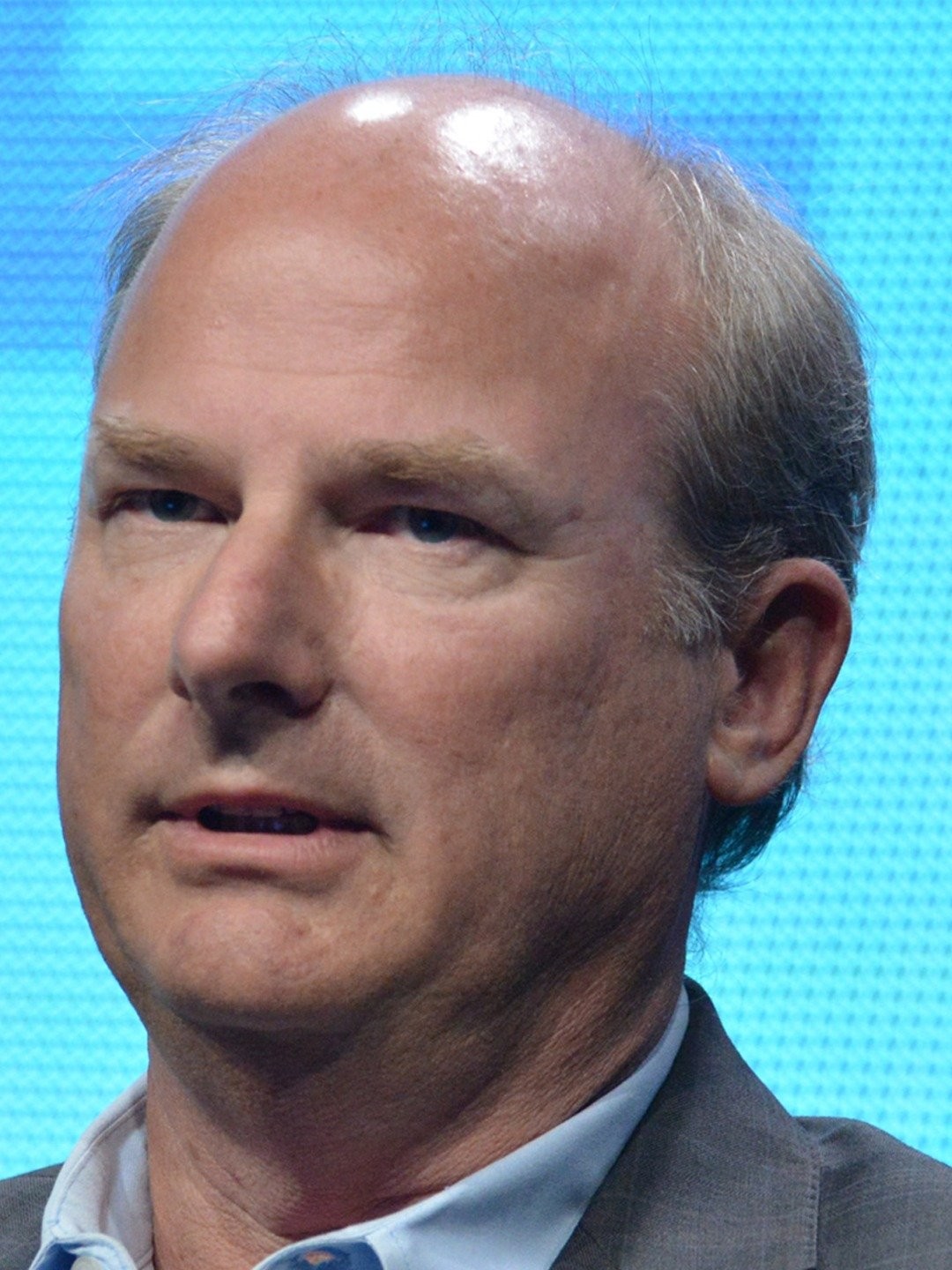
Andy Ackerman is one of the most prolific and decorated directors in American television comedy, best known for directing 89 episodes of Seinfeld and every episode of The New Adventures of Old Christine. With a career grounded in videotape editing, Ackerman revolutionized multi-camera staging, spatial blocking, and rapid-fire comedic pacing across legendary series like Cheers, Frasier, Everybody Loves Raymond, and It's Always Sunny in Philadelphia.
From the Editing Bay to the Director's Chair: The Formative Career of Andy Ackerman
Andy Ackerman’s approach to television directing is defined by a deep, fundamental understanding of post-production assembly. Unlike directors who transition to television from theatrical stage production or feature film cinematography, Ackerman began his career in the tape-editing rooms of classic 1970s and 1980s television.
- Videotape Editing / Tape Operations
- Film & Video Editor: Cheers
- Won Primetime Emmy for Editing
- Associate Director / Stage Manager
- Mainline Television Director
- Seinfeld, Frasier, Old Christine, etc.
Technical Roots in Videotape Editing on Cheers
Ackerman’s early technical work included serving as an editor on landmark series such as WKRP in Cincinnati and Cheers. Editing multi-camera television recorded on tape during the late 1970s and early 1980s required an acute eye for rhythm, reaction shots, line overlaps, and sightline continuity.
During his tenure as an editor on Cheers, Ackerman earned a Primetime Emmy Award for Outstanding Editing for a Series. This period taught him how comedy relies on split-second reaction timing. An edit executed two frames too late can deflate a joke, while cutting away too early can rob an actor of their comedic punchline.
Transitioning to the Director's Chair in Primetime Comedy
Ackerman’s transition from editor to director was a natural evolution. Having spent thousands of hours reviewing raw multi-camera camera tapes (ISOs)—the isolated video feeds captured by four simultaneous studio cameras—he possessed an intuitive knowledge of how physical blocking on stage translated into cuttable camera angles.
When he began directing episodes of Cheers in the late 1980s, his background allowed him to direct with the edit room in mind. He avoided over-shooting unnecessary coverage, focusing instead on precise camera setups that guaranteed clean cut points. This edit-first mindset made his sets remarkably efficient, saving production time while elevating the visual rhythm of network sitcoms.
The Seinfeld Era: Redefining Multi-Camera Comedy Structure
While Ackerman had established himself on Cheers and Wings, his work on NBC’s Seinfeld defined his directorial legacy. Joining the show during its sixth season to succeed Tom Cherones, Ackerman directed 89 episodes and served as a producer and executive producer during the show’s peak ratings era.
SEINFELD DIRECTORIAL ERA
- Directed 89 total episodes (Seasons 6 through 9)
- Introduced rapid cross-cutting across 3-4 parallel storylines
- Standardized high-contrast lighting & physical prop blocking
- Helmed iconic episodes: "The Soup Nazi", "The Rye", "The Yada Yada", and "The Finale"
Inheriting the Helm and Directing 89 Episodes
When Ackerman took over directorial duties on Seinfeld in 1994, the series was expanding from simple, room-based observational scenes into complex, multi-threaded narrative engines. Showrunners Larry David and Jerry Seinfeld were writing scripts with four distinct storylines per episode, requiring dozens of scene changes, complex physical gags, and elaborate guest-star setups within a standard 22-minute format.
Ackerman directed classic episodes including:
- "The Soup Nazi" – Balancing extreme character timing with high-velocity line delivery in a tight shop environment.
- "The Rye" – Coordinating elaborate physical props (a loaf of marble rye suspended from a fishing pole outside a window).
- "The Yada Yada" – Managing multiple subplots while pacing dialogue around key thematic cutaways.
- "The Finale" – Directing a complex, two-part event featuring dozens of returning guest characters, elaborate courtroom staging, and high-density audience management.
Managing Complex Multi-Threaded Narratives
Before Ackerman's tenure, multi-camera sitcoms rarely featured more than two subplots (an "A-story" and a "B-story") due to the physical limitations of four-camera studio stages. Seinfeld shattered this paradigm by intercuting three, four, or five short scenes in quick succession.
Ackerman adapted the multi-camera apparatus to handle this rapid cross-cutting. He engineered quick-change sets on the Paramount and CBS Studio Center soundstages, utilizing lighting state changes and pre-blocked camera swings to move fluidly between Jerry’s apartment, Monk's Diner, George’s office, and outdoor street standing sets. His editing background ensured that transitions between disparate subplots felt seamless rather than jarring.
Anatomy of Andy Ackerman’s Directing Methodology
Directing a multi-camera television series in front of a live studio audience requires a unique blend of live theatrical staging, real-time technical switching, and post-production choreography. Ackerman developed a signature methodology that influenced a generation of sitcom directors.
MULTI-CAMERA STUDIO STAGE LAYOUT
- Stage Sets:
- Stand-in Set A (e.g., Coffee Shop)
- Main Set: Living Room (e.g., Jerry's Apartment)
- Stand-in Set B (e.g., Office)
- Audience Area: Audience Seating
- Camera Positions:
- Camera 1 (Wide)
- Camera 2 (In-up/Cross)
- Camera 3 (In-up/Cross)
- Camera 4 (Tight/Pick)
- Control Room: Andy Ackerman (Directing/Switching)
Multi-Camera Blocking and Quad-Camera Spatial Design
In a standard multi-camera setup, four cameras operate simultaneously on pedestals along a line between the live audience and the stage sets:
- Camera 1 (Far Left): Wide master shots or cross-shots to stage right.
- Camera 2 (Center-Left): Primary medium shots and two-shots.
- Camera 3 (Center-Right): Reverse medium shots and reaction angles.
- Camera 4 (Far Right): Isolated close-ups, pick-up shots, and stage-left cross-shots.
Ackerman’s mastery lay in his spatial design. Rather than keeping actors static in "stand-and-deliver" formations, he encouraged constant, purposeful physical movement. Characters walked into shots, paced around furniture, used physical props, and interacted across foreground and background planes. Ackerman aligned camera sightlines so that as actors moved, all four cameras held clean, cuttable compositions without catching equipment or lighting gear in the frame.
Rhythm, Editing Instincts, and Audience Reaction Timing
A critical element of live-audience sitcom directing is managing the dynamic between actor delivery and audience response. Directing in front of 200 to 300 live spectators requires real-time calibration:
- Rhythm Control: If an actor speaks too quickly after a joke, the live laugh track drowns out the next line of dialogue.
- Pacing Hold: If an actor holds too long, the energy collapses.
Ackerman used his live control room monitors to direct the camera operators while simultaneously cueing actors on stage. His background as an editor allowed him to identify when a pause was natural and when it needed to be tightened in post-production. If an audience laugh went long, Ackerman would shot-list micro-reactions from other cast members to edit into the pause later, ensuring the home viewer experienced uninterrupted comedic momentum.
Working with Ensembles and Physical Comedy Precision
Ackerman earned high praise from actors for his collaborative, highly specific notes. On Seinfeld, working with physical comedy masters like Michael Richards (Kramer) and Julia Louis-Dreyfus (Elaine Benes), Ackerman recognized when to give actors wide physical berth.
For Kramer’s famous door slides and physical stumbles, Ackerman would widen Camera 1 and Camera 2 setups to ensure the full body action remained in frame, while keeping Cameras 3 and 4 zoomed in on reaction faces (Jerry or George). This dual-coverage technique ensured that both the physical visual gag and the psychological reaction were captured simultaneously in single takes.
Key Television Series Directed by Andy Ackerman
The following table outlines major television productions directed by Andy Ackerman, detailing the format, episode counts, directorial characteristics, and notable recognitions.
| Series Title | Years Active as Director | Production Format | Episodes Directed (Approx.) | Primary Directorial Characteristics & Staging Highlights | Major Awards / Nominations |
|---|---|---|---|---|---|
| Cheers | 1988–1993 | Multi-Camera (Live Audience) | 8 episodes (Also Editor) | Deep-stage ensemble blocking, fluid bar-counter tracking shots, reaction editing. | Emmy Winner (Editing); DGA Nominee |
| Wings | 1993–1995 | Multi-Camera (Live Audience) | 20+ episodes | High-pacing dialogue, small terminal set spatial coordination. | Directorial Guild Recognition |
| Seinfeld | 1994–1998 | Multi-Camera (Live Audience) | 89 episodes | Multi-thread scene intercutting, high physical comedy framing, quick scene transitions. | Primetime Emmy Winner; DGA Award Winner |
| Frasier | 1993–1997 | Multi-Camera (Live Audience) | Multi-episode guest director | High-brow theatrical blocking, door-farce spatial mechanics, classical timing. | Emmy-nominated production team |
| Everybody Loves Raymond | 1996–2005 | Multi-Camera (Live Audience) | Multi-episode guest director | Tight family-living room staging, overlapping dialogue management. | Primetime Emmy Team Recognition |
| The New Adventures of Old Christine | 2006–2010 | Multi-Camera (Live Audience) | 88 episodes (All episodes) | Solo-director consistency, physical star vehicle framing for Julia Louis-Dreyfus. | Humanitas / Emmy Nominations |
| It's Always Sunny in Philadelphia | 2009–2010 | Single-Camera | Multi-episode guest director | Handheld multi-cam style single-camera execution, dark comedic escalation. | Cable Comedy Acclaim |
| Whitney | 2011–2013 | Multi-Camera (Live Audience) | 20+ episodes | Modern studio multi-cam framing, young ensemble relationship dynamics. | Network Comedy Primetime |
Adapting Across Formats: Single-Camera Directing and Modern Cable Comedy
While multi-camera comedy formed the bedrock of his career, Ackerman demonstrated remarkable adaptability as the television landscape shifted toward single-camera formats in the late 2000s and 2010s.
| Multi-Camera Format | Single-Camera Format |
|---|---|
| • Proscenium arch stage setup | • Cinematic location or stage shooting |
| • Shot in front of live audience | • No live audience or laugh track |
| • 4 cameras recording simultaneously | • 1 to 2 cameras operating dynamically |
| • Fixed studio lighting grids | • Naturalistic / Cinematic lighting |
| • Theatre-style actor blocking | • Realist / Documentary-style motion |
Directing It's Always Sunny in Philadelphia and Curb Your Enthusiasm
Transitioning from network multi-cam to low-budget cable single-camera formats requires a major shift in directorial perspective. On It's Always Sunny in Philadelphia, Ackerman directed key episodes during Seasons 5 and 6, including "The D.E.N.N.I.S. System" and "The Gang Exploits the Mortgage Crisis."
Directing It's Always Sunny required:
- Abandoning formal studio blocking in favor of loose, handheld camera work.
- Allowing actors to improvise dialogue while keeping framing flexible enough to catch unscripted beats.
- Maintaining rapid narrative momentum without relying on studio audience laugh pauses.
Ackerman’s experience on Seinfeld—which shared a similar cynical comedic DNA—allowed him to fit right in with the Sunny cast. He translated their chaotic energy into clear visual storytelling without sacrificing their unrefined aesthetic.
The Evolution from Studio Audiences to Location-Based Satire
In traditional multi-camera sitcoms, the director acts much like a theatrical stage director during rehearsal week, and a live broadcast director during shoot night. In single-camera television, the director acts more like a feature film director, focusing on single-lens selection, depth of field, location lighting, and specific camera placement for every setup.
Ackerman successfully bridged this gap by bringing his instinct for comedy editing into the single-camera space. Even when shooting on location with a single camera, he blocked scenes so that cut points were obvious, avoiding excessive takes and ensuring that scenes retained the punchy momentum of a traditional sitcom.
Industry Recognition, Awards, and Lasting Influence on TV Directing
Andy Ackerman’s career achievements have been formally recognized by major television and directorial governing bodies:
- Primetime Emmy Awards: Won for Outstanding Comedy Series (Seinfeld, as producer/director) and Outstanding Individual Achievement in Editing for a Series (Cheers). He earned numerous additional nominations for Outstanding Directing for a Comedy Series.
- Directors Guild of America (DGA) Awards: Won the DGA Award for Outstanding Directorial Achievement in Comedy Series multiple times for Seinfeld, alongside multiple nominations spanning three decades.
ACKERMAN'S DIRECTORIAL LEGACY
- Pacing Innovation: Fast-paced intercutting of 4+ subplots per episode
- Spatial Staging: Dynamic multi-camera blocking with deep focus
- Format Versatility: Seamless transition from multi-cam to single-cam
Influence on Modern Comedy Directors
Ackerman’s work set the modern industry standard for multi-camera television production. Before his peak era, multi-cam shows were often criticized for looking static or theatrical. Ackerman proved that multi-camera television could be visually dynamic, filmic, and narrative-dense.
Directors working in modern network and streaming multi-cam formats—such as those at Netflix, CBS, and Warner Bros.—continue to utilize Ackerman’s staging blueprints:
- Moving actors deep into the set foreground.
- Utilizing active lighting grids that allow 360-degree stage rotation.
- Shooting wide physical comedy and tight facial reactions simultaneously.
Essential Key Takeaways for Aspiring Television Directors
For directors, editors, and students of film and television, Andy Ackerman’s career yields several timeless technical lessons:
- Master the Edit Before You Direct: Understanding post-production pacing is the single greatest asset a director can have. Directing with clear cut points in mind saves budget, speeds up production days, and ensures comedic timing survives into the final master cut.
- Block for Depth, Not Just Width: Avoid lining actors up parallel to the camera line. Stage scenes along diagonal axes, utilizing foreground props, seated actors, and background walk-throughs to create dynamic visual layers.
- Protect Physical Comedy Space: When an actor performs physical gags, ensure at least one camera captures their entire body from head to toe. Cutting off physical movement with tight close-ups ruins visual slapstick.
- Respect the Audience Rhythm: In live-audience setups, train actors to ride the wave of audience laughter without dropping character focus or stepping on upcoming punchlines.
- Adapt to the Narrative Format: Whether handling a classic proscenium multi-camera setup or a chaotic handheld single-camera shoot, tailor camera movement to match the core tone of the script.
Frequently Asked Questions
What is Andy Ackerman best known for in television directing?
Andy Ackerman is best known for directing 89 episodes of the hit NBC sitcom Seinfeld, as well as directing all 88 episodes of The New Adventures of Old Christine. He is widely celebrated for his mastery of multi-camera blocking, fast comedy pacing, and transitioning seamless edit-room logic to multi-camera production sets.
How did Andy Ackerman’s editing background affect his directing style?
Because he began his career as an Emmy-winning videotape editor on shows like Cheers, Ackerman directed scenes with a precise clear vision of how they would be assembled in post-production. This allowed him to block scenes efficiently, shoot exact camera angles needed for reaction shots, and maintain crisp comedic pacing without over-shooting extra footage.
Did Andy Ackerman direct both multi-camera and single-camera television shows?
Yes. While Ackerman built his reputation as a master of the multi-camera studio format (Seinfeld, Cheers, Frasier, The New Adventures of Old Christine), he successfully adapted to single-camera television, directing episodes for critically acclaimed cable series like It's Always Sunny in Philadelphia and Curb Your Enthusiasm.
How many episodes of Seinfeld did Andy Ackerman direct?
Andy Ackerman directed 89 episodes of Seinfeld, taking over primary directorial duties starting in Season 6 and directing through the show's ninth and final season, including famous episodes like "The Soup Nazi", "The Rye", "The Yada Yada", and "The Finale".
What awards has Andy Ackerman won for television directing and editing?
Ackerman has won multiple Primetime Emmy Awards (including Outstanding Comedy Series for Seinfeld and Outstanding Editing for Cheers) and Directors Guild of America (DGA) Awards for Outstanding Directorial Achievement in Comedy Series.
Practical Next Steps for TV Directing Students and Industry Practitioners
To study and apply Andy Ackerman’s television directing techniques in modern film and video production, consider the following practical steps:
- Conduct a Multi-Camera Cut Analysis: Select a classic episode of Seinfeld directed by Ackerman (such as "The Soup Nazi" or "The Rye"). Mute the audio and track the cut frequency between Cameras 1 through 4. Note how cuts correspond precisely to actor movements, eye-line shifts, and punchline deliveries.
- Practice Diagonal Spatial Blocking: When staging a scene with three or more characters, avoid placing them along a straight horizontal line facing the camera. Practice blocking them along a diagonal triangle—placing one character foreground-left, one midground-center, and one background-right—to test how camera angles capture depth.
- Study Multi-Threaded Script Construction: Analyze how Ackerman transitions between multiple storylines within a 22-minute script. Practice writing shot lists for quick-cut transitions that use visual audio bridges (e.g., matching physical gestures or sound effects between scenes) to keep disparate storylines moving together.
- Review DGA and Television Academy Archives: Explore archived interviews and oral histories from the Directors Guild of America and the Academy of Television Arts & Sciences featuring Andy Ackerman to gain deeper technical insights into set management, studio control room switching, and actor-director communication.