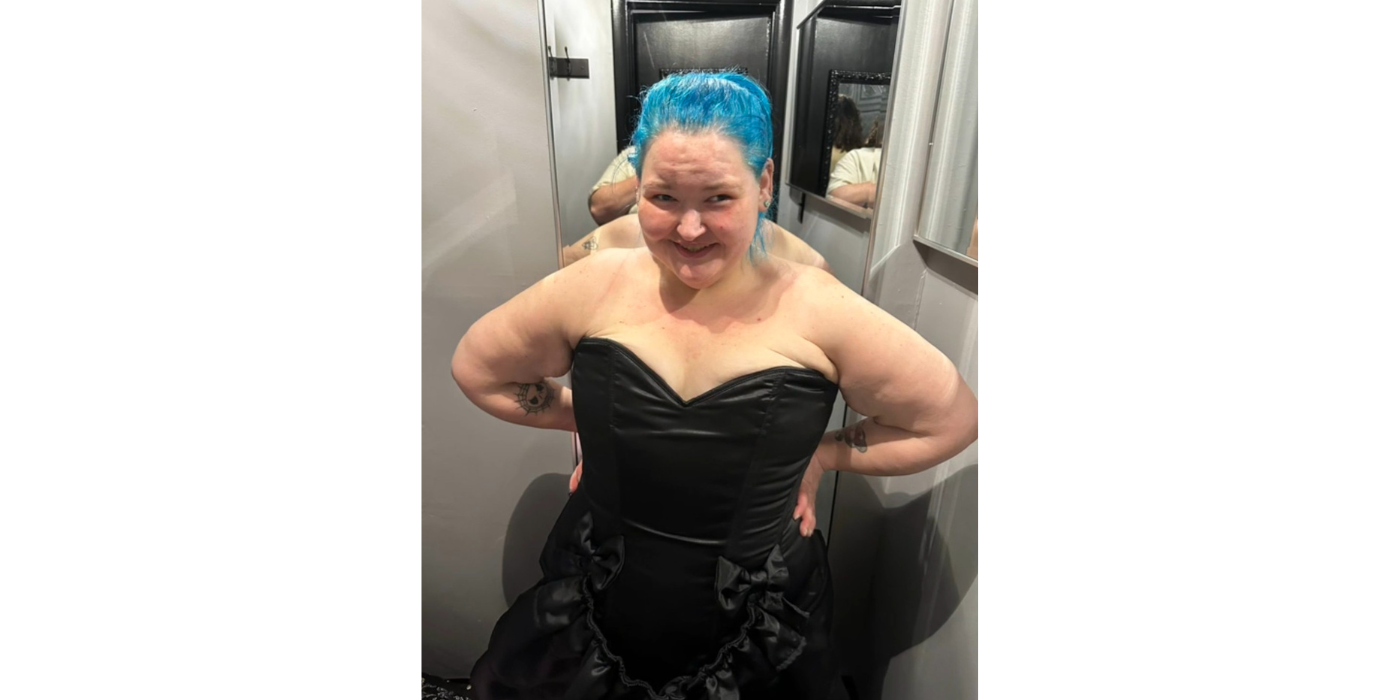
Amy Slaton’s heaviest recorded weight was 406 pounds, a figure documented at the beginning of her television career on TLC’s hit series 1000-lb Sisters. Since reaching that peak, Slaton has undergone a transformative health journey, losing over 170 pounds through bariatric surgery, dietary changes, and the physical demands of motherhood.
Understanding Amy Slaton’s Starting Point
When the world first met Amy Slaton in early 2020, she was at a critical crossroads regarding her health. At 406 pounds, Amy was classified as morbidly obese, a condition that carried significant risks for her long-term well-being. Unlike her sister Tammy, who started the series at over 600 pounds, Amy’s weight allowed her slightly more mobility, but it was nonetheless a life-threatening baseline.
At 406 pounds, Amy faced numerous physiological challenges. Her Body Mass Index (BMI) was far above the healthy range, putting immense pressure on her joints, heart, and respiratory system. Furthermore, Amy lives with a condition called toxoplasmosis, which has left her legally blind. The combination of her weight and her vision impairment made everyday tasks—and the prospect of a traditional exercise regimen—exceptionally difficult.
The 406-pound mark was more than just a number; it was the catalyst for her decision to pursue gastric bypass surgery. For Amy, the primary motivation wasn't aesthetic. Her driving force was the deep-seated desire to become a mother, a goal that her doctors warned would be nearly impossible and highly dangerous at her starting weight.
The Path to Bariatric Surgery
To qualify for bariatric surgery, specifically a Roux-en-Y gastric bypass, Amy could not simply walk into an operating room at 406 pounds. Most surgical programs require patients to demonstrate their commitment to lifestyle changes by losing a specific amount of weight through diet and exercise before the procedure.
Dr. Charles Procter, the bariatric surgeon featured in the early seasons of the show, tasked Amy with losing weight to prove she could adhere to a strict nutritional protocol. The "pre-op diet" is typically high-protein and very low-carbohydrate, designed to shrink the liver. In morbidly obese patients, an enlarged liver can obstruct the stomach, making the surgery significantly more dangerous.
Amy successfully dropped from 406 pounds to approximately 360 pounds to meet the requirements for surgery. This initial loss of nearly 50 pounds was a crucial milestone, proving that she could overcome the emotional eating habits that had contributed to her peak weight.
The Science of Amy's Gastric Bypass
The procedure Amy underwent, gastric bypass, works through two primary mechanisms:
- Restriction: The surgeon creates a small pouch at the top of the stomach, limiting the amount of food the patient can consume.
- Malabsorption: By rerouting the small intestine, the body absorbs fewer calories and nutrients from the food that is eaten.
Following the surgery, Amy’s weight loss accelerated. The surgery also altered her "hunger hormones," specifically ghrelin, which often helps patients manage the intense cravings that frequently lead to weight regain in the early stages of a weight loss journey.
Pregnancy and Weight Fluctuations
One of the most significant complications in Amy Slaton’s weight loss timeline was her decision to get pregnant sooner than medically advised. Bariatric surgeons generally recommend waiting 12 to 18 months after surgery before conceiving to allow the body to stabilize and to ensure the fetus receives adequate nutrition.
However, shortly after her surgery, Amy became pregnant with her first son, Gage. This period introduced a complex set of challenges:
- Nutritional Competition: The body was trying to lose weight while simultaneously needing to support a developing pregnancy.
- Cravings and "Eating for Two": The psychological battle of maintaining a "bariatric diet" while dealing with pregnancy cravings led to a slowdown in her weight loss.
- Physical Strain: The added weight of pregnancy, combined with her existing frame, put additional stress on her body.
Despite these risks, Amy managed to maintain much of her progress. After Gage was born in late 2020, she continued her journey, eventually reaching a low of approximately 275 pounds. This marked a total loss of 131 pounds from her heaviest weight.
The cycle repeated with her second son, Glenn, born in 2022. While Amy did experience fluctuations during this time, her commitment to remaining mobile for her children served as a new form of motivation that didn't exist when she was at 406 pounds.
Comparative Weight Metrics: Amy vs. Tammy
To understand the scale of Amy’s journey, it is helpful to view her progress in the context of the show’s overall narrative. While Amy was the first to find success with surgery, her sister Tammy’s journey followed a much more volatile path before reaching a breakthrough.
| Metric | Amy Slaton | Tammy Slaton |
|---|---|---|
| Peak Weight | 406 lbs | 725 lbs |
| Starting Show Weight | 406 lbs | 605 lbs |
| Surgery Status | Gastric Bypass (2019) | Gastric Bypass (2022) |
| Lowest Reported Weight | ~230 lbs (Est. 2025/2026) | ~285 lbs (2024) |
| Primary Health Motivation | Motherhood/Fertility | Survival/Mobility |
| Total Loss from Peak | ~176 lbs | ~440 lbs |
As of 2026, both sisters have achieved remarkable results, though Amy’s journey was characterized by a faster initial start and more moderate, steady fluctuations due to her lifestyle as a mother of two.
Mental Health and Lifestyle Maintenance
Weight loss at this level is rarely a linear process, and for Amy, mental health has played a massive role in her ability to keep the weight off. In the years following her peak weight of 406 pounds, Amy faced significant life changes, including a high-profile divorce from Michael Halterman.
Stress is a well-known trigger for emotional eating, especially for individuals who have struggled with food addiction. During the filming of later seasons, viewers saw Amy navigate the pressures of being a single mother while managing her mental health. The "weight" of these emotional burdens can often be more difficult to manage than the physical pounds.
Experts in bariatric medicine emphasize that surgery is merely a "tool," not a permanent fix. To avoid returning to 400+ pounds, Amy has had to focus on:
- Protein-First Nutrition: Ensuring that every meal prioritizes lean protein to maintain muscle mass and satiety.
- Dumping Syndrome Awareness: Avoiding high-sugar foods that cause "dumping syndrome," a painful reaction common in gastric bypass patients.
- Active Parenting: Using the physical demands of raising two young boys as a natural form of daily exercise.
- Support Systems: Relying on therapy and family support to address the underlying causes of her initial weight gain.
Current Status in 2026
Entering 2026, Amy Slaton remains a public figure who continues to share her life openly. While she has moved far away from her heaviest weight of 406 pounds, she has been candid about the fact that she is not "done" with her health journey. Weight maintenance is a lifelong commitment, particularly for those who have undergone bariatric procedures.
Social media updates and recent television appearances suggest that Amy has maintained a weight in the mid-200s. While some critics point to her fluctuations, bariatric specialists often view her journey as a success. Maintaining a loss of over 150 pounds for more than five years is a statistical feat that significantly reduces the risk of stroke, heart disease, and type 2 diabetes.
Amy's journey has also shifted toward body positivity and skin removal considerations. After losing such a massive amount of weight, many patients are left with significant excess skin, which can cause physical discomfort and hygiene issues. In 2026, the focus for Amy appears to be on stabilizing her mental health and considering the final surgical steps of her physical transformation.
Common Obstacles in Maintaining Weight Loss
Amy’s journey highlights several obstacles that are common for people who start at a weight exceeding 400 pounds:
1. The "Plateau" Effect
After the initial rapid weight loss following surgery, the body often hits a plateau. The metabolism adjusts to the lower caloric intake, and the weight stops dropping. Amy experienced several plateaus, particularly during her pregnancies, which required her to recalibrate her activity levels.
2. Emotional Resilience
Losing weight changes how the world perceives an individual, and it changes how the individual perceives themselves. For Amy, shedding the "406-pound persona" involved redefining her identity as more than just the "heavier sister" or a "food-vlogger."
3. Accessibility and Resources
Living in a rural area can sometimes limit access to specialized bariatric nutritionists and fitness facilities. Amy’s success was aided by the resources provided through the show, but maintaining that progress requires a proactive approach to finding healthy options in her local environment.
Summary of Key Milestones
To summarize Amy Slaton's weight history, we can look at the defining moments of her journey:
- The Peak (2019): 406 lbs. Amy is at her highest weight, struggling with fertility and mobility.
- The Qualification (Late 2019): 360 lbs. Amy loses enough weight to prove she is a candidate for surgery.
- Post-Surgery Success (2020): ~290 lbs. The initial "honeymoon phase" of weight loss post-bypass.
- First Pregnancy (2020-2021): ~275-285 lbs. Weight stabilizes despite the arrival of Gage.
- Second Pregnancy (2022): Small fluctuations occur as Glenn is born.
- Maintenance Phase (2023-2026): Amy navigates life changes (divorce, single motherhood) while keeping her weight significantly lower than her 406-lb starting point.
Frequently Asked Questions
What was the specific surgery Amy Slaton had?
Amy Slaton underwent a Roux-en-Y gastric bypass. This procedure involves creating a small stomach pouch and bypassing a portion of the small intestine. It is considered the "gold standard" for bariatric surgery due to its effective combination of restrictive and malabsorptive properties.
Did Amy Slaton gain all her weight back after pregnancy?
No, Amy did not gain all her weight back. While she did experience some fluctuations—which are normal during and after pregnancy—she has successfully stayed well below her starting weight of 406 pounds. As of 2026, she has maintained a total loss of roughly 150 to 170 pounds.
Why was Amy able to get surgery before Tammy?
Amy was able to get surgery first because she demonstrated a more immediate ability to follow the doctor’s diet plan and lose the initial "goal weight." Tammy struggled significantly more with food addiction and respiratory issues, which made her a higher-risk patient for anesthesia and surgery at that time.
How does Amy Slaton's blindness affect her weight loss?
Amy’s legal blindness (due to toxoplasmosis) prevents her from driving and limits certain types of outdoor exercises. This means she has to be more creative with her physical activity, often focusing on indoor movements, dancing, or playing with her children to stay active.
Has Amy Slaton had skin removal surgery yet?
As of early 2026, Amy has discussed the desire for skin removal surgery (excess skin on the abdomen and arms), but her primary focus has been on her children and her mental health following her divorce. Skin removal is usually recommended only after a patient has maintained a stable weight for at least a year.
What is Amy Slaton's diet like now?
Amy's diet focuses on high-protein, low-sugar intake. Gastric bypass patients must prioritize protein to prevent muscle wasting. While she has shared "cheat meals" on social media, her long-term success depends on a baseline of lean meats, vegetables, and staying hydrated while avoiding carbonated beverages which can stretch the stomach pouch.
Practical Takeaway for Readers
Amy Slaton’s journey from 406 pounds to her current status is a testament to the fact that while bariatric surgery is a powerful tool, it requires constant maintenance. For those looking to mirror her success, the key takeaway is the importance of a "why." Amy’s "why" was her children. Whether you are starting at 400 pounds or 200 pounds, identifying a core motivation beyond just the number on the scale is often what determines long-term success.
If you are considering a similar path, your next action should be to consult with a primary care physician to discuss a referral to a bariatric specialist. They can provide a comprehensive evaluation of your BMI, metabolic health, and psychological readiness for a journey similar to Amy’s.