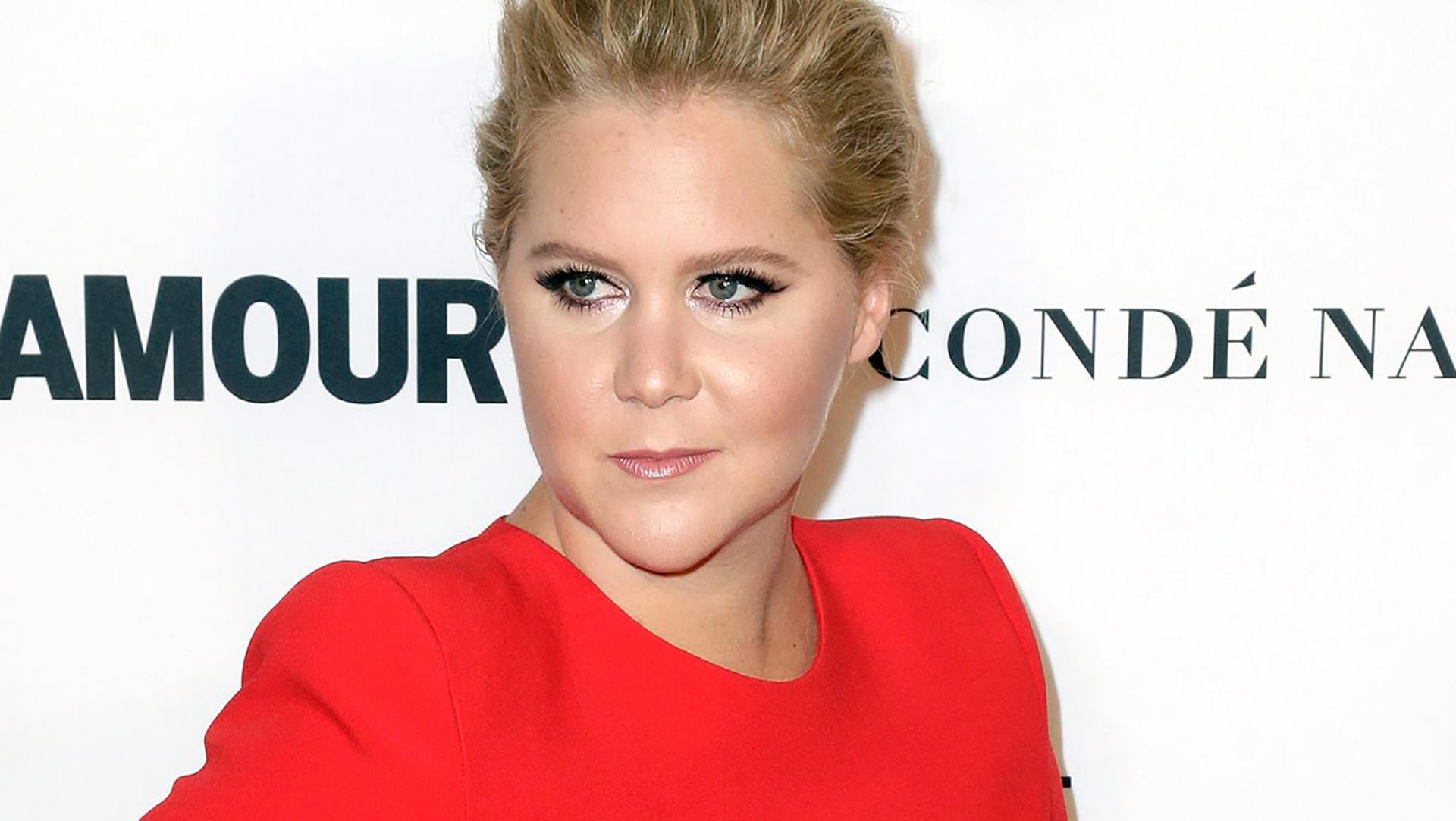
The Amy Schumer nipple controversy centers on a 2017 incident during the Golden Globe Awards, where a brief, accidental wardrobe malfunction became the subject of widespread tabloid speculation and social media scrutiny. The event highlighted ongoing debates regarding celebrity privacy, the hyper-focus on female bodies in entertainment, and the public’s role in normalizing or critiquing accidental exposure.
The Origin of the Incident: Contextualizing the 2017 Golden Globes
In early 2017, comedian and actress Amy Schumer attended the Golden Globe Awards. During the red-carpet proceedings and subsequent event coverage, a minor wardrobe malfunction occurred, resulting in a brief moment of unintended exposure. While such incidents are historically common in high-profile entertainment events—often due to the structural complexity of couture garments—this specific instance triggered a disproportionate amount of media discourse.
At the time, Schumer was at the height of her mainstream popularity, with her sketch series Inside Amy Schumer and her film Trainwreck having cemented her status as a bold, outspoken, and frequently subversive voice in Hollywood. This status made her a magnet for both intense fandom and rigorous, often critical, observation by gossip outlets and digital media platforms. The "nipple controversy," as it was labeled by various online publications, was not merely a report on a costume failure; it served as a focal point for a broader discussion about how audiences and media critics interact with women’s bodies in the public eye.
The Mechanics of Celebrity Wardrobe Malfunctions
Wardrobe malfunctions, a term popularized by the 2004 Super Bowl halftime show, refer to the unintended exposure of body parts due to clothing failure. In the context of celebrity red carpets, these incidents often result from the intersection of high-fashion construction and the frantic, fast-paced nature of press events.
Fashion houses often provide celebrities with garments that are not designed for long-term comfort or stability but rather for visual impact. Materials such as silk, chiffon, and heavy embellishments, combined with internal corsetry or adhesive supports, create fragile systems. When these systems fail—due to movement, friction, or simple physics—the result is an "exposure." For public figures, the fallout is rarely about the clothing; it is about the scrutiny of the body underneath. The discourse surrounding Amy Schumer’s incident demonstrated the tendency for digital media to treat these moments as "news," fueling a cycle of clicks and commentary that often ignores the human element of the individual involved.
Analyzing the Media Response and Public Discourse
The reaction to the incident was segmented into two distinct categories: the tabloid machine and the feminist critique. The tabloids focused on the "oops" factor, utilizing the incident to drive engagement through headlines that highlighted the mishap. This aligns with a historical precedent in celebrity journalism where women’s physical vulnerabilities are commodified for entertainment.
Conversely, a wave of social media commentary and cultural critique defended Schumer. Many observers noted that the hyper-fixation on a stray nipple underscored a double standard. While male celebrities are rarely scrutinized for the mechanics of their clothing, female celebrities are subjected to constant surveillance. The "controversy" became an exercise in reclaiming the narrative. Schumer, known for her self-deprecating humor and willingness to address body politics, did not shy away from the topic. By refusing to treat the incident as a source of shame, she effectively neutralized the "scandal" that outlets were attempting to manufacture.
The Evolution of Red Carpet Culture
To understand why such incidents garner attention, one must look at the evolution of red-carpet culture. By 2017, the rise of high-definition photography and instant social media sharing had created an environment where a fraction of a second of video or a single frame of a photo could be scrutinized, zoomed in on, and disseminated globally.
This level of surveillance has forced a change in how stylists and celebrities prepare for public appearances. Today, the "red carpet industry" involves intense planning, including:
- Structural Engineering: Using high-grade body tape, custom-fitted undergarments, and hidden fasteners.
- Movement Testing: Actors are often coached on how to walk, sit, and wave without disturbing the integrity of the garment.
- Safety Backup: Stylists are almost always on standby for immediate repairs, though these measures cannot account for every angle or movement.
Despite these precautions, the "controversy" model remains a staple of entertainment news. It serves as a reminder that the public, enabled by digital tools, maintains a persistent, often invasive, interest in the physical reality of stars.
Comparative Analysis: Wardrobe Mishaps in Pop Culture
The following table contextualizes the Schumer incident alongside other notable historical wardrobe occurrences to illustrate the varying levels of public and media response.
| Incident | Year | Context | Public/Media Sentiment |
|---|---|---|---|
| Janet Jackson | 2004 | Super Bowl Halftime | High moral outrage, regulatory backlash |
| Amy Schumer | 2017 | Golden Globes | Polarized: tabloid fixation vs. feminist critique |
| Jennifer Lawrence | 2013 | SAG Awards | Media focused on "charm" despite dress issues |
| Various Actors | Ongoing | Cannes/Oscars | High scrutiny of "risqué" fashion choices |
Note: Data derived from media archives and public cultural records; sentiment analysis is based on retrospective cultural observation.
The Intersection of Comedy and Body Autonomy
Amy Schumer’s career has been fundamentally built on the premise of body autonomy. By talking openly about her appearance, her experiences with dating, and the expectations placed on women, she created a brand that is resistant to the traditional mechanisms of celebrity shaming.
When the nipple controversy arose, the disconnect between the "scandalized" tone of the media and Schumer's own lack of reaction was stark. For the audience, this was an educational moment in modern media literacy. It taught viewers to question the source of the "outrage." Is an accidental exposure genuinely news, or is it a byproduct of a celebrity culture that treats women’s bodies as public property? By framing the incident as a non-event, Schumer denied the media the ability to transform a wardrobe failure into a moral failure.
Addressing the Risks of Digital Scrutiny
For public figures, the risk of a "malfunction" is now an inherent part of the job description. The digital age has removed the "forgetting curve" of the past. Once an image of an exposure is uploaded, it exists in perpetuity. This creates a psychological burden for celebrities who must balance the desire for aesthetic expression with the fear of permanent digital documentation of a minor accident.
The consequences of this are not just professional but personal. The constant fear of being "caught" in a compromising position affects how celebrities interact with their fans and the press. The Amy Schumer incident serves as a primary example of how an actor can navigate this minefield. Her approach—prioritizing her work and her comedy over the temporary noise of a digital news cycle—provides a blueprint for managing the loss of privacy inherent in the celebrity experience.
Frequently Asked Questions (FAQ)
1. Was the Amy Schumer nipple incident a calculated publicity stunt? There is no evidence to suggest the incident was planned. Wardrobe malfunctions are common in high-pressure red-carpet environments. It is widely regarded as a genuine, accidental occurrence caused by the structural limitations of the evening wear she was using at the time.
2. How did Amy Schumer respond to the media coverage? Schumer largely ignored the attempt to frame the event as a scandal. She maintained her focus on her professional commitments and continued to use her platform to advocate for body positivity and feminist issues, effectively signaling that the incident did not carry the weight the media attributed to it.
3. Why do wardrobe malfunctions still generate media headlines? These incidents generate clicks and engagement because they tap into a voyeuristic element of celebrity culture. When a high-profile figure experiences a mishap, it creates a momentary "humanizing" effect that some outlets exploit for traffic, regardless of the trivial nature of the event.
4. What does this reveal about celebrity fashion trends? The focus on these incidents highlights the tension between the artistic risks taken by designers and the practical realities of wearing those garments in public. As technology has made the dissemination of these images faster, the industry has become more vigilant, yet the physical constraints of complex fashion remain a persistent challenge.
5. Is there a gendered double standard regarding such controversies? Yes. Cultural critics often point out that while male celebrities may face ridicule for their fashion choices, women are scrutinized with a level of intensity that often borders on harassment. The "wardrobe malfunction" narrative is almost exclusively applied to female celebrities, reinforcing a disproportionate focus on their physical forms.
Recommendation for Further Understanding
To gain a clearer perspective on this event, it is helpful to look past the tabloid headlines and toward the broader context of media consumption. The "Amy Schumer nipple controversy" serves less as a story about a specific actor and more as a reflection of the digital media industry's business model. To avoid contributing to the cycle of invasive coverage, audiences are encouraged to prioritize the professional contributions of public figures over the unintentional, ephemeral mistakes that inevitably occur during high-profile events. The most effective way to address these manufactured controversies is to shift focus toward substantive criticism and move away from the culture of digital surveillance.