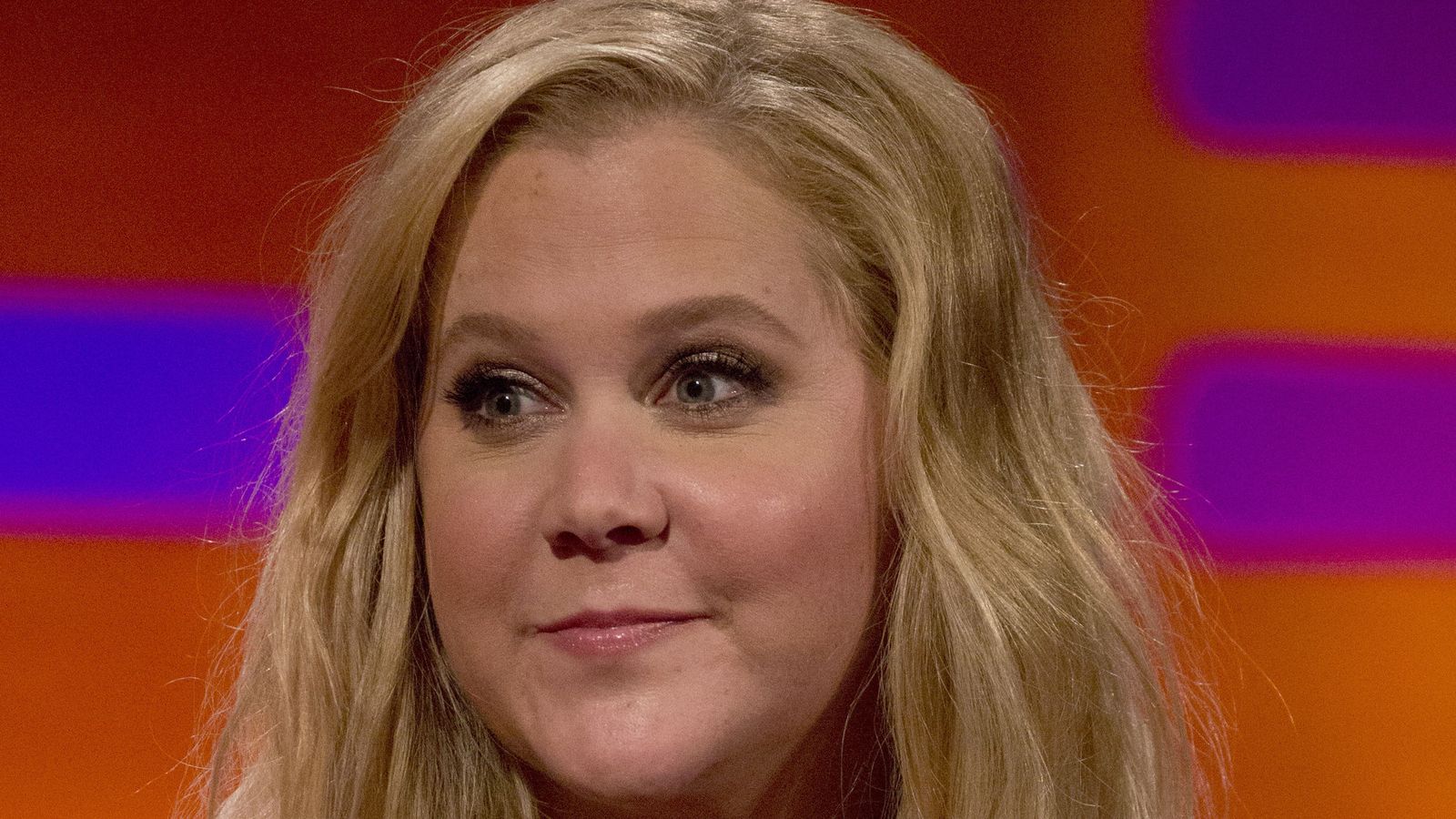
Amy Schumer’s public persona is defined by a consistent intersection of comedic candor and deliberate provocation, leading many to search for specific instances of her imagery in recent media, including reports regarding topless appearances. These inquiries often stem from her history of using body positivity and unfiltered self-expression as artistic tools. Distinguishing between professional media projects, curated social media statements, and unauthorized digital circulation remains central to understanding her modern media footprint as of 2026.
The Intersection of Comedy and Body Image
Since rising to national prominence, Amy Schumer has utilized her platform to challenge traditional beauty standards in the entertainment industry. Her approach—frequently referred to as "brutally honest" or "unapologetic"—often involves the use of her own body as a visual punchline or a statement against the airbrushed aesthetic of Hollywood.
For Schumer, displaying her body in various states of undress or "unflattering" poses is an extension of her comedic work. It serves to disrupt the expectations placed upon female celebrities, particularly those in the comedy circuit. By controlling the narrative around her physical appearance, she attempts to reclaim the gaze of the public and the media. This history explains why searches regarding her toplessness in media are frequent; the public has been conditioned by her own career choices to view her physical presentation as a form of performance art rather than merely a celebrity lifestyle choice.
Analyzing "Recent Media" in the Context of 2026
In 2026, the term "recent media" must be parsed carefully. The digital landscape is saturated with content that spans from authorized editorial photo shoots to legacy clips from television series and film projects.
- Professional Editorial and Film Projects: Throughout her career, Schumer has appeared in various projects where her physical presentation was part of the narrative or the creative direction. These are authorized, high-production-value instances.
- Social Media Transparency: Schumer is known for using platforms like Instagram to post unfiltered photos. Her intent in these instances is typically to document her life, her health, or her motherhood journey without the filter of studio management.
- The Distortion of Digital Archives: Much of the confusion regarding "recent" media arises from the way older content is re-shared. Algorithms often surface older clips or images as "new" or "trending," leading users to believe an event happened in 2026 when it may have originated years earlier.
When investigating claims of recent topless imagery, it is necessary to cross-reference dates of publication. Often, the content identified as "recent" by search engines or social media feeds is simply a recycled piece of media from a previous campaign or a viral clip being re-contextualized by new commentary.
Distinguishing Between Artistic Expression and Public Intrusion
A significant portion of the public discourse surrounding Amy Schumer’s image is tied to the ethics of consent and the nature of digital celebrity. Unlike stars who maintain an air of unreachable mystery, Schumer has built her brand on a "what you see is what you get" mentality. However, this openness sometimes leads to the blurring of lines between her intentional artistic choices and unauthorized dissemination.
Users searching for this content should distinguish between her self-published social media posts and images captured by paparazzi or third parties. The former is a conscious act of agency; the latter is a violation of privacy that she has frequently spoken out against. Her public stance has consistently been that while she is comfortable with her body, she maintains strict boundaries regarding how that imagery is manipulated or commodified without her explicit involvement.
Table: Categorization of Celebrity Media Presence
| Type of Media | Source Control | Intent | Audience Engagement |
|---|---|---|---|
| Editorial Photos | Managed (Studio) | Artistic/Fashion | Public consumption |
| Social Media | Self (Subject) | Personal/Political | Direct fan interaction |
| Film/TV Stills | Managed (Production) | Narrative/Dramatic | Narrative storytelling |
| Paparazzi/Leaked | Uncontrolled | Invasive | Sensationalist consumption |
The Role of Social Media in Shaping Perception
In 2026, the speed at which images travel has fundamentally changed the reception of celebrity media. Schumer’s strategy has evolved from using these images for pure comedy to using them for social advocacy—particularly regarding women’s health, the pressure of beauty standards, and the realities of aging.
When viewers encounter an image that strikes them as provocative, the underlying message is frequently aimed at the absurdity of the "perfect celebrity" archetype. Her social media channels serve as the primary source for her most recent self-disclosed media. If an image is not sourced from her verified accounts or a professional publication, the likelihood of it being a repost, a manipulation, or a mislabeled historical artifact is high. Navigating these digital spaces requires an awareness of the original source and the date of origin.
Navigating Privacy and Digital Verification
For those interested in the authentic timeline of Amy Schumer’s public imagery, verification is a necessary step. Many search results can be misleading due to SEO-optimized content that uses her name to drive traffic to aggregated image galleries of questionable origin.
- Verify the Date: Always check the publication date of the article or the post. If the site does not provide a clear timestamp, treat the content as archival and potentially out of context.
- Identify the Source: Official media outlets, established magazines, and verified social media profiles are the only sources that provide a accurate representation of her work.
- Look for Context: Was the image part of a magazine feature, a movie scene, or a personal post? Understanding the "why" behind the image is essential to understanding the "what."
Frequently Asked Questions
1. Are the images of Amy Schumer currently circulating recent? In most cases, images labeled as "recent" are actually recycled from past projects or older social media posts. Unless the image is linked to a 2026 project, it is highly likely to be archival.
2. Does Amy Schumer typically post topless photos herself? Schumer has periodically posted photos that are intended to be provocative, humorous, or empowering, often to subvert societal expectations of how women’s bodies should be portrayed. These are distinct from unauthorized photos.
3. Why is there so much confusion about her media? The confusion stems from the nature of the internet, where old content can be re-uploaded by third-party aggregators as "trending" or "new," combined with the highly polarizing nature of her comedy style, which invites significant commentary.
4. Is there a difference between her professional work and her personal media? Yes. Her professional work is subject to editorial standards and artistic direction, while her personal social media is a direct, albeit curated, reflection of her own messaging and life.
5. How can I confirm if an image is authentic? Check for official verification on social media platforms and ensure the image is featured in reputable news or entertainment outlets. If an image appears on a site dedicated solely to image hosting or tabloid clickbait, its authenticity and original intent should be questioned.
Recommendation for Further Engagement
If you are interested in Amy Schumer’s perspective on her own body and her career trajectory, the most reliable source of information remains her own verified social media channels and authorized interviews in reputable publications. Rather than relying on third-party aggregators, which often strip images of their original context, it is recommended to engage with the primary sources of her work. This ensures that you are seeing the content as it was intended to be received: as a form of communication between the comedian and her audience, rather than as an isolated image removed from the context of her professional and creative identity.