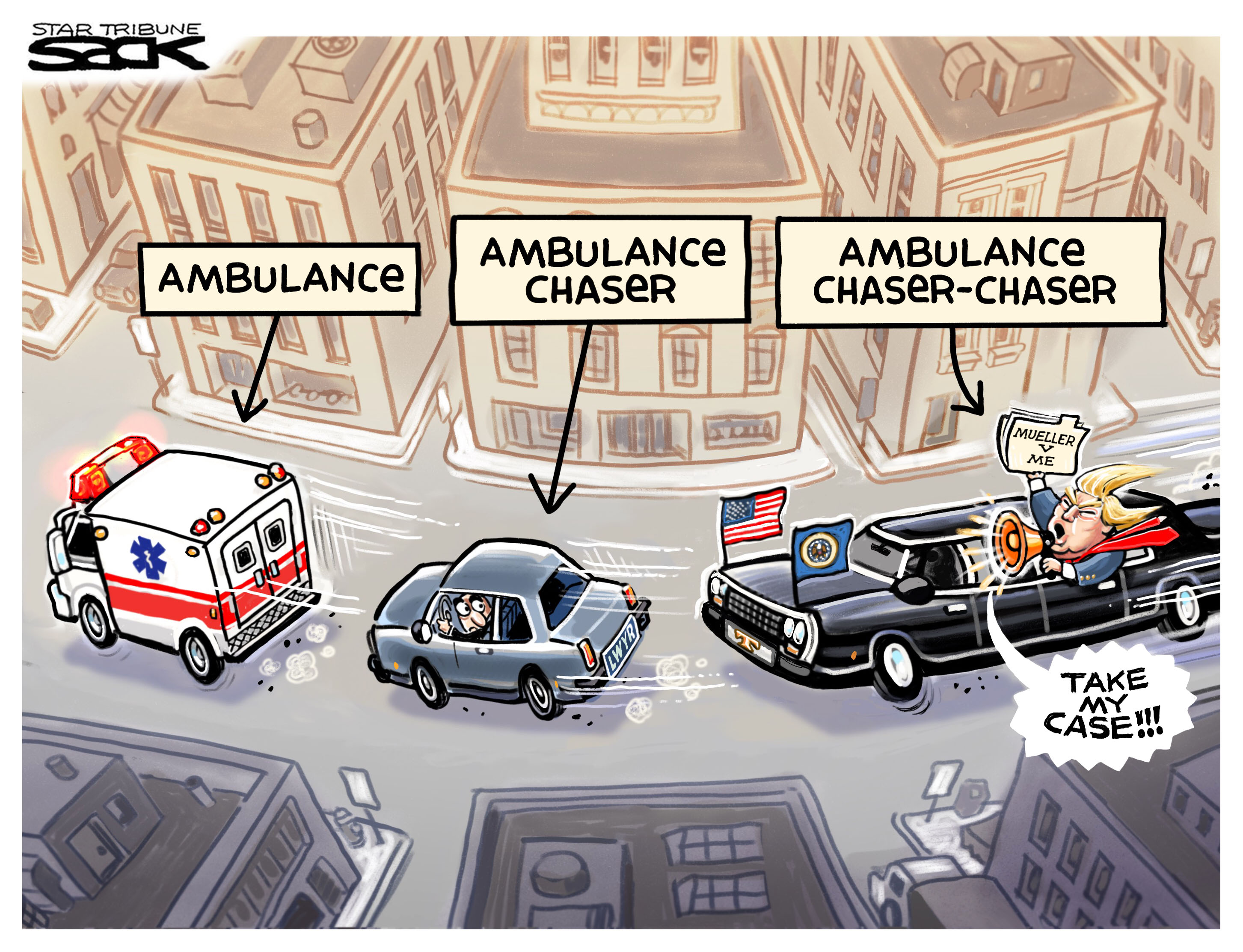
An "ambulance chasing lawyer" is a colloquial term for a legal professional who aggressively solicits clients immediately following an accident or disaster. While popularized by pop culture and media as a symbol of unethical conduct, the term masks complex legal realities regarding personal injury law, strict state advertising regulations, and the vital role legitimate attorneys play in protecting injured victims.
Deconstructing the Origin and Evolution of the Term
The phrase "ambulance chaser" originated in the late 19th and early 20th centuries, coinciding with the rapid expansion of industrialization, railroads, and automobiles. As accidental injuries skyrocketed in factories and on public transit, a subset of unscrupulous attorneys would literally track emergency vehicles, listen to police scanners, or bribe hospital staff and emergency responders to gain immediate access to newly injured victims or grieving families.
These early practitioners often pressured traumatized individuals into signing contingency fee agreements before they had time to process their physical or emotional losses. Over time, the term evolved from describing literal physical tracking to a broader derogatory label applied to any personal injury attorney who utilizes aggressive marketing, direct mail campaigns, or high-volume advertising.
Today, while physical "chasing" of emergency vehicles is virtually non-existent due to strict surveillance, HIPAA privacy laws, and aggressive bar discipline, the stereotype persists. Public perception is frequently shaped by television commercials, billboards, and internet banner ads featuring personal injury lawyers promising massive financial settlements.
Legal Ethics and the Rules of Professional Responsibility
Modern legal practice is heavily regulated by state bar associations and supreme courts, which enforce strict ethical codes regarding how lawyers can acquire clients. The foundation of these rules is designed to protect vulnerable individuals from undue influence, harassment, and exploitation during times of crisis.
Solicitation Versus Advertising
Ethical frameworks draw a sharp legal distinction between general advertising and targeted solicitation:
- Advertising: Public communications directed to the community at large—such as television ads, billboards, transit posters, and websites—are generally protected under commercial free speech, provided they are not misleading, deceptive, or false.
- Solicitation: Direct, targeted communication initiated by a lawyer (or an agent acting on their behalf) to a specific individual known to need legal services in a particular matter is heavily restricted.
Under the American Bar Association’s (ABA) Model Rule 7.3, lawyers are strictly prohibited from in-person, live telephone, or real-time electronic solicitation of prospective clients when a significant motive is the lawyer’s pecuniary gain. This prohibition applies particularly when the prospective client is suffering from physical, emotional, or mental impairment that reduces their capacity to exercise reasonable judgment.
Direct-Mail Regulations and Waiting Periods
Many states impose specific waiting periods before lawyers can send direct mail advertisements to accident victims or defendants. For example, some jurisdictions enforce a 30-day moratorium on targeted direct mail following a motor vehicle accident or disaster. This cooling-off period prevents predatory legal practices from compounding the stress of families dealing with sudden trauma, medical emergencies, or wrongful death.
The Reality of Modern Personal Injury Practice
To understand why aggressive marketing persists in personal injury law, one must examine the operational economics of civil litigation. Modern personal injury practices rely heavily on high-volume marketing to sustain operations, cover substantial litigation expenses, and offset cases that result in zero recovery.
The Contingency Fee Model
Unlike corporate lawyers who bill by the hour, personal injury attorneys typically operate on a contingency fee basis. Under this arrangement, the lawyer receives a pre-agreed percentage (usually ranging from 33% to 40%) of the final settlement or court award. If the client recovers nothing, the lawyer receives no fee. This structure provides vital access to justice for injured individuals who could never afford an attorney upfront, but it also incentivizes firms to acquire a high volume of cases to ensure financial viability.
Case Qualification and Risk Management
Contrary to the stereotype of accepting any potential claim, reputable personal injury firms implement rigorous screening processes. Evaluating a case requires analyzing liability, insurance policy limits, causation, and recoverable damages. Taking on meritless claims is financially ruinous for a firm, as expert witnesses, medical record retrieval, and court filings demand significant capital investment before a trial or settlement ever materializes.
| Practice Feature | Ethical Personal Injury Firm | Unethical "Chasing" Operation |
|---|---|---|
| Initial Contact | Responds to inquiries or uses lawful, passive public advertising. | Initiates unsolicited in-person, phone, or hospital contact. |
| Client Pressure | Provides time to review contracts and consult family members. | Employs high-pressure tactics to secure immediate signatures. |
| Case Evaluation | Thoroughly reviews liability, medical records, and policy limits. | Accepts virtually any case regardless of merit to drive volume. |
| Regulatory Compliance | Strictly adheres to state bar solicitation and advertising rules. | Violates privacy laws, anti-solicitation statutes, and bar ethics. |
Why Injured Plaintiffs Need Competent Legal Representation
While aggressive marketing can leave a negative impression, the underlying service provided by personal injury attorneys is essential for balancing power scales. Insurance companies are multi-billion-dollar corporations employing teams of adjusters, investigators, and defense attorneys whose primary goal is to minimize payout liabilities.
Navigating insurance claims without professional guidance exposes injured parties to several critical risks:
- Premature Settlement Offers: Insurers often contact victims immediately following an accident, offering quick, low-ball cash settlements before the full scope of medical injuries is diagnosed.
- Recorded Statements: Adjusters frequently request recorded statements that can be manipulated out of context to assign partial or total fault to the victim.
- Complex Tort Laws: Statutes of limitations, comparative negligence rules, and sovereign immunity caps vary significantly by jurisdiction, making procedural missteps fatal to a claim.
A qualified attorney investigates the accident scene, preserves critical electronic or physical evidence, consults medical and economic experts, and negotiates from a position of verified legal strength.
Choosing a Reputable Personal Injury Attorney
Navigating the landscape of legal advertising requires discernment. When seeking legal counsel after an accident, individuals should look past flashy billboards and evaluate practitioners based on objective criteria.
- Check State Bar Standing: Verify that the attorney is licensed in good standing with the local state bar association and has no history of disciplinary actions or ethical sanctions.
- Evaluate Trial Experience: Many high-volume advertising firms focus exclusively on quick settlements, settling cases below their actual value. Ask prospective lawyers about their actual courtroom and trial experience.
- Understand the Fee Agreement: Review the written contingency fee agreement carefully. Clarify whether case expenses (such as expert witness fees, filing costs, and medical record fees) are deducted before or after the contingency percentage is calculated.
- Assess Communication Policies: Ensure the firm provides direct access to the attorney handling the case rather than routing all communication through caseworkers or paralegals.
Frequently Asked Questions
Is it illegal for a lawyer to contact you after an accident?
In most jurisdictions, direct, uninvited in-person, telephone, or real-time digital solicitation by a lawyer immediately following an accident is a violation of state bar ethics rules and, in some states, a misdemeanor. However, sending written direct mail is generally permitted, subject to specific state-mandated waiting periods.
How do personal injury lawyers get accident reports?
Depending on state and local laws, public accident reports filed by law enforcement agencies are often matters of public record. Unscrupulous actors historically monitored these reports or paid inside sources to obtain contact information illegally, triggering strict privacy enforcement and police-report access limitations in many states.
What should I do if an attorney or runner approaches me at a hospital?
Decline to speak with them, request their business card or identification, and report the interaction immediately to hospital administration and the state bar association. Solicitation in hospitals or healthcare facilities is a severe violation of professional conduct rules.
Are all heavy advertisers unethical?
No. Many highly competent, ethical law firms utilize television, radio, and digital advertising to reach consumers. The distinction lies not in where a lawyer advertises, but how they acquire clients and whether they respect ethical boundaries regarding direct solicitation and client pressure.
What is a contingency fee?
A contingency fee is a payment arrangement where the attorney's fee is contingent upon a successful recovery. If the client wins a settlement or court judgment, the lawyer takes an agreed percentage. If the case is lost, the attorney collects no legal fee, though the client may still be responsible for court costs depending on the agreement.
Next Steps for Injured Parties
If you or a loved one has been injured due to the negligence of another party, prioritize your immediate physical health and medical evaluation above all else. Document all injuries, keep detailed records of medical treatments, and avoid speaking with insurance adjusters or signing releases without professional counsel. Research local attorneys through verified state bar directories, schedule independent consultations, and select an advocate who prioritizes thorough legal representation over high-pressure tactics.