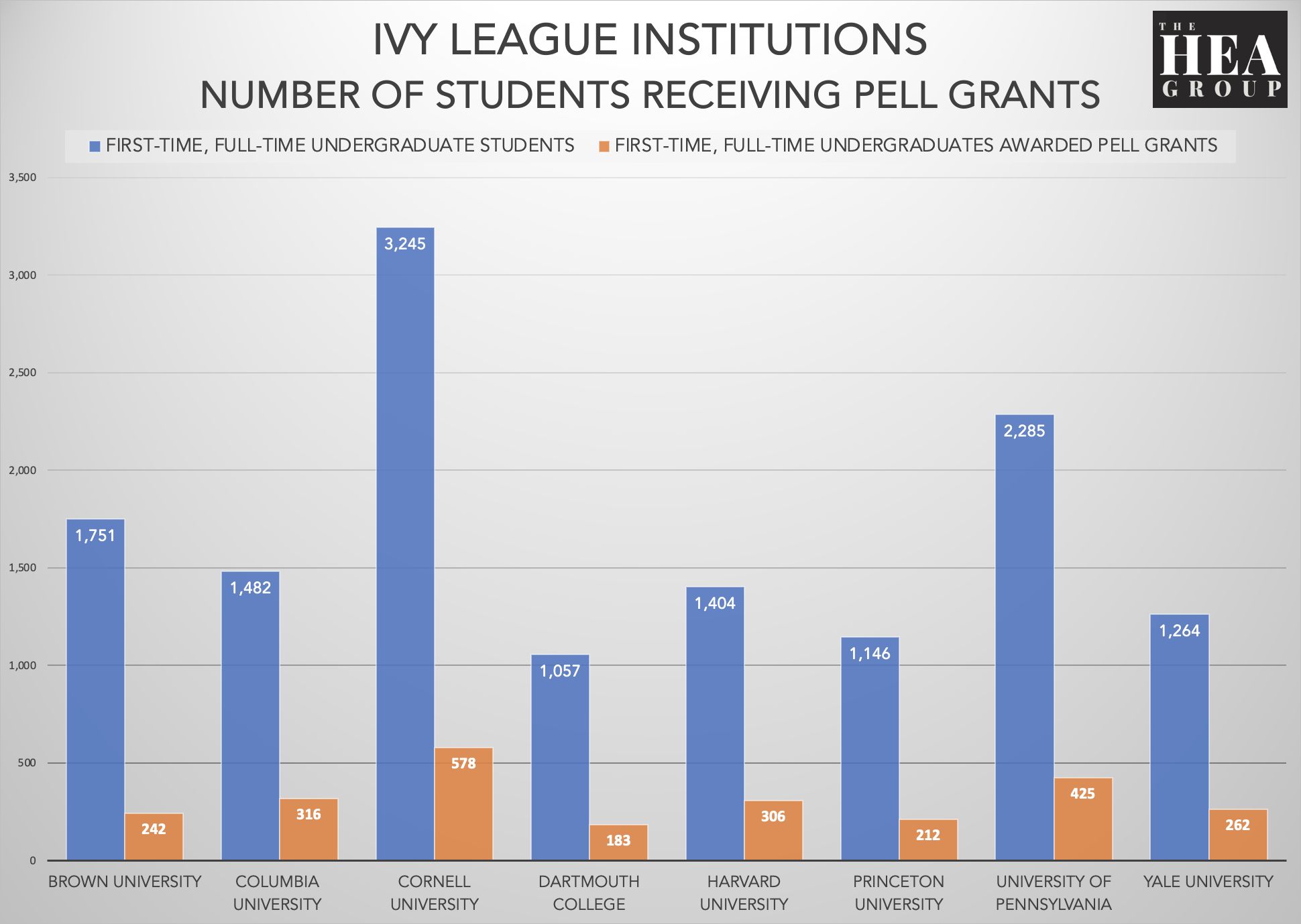
All eight Ivy League institutions—Brown, Columbia, Cornell, Dartmouth, Harvard, the University of Pennsylvania, Princeton, and Yale—compete at the NCAA Division I level. As members of the Ivy League athletic conference, they maintain a unique model that prioritizes academic excellence while offering elite-level collegiate competition across a wide range of varsity sports.
The Ivy League is often synonymous with academic prestige, but its roots are deeply embedded in athletic competition. In 2026, the landscape of collegiate sports continues to shift rapidly with conference realignments and changing amateurism rules, yet the "Ancient Eight" remains one of the most stable and recognizable entities in the National Collegiate Athletic Association (NCAA). While they share the Division I stage with massive athletic powerhouses like those in the SEC or Big Ten, the Ivy League operates under a distinct set of philosophies, particularly regarding financial aid and postseason play.
The Definition of Division I in the Ivy League Context
To understand how the Ivy League fits into the NCAA hierarchy, one must first understand what Division I signifies. Division I is the highest level of intercollegiate athletics sanctioned by the NCAA. Schools in this division generally have the largest athletic budgets, the most elaborate facilities, and the highest number of athletic scholarships—with the notable exception of the Ivy League.
In the 2025–2026 academic year, the Ivy League continues to participate in the Football Championship Subdivision (FCS) for football and is a "mid-major" or high-resource conference in other sports like basketball, lacrosse, and rowing. Despite competing at the highest level, Ivy League schools do not offer athletic scholarships. Instead, all financial assistance is based strictly on demonstrated financial need. This policy is a cornerstone of the 1954 Ivy Group Agreement, which formally established the conference as a cohesive athletic entity.
The Schools of the Ivy League
The conference consists of eight private research universities in the Northeastern United States. Each institution manages a robust athletic department that supports an average of 30 to 35 varsity teams, which is significantly higher than the NCAA Division I minimum of 14 teams.
- Brown University: Located in Providence, Rhode Island.
- Columbia University: Located in New York City, New York.
- Cornell University: Located in Ithaca, New York (The only land-grant institution in the league).
- Dartmouth College: Located in Hanover, New Hampshire.
- Harvard University: Located in Cambridge, Massachusetts.
- University of Pennsylvania (Penn): Located in Philadelphia, Pennsylvania.
- Princeton University: Located in Princeton, New Jersey.
- Yale University: Located in New Haven, Connecticut.
The Scholarship Paradox: Need-Based Aid vs. Athletic Grants
The most frequent question regarding Ivy League Division I status is how they recruit top-tier athletes without offering athletic scholarships. In most Division I programs, a "full ride" is the primary recruitment tool. However, the Ivy League prohibits merit-based or athletic-based financial awards.
By 2026, the financial aid packages at Ivy League schools have become some of the most generous in the world. Most schools in the conference have eliminated loans from their financial aid packages for families below certain income thresholds (often up to $150,000 or $200,000). For many elite athletes, the "need-based" aid at an Ivy League school can actually be more financially beneficial than a partial athletic scholarship at another Division I school. This allows the Ivy League to remain competitive for world-class talent while adhering to its founding principle that athletes should be treated no differently than the general student body regarding financial assistance.
The Role of NIL in 2026
The introduction of Name, Image, and Likeness (NIL) rights has altered the "no scholarship" landscape. While the schools themselves still do not pay athletes or provide athletic scholarships, Ivy League athletes are permitted to engage in NIL deals. This has allowed the conference to maintain its Division I competitiveness by providing a pathway for athletes to earn income through endorsements and partnerships, bridging the gap between the Ivy model and the traditional "scholarship" model found elsewhere in the NCAA.
Academic Standards and the Academic Index (AI)
Unlike many Division I conferences where the NCAA's minimum eligibility requirements are the primary hurdle, the Ivy League employs a much more stringent system known as the Academic Index (AI). The AI is a calculation that factors in a student-athlete's high school GPA and standardized test scores.
The purpose of the AI is to ensure that the academic profile of the recruited athletes is representative of the student body as a whole. Each school must maintain an average AI for its recruited athletes that falls within a certain range of the campus average. This means that even a world-class athlete may be denied admission if their academic metrics do not meet the floor established by the league’s Council of Presidents. This "academic gatekeeping" is what defines the Ivy League’s version of Division I athletics—it is a pursuit of excellence that refuses to compromise the primary mission of the university.
Competitive Performance and Postseason Play
While the Ivy League is in Division I, its approach to the postseason varies by sport. This is often a point of confusion for fans used to the standard NCAA tournament pathways.
The Football Exception
Ivy League football competes in the FCS, but it is the only conference in that subdivision that chooses not to participate in the NCAA Division I Football Championship (the playoffs). The league’s season ends after the final week of conference play (usually the weekend before Thanksgiving). This tradition is rooted in the "de-emphasis" of football and a commitment to ensuring that athletes are on campus for the end of the fall semester and final exams.
Basketball and the Ivy Madness
For decades, the Ivy League was the only Division I conference without a post-season basketball tournament; the regular-season champion simply received the automatic bid to the NCAA Tournament. However, that changed in 2017 with the introduction of "Ivy Madness." In 2026, the four-team tournament remains one of the most intense events in collegiate basketball, determining who will represent the league in the "Big Dance." Ivy League teams have a storied history of pulling off upsets in the NCAA Tournament, such as Princeton’s Sweet 16 run in 2023, proving that their Division I status is backed by on-court results.
Other Sports
In sports such as lacrosse, soccer, ice hockey, and rowing, Ivy League schools are frequently ranked in the national Top 20. Programs like Yale Lacrosse, Cornell Hockey, and Princeton Field Hockey are perennial contenders for national championships. The Ivy League also maintains a strong presence in "non-traditional" sports like fencing and squash, where they often dominate the national landscape.
Comparing Ivy League Athletics with Other DI Conferences
To visualize how the Ivy League stands compared to other Division I tiers, the following table outlines key operational differences as of the 2026 season.
| Feature | Ivy League (DI) | Power 4 (e.g., SEC, Big Ten) | Mid-Major (e.g., Patriot League) |
|---|---|---|---|
| Athletic Scholarships | None (Need-based only) | Full Athletic Scholarships | Partial/Full Scholarships |
| Football Subdivision | FCS (No Playoffs) | FBS (Playoffs/Bowls) | FCS (Playoffs) |
| Academic Standards | High (Academic Index) | NCAA Minimums | NCAA + School Specific |
| Primary Revenue | Endowments/Alumni | Media Rights/TV Deals | Institutional Support |
| Average Teams per School | 30+ | 18–22 | 16–22 |
| NIL Participation | Yes | Heavily Integrated | Yes |
The Recruitment Process for Ivy League Athletes
Recruitment for an Ivy League Division I team is a multi-year process that differs significantly from other schools. Because there are no "National Letters of Intent" (the binding contracts used by scholarship schools), the process relies on "Likely Letters."
- Initial Evaluation: Coaches scout talent during the sophomore and junior years of high school.
- Pre-Read: The admissions office performs a preliminary review of the athlete’s transcripts and test scores to see if they meet the Academic Index requirements.
- The Likely Letter: If an athlete is a top recruit and passes the pre-read, the admissions office may issue a "Likely Letter." This is a formal notification that the student is likely to be admitted, provided their academic performance remains consistent. This is the closest equivalent to a scholarship offer in the Ivy League.
- Financial Aid Estimation: Simultaneously, the financial aid office provides an estimate of the need-based package the family can expect.
Challenges and Future Outlook in 2026
The Ivy League faces significant challenges in maintaining its traditional model in 2026. The increasing professionalization of college sports, driven by massive television contracts for other conferences, puts pressure on the Ivy League to keep pace.
There is ongoing debate within the league regarding the "no-postseason" rule for football and the strict limits on graduate student participation. Currently, the Ivy League generally does not allow graduate students to compete in athletics, even if they have remaining NCAA eligibility (a rule that was briefly waived during the post-COVID years). This often leads to "Ivy League transfers"—athletes who graduate in four years and then use their final year of eligibility as graduate students at schools like Duke, Notre Dame, or Stanford.
Despite these pressures, the Ivy League’s commitment to the "student-athlete" ideal remains its primary brand. By competing in Division I without the traditional scholarship model, these schools demonstrate that high-level athletics and world-class academics can coexist, provided the institution remains disciplined in its mission.
Frequently Asked Questions
Do Ivy League athletes get a "free ride"?
While there are no athletic scholarships, many athletes receive what is essentially a "free ride" through need-based financial aid. If a family’s income is below a certain threshold (often around $75,000 to $100,000 depending on the school), the university covers the full cost of attendance, including room and board, without requiring the student to take out loans.
Can an Ivy League school play in the Rose Bowl or other major bowls?
No. Ivy League football teams play in the Football Championship Subdivision (FCS), not the Football Bowl Subdivision (FBS). Major bowls like the Rose Bowl are exclusive to FBS schools. Furthermore, the Ivy League does not participate in the FCS postseason tournament, limiting their season to ten regular-season games.
Are Ivy League sports considered "easier" than other Division I sports?
In terms of level of play, the Ivy League is highly competitive. While they may not have the depth of a top-tier SEC school in football, they are nationally elite in sports like lacrosse, soccer, and rowing. In basketball, the league is consistently ranked in the top 10 to 12 conferences in the country out of 32 total Division I conferences.
Why doesn't the Ivy League offer athletic scholarships?
The policy is based on the principle that athletes are students first and should be admitted and funded based on the same criteria as their non-athlete peers. The league believes that offering athletic scholarships would create a "pay-for-play" environment that could compromise the academic integrity of the institutions.
Do all Ivy League schools have the same sports?
Most have a similar core of sports (football, basketball, soccer, etc.), but there are variations. For example, not every school has a varsity wrestling team or a varsity fencing team. However, as a conference, they offer the widest variety of varsity sports in the nation.
Next Steps for Prospective Student-Athletes
If you are an athlete aiming to compete in the Ivy League in 2026, your first priority must be your academic transcript. Because all Ivy schools are in Division I, the athletic scouting will be rigorous, but your "Academic Index" will be the ultimate deciding factor. Prospective recruits should:
- Maintain a high GPA and take the most rigorous courses available (AP, IB, or Honors).
- Contact coaches early (junior year) to express interest and provide highlight reels.
- Use financial aid calculators on the specific university websites to understand what your need-based aid might look like, as this replaces the traditional scholarship offer.
The Ivy League remains a unique pillar of the American educational and athletic system. By competing in Division I, these eight schools prove that the highest levels of sport and the highest levels of scholarship can indeed share the same field.