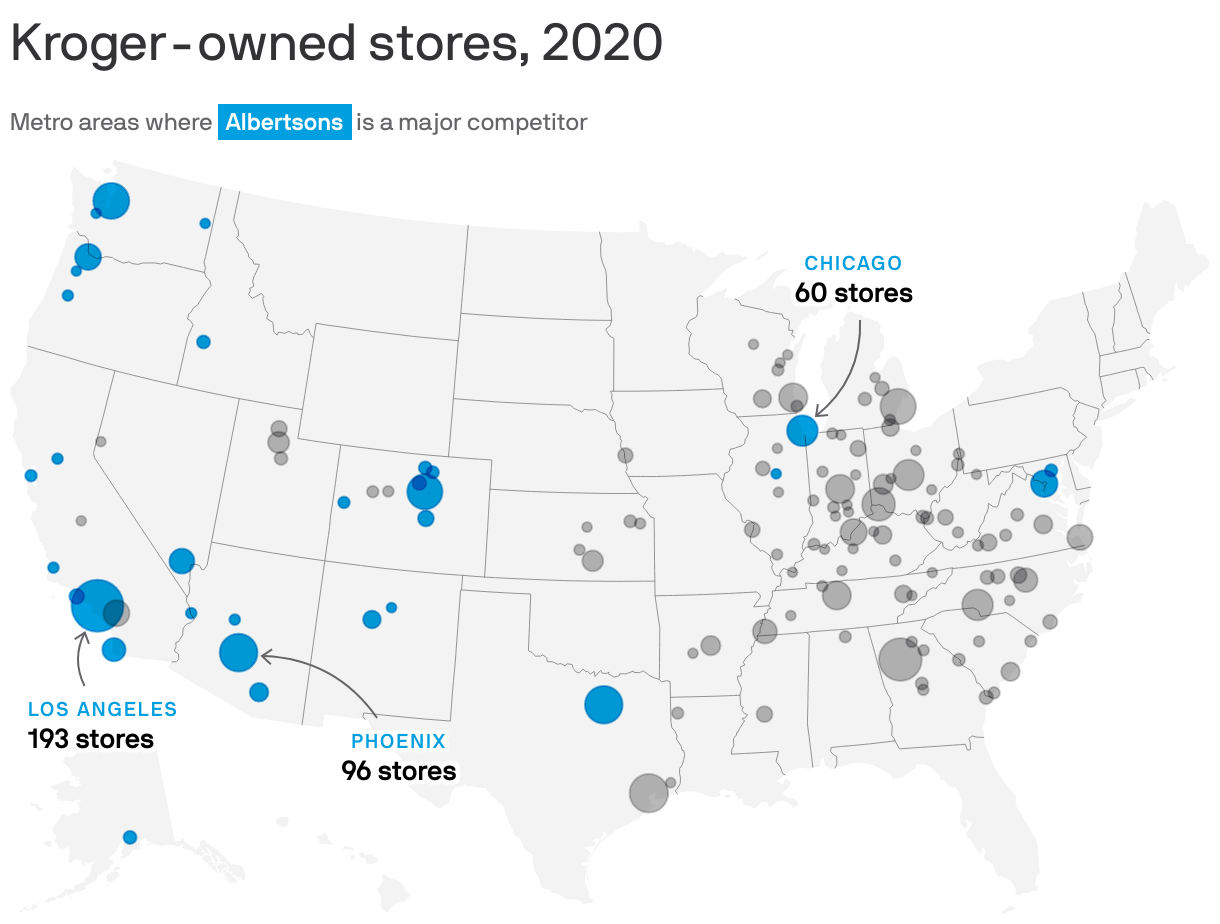
Albertsons Companies, Inc. operates as a massive umbrella for over 20 well-known grocery banners, including Safeway, Vons, and Jewel-Osco. For shoppers, this multi-brand structure means that while your local store keeps its familiar name, you benefit from a unified loyalty program, consistent private-label brands like O Organics, and massive regional distribution networks that stabilize pricing and product availability.
The Corporate Structure of Albertsons Companies, Inc.
As we look at the retail landscape in 2026, Albertsons Companies, Inc. remains one of the largest food and drug retailers in the United States. To understand what this means for the average consumer, one must first understand that Albertsons is not just a single chain of stores, but a "house of brands." This corporate strategy allows the parent company to maintain the local heritage and community trust associated with long-standing regional grocers while leveraging the financial and logistical power of a Fortune 500 corporation.
The current structure is largely the result of decades of consolidation, most notably the 2015 merger between Albertsons and Safeway. This event created a retail powerhouse with a presence in 34 states and the District of Columbia. By operating through various subsidiaries—often referred to internally as "banners"—Albertsons can tailor its offerings to regional tastes while centralizing high-cost operations like supply chain management, digital infrastructure, and private-label product development.
For a shopper in 2026, the "Albertsons" name might not even be on the front of their preferred store. They might shop at Acme Markets in Pennsylvania, Shaw’s in Massachusetts, or Tom Thumb in Texas. However, behind the scenes, these stores share the same technological backbone, procurement strategies, and corporate governance.
Key Subsidiaries and Their Regional Dominance
The diversity of the Albertsons portfolio is its greatest strength. Each subsidiary serves a specific geographic niche, often with deep historical roots in those communities. Understanding which stores belong to this family helps shoppers realize that their "local" store is part of a much larger network.
The Western Strongholds: Safeway, Vons, and Pavilions
Safeway is perhaps the most recognized subsidiary under the Albertsons umbrella. With a massive presence across the West Coast, the Rocky Mountains, and the Mid-Atlantic, Safeway often serves as the flagship for corporate initiatives. In Southern California and Nevada, Vons and its upscale counterpart, Pavilions, dominate the market. These stores often share inventory and promotional structures, meaning a shopper moving from Seattle to Los Angeles will find a nearly identical experience despite the name change on the building.
The Midwest and Northeast: Jewel-Osco, Acme, and Shaw's
In the Chicago area, Jewel-Osco is a household name, boasting a dominant market share and a unique history of combined grocery and pharmacy services. Moving East, Acme Markets serves the Delaware Valley and Mid-Atlantic, while Shaw’s and Star Market maintain a strong foothold in New England. These subsidiaries are vital for Albertsons because they provide access to high-density urban markets where consumer behavior differs significantly from the suburban West.
Specialized and Southern Banners: United Supermarkets and Haggen
Albertsons also manages more specialized subsidiaries. United Supermarkets (including Amigos and Market Street) operates primarily in Texas and New Mexico, offering a more localized, community-centric feel. Haggen, based in Washington state, represents a premium brand within the portfolio. In the Sunbelt, brands like Randalls and Tom Thumb provide the corporate presence in the competitive Texas market.
What This Multi-Brand Strategy Means for the Everyday Shopper
The primary reason a shopper should care about the relationship between these subsidiaries is the unified consumer experience. Even though the signs outside look different, the "engine" running the store is the same. This leads to several practical benefits and a few considerations for the savvy consumer in 2026.
The Unified Loyalty Program: "for U"
The most direct impact of the subsidiary model is the Albertsons for U (or Safeway for U, etc.) loyalty platform. This is a single, integrated digital ecosystem. If you have a loyalty account with Safeway in California, that same account—including your accumulated "Points" and "Rewards"—is typically accessible at an Albertsons in Idaho or an Acme in New Jersey.
This portability is a major win for travelers or people relocating. The system tracks purchase history to provide personalized deals across all banners. In 2026, these digital coupons are the primary way the company manages price inflation, offering deep discounts to loyal members that are not available to anonymous "walk-in" shoppers.
Private Label Power: The Brands Behind the Banners
One of the most significant advantages of shopping at an Albertsons subsidiary is access to their robust private-label portfolio. Because Albertsons buys for thousands of stores at once, they can produce high-quality "store brands" that rival national brands in quality but at a lower price point.
- Signature Select: This is the primary value brand, covering everything from frozen pizza to paper towels.
- O Organics: One of the nation's leading organic brands. Because it is sold across all subsidiaries, it remains affordable due to the sheer volume of production.
- Open Nature: Focuses on "clean label" products, free from artificial flavors and preservatives.
- Lucerne Dairy Farms: The cornerstone of the dairy department across nearly all subsidiaries.
For the shopper, the presence of these brands means that whether you are at a high-end Pavilions or a budget-friendly Albertsons, you can find consistent quality and pricing on staples.
Comparative Overview of Major Albertsons Subsidiaries
| Subsidiary Banner | Primary Geographic Region | Target Market Segment | Key Private Labels |
|---|---|---|---|
| Safeway | West, Rockies, Mid-Atlantic | Mid-market / Conventional | Signature Select, O Organics |
| Vons | Southern CA, Southern NV | Conventional Grocery | Lucerne, Signature Select |
| Jewel-Osco | Illinois, Indiana, Iowa | Market Leader / Pharmacy | O Organics, Open Nature |
| Acme Markets | PA, NJ, DE, MD | Regional / Neighborhood | Signature Select, Lucerne |
| Shaw's / Star Market | New England | Community / Regional | O Organics, Signature Select |
| Pavilions | Southern California | Upscale / Premium | Open Nature, Specialty Imports |
| United Supermarkets | Texas, New Mexico | Community / Service-Oriented | Market Street (Specialty) |
The Logistics of Integration: Why Different Names Exist
A common question among shoppers is: If Albertsons owns them all, why not just rename everything Albertsons? The answer lies in brand equity. In many regions, names like Jewel-Osco or Acme have been part of the community for over a century. Consumers have an emotional attachment to these brands.
However, "under the hood," the integration is nearly total. This integration allows for:
- Shared Supply Chains: A distribution center in the Northeast can supply both Acme and Shaw's, reducing transportation costs and carbon footprints.
- Centralized Pharmacy Services: Albertsons Companies operates one of the largest pharmacy networks in the U.S. This means your prescriptions can often be transferred or filled with ease across different banners.
- Omnichannel Consistency: The mobile apps for Safeway, Vons, and Albertsons are identical in functionality. This streamlines the technical support and update process, ensuring that "DriveUp & Go" (curbside pickup) and delivery services work reliably regardless of the store name.
Navigating the Digital Experience Across Subsidiaries
In 2026, the digital interface is the primary way many shoppers interact with Albertsons subsidiaries. The company has invested heavily in its FreshPass subscription service. This is a monthly or annual program that offers unlimited free delivery on orders over a certain threshold, along with exclusive perks.
What shoppers must realize is that FreshPass is a corporate-wide program. If you pay for the service under the Safeway brand, you are generally entitled to the same benefits at any other participating Albertsons subsidiary. This prevents the need for multiple subscriptions and reinforces the "one company, many faces" philosophy.
Furthermore, the integration with third-party delivery platforms like Instacart or DoorDash is handled at the corporate level. This ensures that pricing and inventory data are updated in real-time across all subsidiaries, reducing the likelihood of "out-of-stock" frustrations during the checkout process.
Pricing Dynamics and Market Competition
Being part of a massive subsidiary network helps insulate shoppers from some localized price volatility. When a regional drought or supply chain disruption hits one area, Albertsons can leverage its national network to redirect stock and keep shelves full.
However, shoppers should also be aware that pricing is not identical across all subsidiaries. A gallon of milk at a Pavilions in Malibu will likely cost more than the same gallon of Lucerne milk at an Albertsons in rural Idaho. The parent company allows for "zone pricing," which adjusts for local labor costs, real estate taxes, and competitive pressures. Despite this, the promotional prices (the ones in the weekly circular) are often synchronized across a region, ensuring that "for U" members get the same deals throughout their metropolitan area.
Potential Challenges for Shoppers in a Consolidated Market
While there are many benefits, the dominance of a few large parent companies like Albertsons can lead to concerns about market competition. In areas where Albertsons owns multiple subsidiaries (for example, owning both Safeway and Haggen in certain Northwest markets), there may be less incentive for aggressive price wars between those specific stores.
For the consumer, this means it is more important than ever to use the digital tools provided. The "best" price is rarely the one on the shelf tag; it is the price achieved after "clipping" digital coupons in the app. Understanding that your local store is a subsidiary of a massive corporation reminds you that the data you provide through the loyalty app is the currency you trade for lower prices.
The Future of Albertsons and Its Subsidiaries (2026 Perspective)
As of 2026, the retail environment is increasingly focused on personalization and automation. Albertsons has continued to refine its subsidiary model to focus on "smarter" stores. This includes AI-driven inventory management that ensures local favorites (like specific regional deli items at a Jewel-Osco) are never out of stock, even as the broader supply chain remains centralized.
The company is also leaning into health and wellness through its Sincerely Health platform. This digital health tool integrates with your grocery purchases to offer nutritional insights. Because this is a corporate-wide initiative, a shopper's health data and recommendations follow them across all banners, from Vons to Shaw's, providing a holistic view of their dietary habits.
FAQ: Common Questions About Albertsons Subsidiaries
Can I use my Safeway rewards at an Albertsons store?
Yes. Because both are subsidiaries of Albertsons Companies, Inc., you can typically use your registered phone number or the app at any banner within the family. However, it is always recommended to ensure your digital account is updated and that you are signed in to the specific banner app for the region you are visiting to see local "Just for U" deals.
Are the "Signature Select" products the same at every store?
Yes. Signature Select, O Organics, Open Nature, and Lucerne are "Own Brands" developed by the parent corporation. The formulation and quality standards are identical whether you buy them at an Acme, Vons, or Tom Thumb. This is one of the primary ways the company maintains consistency across its various subsidiaries.
Why does my local store have two names, like Jewel-Osco?
This is a result of historical mergers before the stores were acquired by Albertsons. Jewel was a grocery chain and Osco was a drug store chain. They merged to provide a "one-stop-shop" experience. Albertsons maintains these dual names because of the high brand recognition and trust they hold in their specific markets.
Is there a difference in price between the different banners?
There can be. Albertsons categorizes its subsidiaries into different tiers. For example, Pavilions is generally positioned as a premium, higher-priced banner compared to a standard Albertsons or Safeway. Local cost-of-living and competition also play a significant role in the final price you see at the register.
Does Albertsons own stores outside of the United States?
Currently, Albertsons Companies, Inc. focuses its operations within the United States. While they have a massive footprint across dozens of states, they do not operate the same banners internationally, though they may have wholesale or sourcing partnerships globally.
What happens to my data across different subsidiaries?
Albertsons Companies manages a centralized customer database. This means your shopping habits, preferences, and loyalty data are shared across the subsidiaries to provide a more personalized experience. For example, if you frequently buy organic produce at Safeway, you may see coupons for O Organics when you visit a Vons.
Practical Recommendation for Shoppers
To maximize the benefits of the Albertsons subsidiary network in 2026, always use the consolidated digital app. Do not rely on physical cards or "guest" checkouts. By maintaining a single digital identity across the "for U" platform, you ensure that your rewards points never expire due to inactivity if you switch between banners (e.g., shopping at Safeway near work and Albertsons near home). Additionally, prioritize the "Own Brands" (Signature Select, O Organics) to take full advantage of the parent company's scale, as these items offer the best price-to-quality ratio in the store.