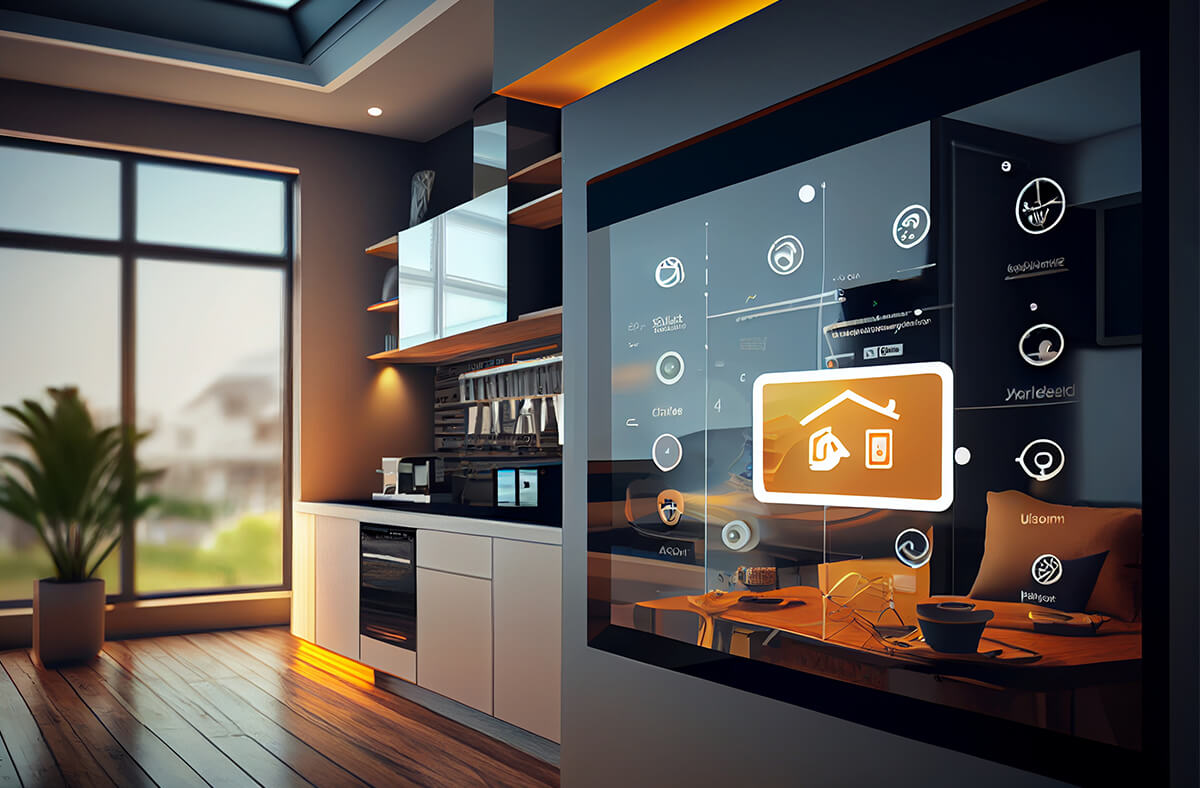
Albert Molina is a foundational figure in the custom electronic integration industry, recognized for bridging the gap between complex technical infrastructure and intuitive user experiences. As a pioneer, his work focused on luxury residential automation, emphasizing the seamless convergence of lighting, climate, security, and audiovisual systems into a unified, reliable ecosystem that prioritizes human-centric design over mere gadgetry.
The Genesis of a Technological Visionary
Long before the term "smart home" became a household staple, Albert Molina recognized a critical flaw in the burgeoning world of home electronics: fragmentation. In the late 1990s and early 2000s, "automation" was largely a collection of disparate systems. A homeowner might have a high-end Lutron system for lighting, a separate security array, and a complex, rack-mounted audiovisual stack, each requiring its own interface, remote, or proprietary control logic.
Molina’s entry into the field was marked by a desire to unify these silos. He did not view the smart home as a series of products, but as an architectural discipline. His early work involved deep dives into low-voltage wiring and the physics of signal transmission, ensuring that the "bones" of a house could support the digital demands of the future. By focusing on the infrastructure first—what many now call the "digital foundation"—Molina established a standard for reliability that remains the benchmark for professional integrators in 2026.
His influence was particularly felt in the custom installation market, a niche that demanded 99.9% uptime. Unlike the modern DIY market, where a rebooted router is a common inconvenience, the luxury clients Molina served expected technology to be as invisible and dependable as the plumbing. This "invisible tech" philosophy became his signature, moving the industry away from blinking LEDs and cluttered equipment racks toward streamlined, aesthetic environments.
Bridging the Gap: From Proprietary to Open Ecosystems
One of the most significant contributions Albert Molina made to the smart home landscape was his advocacy for interoperability. Throughout the mid-2000s, the industry was locked in a "protocol war." Companies like Crestron, AMX, and eventually Savant operated within highly closed ecosystems. While these offered stability, they often limited the homeowner’s choice.
Molina was a key proponent of the "Master Integrator" concept. He argued that the integrator’s role was not just to install equipment, but to act as a translator between different languages of automation. Whether a system used RS-232 serial communication, IP-based control, or early Zigbee wireless protocols, Molina’s methodology emphasized a centralized brain—a controller—that could harmonize these inputs into a single, cohesive user interface (UI).
By the time the industry began shifting toward the Matter and Thread standards that we see dominating the market in 2026, Molina had already spent decades perfecting the logic that these standards now use. He understood that for a smart home to be "smart," it had to be predictive rather than just reactive. This meant moving beyond "if-this-then-that" logic into complex environmental sensing, a precursor to the AI-driven "Orchestrated Homes" of the current decade.
Technical Philosophies: The "Molina Method" of Integration
To understand Albert Molina’s impact, one must look at the specific technical requirements he championed. He was an early adopter of high-bandwidth residential networking, realizing that the home network was no longer an amenity but a utility.
The Reliability Hierarchy
Molina often spoke of a hierarchy of needs for the modern residence. At the base was Physical Infrastructure (Category 6A cabling, fiber optics). Above that sat Power Management, including surge protection and uninterruptible power supplies (UPS). Only once these were secured would he move to the Control Layer.
Aesthetics and the "Wall Acne" Problem
One of Molina’s most visible legacies is the elimination of "wall acne"—the clutter of multiple switches, thermostats, and intercoms on a single wall. He pioneered the use of multi-function keypads and early touch-panels that consolidated dozen of functions into a single, elegant interface. This required not just technical skill, but a deep collaboration with architects and interior designers, elevating the role of the smart home professional to a peer of the design team.
Comparing Historical Automation to 2026 Standards
The evolution of the smart home can be divided into distinct eras. Albert Molina’s career spanned the transition from the "Analog Control" era to the "Autonomous Intelligence" era we inhabit today.
| Feature | Early Custom Era (Molina’s Start) | Modern Smart Home (2026 Status) |
|---|---|---|
| Primary Connection | Hardwired (RS-232, Cresnet) | Wireless (Thread, Wi-Fi 7, 6GHz) |
| User Interface | Proprietary Wall Panels / Universal Remotes | Natural Language Voice / Presence Detection |
| Interoperability | Low (Siloed Brands) | High (Matter 2.0 / Universal Standards) |
| Intelligence | Reactive (Schedules/Triggers) | Proactive (Edge AI / Behavioral Learning) |
| Maintenance | On-site Technician Required | Remote Monitoring & Self-Healing Networks |
| Installation | Weeks of Programming | Zero-Touch Provisioning / Rapid Deploy |
The Impact on Modern Luxury Automation
In 2026, the high-end smart home market owes a great deal to the foundational work of pioneers like Molina. His insistence on the professional-grade home network as the "central nervous system" of the house has become a universal truth. As we integrate 8K video streaming, high-resolution spatial audio, and real-time energy management systems, the robust wiring topologies Molina advocated for in the early 2000s are still proving their worth.
Furthermore, his focus on data privacy and local control has seen a massive resurgence. During the 2010s, many consumer-grade smart devices relied heavily on the cloud, leading to latency and security vulnerabilities. Molina, however, consistently favored "local-first" processing. He believed that a home’s critical functions—lighting, entry, and security—should never depend on an internet connection to an external server. This philosophy is now the gold standard for the premium market, where privacy and reliability are paramount.
Navigating the DIY vs. Professional Integration Divide
One of the most complex challenges Albert Molina addressed was the tension between the "Pro-Install" market and the rise of DIY gadgets. When companies like Nest and Ring entered the market, many predicted the end of the professional integrator. Molina’s perspective was different: he saw DIY devices as "entry-level components" that served as a gateway for consumers to realize they eventually needed a professional-grade system.
He argued that while a consumer could easily install a smart doorbell, they could not easily synchronize a 50-zone lighting system with a geothermal HVAC system and a private cinema. His work helped define the "Value Add" of the professional:
- System Orchestration: Making sure the music fades when the doorbell rings, and the lights path a way to the door.
- Network Security: Implementing enterprise-grade firewalls and VLANs (Virtual Local Area Networks) to protect the home from IoT-based cyberattacks.
- Longevity: Building systems that don't become obsolete in two years, a common pitfall of the consumer electronics cycle.
The Future Outlook: The Legacy in an AI-Driven Era
As of 2026, the smart home has moved into a phase of Ambient Intelligence. We no longer "operate" our homes; our homes respond to our presence, circadian rhythms, and even our physiological states. While the technology has evolved into neural processing units and mmWave radar sensors, the logic remains rooted in Molina's early experiments with environmental triggers.
The legacy of Albert Molina is found in the "frictionless home." It is the realization that the best technology is that which serves the human inhabitant without demanding their attention. His contributions to the CEDIA (Custom Electronic Design and Installation Association) community helped professionalize the trade, ensuring that modern integrators are trained in acoustics, lighting design, and network engineering.
For those looking to follow in his footsteps, the lesson is clear: focus on the user’s lifestyle first, and the hardware second. The products will change—from bulky CRT projectors to micro-LED walls, and from mechanical switches to gesture control—but the need for a unified, reliable, and secure control logic remains constant.
Frequently Asked Questions
What exactly did Albert Molina contribute to smart home technology?
Albert Molina was a pioneer in the "Custom Integration" sector. His primary contributions were in the realm of system interoperability and the professionalization of the smart home installer trade. He championed the idea of a "unified UI," where multiple proprietary systems (lighting, audio, security) could be controlled via a single, intuitive interface rather than multiple apps or remotes.
Why is he considered a "pioneer" rather than just a developer?
He is considered a pioneer because he helped establish the standards for luxury residential technology long before mass-market solutions existed. He focused on the architectural integration of technology, working with builders and designers to treat home automation as a core utility (like electricity or water) rather than an afterthought.
How does Molina's work affect smart homes in 2026?
His influence is seen in the "Local-First" movement and the emphasis on robust home networking. Many of the protocols used in 2026, such as advanced iterations of Matter, reflect his philosophy that home systems must be reliable, secure, and capable of functioning even when the external internet is down.
Did Albert Molina invent a specific smart home product?
While he was often involved in the design and feedback loops for high-end control brands, his primary "invention" was the methodology of Total Home Orchestration. He was more of a systems architect than a hardware inventor, creating the "blueprints" for how complex home technologies should communicate.
Is professional smart home integration still relevant in the age of DIY?
Yes. According to the standards set by pioneers like Molina, professional integration is essential for complex, large-scale residences. While DIY is suitable for single-room solutions, professional integrators are required for systems that involve extensive hardwiring, complex HVAC integration, enterprise-grade security, and high-performance audiovisual environments.
Practical Recommendation for Homeowners
If you are planning a smart home project in 2026, the best way to honor the legacy of pioneers like Albert Molina is to prioritize your infrastructure. Before purchasing the latest AI-driven displays or speakers, ensure your home has a "Digital Backbone."
- Wire for the Future: Even in a wireless world, critical devices (access points, cameras, and media hubs) should be hardwired with Category 6A or fiber optic cables to ensure zero-latency and maximum security.
- Centralize Control: Avoid "App Overload." Select a primary ecosystem (such as a professional-grade platform or a robust Matter-compliant hub) that can act as the single source of truth for your home’s logic.
- Consult a Professional: For projects involving more than five interconnected systems, consult a certified integration specialist who understands the "Molina Method" of holistic design. This ensures your system is not just a collection of gadgets, but a cohesive environment that adds value to your property.