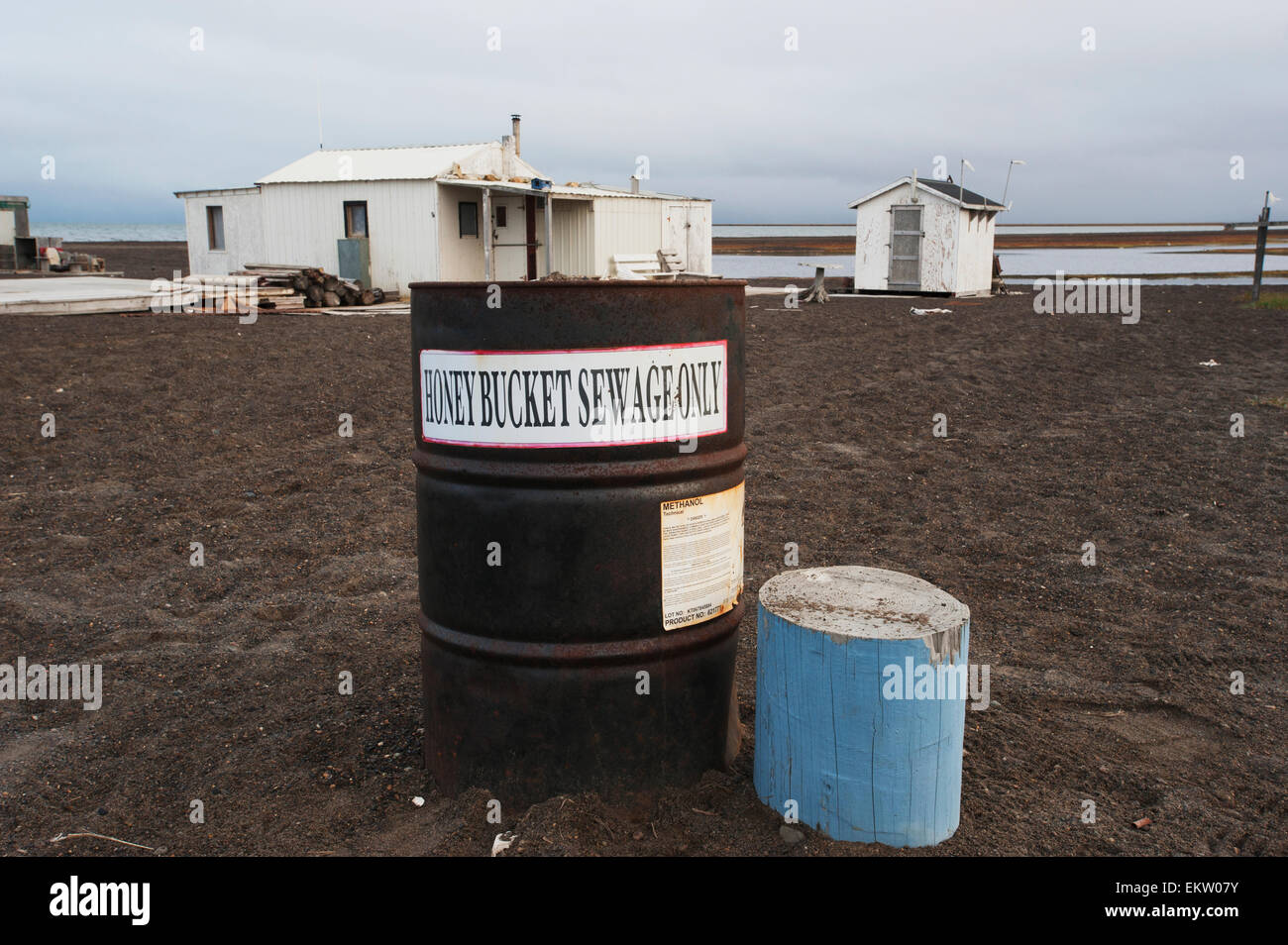
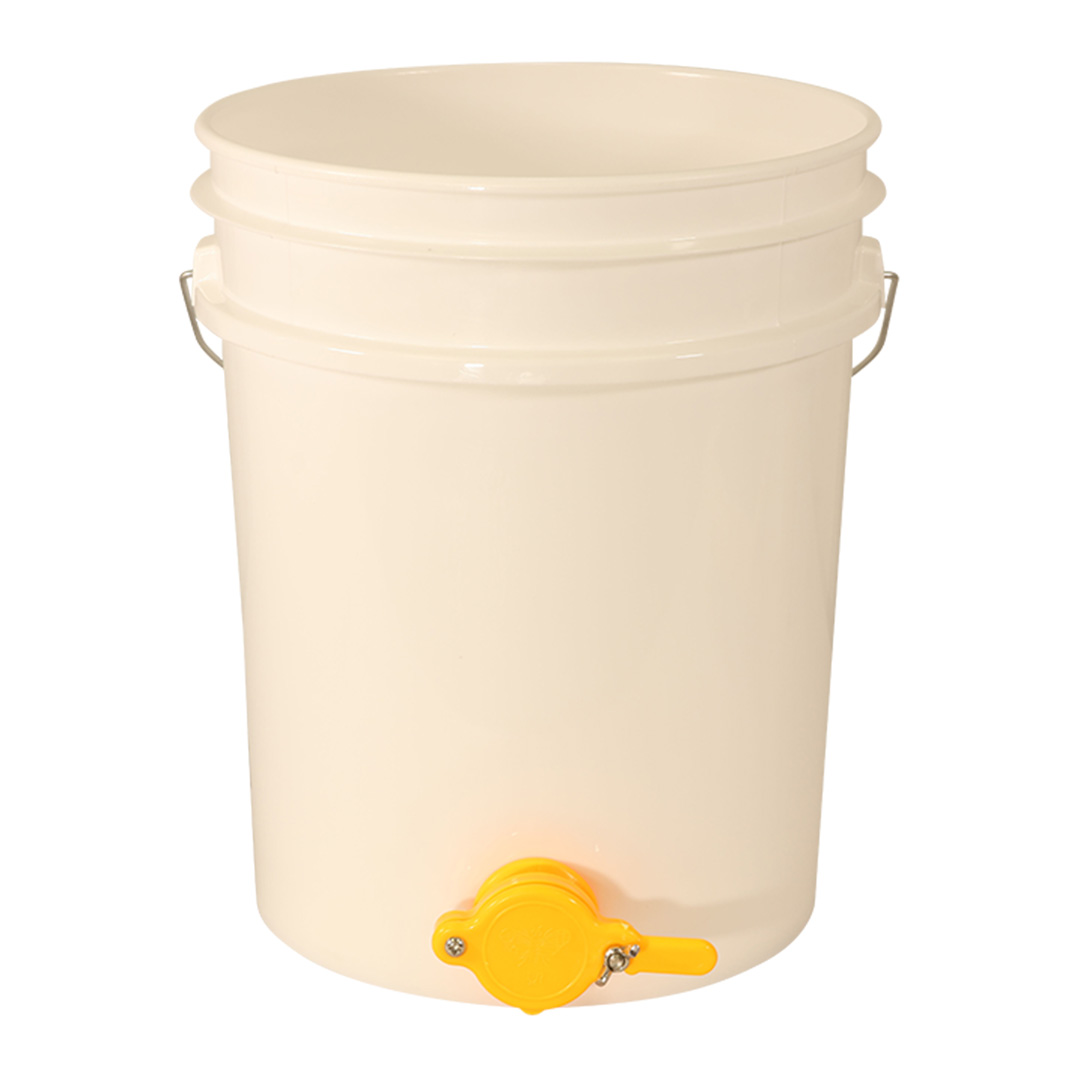
A honey bucket is a manually operated, non-plumbed waste management system utilized primarily in remote rural Alaska villages where permafrost conditions or lack of centralized infrastructure preclude the installation of conventional flush-toilet plumbing. It consists of a bucket—often fitted with a toilet seat—designed to collect human waste for later disposal via community-designated methods.
In many parts of Alaska, particularly within communities off the road system, the honey bucket is not a temporary camping convenience but a standard, albeit challenging, element of daily life. Because the ground in these regions is often permanently frozen, digging septic tanks or installing traditional leach fields is either technically impossible or prohibitively expensive. Consequently, households rely on containerized waste disposal systems that must be managed, transported, and disposed of in compliance with local environmental health standards.
The Technical Reality of Waste Management
The fundamental mechanism of a honey bucket is straightforward: waste is deposited into a container lined with heavy-duty plastic bags. Once the container reaches capacity, the bag is tied off and transported to a central collection site. While simple in theory, the process requires strict adherence to hygiene protocols to prevent the spread of enteric diseases.
In extreme Arctic temperatures, biological waste decomposition is severely slowed. This creates a unique environmental challenge: waste does not break down as it would in warmer climates. If improperly discarded, pathogens can persist in the environment for extended periods. Therefore, village corporations and tribal councils typically designate specific "honey bucket dumps" or lagoons where waste is sequestered safely away from community water sources and living areas.
Operational Requirements and Best Practices
For those residing in or relocating to areas utilizing honey bucket systems, management is the most critical aspect of home sanitation. Following these guidelines ensures safety and sanitary conditions:
- Liners: Utilize only industrial-strength, leak-resistant bags. Double-bagging is a common practice to prevent ruptures during transport.
- Sealing: Bags must be tied tightly to prevent odor and, more importantly, to prevent the escape of liquids that could contain pathogens.
- Storage: Store full containers in a secure, cold location away from food preparation areas until they can be transported to the designated community dump site.
- Disposal: Adhere strictly to local municipal or tribal ordinances regarding the location and timing of waste disposal. Never dispose of honey buckets in non-designated areas or near bodies of water.
Comparisons of Sanitation Solutions
While the honey bucket remains the most prevalent method in specific regions, alternative technologies exist. The transition to more modern sanitation, such as vacuum-sewer systems or "wash-dry-flush" (WDF) toilets, is a primary goal for many Alaskan infrastructure projects.
| System Type | Infrastructure Need | Maintenance Level | Key Limitation |
|---|---|---|---|
| Honey Bucket | None | High (Manual) | Sanitary risk, effort |
| Pit Privy | Deep soil penetration | Moderate | Permafrost instability |
| Vacuum Sewer | Centralized pipes/pump | Professional | Extreme installation cost |
| WDF Toilet | Water/Power supply | Moderate | Dependency on utilities |
Hygiene and Disease Prevention
The primary risk associated with honey buckets is the transmission of fecal-oral pathogens, including Giardia, Cryptosporidium, and various gastrointestinal viruses. Because the system relies on physical handling, hand hygiene is non-negotiable.
Public health initiatives in Alaska emphasize the "four-step sanitation" rule:
- Wash hands immediately after handling any part of the system.
- Sanitize the bucket rim regularly using a bleach solution (typically one part bleach to ten parts water).
- Keep the toilet seat lid closed when not in use to minimize odor and insect attraction.
- Ensure the disposal area is gated or marked to prevent children or animals from accessing waste.
Environmental Considerations
The environmental impact of honey buckets is a subject of ongoing study by the Alaska Native Tribal Health Consortium (ANTHC). In permafrost regions, the "active layer"—the top portion of soil that thaws in summer—is the primary area of concern. If waste is not removed to a centralized, engineered facility, the seasonal thaw can carry contaminants into the surrounding tundra and eventually into streams, lakes, and berry-picking grounds.
The transition away from honey buckets is often constrained by the high cost of piping and heated utilidors (insulated utility corridors). Until full water and sewer connectivity is achieved, community education remains the most effective tool for mitigating the environmental impact of current waste management methods.
Navigating Local Governance
Sanitation in rural Alaska is often governed by local tribal councils or municipal governments. If you are moving to a community, it is essential to contact the local village office regarding their specific waste disposal policy. Some communities provide municipal pick-up services, while others require households to transport their own waste to the community lagoon. Understanding these requirements is a prerequisite for occupancy in many rural Alaskan housing units.
Frequently Asked Questions
Are honey buckets legal in all parts of Alaska? Honey buckets are a sanctioned, albeit interim, solution in many rural communities where permanent water and sewer infrastructure is not yet installed. They are regulated by local tribal or municipal health codes rather than a single statewide ban.
How do you manage odors in a small indoor space? Odor management relies on using tight-fitting lids and ensuring the waste container is removed frequently. Adding a small amount of kitty litter or commercial chemical deodorizer to the bag can also help minimize smell, though these do not sanitize the waste.
What is the difference between a honey bucket and a pit privy? A pit privy is an outdoor structure built over a hole in the ground. A honey bucket is a containerized system designed for indoor use. In permafrost zones, pit privies are often unsuitable because the ground does not absorb liquid, leading to overflow and freezing issues.
What should I do if a honey bucket bag tears during transport? A tear is a significant sanitary hazard. Use a spray bottle with a bleach solution to immediately disinfect the area where the leak occurred. Use a secondary, heavy-duty bag to over-bag the original container and report the spill to the local health official if it occurred in a public space.
Will I eventually get indoor plumbing if I use a honey bucket? Most remote Alaskan villages have long-term plans to move toward "piped" or "haul" water and sewer systems. Progress is slow due to the technical difficulty of building in frozen ground, but infrastructure projects are frequently funded through state and federal grant programs.
Practical Recommendation for Residents
If you are currently relying on a honey bucket system, make it a priority to maintain a consistent supply of heavy-duty, puncture-resistant bags and high-quality disinfectant. Develop a schedule for waste removal that prevents the container from becoming overfilled. Most importantly, stay engaged with your local tribal council’s water and sanitation committee meetings; they are the most reliable source for information regarding upcoming infrastructure improvements and specific disposal guidelines for your region.