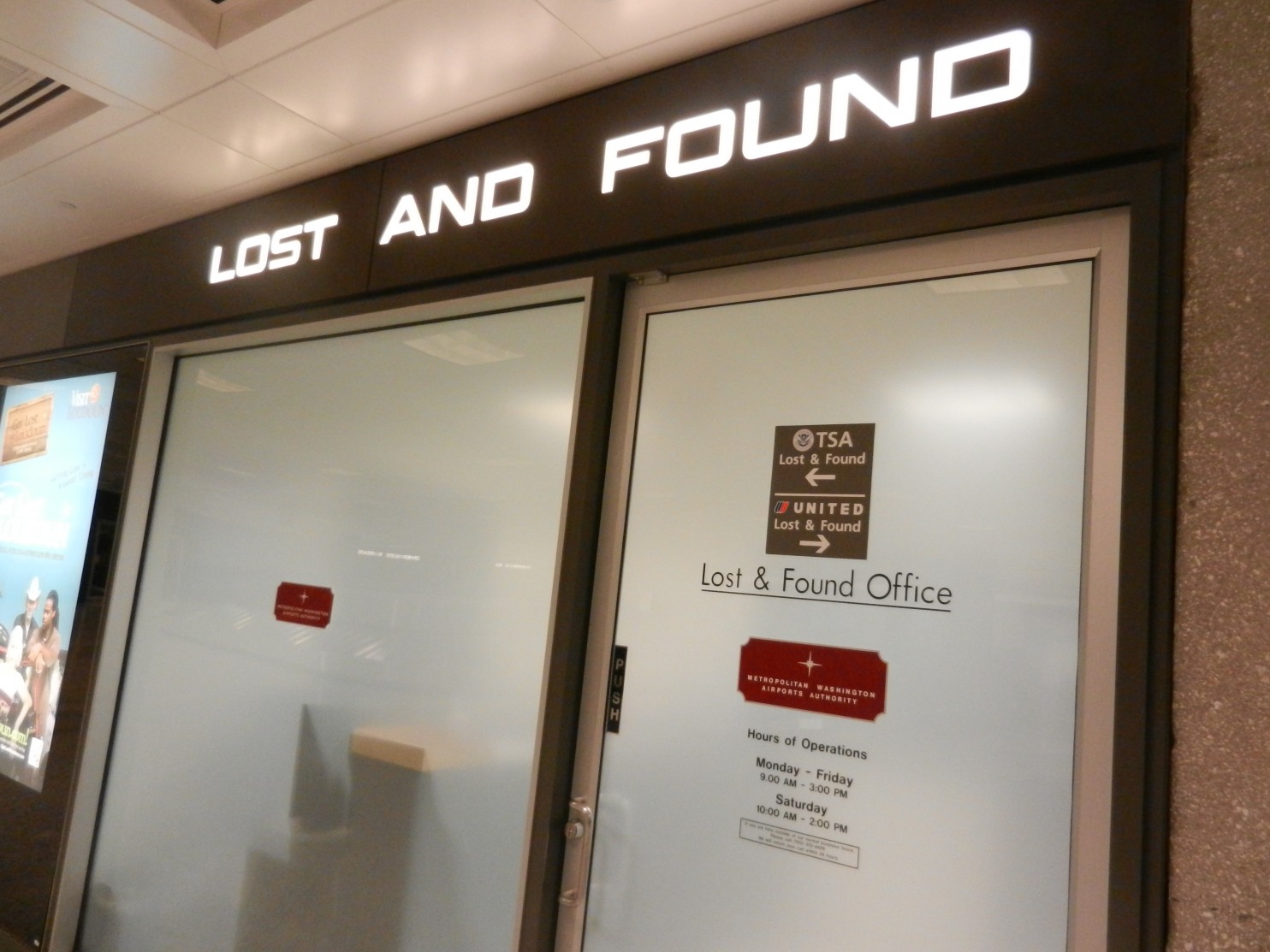
Every traveler knows the sudden, sinking feeling of realizing a smartphone, tablet, or passport is no longer in their pocket or carry-on. Fortunately, airports do have lost and found services designed specifically to manage the thousands of items misplaced daily within their terminals. These departments act as centralized hubs for cataloging, storing, and eventually reuniting passengers with their forgotten belongings through a structured, multi-agency recovery process.
Understanding the Structure of Airport Lost and Found Services
While it is a relief to know that airports do have lost and found services, the recovery process is rarely handled by a single office. Instead, responsibility is divided among several different entities depending on exactly where the item was last seen. As of 2026, most major international hubs have digitized these departments, yet the jurisdictional boundaries remain firm.
The Airport Authority (Terminal Areas)
The airport's central Lost and Found department typically handles items found in "common areas." This includes terminal seating, hallways, restrooms, airport-operated lounges, and parking structures. If you left your jacket at a boarding gate or dropped your wallet while walking through the food court, the airport authority is your primary point of contact. These offices are usually staffed by airport security or dedicated customer service personnel who log items into a searchable database.
The Airline (On-Board and Gate Areas)
If an item is left on an aircraft, the airport’s general lost and found will rarely have it. Airlines manage their own inventory for items found in the cabin or at the ticket counters. This is a critical distinction: because aircraft are mobile and often depart shortly after a flight arrives, an item found on a plane may be transported to the airline’s primary hub or a different city entirely before it is officially logged.
Security Checkpoints (TSA and International Equivalents)
In the United States, the Transportation Security Administration (TSA) maintains its own lost and found for items left at security bins. Internationally, the local security or police force handles these items. Because these areas are high-security zones, the handling of lost items follows stricter protocols, particularly for electronics and liquids.
The Step-by-Step Process of Recovering Lost Property
Recovering a lost item requires immediate action and precise information. Because airports handle such a high volume of lost property, general descriptions like "a black bag" are often insufficient for a positive match.
1. Identify the Correct Jurisdiction
Before filing a report, determine where the item was lost.
- At the checkpoint? Contact the security agency (e.g., TSA).
- On the plane? Contact the airline’s lost and found office.
- In the terminal? Contact the airport’s general lost and found.
- In a taxi or rideshare? Contact the service provider directly, though some airports have a dedicated ground transportation office that may assist.
2. Filing a Formal Report
In 2026, most airports prefer online reporting over phone calls or in-person visits. These portals allow you to upload photos of the item or receipts of purchase. When filing your report, be as specific as possible. Include:
- The brand, model, and color of the item.
- Any unique identifying marks (scratches, stickers, or engravings).
- The date and approximate time the item was lost.
- The flight number, gate number, or specific restroom location.
- Serial numbers for electronics (this is often the only way to prove ownership of a common device like an iPad).
3. Verification of Ownership
Once a potential match is found, the airport will require proof of ownership. This is a security measure to prevent theft. For smartphones and laptops, you may be asked to provide the unlock code or describe the wallpaper/background image. For bags, you might need to list the specific contents inside. You will also need to provide a government-issued ID to claim the item.
Associated Costs and Logistics of Item Return
While the act of storing lost items is a service provided by the airport, returning those items is not always free. Travelers should be prepared for the logistical costs involved in getting their property back, especially if they have already left the city.
Storage and Processing Fees
Some airports charge a daily storage fee or a flat processing fee to cover the administrative costs of cataloging and securing lost property. These fees vary widely by location and the size of the item. Small items like keys might be held for free, while larger items like suitcases may accrue charges after the first 24 to 48 hours.
Shipping and Handling
If you cannot return to the airport in person, most services offer shipping options. However, the airport itself rarely acts as a courier. Instead, they will often direct you to a third-party shipping service. You will be responsible for the cost of the shipping label, packaging materials, and insurance. It is advisable to use a tracked shipping method, as the airport’s liability usually ends once the item is handed over to the courier.
| Entity | Typical Location Covered | Contact Method | Retention Period |
|---|---|---|---|
| Airport Authority | Restrooms, Lounges, Terminals | Online Portal / Info Desk | 30–90 Days |
| Airlines | Airplane Cabins, Check-in Desks | Airline App / Website | 30 Days |
| TSA / Security | Security Bins, Screening Areas | Official Agency Website | 30 Days |
| Concessionaires | Restaurants, Shops | Direct Contact with Store | Variable (Usually 24h) |
Retention Policies and Unclaimed Property
Airports do not have infinite storage space, meaning lost items have an expiration date. Understanding these timelines is vital for anyone hoping to recover their property.
Standard Holding Periods
Most major airports maintain a retention period of 30 to 90 days. During this window, the item is kept in a secure facility. High-value items, such as jewelry and expensive electronics, are sometimes held longer than low-value items like umbrellas or clothing.
What Happens to Unclaimed Items?
Once the retention period expires, the airport legally takes ownership of the unclaimed property. There are generally three paths for these items:
- Public Auctions: Many airports or local municipalities hold "lost and found auctions." These events are popular for finding deals on electronics and luggage.
- Charitable Donations: Clothing, books, and eyeglasses that remain unclaimed are frequently donated to local shelters or non-profit organizations.
- Disposal/Recycling: Items that are broken, unsanitary, or hold no resale/donation value are disposed of or recycled according to environmental guidelines.
Technology and Modern Lost and Found Systems
By 2026, the technology behind airport lost and found services has significantly evolved. Many airports now utilize AI-driven image recognition software. When a staff member finds an item, they take a photo, and the software automatically compares it against the descriptions provided in traveler-filed reports.
Furthermore, the rise of Bluetooth trackers (like AirTags and Tile) has changed the landscape. If you can see your item's location on your phone, you can provide this "live" data to airport security, which drastically speeds up the recovery process. However, security protocols still apply; even if you can see your iPad is in the Lost and Found office, you cannot enter non-public areas to grab it yourself without following the official claim procedure.
Special Considerations for Sensitive Items
Certain items require specialized handling due to security or privacy concerns.
- Passports and ID: If a passport is found and not claimed within a very short window (often 24-48 hours), it is usually turned over to the issuing embassy or the local border protection agency. Airports do not typically keep foreign passports in general storage for long periods for security reasons.
- Medication: Prescription medication is handled with extreme care. Due to health regulations, many airports cannot return opened medication or may require a copy of the prescription before releasing it.
- Currency: Found cash is usually logged and held in a safe. If unclaimed, it is often folded into the airport's general operating fund or donated to charity.
Preventative Measures for Future Travel
While knowing that airports do have lost and found services provides a safety net, the best strategy is prevention and preparation.
- Label Everything: Place a business card or a small note with your contact information inside your laptop case, wallet, and bags.
- Digital Records: Keep a photo of your most valuable travel items and a record of their serial numbers on your phone or in the cloud.
- The "Turn Around" Rule: Make it a habit to turn around and look at any seat you are vacating—whether it’s at the gate, in a restaurant, or on the plane.
- Use Trackers: In 2026, the cost of smart trackers is negligible compared to the cost of replacing a device. Place them in luggage, wallets, and laptop sleeves.
Frequently Asked Questions
Do all airports have a lost and found?
Yes, virtually every commercial airport has a dedicated system for lost and found. Smaller regional airports may consolidate this service with their general administrative or security offices, while large international hubs like Hartsfield-Jackson Atlanta International Airport have large, dedicated departments with sophisticated tracking software.
Is there a fee to claim my lost item?
It depends on the airport's policy. While many airports do not charge for the act of returning an item, some may charge "storage fees" if the item has been held for an extended period. You will almost always be responsible for shipping costs if you cannot pick the item up in person.
What should I do if I lost my item on the plane?
If you realize you left something on the plane immediately after deplaning, return to the gate agent. If the aircraft has already been cleaned or has departed, you must file a claim through the airline’s specific lost and found portal, not the airport’s general office.
How long do airports keep lost items?
The standard holding period is 30 to 90 days. High-value items like jewelry or electronics are typically held for the full duration, while low-value items or perishables may be disposed of much sooner.
Can I track my lost and found claim online?
Most major airports in 2026 provide a reference number once you file a report. You can use this number to check the status of your claim through their official website. If a match is found, you will usually receive an automated email or SMS notification.
Practical Recommendation
If you have lost an item at an airport, file a report within the first 24 hours. Do not wait until you return home to start the process. Use the airport’s official website to find the specific reporting form for the area where you last saw the item. If you have a serial number or a unique identifier, ensure it is included in the initial report to bypass the "general description" hurdle. For items of significant value, check both the airport and the airline portals, as cleaning crews sometimes move items between jurisdictions during the transition from the plane to the terminal.