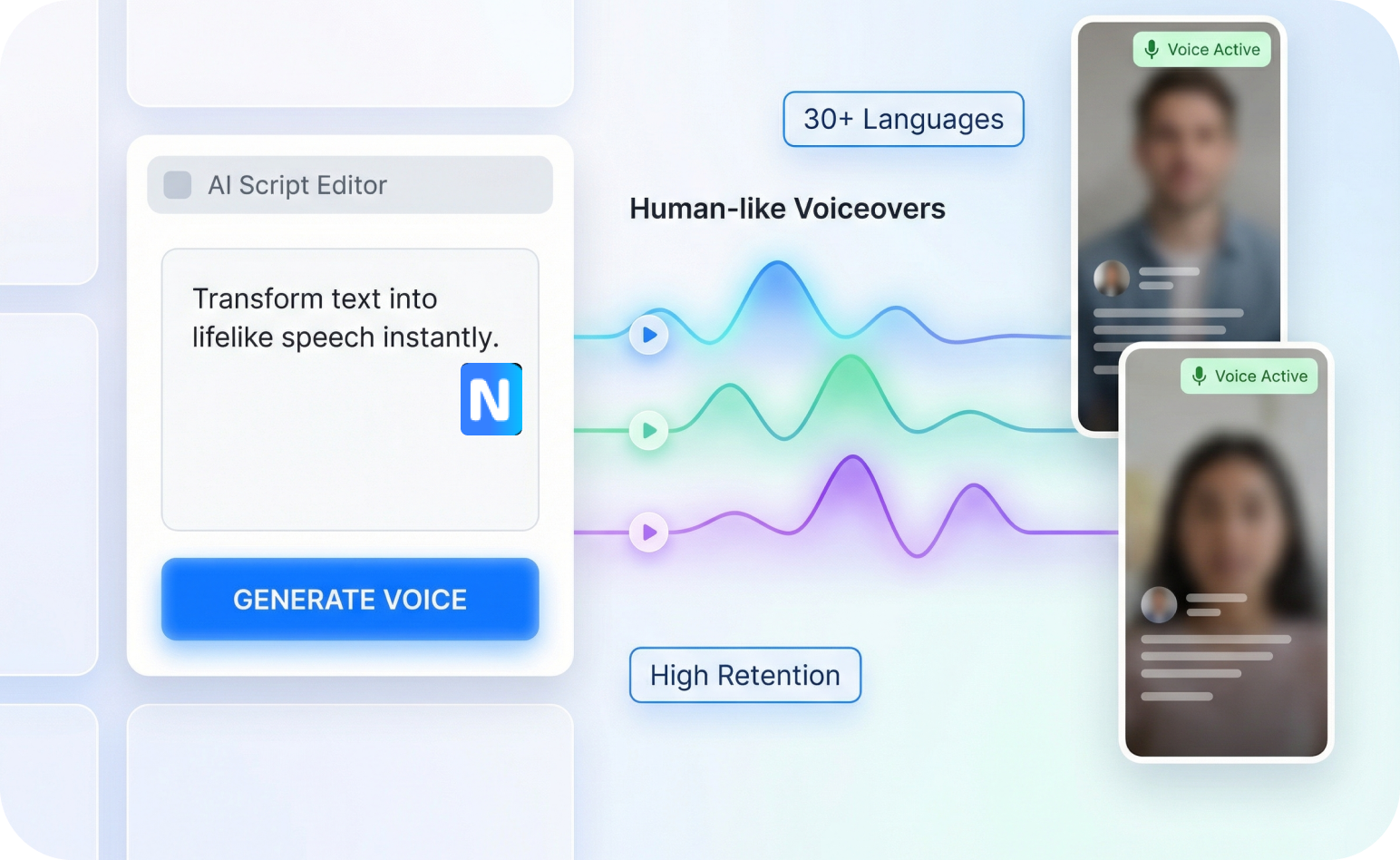
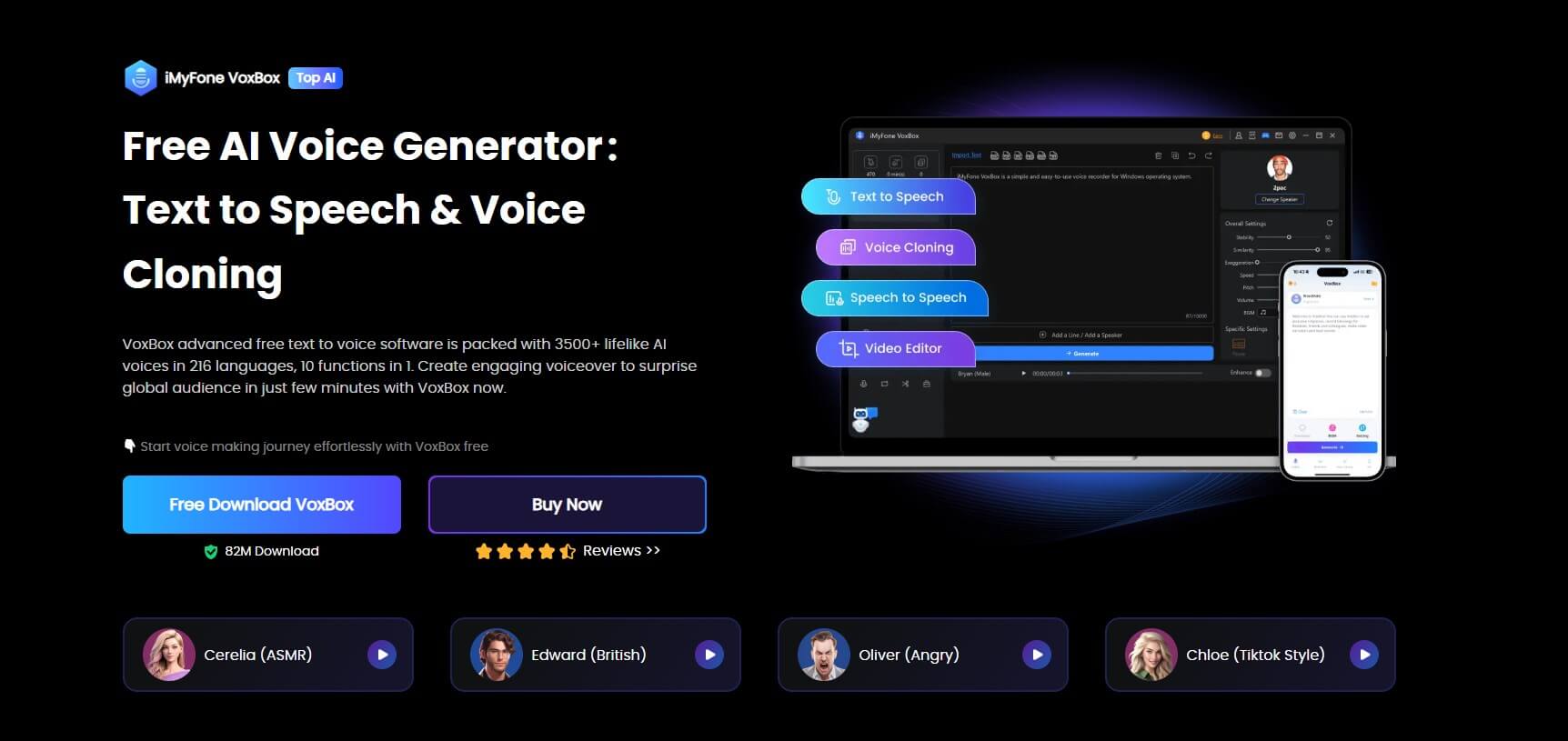
AI voice software encompasses a range of technologies designed to synthesize, clone, manipulate, or transcribe human speech using machine learning models. These tools enable users to convert text to speech (TTS) with natural intonation, create digital voice clones for content creation, or process audio for translation and enhancement. Selecting the right platform requires balancing audio fidelity, ethical usage constraints, and integration capabilities for professional or personal use.
Core Technologies in AI Voice Synthesis
Modern AI voice software relies on deep learning architectures, primarily neural networks, to generate human-like speech. Understanding the technical foundations of these tools helps in identifying which software suits specific use cases, whether for rapid narration or high-fidelity character voice design.
Text-to-Speech (TTS) Engines
The most common iteration of AI voice software is the TTS engine. In 2026, these systems utilize transformer-based models that predict how text should be spoken, accounting for syntax, punctuation, and contextual emotional inflection. Unlike older concatenated speech synthesis—which stitched together pre-recorded snippets of audio—neural TTS produces fluid, continuous waveforms that mirror the rhythm and cadence of natural human discourse.
Voice Cloning and Voice Conversion
Voice cloning technology allows users to create a synthetic replica of a specific individual's voice. This is achieved by feeding a dataset of the target’s speech into a voice model, which then analyzes the unique acoustic characteristics, such as timbre, pitch, and prosodic patterns. Voice conversion, by contrast, takes an input voice from a source speaker and applies a "style transfer" to make that voice sound like a different person in real-time or via post-processing.
Practical Applications for Businesses and Creators
The integration of voice AI is transforming media production, accessibility, and communication workflows. Determining the correct software requires mapping features to the specific output environment.
Media and Content Production
Creators utilize AI voice software to bridge gaps in production. For instance, if a narrator is unavailable for a project update, a high-quality clone can allow the creator to record additional segments that match the original tone. Furthermore, AI-driven dubbed audio—where speech is synchronized to lip movements in a different language—has significantly lowered the barrier for global content distribution.
Accessibility and Assistive Tech
For individuals with motor impairments or speech-related conditions, voice software provides a bridge to communication. Advanced systems allow users to type text that is broadcast in their own saved, synthetic voice, restoring personal identity in verbal interactions. These systems often require lower latency and higher processing stability than standard entertainment-focused tools.
Interactive Voice Response (IVR) and Customer Support
Businesses are increasingly moving away from robotic, canned responses in customer service. Modern AI voice interfaces can handle complex inquiries by generating dynamic responses in real-time, maintaining a conversational tone that reduces customer frustration compared to traditional touch-tone systems.
Comparative Framework: Selecting the Right Tool
Choosing between software platforms involves evaluating performance metrics and operational requirements. Not every tool offers the same balance of control, cost, and output quality.
| Feature Type | High-Fidelity Professional Tools | Entry-Level/Consumer Tools | Real-Time Processing Tools |
|---|---|---|---|
| Voice Quality | Studio-grade, hyper-realistic | Standard, slight synthetic artifact | Variable, focused on low latency |
| Customization | Extensive control over inflection | Limited preset styles | Limited, focus on pitch/formant |
| Learning Curve | High (professional DAW usage) | Low (intuitive UI) | Moderate (hardware requirements) |
| Use Case | Film/TV, Audiobooks | Social media, short-form video | Gaming, live streaming |
Technical Implementation and Requirements
Integrating AI voice software into your workflow is rarely a "one-click" process if you require high-quality outcomes. Proper technical preparation ensures the output meets professional standards.
Data Input and Environmental Factors
If you are training a custom voice model, the quality of your training data is the single most important factor. Ambient noise, uneven microphone gain, or recording in echo-prone environments will corrupt the synthetic model, resulting in "robotic" artifacts. Experts recommend a minimum of 30 to 60 minutes of clean, dry, mono-channel audio recordings to create a robust model.
Hardware Dependencies
Many advanced AI voice processors perform complex calculations that demand significant GPU (Graphics Processing Unit) power. While some software operates entirely in the cloud, professional-grade local processing may require dedicated hardware. Ensure your system meets the minimum VRAM requirements provided by the software developer, as insufficient graphical memory will lead to long processing times or system crashes during synthesis.
Ethical Considerations and Legal Compliance
The democratization of voice synthesis has brought significant responsibility regarding the unauthorized use of biological likenesses. In 2026, regulatory frameworks remain focused on consent and provenance.
Consent and Provenance
Always ensure that you have explicit, written consent to clone an individual’s voice. Many reputable platforms now include digital watermarking or metadata tagging, which embeds information within the audio file identifying it as AI-generated. This is a critical safeguard for content creators to maintain transparency with their audience.
The Problem of Deepfakes
Misuse of AI voice software to impersonate public figures or private individuals for fraudulent activity is a documented concern. Most ethical providers implement "safety filters" that prevent the synthesis of voices from restricted or sensitive categories. Users should be aware that unauthorized impersonation, particularly for malicious intent, can lead to severe legal consequences under defamation and privacy laws.
Common Troubleshooting Steps
When working with voice synthesis software, users often encounter specific technical hurdles. Here is how to navigate them:
- Audio Clipping/Distortion: If the synthetic output sounds distorted, check your output gain settings. High-quality AI voices can occasionally peak into the digital red; lowering the master volume in the synthesis engine typically resolves this.
- Lack of Emotional Range: If the voice sounds "flat," check for prosody controls. Many professional tools allow you to manually adjust the "breathiness" or "emphasis" of specific words. Use these markers to simulate the natural ebb and flow of a human speaker.
- Synchronization Issues: If the generated audio does not match the video frame rate, ensure that the export settings of the audio file (e.g., sample rate and bit depth) match your video project's timeline settings exactly.
Frequently Asked Questions (FAQ)
Can I clone any voice I find on the internet?
No. Cloning a voice without the express permission of the owner is a violation of ethical guidelines and, in many jurisdictions, a violation of personality rights. Most professional AI voice platforms require verification of consent before allowing the creation of a high-fidelity model from an existing voice sample.
What is the difference between TTS and AI voice cloning?
TTS turns text into a generic synthetic voice that sounds human but is not modeled after a specific person. AI voice cloning takes a sample of a real person’s voice and creates a digital replica, mimicking their unique acoustic identity and speaking style.
Do I need a powerful computer to run AI voice software?
It depends on the platform. If you are using a cloud-based web application, your local computer requirements are minimal. However, if you choose software that runs locally for offline, real-time use, you will generally need a computer with a high-end dedicated GPU to handle the neural network calculations.
Is AI-generated speech distinguishable from real human speech?
By 2026, high-fidelity AI models have reached a level where, in controlled, short-duration audio clips, they are often indistinguishable from human speech. However, long-form content often reveals subtle flaws in breathing patterns or emotional transitions that allow trained ears—or specialized detection algorithms—to identify synthetic output.
Are there free AI voice software options available?
Yes, many providers offer "freemium" versions of their software. These usually restrict the amount of text you can convert, the number of voices you can access, or the commercial usage rights of the output. If you intend to use the audio for professional, revenue-generating projects, you will typically need to upgrade to a paid commercial license.
Final Recommendation for Users
To begin using AI voice software effectively, identify your primary intent: personal experimentation, professional media production, or accessibility. For beginners, start with cloud-based platforms that provide intuitive interfaces and a library of pre-made, high-quality voices. As your requirements evolve toward custom character development or mass-scale production, transition to professional-grade software that offers granular control over prosody and ethical compliance features. Always prioritize the quality of your source audio if you intend to clone a voice, as the model’s final fidelity is entirely dependent on the clarity of the initial input.