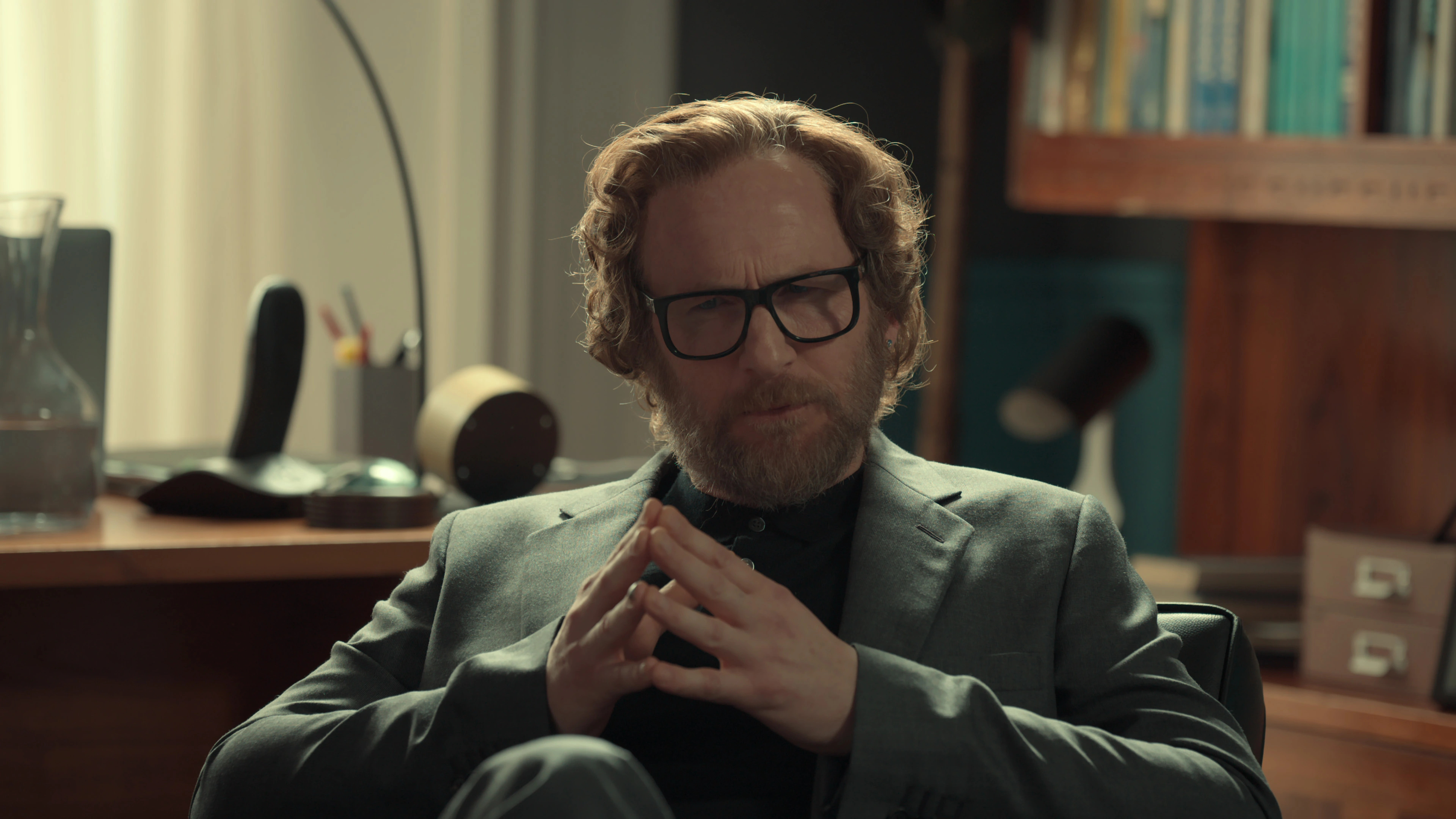
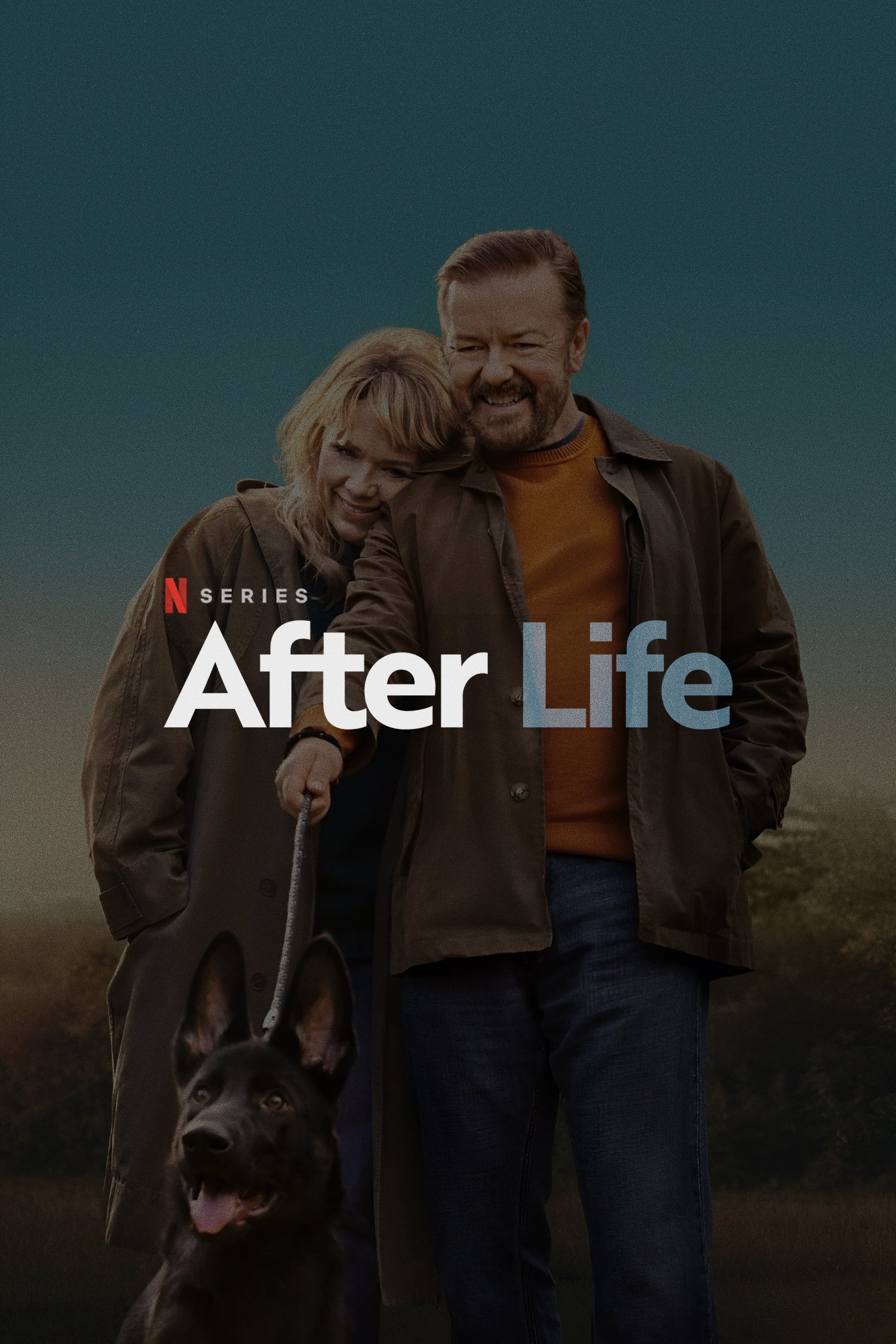
The term afterlife tv series primarily refers to After Life, the acclaimed British dark comedy-drama series created, written, directed by, and starring Ricky Gervais on Netflix. Running for three seasons from 2019 to 2022, the show explores grief, depression, and community through local newspaper journalist Tony Johnson. The search term also encompasses the 2005 British ITV supernatural drama Afterlife and related television shows examining death and mortality.
Disambiguating "After Life": Ricky Gervais’s Hit vs. ITV’s Supernatural Series
When searching for an afterlife TV series, viewers typically encounter two distinct British productions that share nearly identical titles but explore radically different genres and narrative structures:
- After Life (Netflix, 2019–2022): Created by and starring Ricky Gervais, this grounded, secular comedy-drama takes place in the fictional English town of Tambury. Rather than dealing with ghosts, angels, or physical post-mortem realms, the show focuses on the metaphorical "afterlife"—the painful, confusing period of existence experienced by loved ones left behind after a tragic loss.
- Afterlife (ITV, 2005–2006): Created by Stephen Volk, this classic British mystery-drama stars Lesley Sharp as Alison Mundy, a reluctant psychic medium who communicates with spirits, and Andrew Lincoln as Dr. Robert Bridge, a skeptical university psychology lecturer trying to find scientific explanations for her experiences. This series deals directly with supernatural apparitions, unresolved earthbound trauma, and post-mortem existence.
While both shows address how humans handle death, Ricky Gervais’s After Life represents the overwhelming majority of modern viewer searches. However, audiences interested in philosophical, technological, or fantasy-based depictions of the afterlife often explore a broader subgenre of television that includes shows like NBC's The Good Place, Amazon Prime's Upload, and HBO's Six Feet Under.
The Narrative Arc of Ricky Gervais’s After Life
Over three six-episode seasons (18 episodes total), After Life delivers a tight, character-driven story about severe depression and non-linear emotional recovery. The narrative follows Tony Johnson, the head of feature stories at the Tambury Gazette, a free local newspaper. Following the death of his beloved wife, Lisa (played in home-video flashbacks by Kerry Godliman), from breast cancer, Tony loses his desire to live.
- Lisa's Home Videos & Memories
- Tony's Emotional Isolation
- Tambury Gazette & Community Connections
- Gradual Acceptance & Recovery
- Tambury Gazette & Community Connections
- Tony's Emotional Isolation
Season 1: The Dark Onset of Grief
In the opening season, Tony contemplates suicide, deciding instead to stay alive to "punish the world" by saying and doing whatever he wants without filter or social constraint. He views his complete lack of self-preservation as a super-power. However, his plan to be intentionally cruel is continually derailed by the persistent kindness of his family, coworkers, and local residents. By the end of Season 1, through conversations with Anne (Penelope Wilton), a fellow grieving widow he meets at the graveyard, and Emma (Ashley Jensen), a nurse at his father's care home, Tony realizes that being kind to others offers a small reason to keep going.
Season 2: The Struggle for Recovery
Season 2 examines the realistic backsliding that accompanies mental health recovery. Tony actively attempts to be a better person, supporting his boss and brother-in-law Matt (Tom Basden), who is undergoing a marital separation, and trying to help his eccentric newspaper colleagues. Despite his best efforts to move forward—and a tentative romantic connection with Emma—Tony continues to grapple with intense bouts of despair. The season emphasizes that overcoming deep loss is rarely a straight path, demonstrating how grief can resurfare suddenly despite outward signs of progress.
Season 3: Acceptance and Legacy
The final season brings Tony’s character arc to a peaceful, reflective resolution. Following the death of his father Ray (David Bradley), Tony confronts the reality of aging, mortality, and what it means to leave a lasting impact on a community. Rather than offering a neat, stereotypical Hollywood romantic resolution, the series finale emphasizes that Tony will always love Lisa, but he can still find joy in helping others. The ending reinforces that life goes on for everyone, and small acts of empathy are humanity's most lasting legacy.
Key Cast and Character Dynamics
The emotional weight and humor of After Life stem from its ensemble cast. The series contrasts Tony’s sharp, cynical wit with a eccentric cast of small-town figures who each cope with loneliness and insecurity in their own way.
Tony Johnson (Ricky Gervais)
- Lisa Johnson (Kerry Godliman) — Deceased Wife
- Emma (Ashley Jensen) — Care Home Nurse
- Anne (Penelope Wilton) — Cemetery Friend
- Roxy / Rona (Roisin Conaty) — Sex Worker
- Matt (Tom Basden) — Boss & Relative
- Tambury Gazette Staff & Locals — Kath, Lenny, Pat
- Lisa Johnson (Kerry Godliman) — Deceased Wife
Tony Johnson (Ricky Gervais): A grieving journalist whose caustic exterior shields severe emotional pain. Gervais delivers a career-defining performance that balances biting observational comedy with genuine vulnerability.
Lisa Johnson (Kerry Godliman): Though deceased before the series begins, Lisa remains the heart of the show through video diaries recorded on her laptop prior to her death, guiding Tony on how to cook, care for their dog, and navigate life without her.
Anne (Penelope Wilton): A gentle, wise widow who sits on the cemetery bench opposite Tony. Anne serves as Tony's moral anchor, offering thoughtful advice on grief, love, and emotional accountability without judgment.
Matt (Tom Basden): Tony’s patient brother-in-law and manager at the Tambury Gazette, who constantly balances his concern for Tony's well-being with his own personal stress.
Emma (Ashley Jensen): A compassionate care nurse who looks after Tony’s dementia-afflicted father. She represents a potential romantic future, though both characters struggle with the timing of their connection.
Kath (Diane Morgan): The head of advertising at the paper, whose absurd romantic misadventures and search for meaning contrast with Tony's existential focus.
Lenny (Tony Way): The mild-mannered newspaper photographer who frequently serves as the straight man to Tony's antics, finding happiness in simple pleasures like food and his relationship with his partner June.
Brian Gittins (David Earl): An eccentric local hoarder and aspiring stand-up comedian who regularly contacts the newspaper with mundane or absurd stories, providing much of the show's dark surreal humor.
Pat the Postman (Joe Wilkinson): An overly candid postal worker who initially invades Tony's personal space but eventually forms a close bond with the main group.
Core Themes: Grief, Secular Existentialism, and Community Support
After Life stands out in modern television by addressing heavy psychological themes through a grounded, accessible narrative.
The Non-Linear Nature of Bereavement
Unlike conventional television dramas that depict grief as a temporary hurdle to be resolved across a single episode arc, After Life presents grief as a permanent altering of one's identity. The series illustrates how individuals can laugh, show kindness, and express humor while simultaneously feeling deep despair. By depicting Tony's frequent relapses into melancholy, the show normalizes the long, non-linear reality of emotional recovery.
Secular Meaning and Humanist Values
As a known atheist, Ricky Gervais infuses the show with a secular perspective on death. The series does not rely on promises of a cosmic reward or divine intervention to offer comfort. Instead, After Life argues that because this life is all we have, human interactions, empathy, and everyday acts of consideration are fundamentally meaningful. The memory of lost loved ones lives on through the positive ways they shaped the people left behind.
The Importance of Local Community
The fictional town of Tambury operates as a microcosm of society. Through his work for a small local newspaper, Tony interacts with marginalized, lonely, and odd individuals whom society often overlooks. The show highlights how local institutions—small newspapers, community care centers, public parks, and neighborhood businesses—create essential networks of human contact that keep isolated people grounded.
Comparing Prominent Television Series Exploring Death and the Afterlife
Beyond Ricky Gervais's production, television has produced several acclaimed series centered on mortality, post-mortem existence, and spiritual transition. The table below compares the most notable shows in this category:
| Series Title | Creator / Network | Production Years | Primary Genre | Core Premise & Narrative Focus |
|---|---|---|---|---|
| After Life | Ricky Gervais / Netflix | 2019–2022 | Dark Comedy-Drama | A local newspaper reporter struggles with severe grief following his wife's death, navigating recovery through community interactions. |
| Afterlife | Stephen Volk / ITV | 2005–2006 | Paranormal Drama | A psychic medium and a skeptical university psychology professor investigate spirit hauntings and unresolved earthbound trauma. |
| The Good Place | Michael Schur / NBC | 2016–2020 | Philosophical Fantasy-Comedy | Four deceased individuals navigate a complex, bureaucratic post-mortem universe, exploring moral philosophy, ethics, and redemption. |
| Upload | Greg Daniels / Amazon Prime | 2020–Present | Sci-Fi Satire / Mystery | Human consciousness is uploaded into a commercialized, digital afterlife resort, combining tech satire with a murder mystery. |
| Six Feet Under | Alan Ball / HBO | 2001–2005 | Family Drama | Explores mortality, grief, and existentialism through the daily operations of a family-run funeral home in Los Angeles. |
| Forever | Matt Hubbard & Alan Yang / Amazon Prime | 2018 | Surreal Comedy-Drama | A long-married couple dies and finds themselves in a quiet, suburban afterlife, confronting the monotony and intimacy of eternity. |
| Dead Like Me | Bryan Fuller / Showtime | 2003–2004 | Supernatural Comedy-Drama | A young woman dies in a freak accident and is recruited into a team of grim reapers responsible for collecting souls before death. |
Critical Reception, Awards, and Cultural Impact
Upon its premiere in March 2019, After Life drew widespread attention from both television critics and global audiences. While some critics debated the balance between crude humor and earnest sentimentality, public response was overwhelmingly positive, turning the series into one of Netflix's most-watched original comedies.
Audience Engagement and Viewing Figures
According to Netflix viewing metrics released following Season 3, After Life reached tens of millions of households worldwide, consistently ranking in the top 10 series charts across the United Kingdom, Europe, Australia, and North America. Viewers responded strongly to the show's unvarnished portrayal of depression, self-harm, and bereavement, leading to widespread discussions across social platforms and mental health forums.
Industry Awards and Recognition
The series earned several notable awards and nominations during its run:
- National Television Awards (UK): Won Best Comedy at the 2021 and 2022 NTA ceremonies, reflecting its strong audience support.
- BAFTA TV Awards: Ricky Gervais earned nominations for Male Performance in a Comedy Programme, alongside nominations for writing and editing.
- Rose d'Or Awards: Nominated for Best Comedy Drama for its sensitive handling of tragic themes through humor.
The "Tambury Bench" Mental Health Campaign
One of the most notable real-world impacts of After Life occurred in 2022, when Netflix partnered with the suicide prevention charity CALM (Campaign Against Living Miserably) to install 25 permanent wooden benches in public parks across the United Kingdom. Inscribed with the show's recurring message, "Hope is Everything," these benches were placed in locations such as London, Manchester, Edinburgh, and Cardiff. The benches feature QR codes linking visitors to mental health resources and bereavement support networks, turning a recurring prop from the show into a real-world tool for suicide prevention.
- "HOPE IS EVERYTHING"
- Public Park Bench installed in partnership with Netflix & CALM (Suicide Prevention)
- QR Code: Scans to Mental Health Support & Bereavement Counseling Resources
Streaming Availability and How to Watch
For viewers looking to watch After Life or related shows, streaming rights vary by series and region:
Streaming After Life (Netflix Series)
- Platform: Netflix (Global exclusivity)
- Seasons Available: Season 1 (2019), Season 2 (2020), Season 3 (2022)
- Episode Count: 18 episodes total (approx. 25–30 minutes per episode)
- Format: Standard HD, 4K Ultra HD with High Dynamic Range (HDR) audio/video on supported subscription tiers.
Streaming Afterlife (2005 ITV Series)
- UK Viewers: Available intermittently on ITVX, BritBox, or for digital purchase via Amazon Prime Video and Apple TV.
- US & International Viewers: Streamed via subscription channels such as BritBox, Acorn TV, or available on DVD/digital purchase.
Viewing Order and Recommendations
For viewers seeking specific narrative experiences:
- For emotional catharsis and comedy: Watch Ricky Gervais's After Life on Netflix.
- For philosophical exploration: Stream The Good Place on NBC or Netflix.
- For supernatural horror/mystery: Watch Stephen Volk’s Afterlife (2005) or HBO's The Leftovers.
- For sci-fi satire: Stream Upload on Amazon Prime Video.
Frequently Asked Questions
Is After Life on Netflix based on a true story?
No, After Life is a fictional comedy-drama created and written entirely by Ricky Gervais. However, Gervais has stated in interviews that the emotional core of the series was inspired by his personal reflections on mortality, his long-term relationship with partner Jane Fallon, and personal experiences with grief within his extended family.
How many seasons of After Life are there, and will there be a Season 4?
There are three seasons of After Life, consisting of six episodes each, for a total of 18 episodes. Ricky Gervais confirmed that Season 3 is the definitive final season of the show. He purposefully ended the story after three seasons to maintain narrative quality and avoid repeating character arcs.
What is the difference between After Life (Netflix) and Afterlife (ITV)?
Netflix’s After Life (2019–2022) is a grounded comedy-drama starring Ricky Gervais that focuses on grief and small-town relationships without supernatural elements. ITV’s Afterlife (2005–2006) is a paranormal mystery drama starring Lesley Sharp and Andrew Lincoln that focuses on a psychic medium who speaks directly with spirits.
Where was Ricky Gervais's After Life filmed?
Although set in the fictional Buckinghamshire town of Tambury, the series was filmed across several real locations in England. Key filming spots include Hemel Hempstead (which supplied the exterior architecture for the Tambury Gazette offices), Beaconsfield, Hampstead Heath in London, and the seaside scenes filmed at Camber Sands in East Sussex.
What is the symbolic meaning of the bench in After Life?
The cemetery bench where Tony talks with Anne serves as a therapeutic space in the series. It represents a safe, non-judgmental environment where two people can express grief openly without worrying about burdening their families. The bench symbolizes human connection, shared vulnerability, and the comfort found in quiet conversation.
Recommended Viewing Strategy and Next Actions
If you are planning to watch After Life or explore television series focused on grief and the post-mortem experience, consider these recommended next actions:
- Start with Netflix's After Life for Grounded Drama: If you want a concise, emotionally resonant narrative that balances dark humor with genuine character growth, watch the 18 episodes of Ricky Gervais's series in chronological order.
- Explore Philosophical Alternatives: If you prefer lighthearted, high-concept worldbuilding about moral philosophy and what happens after death, watch NBC's The Good Place.
- Access Support Resources: If viewing shows about loss brings up difficult emotions or grief, reach out to professional support channels such as CALM or local mental health services for free, confidential guidance.