Choosing between adding a driver to an existing policy and requiring that individual to purchase a separate policy is a pivotal decision that impacts coverage, premiums, and liability. Generally, if you live in the same household and share vehicles, adding a driver to your policy is often the most cost-effective and streamlined approach, whereas a separate policy is typically reserved for individuals who own their own vehicles, live at separate addresses, or have vastly different risk profiles that could jeopardize the primary policyholder’s rates.
The Fundamentals of Insurance Household Requirements
Auto insurance carriers operate on the principle of risk assessment, which relies heavily on the "household" concept. Insurance companies typically require that all licensed drivers residing in your household be disclosed. This disclosure allows the insurer to evaluate the risk posed by every potential operator of the vehicle.
When you add a driver to an existing policy, you are essentially asking the insurer to extend coverage to that person for the vehicles already listed on your declarations page. This is common for spouses, adult children living at home, or domestic partners. Because the insurer is covering more potential miles and higher risk, your premium will likely increase. However, this is usually cheaper than paying for a completely separate policy with its own base fees and administrative costs.
Conversely, a separate policy creates an entirely distinct legal and financial contract between the driver and the insurer. This is the standard procedure when a driver moves out of the primary residence or purchases their own vehicle. In these cases, the risk profiles are separated, meaning the driving history or claims of one person do not automatically trigger rate hikes for the other.
When to Add a Driver to Your Current Policy
Adding a driver is generally the preferred route when the logistical and financial relationship between the parties is tight. The primary scenarios where this makes sense include:
- Spouses and Domestic Partners: Most insurance companies mandate that spouses living in the same home be included on the same policy to prevent "insurance fraud" where a high-risk driver might otherwise be excluded to keep premiums low.
- Teenage or Young Adult Drivers: Parents typically add children to their policy as soon as they receive their learner’s permit or driver’s license. It is significantly more expensive for a young, inexperienced driver to maintain their own insurance policy than it is to be an "additional driver" under a parent’s established coverage.
- Occasional Drivers: If a relative or friend lives with you and might occasionally use your vehicle for essential errands, adding them as a listed driver ensures they are covered in the event of an accident.
When a Separate Policy Is Necessary or Advisable
While combining coverage often saves money, there are definitive circumstances where splitting the policy is not just an option, but a requirement:
- Separate Residences: Insurance is usually tied to the primary garaging address of the vehicle. If a family member moves out and establishes a new residence, their vehicle and insurance policy must follow them. Providing an inaccurate address to an insurer—a practice known as "garaging fraud"—can lead to claim denials or policy cancellation.
- Vehicle Ownership: In many states, you cannot insure a vehicle you do not own or have a financial interest in. If the secondary driver purchases their own vehicle, they will almost always need to carry their own insurance policy to reflect that specific ownership and the garaging location.
- High-Risk Profiles: If a household member has a history of major traffic violations, multiple at-fault accidents, or a suspended license, their presence on your policy could cause your premiums to spike or lead the insurer to non-renew your policy entirely. In some cases, it may be necessary to "exclude" that driver, though this is a drastic step that means the excluded driver has absolutely no coverage if they operate your vehicle.
Comparing Costs and Coverage Structures
Understanding the financial mechanics requires looking at how premiums are calculated for each scenario. When you add a driver, you are effectively paying for the insurer’s increased exposure. When you buy a separate policy, you pay a "base premium" (which covers overhead, administrative costs, and state taxes) plus the specific risk assessment for that driver.
| Feature | Adding a Driver | Separate Policy |
|---|---|---|
| Administrative Fees | Shared; no extra base fee | Separate fees for both policies |
| Liability Limits | Shared across the policy | Independent limits for each |
| Risk Insulation | High-risk driver affects all | Low-risk driver is protected |
| Multi-Car Discount | Eligible for bundled savings | Requires separate bundling |
| Garaging Address | Must be same as primary | Can be different |
The Impact of "Excluded" Drivers
Sometimes, the choice isn't between adding a driver or starting a new policy, but rather deciding whether to include or exclude a specific person. If a driver in your household has an egregious driving record, your insurer might increase your rates to an unaffordable level. Some carriers allow you to sign a "Named Driver Exclusion."
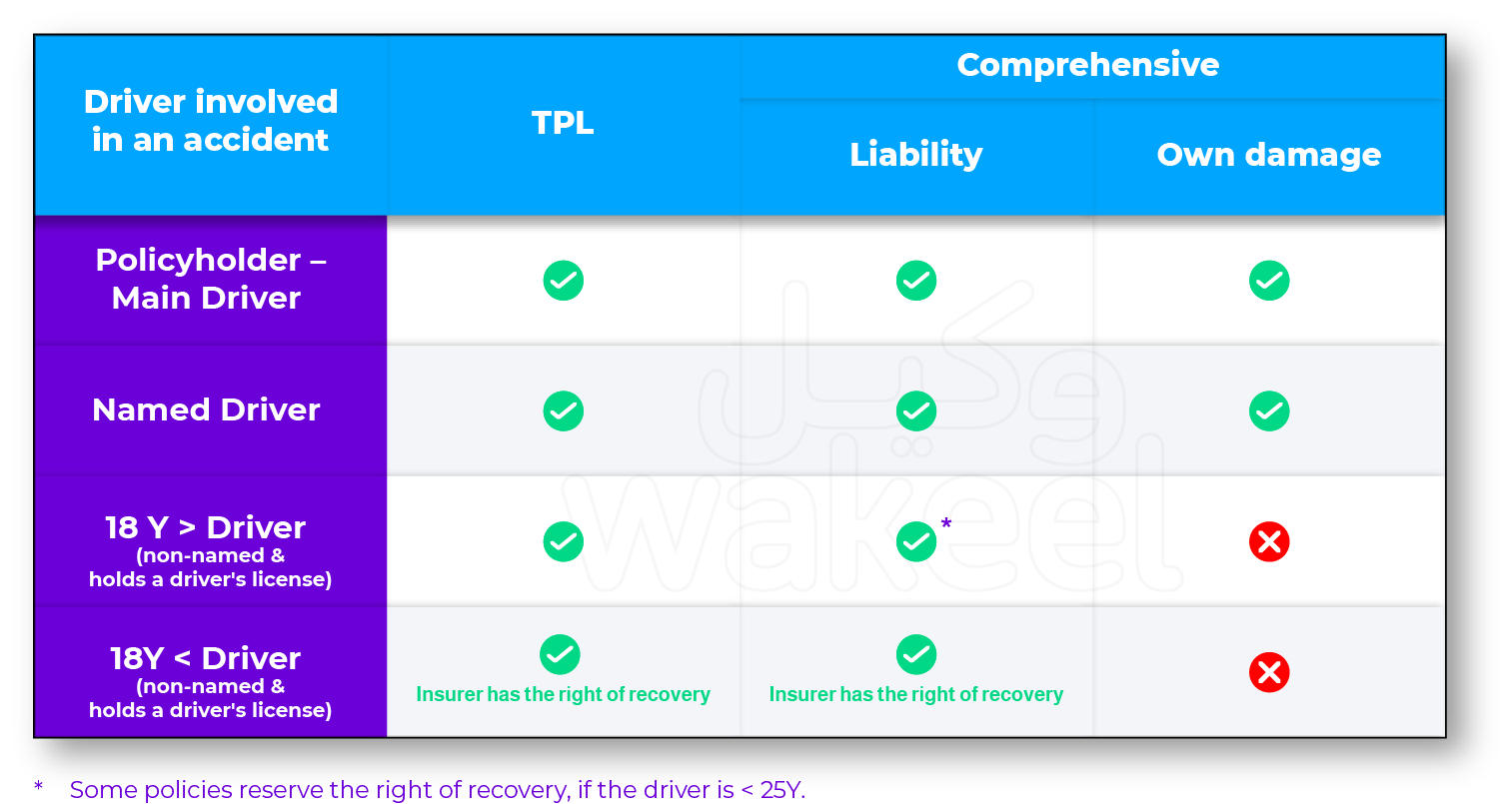
By excluding a driver, you are signing a legal document stating that the specific individual will not operate your vehicle, and if they do, the insurer will provide zero coverage for any resulting damages. This should be viewed as a last resort. If that excluded driver operates your car and causes a crash, you could be held personally liable for damages that exceed your assets, leading to potential bankruptcy or wage garnishment.
Important Considerations for 2026
As of 2026, many insurance carriers have tightened their underwriting guidelines regarding household disclosure. Data sharing between the DMV and insurance companies has become more sophisticated. If you have a licensed driver living in your home, it is increasingly difficult to omit them from your policy reporting. Carriers are now using sophisticated tools to verify household compositions using public records.
Failure to report a household member can lead to a "material misrepresentation" claim. If a claim occurs and the insurer discovers an undisclosed driver was living in the house, they may retroactively adjust the premium, demand back-payment, or deny the claim in its entirety. Always err on the side of full disclosure.
Frequently Asked Questions
Can I keep my child on my policy once they move out for college? Generally, if the child is living in a dormitory, they are still considered part of your household and can remain on your policy. However, once they move into their own apartment or permanent residence, they are usually required to secure their own insurance policy as they are no longer regularly garaging the vehicle at your address.
Does adding a driver always increase my premium? In almost all cases, yes. The insurer is taking on more risk. Even if the driver has a "clean" record, their presence increases the probability of a claim occurring within the policy term. However, the increase is almost always lower than the cost of the added driver purchasing a standalone policy.
What happens if I exclude a driver but they drive my car anyway? This is a dangerous situation. If an excluded driver operates your vehicle, you generally have no coverage. This means you are personally responsible for any medical bills or property damage caused to others, and you would have to pay out-of-pocket for any damage to your own vehicle.
Are there benefits to separate policies even if we live together? Yes. If one person has a significant number of accidents or a DUI, keeping their insurance separate (if the insurer allows it) can prevent their poor driving record from impacting the premium rates of the safe drivers in the household. It isolates the high-risk premium "surcharge" to one policy.
Should I list my spouse as an excluded driver to save money? No. Most insurers will not allow you to exclude a spouse. Because spouses share financial assets, insurers assume there is a high likelihood of the spouse driving the vehicle. If they did allow it, it would leave you with a massive liability gap.
Next Actions and Recommendations
Before making a final decision, contact your insurance agent or log in to your provider’s online portal to run a "what-if" scenario. Request a quote for adding the driver to your current policy and compare that against the cost of a separate policy for that individual.
If you decide to add a driver, ensure you update your liability coverage limits. Adding a new, potentially inexperienced driver increases your overall exposure to major lawsuits. Consider increasing your Bodily Injury and Property Damage liability limits to protect your personal assets. If the driver is moving to a new address, begin the process of setting up their own policy at least 30 days before they move to ensure there is no gap in coverage. Always keep written documentation of your requests to add or remove drivers from your policy to ensure there is an audit trail if a dispute arises regarding coverage status.