Professional AC repair in Conroe involves diagnosing and fixing mechanical, electrical, or refrigerant-based failures in residential and commercial cooling systems. Due to the high humidity and extreme heat in Montgomery County, timely repairs are essential to prevent mold growth, protect indoor air quality, and ensure the energy-efficient operation of high-SEER2 systems common in 2026.
As a resident of Conroe, Texas, you are well aware that a functioning air conditioning system is not a luxury—it is a critical utility. The local climate, characterized by long, sweltering summers and significant humidity levels from nearby Lake Conroe, places immense strain on HVAC components. By the 2026 cooling season, technological shifts in the industry, including the transition to low-GWP (Global Warming Potential) refrigerants and smarter diagnostic tools, have changed how repairs are handled. Understanding the nuances of AC repair in Conroe helps you make informed decisions, whether you are dealing with a minor sensor issue or a major compressor failure.
The Impact of Conroe’s Climate on HVAC Systems
The geographical location of Conroe creates a unique set of challenges for air conditioning equipment. High ambient temperatures often exceeding 100°F, combined with relative humidity that frequently stays above 60%, force AC units to work harder and longer than in drier climates.
Humidity and Latent Heat Loads
In Conroe, your AC unit does two jobs: it lowers the air temperature (sensible cooling) and removes moisture (latent cooling). When humidity is high, the evaporator coil must work overtime to condense water vapor out of the air. This leads to a higher volume of condensate drainage. If the drainage system—including the primary drain line and the safety overflow pan—is not perfectly maintained, Conroe homeowners face frequent "no-cool" calls caused by tripped float switches. These switches shut down the system to prevent water damage, a common repair scenario in the area.
Heat Stress on Electrical Components
Extended run times during July and August lead to heat soak in outdoor condenser units. Capacitors, which provide the initial electrical boost to start the compressor and fan motor, are particularly vulnerable to heat. In Conroe’s climate, a capacitor's lifespan may be significantly shorter than the manufacturer’s estimate. Replacing a "blown" or "weak" capacitor is one of the most frequent AC repairs in the region, often signaled by a humming sound from the outdoor unit or the fan failing to spin.
Identifying Common AC Problems in Conroe Homes
Recognizing the early signs of a failing system can save Conroe residents thousands of dollars in emergency replacement costs. By 2026, many homes are equipped with communicating thermostats that provide error codes, but physical symptoms remain the most reliable indicators.
1. Inadequate Cooling or Weak Airflow
If the air coming from your vents feels lukewarm, the issue could range from a simple clogged pleated filter to a more serious refrigerant leak. In Conroe, weak airflow is often traced back to a "frozen" evaporator coil. This occurs when restricted airflow or low refrigerant levels cause the coil temperature to drop below freezing, turning the condensation into ice and blocking all air passage.
2. Frequent Cycling (Short-Cycling)
If your AC turns on and off every few minutes, it is likely short-cycling. This puts extreme wear on the compressor, the most expensive part of the system. Common causes in Conroe include oversized units (which cool the air too fast without removing humidity) or faulty low-pressure switches that detect a lack of refrigerant.
3. Unusual Noises and Smells
- Squealing: Usually indicates a failing blower motor belt or bearings.
- Grinding: Often points to a problem with the compressor’s internal pistons.
- Musty Smells: Known locally as "Dirty Sock Syndrome," this is caused by bacterial growth on the evaporator coils, a frequent byproduct of Conroe’s high humidity.
Technical Standards and Refrigerant Changes in 2026
As of 2026, the HVAC industry has largely moved away from R-410A in new installations, transitioning to mildly flammable (A2L) refrigerants like R-454B and R-32. For homeowners in Conroe with systems installed prior to 2025, AC repair often involves managing the rising costs of R-410A.
The Shift to Low-GWP Refrigerants
Federal regulations have phased out the production of high-GWP refrigerants. If your Conroe home has an older unit that develops a leak, the repair process now involves a critical "repair vs. replace" calculation. Recharging an older system with R-410A has become significantly more expensive. Technicians must now use specialized, spark-proof tools and recovery equipment when working on the newer A2L systems to ensure safety.
SEER2 Compliance
Repairing a modern system in Conroe requires an understanding of SEER2 (Seasonal Energy Efficiency Ratio 2) standards. These units utilize variable-speed compressors and sophisticated electronic expansion valves (EXVs). Unlike older "on-off" systems, 2026-era AC repair requires advanced diagnostic computers to calibrate the flow of refrigerant precisely, ensuring the system maintains its high-efficiency rating.
Breakdown of Common AC Repair Costs in Conroe
While prices vary based on the specific neighborhood and the complexity of the system, the following table provides a generalized outlook for AC repair costs in the Conroe area for the 2026 season.
| Repair Service Type | Estimated Cost Range (USD) | Complexity Level | Typical Turnaround Time |
|---|---|---|---|
| Diagnostic/Service Call | $85 – $150 | Low | 30 – 60 Minutes |
| Capacitor Replacement | $150 – $350 | Low | 1 Hour |
| Contactor Replacement | $150 – $300 | Low | 1 Hour |
| Blower Motor Repair | $450 – $900 | Medium | 2 – 4 Hours |
| Evaporator Coil Cleaning | $300 – $600 | Medium | 2 – 3 Hours |
| Refrigerant Leak Detection | $200 – $500 | High | 1 – 3 Hours |
| Refrigerant Recharge (R-410A) | $150 – $250 per lb | Medium | 1 – 2 Hours |
| Compressor Replacement | $1,800 – $3,500 | Very High | 4 – 8 Hours |
Note: Costs are estimates and can be influenced by warranty status and the specific brand of the equipment.
Choosing a Qualified AC Repair Technician in Conroe
The Texas Department of Licensing and Regulation (TDLR) oversees HVAC contractors. When seeking AC repair in Conroe, verifying the technician's credentials is the most important step in protecting your investment.
Licensing and Insurance
In Texas, a "Class A" license allows a contractor to work on any size unit, while a "Class B" license limits them to cooling systems of 25 tons or less (standard for residential). Ensure the company carries both general liability insurance and workers' compensation. This protects you if a technician is injured on your property or if a repair leads to accidental damage, such as a refrigerant spill or electrical fire.
Local Reputation and Reviews
Conroe is a community where word-of-mouth matters. Look for companies with a physical presence in Montgomery County. Local contractors understand the specific environmental stressors of the area, such as the impact of pine needles from the surrounding forest on outdoor condenser coils or the prevalence of power surges during Gulf Coast thunderstorms.
Transparency in Pricing
Avoid "estimates over the phone." A reputable Conroe AC repair professional will perform a physical inspection before providing a binding quote. In 2026, many top-tier companies provide digital reports including photos of the failed components and a clear breakdown of labor vs. parts.
The Diagnostic Process: What to Expect
When a technician arrives at your Conroe home, the repair process typically follows a standardized technical workflow.
- Initial Consultation: The technician will ask about the symptoms, such as when the problem started and if you’ve noticed changes in your electricity bill.
- Thermostat and Airflow Check: Verification that the control system is sending signals and that the air filter is not the primary culprit.
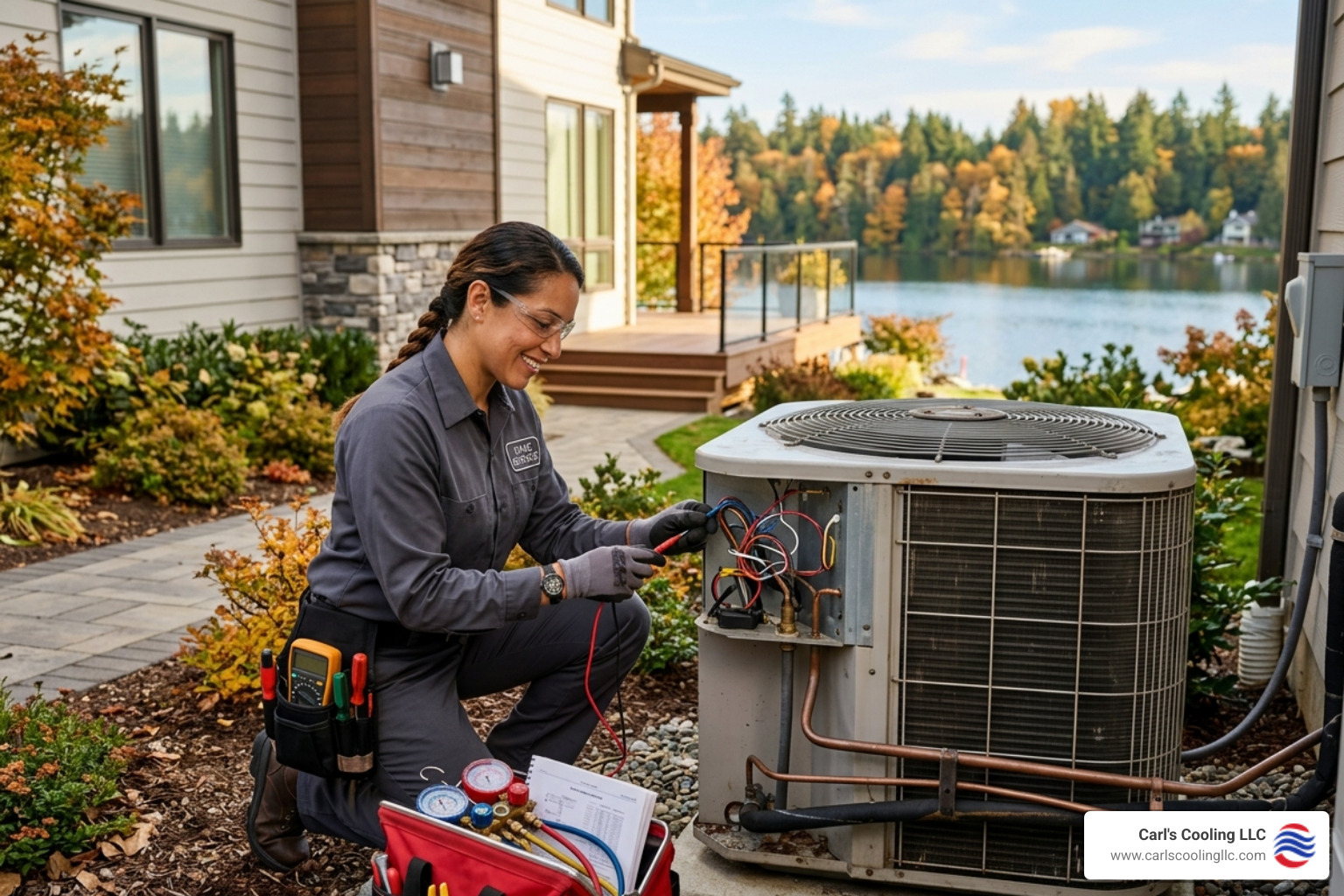
- Electrical Testing: Using a multimeter to check voltages and microfarad readings on capacitors and contactors.
- Refrigerant Pressure Analysis: Attaching gauges to the service valves to check subcooling and superheat levels. This determines if the system is undercharged, overcharged, or suffering from a restriction.
- Component Inspection: Checking the integrity of the indoor evaporator coil and the outdoor condenser coil for dirt, debris, or corrosion.
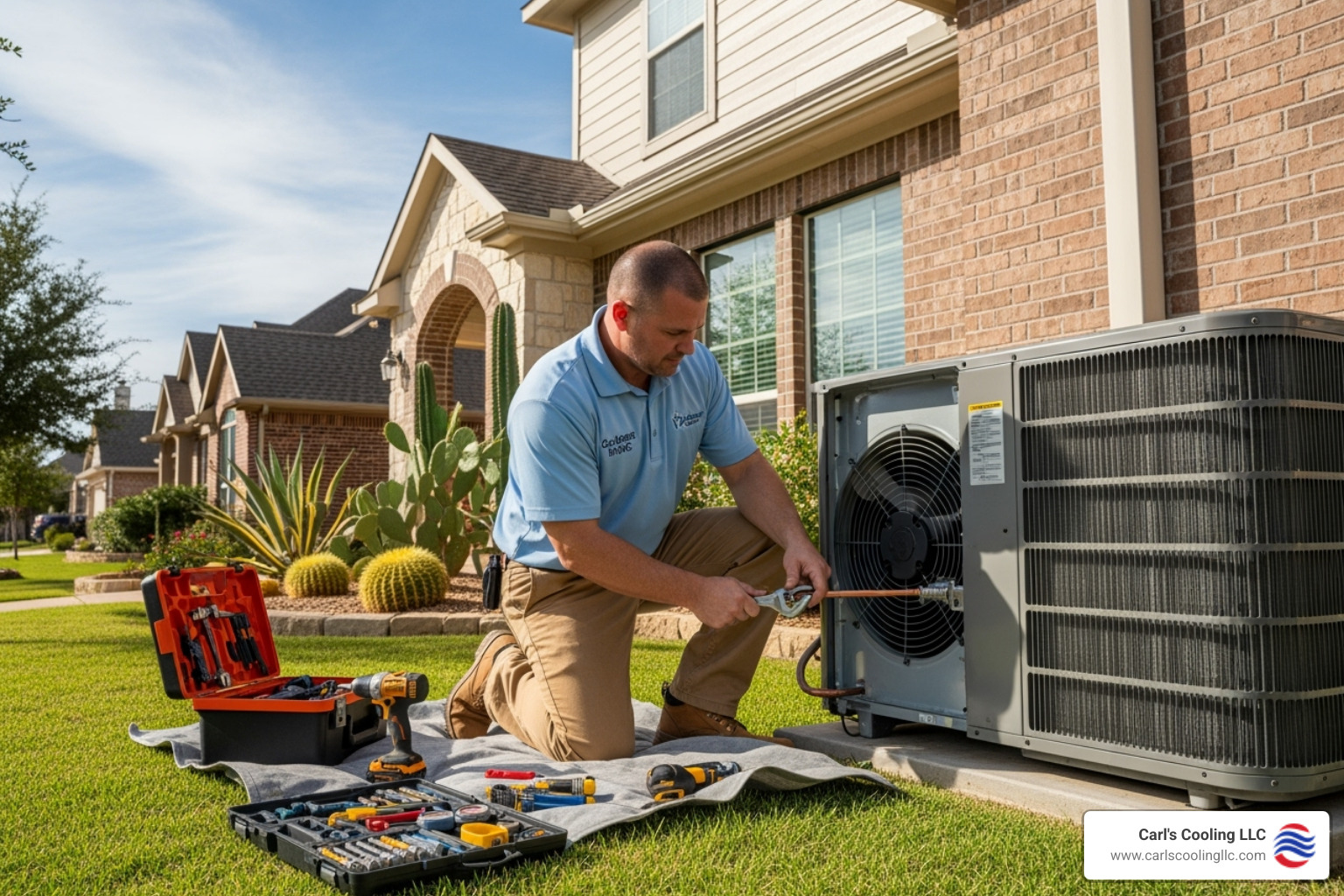
- Recommendation and Repair: The technician provides a solution. If you agree, most common repairs (like capacitors or fan motors) can be completed on the spot using parts stocked on the service truck.
Preventative Measures to Avoid Costly Repairs
The best way to handle AC repair in Conroe is to prevent the need for it through rigorous maintenance. Given the high utilization rates of HVAC systems in Texas, a "set it and forget it" mentality often leads to mid-summer breakdowns.
Monthly Filter Changes
In the dusty, pollen-heavy environment of East Texas, standard 1-inch filters should be changed every 30 days. High-efficiency HEPA filters may last longer but can restrict airflow if they become even slightly clogged, leading to compressor strain.
Annual Coil Cleaning
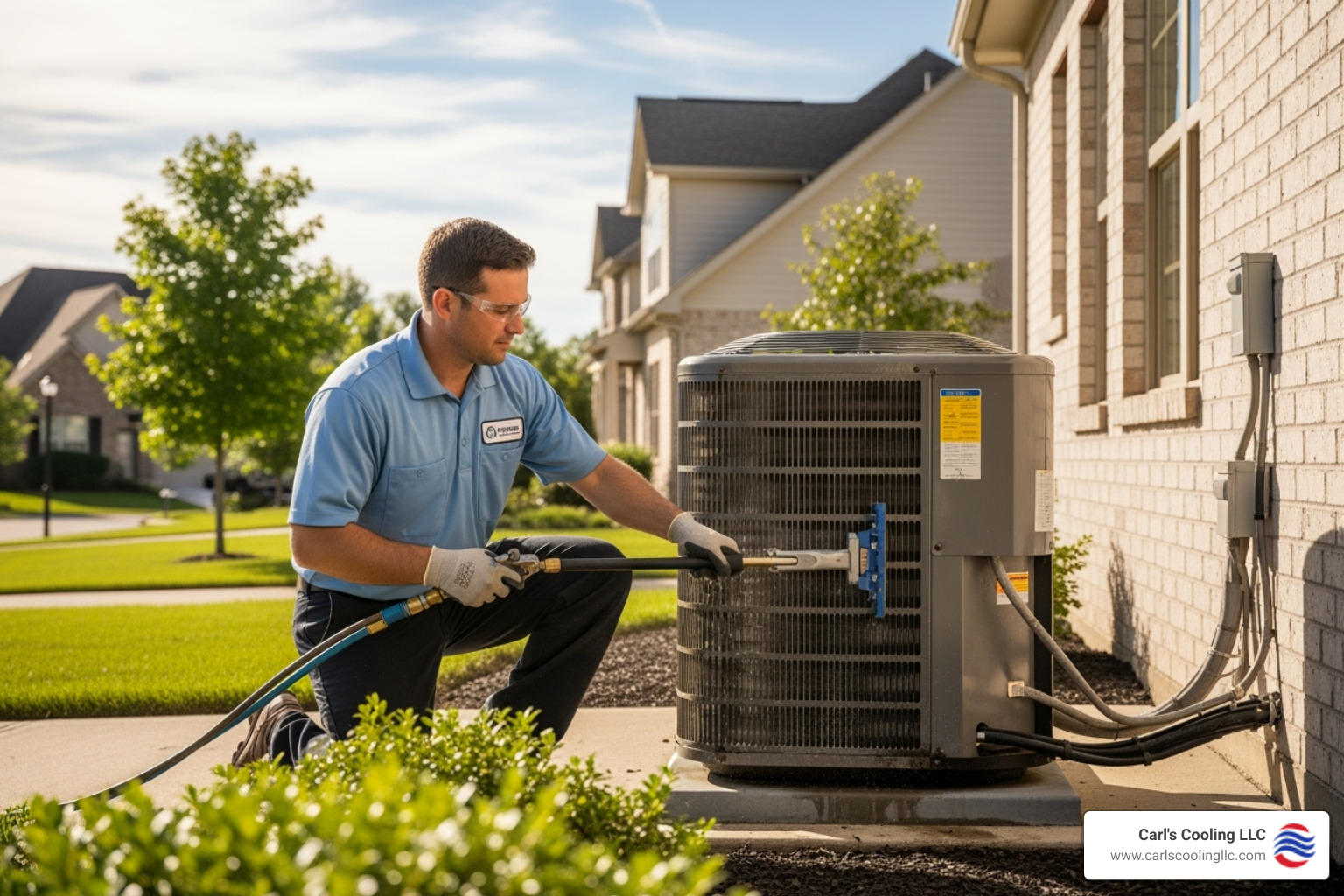
Outdoor units in Conroe are often subject to "blanketing" by organic debris. A gentle rinse with a garden hose (not a pressure washer) can remove dust and grass clippings, allowing for better heat exchange. Professional chemical cleaning of the indoor evaporator coil should be performed every two to three years to prevent the buildup of biological growth.
Clearing Condensate Lines
Pouring a cup of white vinegar down the condensate drain line every few months can help prevent the growth of algae and "sludge" that leads to clogs. In Conroe’s humidity, this is a critical step in avoiding water-related system shutdowns.
Frequently Asked Questions
Why is my AC running but not cooling my Conroe home?
This is usually caused by a tripped breaker, a failed capacitor, or a refrigerant leak. If the outdoor fan is spinning but the air inside is warm, the compressor may not be engaging. Turn the system off immediately to prevent further damage and call a professional, as continuing to run a failing unit can burn out the motor.
Is it worth repairing a 10-year-old AC unit in Texas?
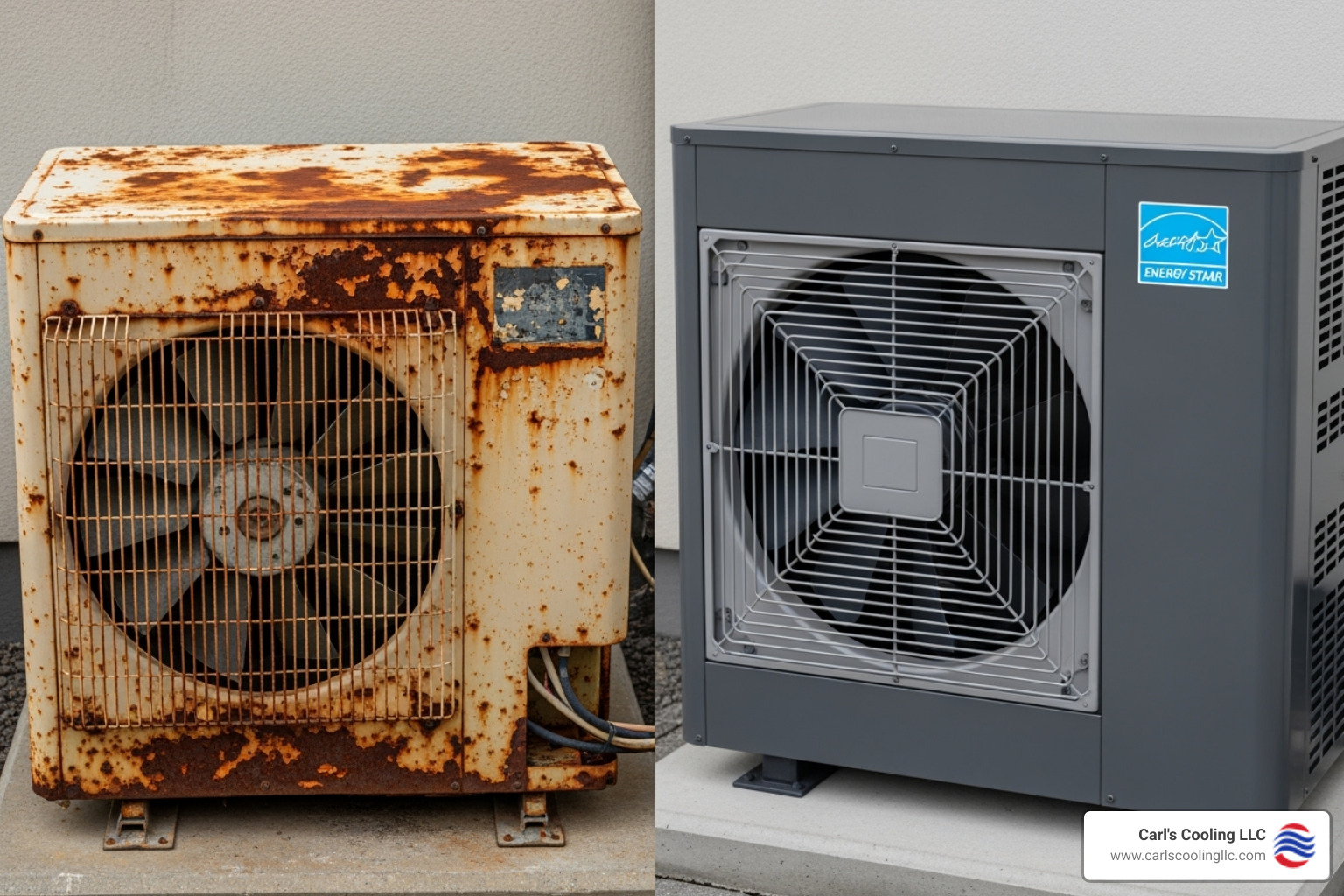
In 2026, the 10-year mark is a critical decision point. While a repair like a capacitor or contactor is worthwhile, a major failure like a leaking evaporator coil or a dead compressor often signals that replacement is more cost-effective. Newer systems are significantly more efficient and use modern refrigerants that are cheaper to maintain than the phasing-out R-410A.
How often should I have my AC serviced in Conroe?
You should schedule professional maintenance twice a year: once in the spring before the heat hits, and once in the fall. In Conroe, the spring service is particularly vital to ensure the system is ready for the 90°F+ days that often arrive as early as May.
Can I perform my own AC repairs?
Most AC repairs in Texas require a TDLR license and EPA Section 608 certification to handle refrigerants. While homeowners can change filters and clear debris from around the outdoor unit, attempting to repair electrical components or refrigerant lines is dangerous and usually voids any remaining manufacturer warranties.
What should I do if my AC starts leaking water inside?
Turn the system off at the thermostat and the breaker. This is likely a clogged drain line or a frozen coil. If you leave it running, the water can damage your drywall, flooring, and even lead to mold issues within the HVAC closet or attic. A technician will need to "blow out" the drain line or find the source of the freezing.
Final Recommendation for Conroe Homeowners
If your air conditioner is struggling to keep up with the Conroe heat, do not wait for a total system failure. Small issues, such as a failing sensor or a slightly low refrigerant charge, can quickly escalate into expensive compressor damage if left unaddressed. Contact a licensed, local HVAC contractor to perform a full diagnostic. For the best results, prioritize companies that offer comprehensive service reports and have a proven history of serving the Montgomery County area. Taking action now ensures that your home remains a cool sanctuary, regardless of how high the Texas thermometer climbs in 2026.