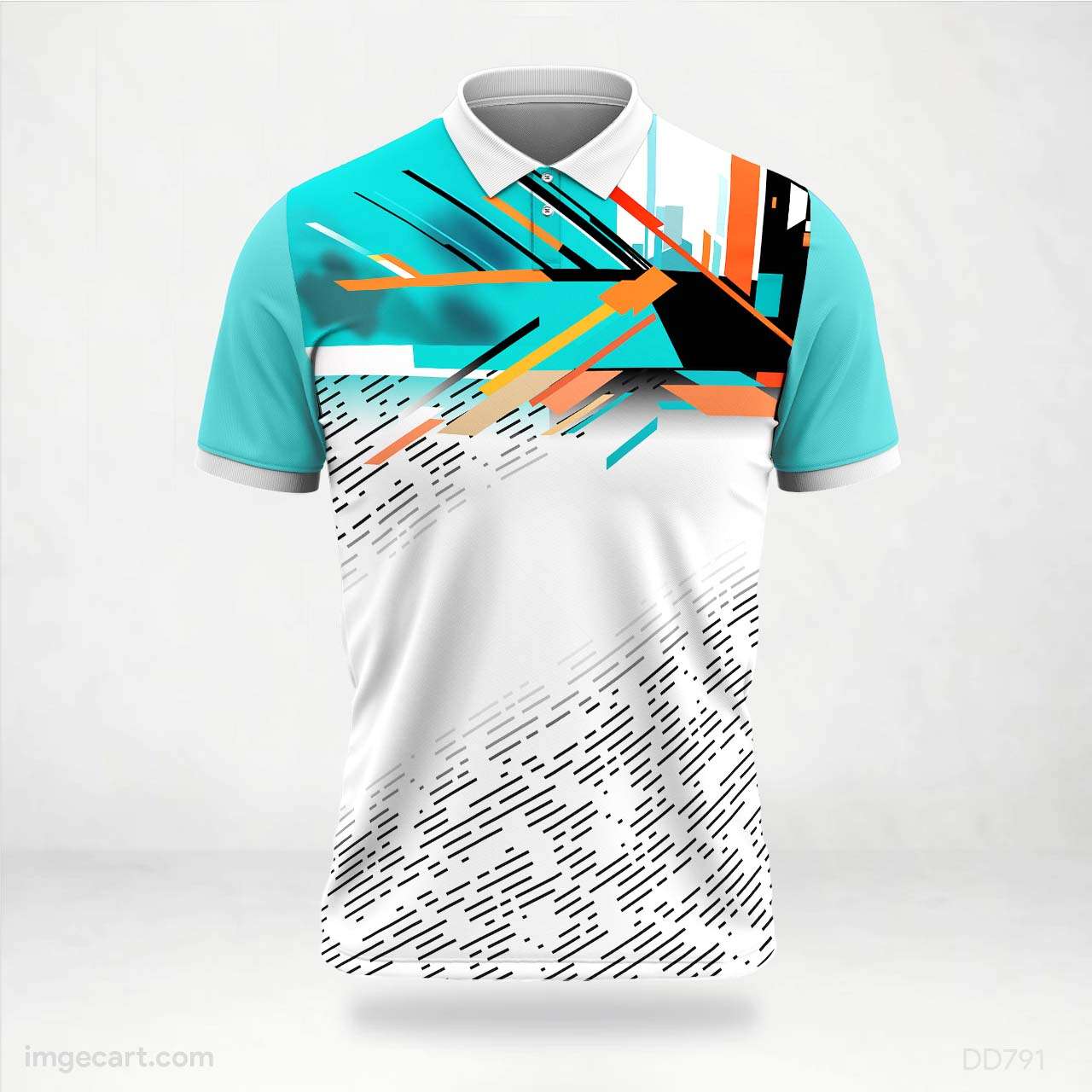
The abstract design sleeve jersey represents the pinnacle of modern sportswear engineering, merging high-performance moisture-wicking textiles with avant-garde aesthetic expression. By integrating sophisticated dye-sublimation printing techniques onto technical base fabrics, these garments provide athletes and enthusiasts with a functional canvas that enhances brand identity, team recognition, and personal style without compromising aerodynamic efficiency or thermal regulation.
The Evolution of Aesthetic Integration in Performance Wear
Historically, sports apparel functioned almost exclusively through the lens of utility. Jersey designs were restricted by the limitations of heavy embroidery, thick screen printing, and rigid color-blocking. In the mid-2010s, the adoption of digital sublimation—a process where ink is transformed into a gas and bonded into the fabric fibers—revolutionized the industry.
Today, in 2026, the term "abstract design sleeve jersey" refers to a specific subset of technical clothing where the sleeve—often the most visible part of an athlete's profile during movement—serves as a primary zone for complex visual data. Unlike traditional kits that rely on static logos, abstract designs utilize geometric patterns, fluid gradients, and generative art to create a sense of motion. This marriage of art and performance is not merely cosmetic; it is a strategic choice in sports psychology and professional branding.
Technical Specifications of Modern Performance Textiles
The efficacy of an abstract design jersey rests on the integration of its graphic design with the underlying fabric science. When art is applied to these garments, it must accommodate the functional requirements of the material.
Moisture-Wicking and Breathability
High-performance jerseys utilize polyester-elastane blends, often featuring micro-pore structures. When an abstract design is applied, the printing process must ensure that the ink does not clog the interstitial spaces of the fabric. If the pores are sealed by an over-application of pigment, the garment loses its ability to transfer moisture away from the skin, leading to thermal buildup and discomfort during high-intensity activity.
Elasticity and Compression
The sleeves are frequently manufactured with varying levels of compression to support muscle stability and reduce oscillation during movement. Abstract designs often incorporate "directional" patterns—designs that appear to stretch or compress in tandem with the athlete's anatomy. Designers must account for the "stretch-to-distortion" ratio, ensuring the artwork maintains its intended visual impact even when the fabric is under maximum tension.
Durability and UV Protection
Modern jerseys often include UPF (Ultraviolet Protection Factor) ratings. High-quality abstract designs must be cured to withstand frequent washing and exposure to UV radiation. Since the ink resides within the fiber rather than sitting on top of it, the abstract design remains vibrant without cracking or peeling, a significant advantage over legacy printing methods like vinyl heat transfer.
Designing for the Sleeve: Why This Zone Matters
The sleeve has become the "high-real estate" area of the modern jersey for several physiological and marketing reasons.
- Visibility during Motion: In cycling, running, and tennis, the arms are in constant movement. A complex, abstract design on the sleeve creates a "strobe" effect that catches the eye of spectators and cameras more effectively than a static pattern on the torso.
- Ergonomic Mapping: Designers use the natural curvature of the bicep and tricep to create three-dimensional illusions. By applying warped grids or fluid patterns, designers can emphasize the muscular definition of the athlete, turning the garment into a second-skin aesthetic enhancer.
- Reduced Seaming: Advanced manufacturing now allows for "seamless" or "bonded" sleeve constructions. By eliminating heavy seams, the designer has a continuous surface area to work with, allowing for wrapping designs that flow uninterrupted from the shoulder to the cuff.
Comparative Analysis of Printing and Construction Techniques
Choosing the right production method is critical for balancing artistic fidelity with performance longevity.
| Feature | Digital Sublimation | Direct-to-Garment (DTG) | Screen Printing |
|---|---|---|---|
| Breathability | High (Ink permeates fiber) | Low (Ink sits on top) | Low (Plastic-based layer) |
| Design Complexity | Unlimited (Full spectrum) | High (Photographic) | Low (Spot colors) |
| Longevity | Excellent (Fade-resistant) | Moderate (Prone to cracking) | Moderate (Peeling risk) |
| Weight | Featherlight | Heavier | Heavy/Rigid |
As evidenced in the table above, digital sublimation is the industry standard for performance jerseys, as it preserves the integrity of the technical fabrics.
Practical Considerations for Procurement and Maintenance
For teams, clubs, or individual athletes commissioning abstract design sleeve jerseys, the process involves more than just aesthetics.
The Prototyping Phase
Before a full order is placed, one must request "swatch testing." This involves printing the proposed abstract design on the specific fabric blend selected for the final product. This ensures the colors match the brand’s digital palette and that the ink application does not negatively impact the fabric's natural stretch or moisture-wicking capabilities.
Maintenance and Fabric Care
To preserve the aesthetic and technical performance of the garment, follow these industry-standard care protocols:
- Avoid Fabric Softeners: These coat the fibers in a chemical film that prevents the moisture-wicking process and can blur the sharpness of the abstract design.
- Cold Water Cycles: Heat can affect the integrity of the elastane fibers. Washing in cold water maintains the structural fit of the sleeves.
- Air Drying: Mechanical drying introduces friction and high heat that can degrade the dye-sublimation bond over time. Air drying is the preferred method for maintaining both the art and the performance technology.
Resolving Challenges: Balancing Design with Visibility
A common mistake in the production of abstract design jerseys is the "visual noise" trap. When a design is too chaotic, it can inadvertently mask essential identifiers like team logos, sponsors, or race numbers.
To solve this, designers use "negative space anchoring." This involves reserving solid-color "zones" on the torso or chest where sponsors can be placed, allowing the abstract elements to remain confined to the sleeves. This creates a balanced visual hierarchy that keeps the jersey looking like an artistic garment rather than a cluttered canvas.
Frequently Asked Questions
1. Does the abstract design affect the weight of the jersey? No, in the case of dye-sublimation, the ink bonds with the fabric at a molecular level, adding negligible weight to the garment. This is a primary benefit over traditional screen printing.
2. Can abstract designs be applied to existing jerseys? Generally, no. Performance abstract designs are applied at the fabric stage before the garment is cut and sewn. Applying a design to a finished, sewn jersey usually requires heat transfers, which are heavier and less breathable.
3. Why do professional athletes prefer seamless sleeves with abstract prints? Seamless construction minimizes skin chafing during repetitive motions. When combined with abstract designs, it creates a cleaner, more professional look that does not break up the visual flow of the artwork.
4. How does the choice of fabric influence color vibrancy? High-synthetic blends like recycled polyester hold dye-sublimation pigments much more vividly than natural fibers like cotton. The glossier the surface of the synthetic fiber, the higher the perceived vibrancy of the abstract design.
5. Are abstract sleeve designs more expensive than solid colors? Yes, usually by a small margin. The design cost associated with creating complex, seamless, or continuous patterns is higher, and the digital sublimation process requires precise equipment calibration to ensure pattern alignment across the sleeve seams.
6. What is the shelf-life of a high-performance abstract jersey? With proper care, a high-quality sublimated jersey can maintain its structural performance and visual vibrancy for 3 to 5 years of regular, competitive use.
Final Recommendation
For those looking to integrate abstract design into their performance wear, the path forward is clear: prioritize the selection of high-grade synthetic textiles and utilize digital sublimation as your printing method. Start by defining your "visual anchors"—the areas on the torso that must remain clean for branding—before letting your artistic, abstract elements flow naturally onto the sleeves. By focusing on the synergy between fiber technology and digital design, you can produce a garment that is as effective in competition as it is compelling in aesthetic impact.