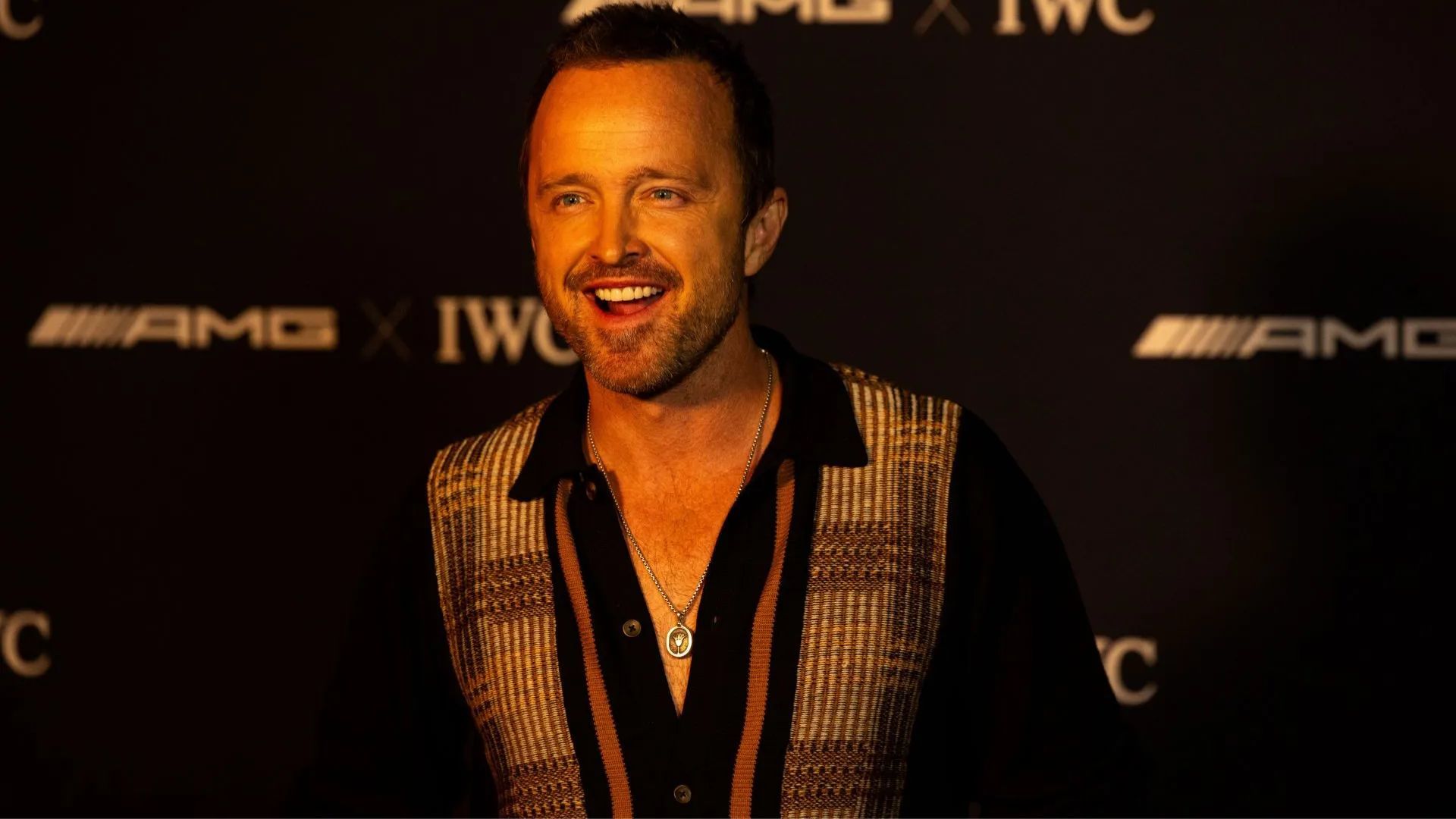
Aaron Jagdfeld’s net worth reflects his long-standing tenure as the Chairman and Chief Executive Officer of Generac Holdings Inc., a leading designer and manufacturer of energy technology solutions and other power products. While precise private net worth figures for corporate executives outside of major public filings fluctuate based on stock market performance and equity vesting schedules, his financial standing is primarily tied to his extensive executive compensation, restricted stock units, and performance shares accumulated over decades within the power equipment industry.
The Executive Profile of Aaron Jagdfeld
To understand the mechanics behind Aaron Jagdfeld's net worth, one must examine his professional trajectory within Generac Holdings Inc. Jagdfeld has spent the majority of his professional career ascending through the ranks of the Wisconsin-based power equipment manufacturer, culminating in his appointment as CEO in 2008 and subsequent chairman role. Under his leadership, Generac transitioned from a predominantly residential standby generator manufacturer into a broader energy technology and grid services enterprise.
Executive wealth in publicly traded companies like Generac (NYSE: GNTC) is rarely accumulated through a static cash salary. Instead, it is heavily indexed to corporate performance, equity grants, and long-term incentive plans. When assessing executive net worth, financial analysts look at three primary pillars: base compensation, stock ownership guidelines, and open-market equity transactions or holdings filed with the Securities and Exchange Commission (SEC).
Sources of Executive Wealth and Compensation Structure
The financial profile of a public company chief executive officer is shaped by a structured compensation framework designed to align executive outcomes with shareholder returns. Jagdfeld’s compensation package typically includes several distinct components reported annually in Generac’s proxy statements filed with the SEC.
Base Salary and Short-Term Incentives
The base salary represents the fixed cash component of an executive’s annual earnings. While substantial compared to median employee wages, it forms a minor percentage of total executive net worth accumulation over a multi-decade career. Short-term incentives, or annual cash bonuses, are tied directly to financial performance metrics such as adjusted EBITDA, net sales growth, and operational cash flow targets.
Long-Term Equity Awards
The most significant driver of net worth for executives like Jagdfeld comes from long-term equity incentives. These typically consist of a mix of:
- Restricted Stock Units (RSUs): Shares that vest over a multi-year service period, providing a stable equity baseline.
- Performance Stock Units (PSUs): Shares earned conditional upon the achievement of specific multi-year financial goals, such as relative total shareholder return (TSR) compared to peer group indices.
- Stock Options: Rights to purchase company stock at a fixed exercise price, offering high leverage if the company's valuation expands over time.
Overview of Generac Holdings Inc. Growth and Market Valuation
An executive's net worth tied to company equity is directly influenced by the macroeconomic environment and the operational success of the enterprise. During Jagdfeld’s tenure as CEO, Generac experienced periods of extraordinary growth, driven by several key market catalysts:
- Weather Events and Grid Reliability: Increasing frequency of severe weather events and aging electrical grid infrastructure drove unprecedented consumer demand for home standby generators.
- Strategic Diversification: Generac expanded its product portfolio into clean energy solutions, commercial and industrial generators, battery storage systems, and energy management software.
- Mergers and Acquisitions: Strategic acquisitions of companies in the clean energy and energy monitoring sectors broadened Generac’s addressable market and integrated vertically.
These business milestones directly impacted the share price of Generac Holdings Inc., lifting the valuation of insider holdings and increasing the aggregate value of equity-based compensation packages.
Comparative Executive Wealth in the Manufacturing Sector
Evaluating Aaron Jagdfeld's financial standing requires context relative to other chief executive officers in the industrial machinery and power equipment manufacturing sectors. Public company executive compensation is benchmarked regularly by independent compensation consultants retained by corporate boards of directors.
| Executive Component | Typical Public CEO Structure | Generac Alignment |
|---|---|---|
| Base Salary | Fixed annual cash compensation | Aligned with mid-cap industrial peers |
| Annual Cash Bonus | Performance-based metrics (EBITDA, Revenue) | Tied to annual corporate scorecards |
| Equity Mix | Weighted heavily toward long-term value | Predominantly RSUs and TSR-indexed PSUs |
| Stock Ownership Guidelines | Multiple of base salary (e.g., 5x to 6x) | Strictly enforced via board policy |
Factors Influencing Fluctuations in Executive Net Worth
Public executive net worth figures cited in financial media or wealth-tracking profiles are often estimates because they rely on publicly available SEC Form 4 filings (statement of changes in beneficial ownership) rather than private financial statements. Several variables cause these estimates to fluctuate:
- Stock Price Volatility: Because a large portion of net worth is held in company stock, daily market fluctuations directly alter total portfolio value.
- Vesting Schedules: Equity awards vest incrementally over time. The release of new shares can temporarily increase net worth, while tax-related share withholding (sell-to-cover transactions) reduces total share counts.
- Diversification and Liquid Sales: Executives frequently execute pre-arranged trading plans (under SEC Rule 10b5-1) to systematically diversify their personal portfolios by selling vested shares for estate planning, philanthropic, or personal investment purposes.
Frequently Asked Questions
What is Aaron Jagdfeld's exact net worth?
Exact net worth figures for corporate executives are rarely published with 100% precision because private assets, real estate holdings, and personal investment portfolios are not a matter of public record. However, public SEC filings detailing his stock ownership in Generac Holdings Inc. provide a baseline for estimating his equity-driven wealth.
How long has Aaron Jagdfeld been the CEO of Generac?
Aaron Jagdfeld has served as the Chief Executive Officer of Generac Holdings Inc. since 2008. Prior to taking the helm as CEO, he held other executive financial and operational positions within the company, including Chief Financial Officer.
What constitutes the majority of Aaron Jagdfeld's wealth?
The vast majority of an executive's wealth in a publicly traded corporation comes from equity compensation, including direct stock ownership, unvested restricted stock units, and performance-based equity awards tied to company performance.
Does Aaron Jagdfeld sell Generac stock regularly?
Like many corporate insiders, Jagdfeld occasionally executes stock sales or transfers. Many of these transactions are conducted through pre-arranged Rule 10b5-1 trading plans to avoid insider trading concerns and to manage personal financial diversification.
Where is Generac Holdings Inc. headquartered?
Generac Holdings Inc. is headquartered in Waukesha, Wisconsin, where the company operates major manufacturing, engineering, and corporate administrative facilities.
Conclusion and Financial Perspective
Analyzing Aaron Jagdfeld net worth highlights the direct correlation between long-term corporate leadership and equity-based wealth accumulation in modern American enterprise. As the leader of Generac Holdings Inc. through significant periods of expansion, his financial profile is inextricably linked to the market performance, operational execution, and strategic evolution of the power equipment sector. For investors and market analysts, tracking executive equity holdings provides valuable insight into leadership alignment with long-term shareholder value.