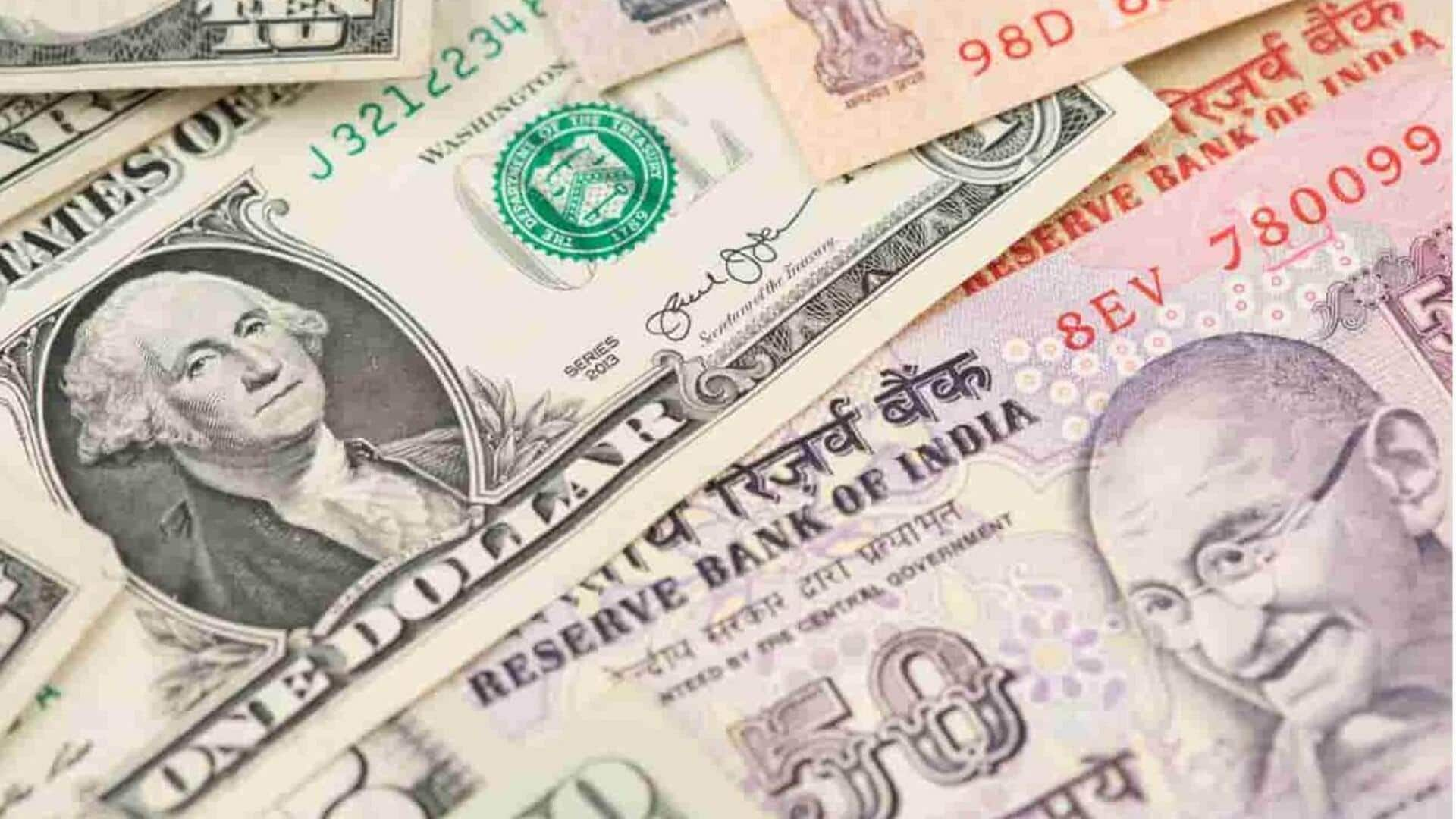
As of mid-2026, the conversion of 94.45 US Dollars (USD) into Indian Rupees (INR) yields approximately 8,417.38 INR, based on a prevailing mid-market exchange rate of 89.12 INR per 1 USD. This value reflects the ongoing fluctuations in the global foreign exchange market, influenced by contemporary central bank policies and trade dynamics between the United States and India.
Foreign exchange rates are never static; they oscillate based on a complex interplay of macroeconomic indicators, geopolitical events, and market sentiment. For individuals looking to convert $94.45 into Rupees today, it is essential to distinguish between the mid-market rate seen on search engines and the actual "buy" or "sell" rates offered by commercial banks and digital remittance platforms. Understanding these nuances ensures that you maximize the value of your currency transfer while minimizing unnecessary fees.
The 2026 Economic Context of USD to INR Conversions
In 2026, the exchange rate between the US Dollar and the Indian Rupee continues to be a focal point for international trade and the vast Indian diaspora. The Rupee has experienced a period of controlled volatility as the Reserve Bank of India (RBI) manages its foreign exchange reserves to maintain stability against the backdrop of global inflationary pressures.
The US Dollar remains the world’s primary reserve currency, but its strength against the Rupee in 2026 is tempered by India’s robust domestic growth and its increasing role in global supply chains. For a transaction involving $94.45, the difference of even a few paise in the exchange rate can alter the final amount received, making it crucial to monitor real-time data from authoritative sources such as the Reserve Bank of India.
Factors Influencing the Rate Today
Several factors contribute to the current valuation of the Rupee against the Dollar:
- Interest Rate Differentials: The gap between the Federal Reserve’s federal funds rate and the RBI’s repo rate determines the flow of "hot money." Higher relative rates in the US often draw capital away from emerging markets, putting downward pressure on the Rupee.
- Trade Balance: India's trade deficit or surplus, particularly in relation to energy imports like crude oil, significantly impacts the demand for Dollars.
- Foreign Portfolio Investment (FPI): The movement of capital into Indian equity and debt markets by global investors provides the necessary liquidity to support the Rupee's value.
- Geopolitical Stability: In 2026, regional stability and international trade agreements continue to play a pivotal role in investor confidence.
Conversion Table for US Dollars to Indian Rupees (2026 Estimates)
To provide a broader perspective on the value of the Dollar in the current market, the following table illustrates various conversion points based on the 2026 mid-market rate of approximately 89.12 INR.
| US Dollar (USD) | Indian Rupee (INR) | Equivalent Value Description |
|---|---|---|
| $1.00 | ₹89.12 | Base Mid-Market Rate |
| $10.00 | ₹891.20 | Small Retail Transaction |
| $50.00 | ₹4,456.00 | Standard Subscription/Service Fee |
| $94.45 | ₹8,417.38 | Current Target Conversion |
| $100.00 | ₹8,912.00 | Standard Benchmarking Unit |
| $500.00 | ₹44,560.00 | Significant Personal Remittance |
| $1,000.00 | ₹89,120.00 | High-Value Transfer |
Note: These figures are based on mid-market rates. The actual rate provided by your bank or transfer service will typically include a "spread" or markup.
The Difference Between Mid-Market Rates and Transactional Rates
When you search for "94 45 one us dollar in indian rupees today," the result you see (often referred to as the "interbank rate") is the rate at which banks trade currency with each other. However, individual consumers rarely have access to this exact rate.
The "Spread" Explained
Most financial institutions add a percentage to the mid-market rate to cover their operational costs and generate profit. This is known as the "spread." For a $94.45 conversion, a bank might offer a rate of 87.50 INR instead of the 89.12 INR mid-market rate. This difference means you would receive less in your Indian bank account than the theoretical maximum.
Hidden Fees and GST
In India, foreign currency conversions are subject to specific taxes. Under the Goods and Services Tax (GST) framework (specifically Rule 32(2)(b) of the CGST Rules), a small percentage of the value is taxed based on the total amount being converted. For a sum like ₹8,417.38, the GST is relatively low, but it is a factor that professional remittance services must disclose.
Best Practices for Converting $94.45 to INR
Whether you are receiving a payment for freelance work, a gift from a relative, or converting travel funds, following these steps can help you secure a better rate.
1. Compare Digital Remittance Services
By 2026, fintech platforms have significantly disrupted traditional banking for currency transfers. Companies like Wise, Revolut, and Remitly often provide rates much closer to the mid-market value compared to legacy banks. They are transparent about their fees, which are usually displayed upfront.
2. Avoid Airport Currency Exchanges
Converting $94.45 at an airport kiosk is generally the least cost-effective method. These outlets often have the widest spreads and high service fees because they cater to convenience rather than competitive pricing. If you need cash upon arrival in India, using an ATM with a travel-friendly debit card often yields a better rate.
3. Use UPI for Domestic Spending
If you are physically in India, the Unified Payments Interface (UPI) has expanded its international integration by 2026. Some foreign cards and apps now allow direct UPI payments, which convert your Dollars at the point of sale. This can be more efficient than carrying large amounts of cash.
4. Monitor the "Live" Rate
Currency markets operate 24/5. The rate for $94.45 might be different at 10:00 AM than it is at 4:00 PM, especially if the US Federal Reserve releases new economic data during those hours. Using a live currency tracker can help you time your transfer.
Why 94.45 USD is a Notable Figure
In the context of the 2026 economy, $94.45 represents a significant amount for various consumer and business activities. For an individual in India, ₹8,400+ can cover several days of high-end accommodation, a month of comprehensive groceries for a small family, or a substantial portion of a domestic flight ticket.
For freelancers and "gig economy" workers, this amount often represents a project milestone or a specific daily rate. Ensuring that you receive the maximum Rupee equivalent for this specific Dollar amount is vital for maintaining profit margins in a globalized workforce.
Legal and Regulatory Requirements (LRS and Beyond)
When transferring money into India, the Reserve Bank of India’s Liberalized Remittance Scheme (LRS) and the Foreign Exchange Management Act (FEMA) guidelines must be followed. While $94.45 is well below the thresholds that trigger intensive scrutiny or high Tax Collected at Source (TCS) rates—which often apply to outward remittances exceeding ₹7 lakh—it is still subject to "Know Your Customer" (KYC) protocols.
Ensure that your receiving bank in India has your updated PAN (Permanent Account Number) and Aadhaar details to avoid delays in crediting the funds. Most modern apps handle this verification digitally during the setup process.
Frequently Asked Questions
What is the exact value of $94.45 in INR today?
As of today in 2026, $94.45 is approximately ₹8,417.38. This is based on a mid-market rate of 89.12. However, the final amount you receive will depend on the service provider's fees and the specific "sell rate" they apply at the time of the transaction.
Why does the conversion rate change every day?
The USD/INR exchange rate is "floating," meaning it is determined by supply and demand in the global market. Factors like India’s inflation rate compared to the US, political stability, and the amount of foreign currency held by the RBI all cause the rate to shift continuously.
Are there any taxes on receiving $94.45 in India?
If the money is a gift from a relative (as defined by the Income Tax Act), it is generally tax-free. If it is income from services rendered, it is taxable as part of your total income. Additionally, the bank will charge a small GST on the currency conversion service itself, though for $94.45, this amount is negligible.
Which bank provides the best USD to INR rate in 2026?
Generally, specialized online remittance services provide better rates than major commercial banks like SBI, HDFC, or ICICI. However, some "Neo-banks" and premium accounts at traditional banks may offer "zero-markup" rates for high-tier customers. Always compare the "Net Amount Received" rather than just the exchange rate.
Is now a good time to convert USD to INR?
In 2026, the Rupee has shown resilience, but if you anticipate the US Dollar strengthening due to upcoming interest rate hikes in the US, it might be beneficial to wait. Conversely, if the Indian economy shows stronger-than-expected quarterly growth, the Rupee may appreciate, meaning you would get fewer Rupees for your Dollars later.
Can I lock in an exchange rate for $94.45?
Many modern transfer platforms offer a "Rate Lock" feature for 24 to 48 hours. This allows you to secure the current rate while you arrange the funds for the transfer, protecting you from sudden market dips.
Summary and Next Steps
To convert 94.45 US Dollars into Indian Rupees today, you should expect a value of roughly ₹8,417.38, but you must account for the transaction fees of your chosen provider. To ensure you get the most out of your money, avoid traditional bank transfers if possible and opt for a reputable digital remittance platform that offers low spreads and transparent fee structures.
Before initiating the transfer, verify the current live rate on a financial news portal or the RBI’s official website. If you are receiving this as payment for services, keep a record of the FIRC (Foreign Inward Remittance Certificate) provided by the bank, as this is a crucial document for tax compliance and proving the source of funds in India.