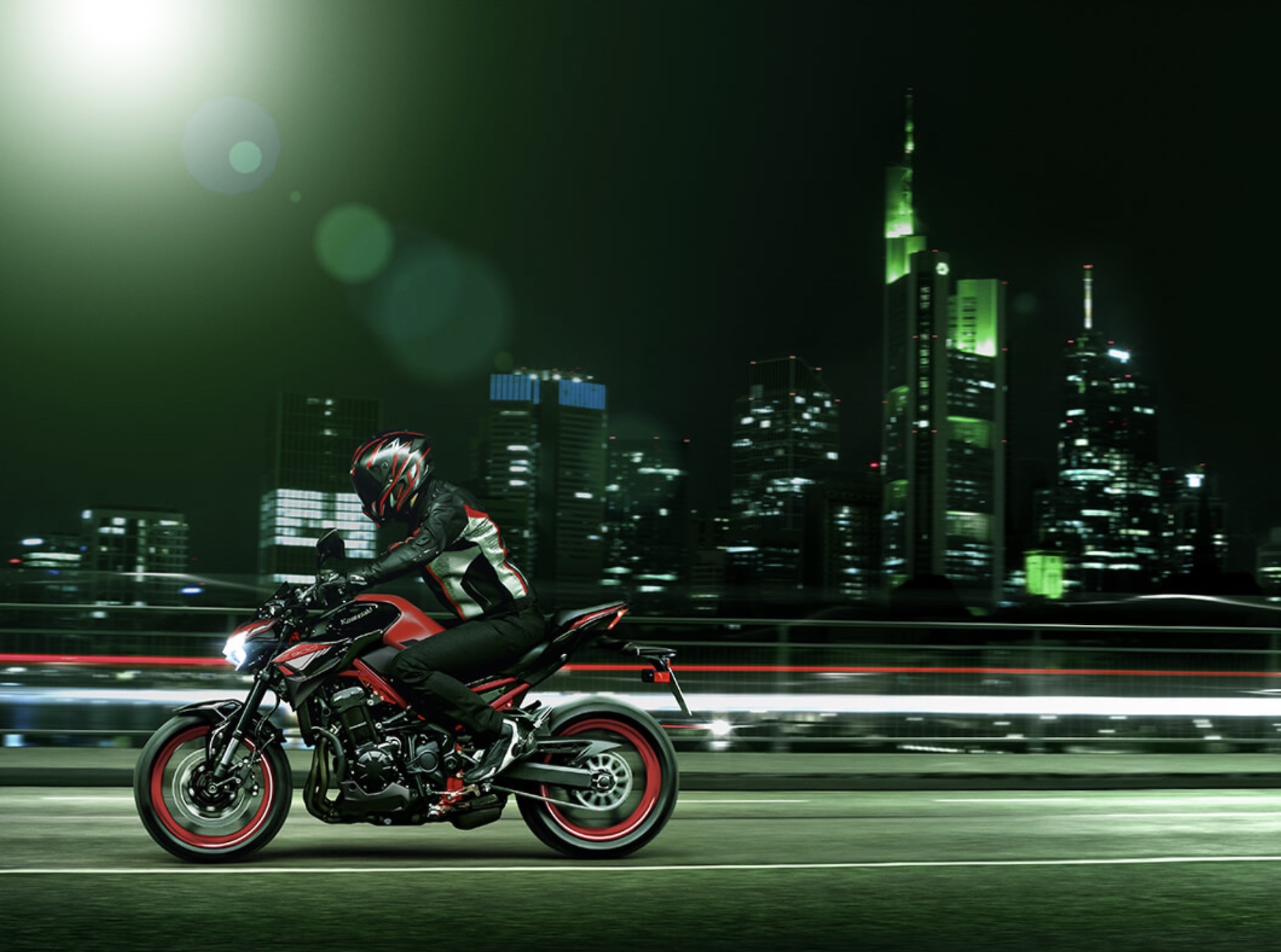
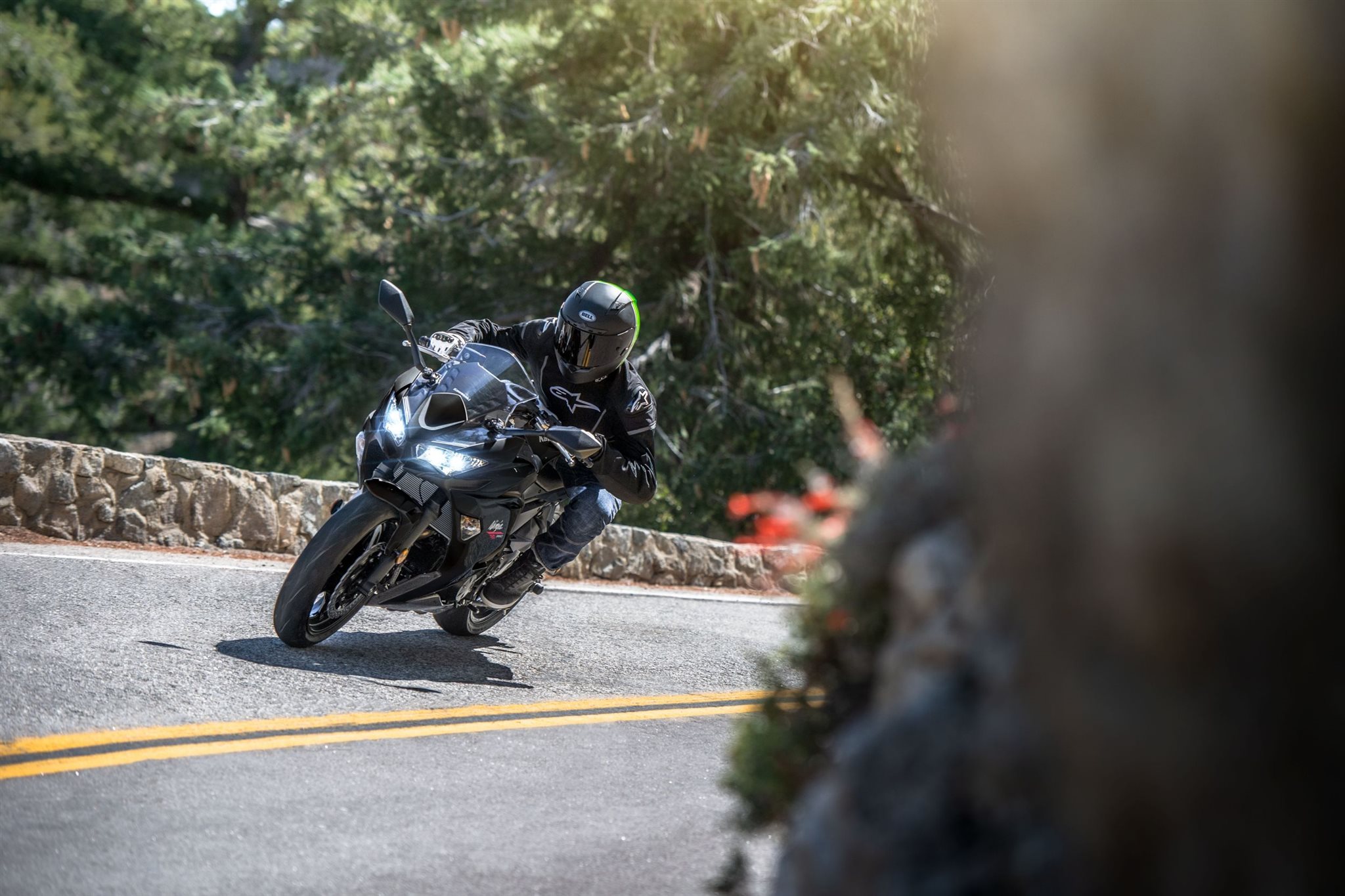
The Kawasaki Ninja 900, officially designated as the GPZ900R, is the foundational superbike that launched the legendary "Ninja" brand in 1984. As the first production motorcycle to feature a liquid-cooled, 16-valve, four-cylinder engine, it redefined performance standards, reaching a top speed of over 150 mph and setting the blueprint for the modern sportbike.
The Genesis of the Ninja: A Secret Development
In the early 1980s, the motorcycle industry was dominated by air-cooled engines and heavy frames. Kawasaki, seeking to reclaim the performance crown they had held with the Z1 in 1972, spent six years developing the GPZ900R in near-total secrecy. The goal was simple but audacious: build a motorcycle that was faster, lighter, and more aerodynamically efficient than any 1000cc machine on the market, despite having a smaller displacement.
The result was a 908cc engine that was physically narrower than its predecessors. By moving the cam chain to the left side of the engine rather than the center, Kawasaki engineers reduced the engine's width, allowing for a slimmer profile and greater lean angles. This was the birth of the Ninja name—a moniker initially suggested by Kawasaki USA’s marketing team to evoke speed, stealth, and precision.
When the bike finally debuted in 1984, it did not just meet expectations; it shattered them. It was the first production bike to exceed the 150 mph (241 km/h) barrier, and it dominated the Isle of Man TT production class that same year, finishing first and second. This immediate success cemented the Ninja 900 as a milestone in motorcycling history.
Engineering Excellence: The Technical Innovations
The Kawasaki Ninja 900 was a masterpiece of "function over form" that somehow achieved a timeless aesthetic. To understand why this bike remains a benchmark in 2026, we must examine the specific engineering choices that set it apart from the heavy-set "Universal Japanese Motorcycles" (UJMs) of the era.
The Engine as a Stressed Member
One of the most significant departures from traditional design was the use of the engine as a stressed member of the chassis. The GPZ900R utilized a "Diamond" frame—a steel backbone that used the engine's rigidity to provide structural integrity. This eliminated the need for heavy down-tubes under the engine, significantly reducing weight and lowering the bike’s center of gravity.
Liquid Cooling and 16-Valve Head
While competitors were still struggling with heat fade on air-cooled engines, Kawasaki implemented a sophisticated liquid-cooling system. This allowed for tighter engine tolerances and more consistent power delivery across long distances. The 16-valve cylinder head (four valves per cylinder) optimized airflow and combustion, allowing the 908cc engine to produce 115 horsepower, a figure that dwarfed many larger-displacement competitors of the time.
Aerodynamics and Ergonomics
The distinct fairing of the Ninja 900 was not just for show. It was one of the first bikes to undergo extensive wind tunnel testing. The integrated front fairing and "ducktail" rear section allowed the bike to slice through the air with a much lower drag coefficient than the "naked" bikes of the late 70s. Interestingly, while it was a sportbike, it offered a relatively comfortable "sport-touring" riding position compared to the punishing ergonomics of today’s race-replicas.
Technical Specifications Overview
For collectors and enthusiasts in 2026, understanding the raw data of the original A1 through A3 models is essential for verification.
| Feature | Specification (Original GPZ900R) |
|---|---|
| Engine Type | 908cc, Liquid-cooled, 16-valve, DOHC Inline-4 |
| Bore x Stroke | 72.5 mm x 55.0 mm |
| Compression Ratio | 11.0:1 |
| Maximum Power | 115 hp (86 kW) @ 9,500 rpm |
| Maximum Torque | 63 lb-ft (85 Nm) @ 8,500 rpm |
| Fuel System | 4 x Keihin CVK34 Constant Velocity Carburetors |
| Transmission | 6-speed, Constant Mesh, Return Shift |
| Final Drive | O-ring Chain |
| Front Suspension | 38mm Air-assisted telescopic forks (with AVDS) |
| Rear Suspension | Uni-Trak air-adjustable mono-shock |
| Front Tire | 120/80-16 |
| Rear Tire | 130/80-18 |
| Dry Weight | 228 kg (approx. 502 lbs) |
| Top Speed | 151–155 mph (Verified) |
Cultural Impact: The "Top Gun" Effect
No discussion of the Ninja 900 is complete without acknowledging its role in popular culture. In 1986, the film Top Gun featured Tom Cruise’s character, Pete "Maverick" Mitchell, riding a GPZ900R. This product placement—arguably one of the most successful in history—transformed the Ninja from a technical marvel into a cultural icon.
The image of Maverick racing an F-14 Tomcat down a runway on his Ninja 900 defined the "cool" factor for a generation. Even decades later, in the 2022 sequel Top Gun: Maverick, the original bike made a cameo, proving that its silhouette remains instantly recognizable. This Hollywood connection has significantly buoyed the resale value of original black-and-red models, which are often referred to by collectors as the "Maverick" spec.
The Evolution: From A1 to A16
Although the Ninja 900 was replaced in international markets by the Ninja 1000R, the ZX-10, and eventually the ZZ-R1100, it remained so popular in Japan that production continued until 2003. This resulted in a long lineage of "A-series" models:
- A1–A6 (1984–1989): These are the most sought-after by purists. They feature the original 16-inch front wheel and the Automatic Variable Damping System (AVDS) on the forks, which was designed to reduce nose-dive during heavy braking.
- A7–A11 (1990–1998): Significant updates were made here. The front wheel was increased to 17 inches for better tire selection and stability, the brakes were upgraded to four-piston calipers, and the forks were thickened to 41mm.
- A12–A16 (1999–2003): These were Final Edition models exclusive to the Japanese Domestic Market (JDM). They featured modern radial tires, 6-piston calipers (on later versions), and refined suspension components.
Buying a Ninja 900 in 2026: What to Look For
By 2026, the Kawasaki Ninja 900 has officially transitioned from "old bike" to "blue-chip classic." If you are in the market for one, the following factors are critical for a sound investment.
1. Second Gear Issues
A common mechanical flaw in early Ninja 900s is the tendency for the bike to pop out of second gear under heavy acceleration. This is usually caused by worn engagement dogs on the gears. When test-riding, ensure the bike stays firmly in second gear through the entire RPM range. A repair requires splitting the engine cases, which is a labor-intensive and expensive process.
2. The Cooling System
Because the GPZ900R was a pioneer in liquid cooling, its systems are now over 40 years old. Check for "chocolate milk" consistency in the oil (a sign of a blown head gasket) and inspect the water pump for leaks. In 2026, rubber hoses and O-rings are likely brittle unless they have been recently replaced.
3. Originality vs. Modifications
The 1990s and early 2000s saw many Ninja 900s modified with aftermarket exhausts, individual air filters (pods), and "streetfighter" bodywork. For maximum value, look for bikes with the original airbox and the factory 4-into-2 exhaust system. Finding a Ninja 900 with its original lower fairing intact is also a significant plus, as these were often removed or damaged.
4. The Cam Chain Tensioner
Early models had issues with the cam chain tensioner, which could lead to a rattling noise from the left side of the engine. Many owners upgraded to manual tensioners or later-style Kawasaki parts. While not a deal-breaker, a noisy top end should be a point for price negotiation.
Maintenance and Ownership in 2026
Owning a Ninja 900 today requires a commitment to period-correct maintenance. Unlike modern fuel-injected bikes, the Ninja 900 relies on four Keihin CVK34 carburetors. These require precise synchronization to ensure smooth idling and throttle response.
- Fuel Quality: Modern ethanol-blend fuels are aggressive toward the rubber diaphragms and brass jets in vintage carburetors. It is highly recommended to use ethanol-free fuel and a stabilizer if the bike will sit for more than two weeks.
- Valve Clearances: The GPZ900R uses a screw-and-locknut adjuster for its valves, making it relatively easy for home mechanics to maintain compared to shim-under-bucket systems. Regular checks every 5,000 to 7,000 miles are vital for engine longevity.
- Tire Availability: If you own an A1–A6 model with the 16-inch front wheel, tire selection is limited in 2026. You may need to source specialized vintage-performance rubber from manufacturers like Bridgestone or Continental, who still produce sizes for classic superbikes.
Comparing the Ninja 900 to its Contemporaries
In the mid-80s, the Ninja 900 faced stiff competition. How does it stack up historically?
- Suzuki GSX-R750: While the GSX-R750 was lighter and more track-focused (the first true "race replica"), the Ninja 900 was faster in a straight line and much better for long-distance road riding.
- Honda VF1000R: Honda’s V4 flagship was technologically advanced but famously heavy and suffered from "cam pitting" issues. The Ninja 900 was widely considered the more reliable and agile machine.
- Yamaha FJ1100: The FJ was a powerhouse, but it leaned more toward the "sport-touring" side of the spectrum. The Ninja 900 struck a finer balance between canyon-carving agility and high-speed stability.
Frequently Asked Questions
Is the Kawasaki Ninja 900 a good beginner bike?
No. While its power figures might seem modest compared to 2026 liter-bikes, the Ninja 900 is a heavy, analog machine without ABS, traction control, or modern fuel injection. Its 16-inch front wheel can also feel "twitchy" to those accustomed to modern 17-inch geometry. It is best suited for experienced riders or collectors.
How much should I pay for a Ninja 900 in 2026?
Prices vary wildly based on condition. A high-mileage, modified "project" bike may go for $4,000–$6,000. However, a mint-condition, low-mileage A1 or A2 model in the iconic red/grey or black/red livery can command between $15,000 and $25,000 at specialized auctions like Mecum or Bring a Trailer.
Did the Ninja 900 really do 150 mph?
Yes. In 1984, independent testing by magazines like Cycle World and Motorcyclist confirmed a top speed of 151–158 mph depending on rider weight and conditions. This made it the fastest production motorcycle in the world at the time of its release.
What is the difference between a GPZ900R and a Ninja 900?
They are the same motorcycle. "Ninja 900" was the marketing name used primarily in North America, while "GPZ900R" was the global model designation. In 2026, most collectors use the terms interchangeably, though the "Ninja" branding is what gave the bike its legendary status.
Final Recommendation: A Legend Worth Preserving
The Kawasaki Ninja 900 is more than just a vintage motorcycle; it is the machine that changed the trajectory of the industry. In 2026, it offers a visceral, mechanical riding experience that modern, electronically-governed bikes cannot replicate.
For the prospective buyer, the best course of action is to prioritize mechanical history over low mileage. A Ninja 900 that has been ridden regularly and serviced by a specialist is often a better purchase than a "barn find" that has sat for 20 years, as the latter will require a complete overhaul of the fuel, cooling, and braking systems. Whether you are a collector looking for a piece of cinematic history or a rider wanting to experience the roots of the superbike era, the Ninja 900 remains an apex predator of the motorcycling world.