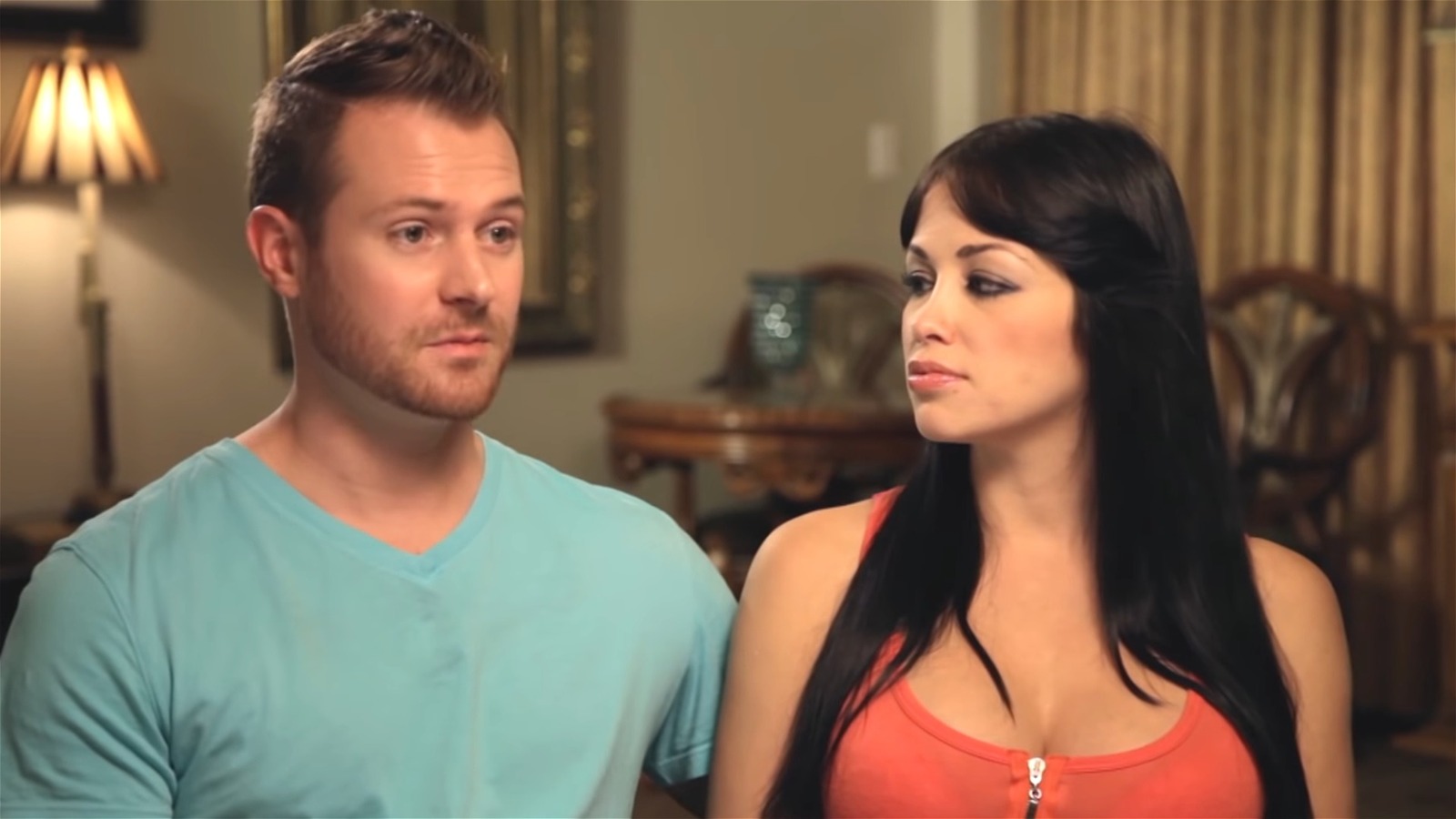
The reality of 90 Day Fiancé is a complex blend of genuine federal immigration procedures and highly orchestrated television production. While the K-1 visa requirements, the 90-day marriage deadline, and the legal stakes are entirely real, the interpersonal drama is often amplified through selective editing, producer prompts, and strict non-disclosure agreements (NDAs) that keep cast members from revealing the true timeline of their relationships.
The Production Process: How Much is Scripted?
One of the most frequent questions regarding 90 Day Fiancé is whether the show is scripted. In the traditional sense—with actors reading lines from a teleprompter—the answer is no. However, "reality" in the context of Sharp Entertainment (the production company behind the franchise) involves a significant amount of "guided" storytelling. Producers often employ several techniques to ensure the narrative remains engaging for a global audience.
The Role of Field Producers
Field producers are tasked with "finding the story" in every scene. If a couple is having a mundane dinner, a producer might pull one partner aside and ask a leading question, such as, "How do you feel about the fact that your partner hasn't found a job yet?" When the partner returns to the table and brings up the topic, it appears spontaneous to the viewer, but it was actually initiated by production. This "producer-led" dialogue is a staple of the genre.
"Franken-biting" and Creative Editing
The term "Franken-biting" refers to the process of splicing together different audio clips to create a sentence that a cast member never actually said in that specific order. This is often used to make a reaction seem more extreme or to clarify a plot point that wasn't explicitly stated on camera. Viewers can sometimes spot this when the camera cuts away to a reaction shot while a character is still speaking; the audio might sound slightly different in tone or background noise.
Reshooting "Natural" Moments
If a significant event happens off-camera, or if the lighting was poor during a real-life argument, producers may ask the couple to "re-enact" the moment. While the emotion might have been real originally, the version seen on screen is a rehearsed performance. This is common during airport arrivals or "first look" scenes where the logistics of camera placement require multiple takes of the same emotional moment.
The Legal Framework: Understanding the K-1 Visa in 2026
To understand the reality of the show, one must understand the United States Citizenship and Immigration Services (USCIS) framework. The K-1 nonimmigrant visa is designed for the foreign-citizen fiancé(e) of a U.S. citizen. It allows the foreign fiancé(e) to travel to the United States and marry his or her U.S. citizen sponsor within 90 days of arrival.
The I-129F Petition
The process begins with the U.S. citizen filing Form I-129F, Petition for Alien Fiancé(e). This is not a "mail-order" process; the couple must prove they have met in person within the last two years (with limited exceptions) and that they have a "bona fide" relationship. The show often skims over the mountains of paperwork, including chat logs, flight itineraries, and photos, that couples must submit as evidence before they are even granted an interview.
The 90-Day Deadline
The "90 days" is not a suggestion; it is a federal law. If the couple does not marry within that window, the foreign partner must leave the U.S. or face deportation. This creates a high-pressure environment that is naturally "good for TV." However, many couples on the show have actually been engaged for years and have already navigated the bulk of the visa process before the cameras start rolling. The 90-day "timer" seen on the show often represents the very end of a long, multi-year legal journey.
The Affidavit of Support (Form I-864)
A major point of "reality" that causes genuine stress is the I-864, or the Affidavit of Support. The U.S. sponsor must prove they can financially support the foreign spouse at 125% of the Federal Poverty Guidelines. This legal contract is significant: the sponsor is financially responsible for the immigrant until the immigrant becomes a U.S. citizen or can be credited with 40 quarters of work (usually 10 years). Even if the couple divorces, the U.S. citizen may still be required to support their ex-spouse to ensure they do not become a "public charge."
Financial Realities: How Much Do Cast Members Get Paid?
The financial aspect of 90 Day Fiancé is often misunderstood. Unlike the stars of The Real Housewives, who can earn hundreds of thousands of dollars per season, the cast of 90 Day Fiancé is paid relatively modest sums, especially in their first season.
Pay Disparity Between Partners
In a typical season of the flagship show, the U.S. citizen is paid approximately $1,000 to $1,500 per episode. For a 12-episode season, this totals roughly $12,000 to $18,000. Crucially, the foreign partner often does not get paid at all while filming in the U.S. This is because they do not have a legal work permit (Employment Authorization Document) upon arrival. Paying them would violate U.S. labor laws and jeopardize their visa status. This financial imbalance often adds real-world tension to the relationships, as the foreign partner is entirely dependent on the U.S. citizen for even basic needs.
The "Tell-All" Bonus
Cast members typically receive an additional fee for appearing in the "Tell-All" special at the end of the season. This is often where the highest drama occurs, as cast members are incentivized to be confrontational to secure future appearances in spin-offs like Happily Ever After? or The Last Resort.
Influencer Revenue and Sponsorships
For most cast members, the real money is made after the show airs. The "reality" of being a 90 Day star in 2026 involves leveraging a large Instagram or TikTok following into brand deals, Cameo videos, and adult content platforms. For many, the show is viewed as a "loss leader"—a way to gain fame that can be monetized elsewhere, rather than a direct source of wealth.
Comparing the Reality of Spin-Offs
The 90 Day franchise has expanded into dozens of spin-offs, each with a slightly different level of "reality" depending on the stage of the relationship and the location of filming.
| Series Title | Primary Focus | Legal Stage | Level of Producer Influence |
|---|---|---|---|
| 90 Day Fiancé | The 90-day marriage window in the U.S. | K-1 Visa (Final Stage) | High (focus on wedding stress) |
| Before the 90 Days | First-time in-person meetings abroad. | Pre-Visa Application | Moderate (focus on "catfishing" and culture shock) |
| The Other Way | U.S. citizens moving to a foreign country. | Foreign Residency/Marriage | High (focus on U.S. citizens' lack of preparation) |
| Happily Ever After? | Post-marriage life and Green Card issues. | Adjustment of Status | Very High (manufactured family drama) |
| The Single Life | Former cast members dating again. | Post-Relationship | Extremely High (staged dates) |
The Impact of Social Media and NDAs
The "reality" of the show is often curated through strict Non-Disclosure Agreements. Cast members are generally forbidden from posting their current relationship status on social media until the season finale airs.
Breaking the Fourth Wall
In recent years, the "reality" of the show has shifted because the cast members are aware of their public perception. They often "clap back" at fans on social media, sometimes revealing production secrets. For example, some have admitted that certain scenes—like the famous "throwing a drink" or "walking out of a restaurant"—were requested by producers to add "flavor" to an otherwise dull segment.
The "Villain" Edit
The concept of the "Villain Edit" is a very real phenomenon in reality TV. Production may focus entirely on a cast member's negative traits while omitting their supportive or kind moments. In 2026, savvy viewers have become more aware of this, often seeking out the "real" person through unedited live streams or podcasts where the cast member can speak more freely, though they still risk legal action if they violate their NDA.
Common Misconceptions vs. On-Screen Drama
To truly understand 90 Day Fiancé reality, one must separate the "tropes" used for entertainment from the actual facts of immigration.
- The "Green Card Hunter" Trope: The show heavily leans into the idea that every foreign partner is only in it for a Green Card. While "marriage fraud" is a real crime investigated by the Department of Homeland Security, the reality is that the K-1 process is so grueling, expensive, and invasive that it is an inefficient way to commit fraud.
- Instant Work Permits: The show often depicts foreign partners being bored at home. The reality is that after marriage, the couple must file for "Adjustment of Status." It can take six months to over a year for the immigrant to receive a work permit. The "boredom" and "laziness" often portrayed are actually a result of federal processing delays.
- The "Surprise" Wedding: Most couples on the show have been planning their weddings for months. The idea that they "only have 90 days to decide if they want to get married" is a production fiction. In reality, they decided to get married the moment they filed the K-1 paperwork; the 90 days is simply the window to execute the ceremony.
Frequently Asked Questions
Do the couples on 90 Day Fiancé actually stay together?
According to historical data and trackable public records, the success rate of 90 Day Fiancé couples is surprisingly high—estimated at over 70%. This is likely because the K-1 visa process itself acts as a massive filter; only those truly committed to the relationship are willing to endure the background checks, interviews, and significant financial costs required to get the visa in the first place.
Is the show's depiction of the K-1 interview accurate?
The show often portrays the visa interview as a high-stakes, dramatic interrogation with a stern officer. While the interview is a serious event, it is usually much more bureaucratic and straightforward. If a couple has legitimate evidence of a relationship, the interview is often a formality. The drama seen on the show usually stems from couples who have significant "red flags," such as a massive age gap or a lack of a shared language.
Can a foreign partner be deported if the show is canceled?
The status of the television show has no bearing on a person's legal immigration status. The foreign partner's right to remain in the U.S. is tied to their marriage and their subsequent filing for a Green Card. Whether or not TLC continues to film them is irrelevant to USCIS. However, a divorce before the Green Card is granted (the "Removal of Conditions" stage) can lead to deportation proceedings unless the immigrant can prove the marriage was entered into in good faith.
Why do some cast members disappear from the show?
Cast members often "disappear" due to NDA violations, legal issues, or simply because their storyline lacked the drama necessary to maintain ratings. Additionally, if a couple's relationship becomes too stable and "boring," production may choose not to renew their contract for spin-offs like Happily Ever After?.
How much does it cost to be on 90 Day Fiancé?
Being on the show does not "cost" the cast money in terms of a fee to the network, but the visa process itself is expensive. Between filing fees for the I-129F, medical exams, embassy fees, and the subsequent Adjustment of Status, a couple can easily spend $3,000 to $5,000 in government fees alone. This does not include the cost of international travel or the legal fees if they hire an immigration attorney.
Final Recommendation: Navigating the Reality
If you are a fan of the show, enjoy the drama but verify the facts through official sources like the USCIS.gov website. For those considering applying for a K-1 visa, the "reality" seen on TLC should not be used as a legal guide. The process is significantly more paperwork-intensive and less "spontaneous" than it appears on television. Prospective applicants should focus on maintaining a meticulous record of their relationship and consulting with a qualified immigration attorney to navigate the actual legal requirements, which are far more consequential than any storyline created for entertainment.