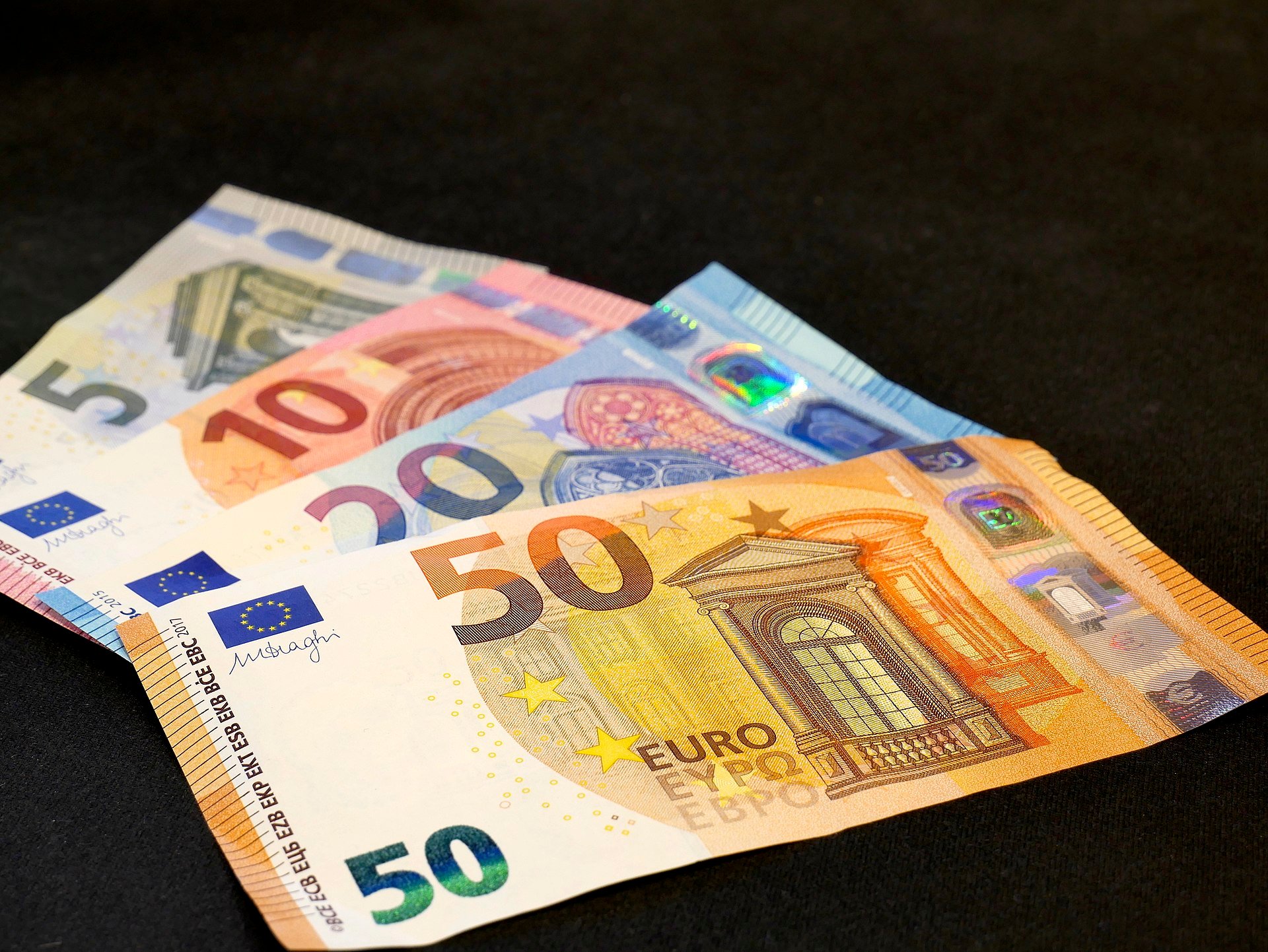
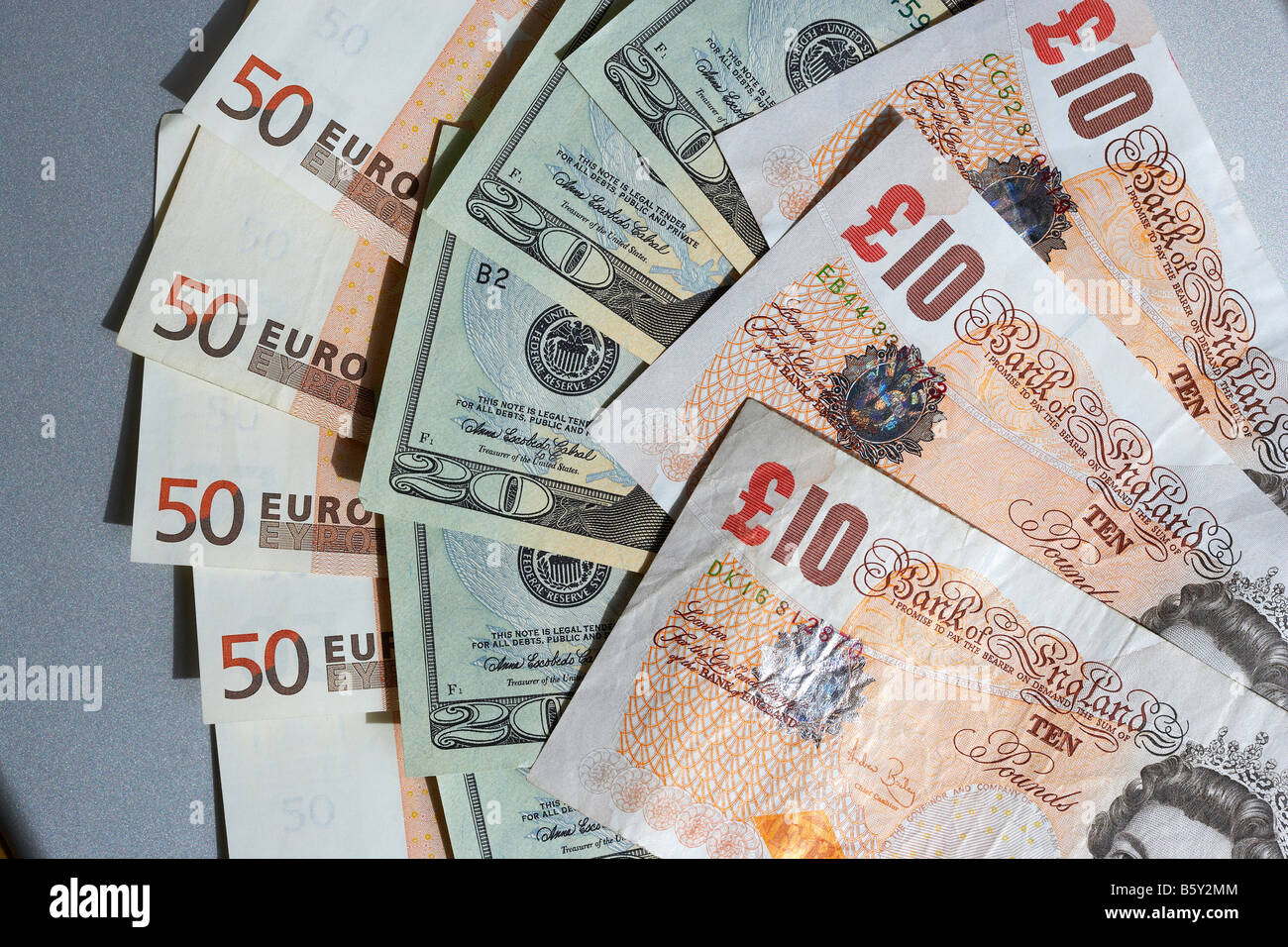
Converting 89,000 euros to US dollars in 2026 requires understanding the mid-market exchange rate versus the retail rates offered by banks. While the exact total fluctuates based on daily market volatility, this sum represents a significant capital transfer where minimizing fee spreads and utilizing specialist brokers can save you thousands of dollars in hidden costs.
Understanding the Currency Market Dynamics in 2026
When you are looking to exchange a sum as substantial as 89,000 EUR, you are moving beyond the realm of simple travel currency and into the territory of significant financial transactions. In 2026, the exchange rate between the Euro (EUR) and the United States Dollar (USD) remains one of the most liquid and heavily traded currency pairs in the world. This liquidity generally works in the favor of the consumer, provided they know where to look.
The valuation of 89,000 euros in dollars is dictated by the interbank rate, also known as the mid-market rate. This is the midpoint between the "buy" and "sell" prices on the global currency markets. However, individual consumers rarely access this rate directly. Instead, they are offered a retail rate that includes a "spread"—a percentage added by the service provider to cover their costs and generate profit. For a transfer of €89,000, even a 1% difference in this spread equates to $890 (or its USD equivalent), making the choice of provider a critical financial decision.
Several macroeconomic factors influence this conversion in 2026. The monetary policies of the European Central Bank (ECB) and the Federal Reserve in the United States are the primary drivers. If the Federal Reserve maintains higher interest rates compared to the ECB, the dollar typically strengthens, meaning your 89,000 euros will purchase fewer dollars. Conversely, if the Eurozone economy shows robust growth relative to the U.S., the purchasing power of your euros increases.
Primary Methods for Converting €89,000 to USD
Choosing the right platform for a five-figure transfer involves balancing speed, security, and cost-effectiveness. In 2026, the landscape is divided into three main categories: traditional banks, specialist currency brokers, and digital-first neo-banks.
Traditional High-Street Banks
Many individuals instinctively turn to their existing bank accounts to handle a transfer of 89,000 EUR. While this is often the most convenient method, it is frequently the most expensive. Traditional banks typically charge a flat "wire transfer fee" ranging from $25 to $50, but the real cost is buried in the exchange rate margin.
In 2026, many major banks still apply a margin of 3% to 5% above the mid-market rate for international transfers. On a €89,000 conversion, a 3% margin means you effectively lose approximately €2,670 during the transaction compared to the interbank rate. Furthermore, traditional banks often use the SWIFT network, which may involve intermediary banks that deduct their own "handling fees" before the money reaches the destination account in the U.S.
Specialist Foreign Exchange (FX) Brokers
For amounts like 89,000 EUR, specialist FX brokers are often the most strategic choice. These firms focus exclusively on currency transfers and can offer rates much closer to the mid-market price—often with margins as low as 0.5% to 1%.
Brokers also provide tools that banks do not, such as forward contracts and limit orders. A forward contract allows you to "lock in" a favorable exchange rate for a future transfer, protecting you against market downturns. A limit order allows you to set a target rate; the broker will only execute the 89,000 EUR transfer if the market hits that specific valuation. This level of control is invaluable for property purchases or business investments where the timing of the conversion can impact the final dollar amount significantly.
Digital Money Transfer Services and Neo-banks
Platforms like Revolut, Wise, and other digital-first entities have revolutionized the conversion process by 2026. These services often use the real mid-market rate and charge a transparent, upfront fee. For a €89,000 transfer, these platforms are highly competitive, though some may have "weekend markups" or monthly limits on "fee-free" conversions. They are generally faster than traditional banks, with many EUR to USD transfers completing within 24 hours or even instantly if both accounts are within the same ecosystem.
Fee Structures and Hidden Costs Explained
To accurately calculate how many dollars you will receive for 89,000 euros, you must look beyond the "zero commission" marketing often seen at airport kiosks or small exchange bureaus. In the financial world of 2026, "no fee" usually means the fee is simply hidden in a poor exchange rate.
- The Spread: This is the difference between the market rate and the rate offered to you. For a €89,000 transfer, always ask: "What is the percentage difference between your rate and the current mid-market rate?"
- Fixed Sending Fees: This is a flat cost (e.g., €15 or $20) charged for initiating the transfer.
- Recipient Fees: Some U.S. banks charge a fee (often $15-$30) to receive an international wire transfer.
- Intermediary Bank Fees: If the money travels through the SWIFT network, "correspondent banks" may take a cut of $10-$50 without prior notice.
Comparison of Conversion Options for 89,000 EUR
The following table illustrates the potential outcome of converting 89,000 EUR to USD based on typical 2026 service provider behaviors. Note: Figures are illustrative based on a hypothetical mid-market rate of 1.10 USD per 1 EUR.
| Provider Type | Typical Margin/Spread | Estimated USD Received | Estimated Total Cost (USD) | Speed of Transfer |
|---|---|---|---|---|
| Traditional Bank | 3.5% | $94,475 | $3,425 | 3–5 Business Days |
| Specialist Broker | 0.7% | $97,214 | $686 | 1–3 Business Days |
| Digital Transfer App | 0.5% | $97,410 | $490 | Instant to 24 Hours |
| Airport Exchange | 10.0% | $88,110 | $9,790 | Immediate |
Regulatory and Compliance Requirements for Large Transfers
When moving 89,000 EUR into the United States, you must be aware of the regulatory framework designed to prevent money laundering and tax evasion. In 2026, these regulations are strictly enforced by both European and U.S. authorities.
Anti-Money Laundering (AML) and KYC
Any financial institution processing a transfer of this size will require Know Your Customer (KYC) documentation. You should be prepared to provide:
- A valid passport or national ID.
- Proof of address (utility bill or bank statement).
- Source of Funds (SOF): Because €89,000 is a significant sum, you may need to provide documentation showing where the money came from, such as a property sale agreement, an inheritance letter, or payroll records.
IRS and FinCEN Reporting
While the act of converting and transferring the money is not inherently a taxable event, the U.S. government has reporting requirements for large inflows of foreign capital.
- FinCEN Form 114 (FBAR): If you are a U.S. person and the 89,000 EUR was held in a foreign account that exceeded $10,000 at any point during the year, you must report this to the Financial Crimes Enforcement Network.
- IRS Form 3520: If the €89,000 is a gift or inheritance from a foreign person exceeding $100,000 (which €89,000 may approach depending on the exchange rate), you may need to report it to the IRS. Failure to report can result in heavy penalties, even if no tax is actually owed.
For detailed guidelines on reporting foreign assets, you should consult the official IRS website or the Federal Reserve's consumer guides on international wire transfers.
Strategic Timing: When to Execute Your Transfer
With a sum of 89,000 EUR, the "when" is almost as important as the "how." Currency markets are volatile, and a shift of just 2 cents in the EUR/USD exchange rate can change your final total by nearly $1,800.
In 2026, professional traders watch the Economic Calendar closely. Major events that cause volatility include:
- Non-Farm Payrolls (NFP): U.S. employment data released monthly.
- Inflation Reports (CPI): Data from both the Eurozone and the U.S. that influences central bank interest rate decisions.
- Geopolitical Announcements: Trade agreements or conflicts that affect investor confidence in the Euro or the Dollar.
If you do not need the money immediately, you might consider "averaging in." This involves converting smaller portions of the €89,000 over several weeks to mitigate the risk of exchanging the entire sum at a temporary market low.
Common Pitfalls to Avoid
- Using Credit Cards for Conversion: Never use a credit card to "buy" dollars or fund a transfer of this size. The "cash advance" fees and high interest rates will negate any gains from a good exchange rate.
- Ignoring Intermediary Fees: When sending via a bank, always specify if you want the "OUR," "SHA," or "BEN" instruction. "OUR" means you pay all fees, ensuring the full USD equivalent of your €89,000 arrives at the destination.
- Failing to Verify Recipient Details: A single digit error in a SWIFT code or IBAN can lead to the funds being held in "limbo" for weeks. For €89,000, always double-check the recipient's routing number (for U.S. banks) and account number.
Frequently Asked Questions
Is it better to convert 89,000 euros in Europe or the United States?
It is generally better to use a digital transfer service or a specialist broker that operates in both jurisdictions. Converting physical cash at a bank branch in either country usually results in the worst possible exchange rate. For electronic transfers, the "origin" matters less than the "provider" you choose. Specialist firms often have local accounts in both the EU and the US, allowing them to bypass expensive international wire fees.
How long does it take for 89,000 EUR to appear in a US bank account?
In 2026, the timeframe depends on the method. Digital platforms often complete the process in 0 to 24 hours. Traditional bank wires using the SWIFT network typically take 3 to 5 business days. If the transfer is flagged for a compliance review due to the high amount, it may take an additional 2 to 3 days for the bank to verify the source of funds.
Will I have to pay taxes on the 89,000 EUR to USD conversion?
Converting currency is not a taxable event in itself. However, if you are converting the 89,000 EUR after selling an asset (like a house or stocks) that gained value, you may owe capital gains tax on the profit from that sale. Additionally, if the conversion is part of a business transaction or a large gift, there may be reporting requirements. Always check with a qualified tax professional regarding your specific jurisdiction.
Can I lock in an exchange rate for my 89,000 EUR?
Yes, many specialist currency brokers offer "forward contracts." This allows you to agree on an exchange rate today for a transfer that will take place up to 12 months in the future. This is a popular strategy in 2026 for individuals who have committed to a purchase (like a home) but are waiting for a specific closing date and want to avoid the risk of the Euro weakening in the meantime.
Is there a limit on how many euros I can convert to dollars?
There is no legal limit on the amount of currency you can convert or transfer into the United States, provided the funds are legal and you comply with reporting requirements. However, individual banks and transfer services may have their own internal daily or monthly limits for "unverified" accounts. For a sum of 89,000 EUR, you will likely need to complete full identity verification before the transfer is approved.
Final Recommendation for Converting 89,000 EUR
For a transfer of 89,000 euros, avoid using a traditional high-street bank for the actual conversion unless they offer you a "premier" or "private banking" rate that competes with specialist firms. Your most cost-effective path in 2026 is likely a two-step process: compare the total "delivered" USD quote from a reputable digital transfer service and a specialist FX broker.
Before committing, ensure you have your source-of-funds documentation ready to avoid delays. By saving just 1.5% on the spread through a specialist provider, you effectively keep over $1,300 in your own pocket—capital that would otherwise be lost to banking overhead. Always verify the current mid-market rate on a neutral site like the European Central Bank before hitting the "confirm" button on any transaction.