Discovering new techniques for masturbation can enhance self-awareness and contribute to a healthier understanding of one’s own body. These unexpected methods range from leveraging sensory feedback and temperature variations to utilizing specific breathing patterns and unconventional environmental setups, all of which prioritize physiological safety and personal comfort as part of an intentional sexual health practice.
Understanding the Value of Novelty in Sexual Exploration
Personal stimulation is a fundamental aspect of human sexual health, yet many individuals fall into repetitive routines that can limit sensory feedback and overall satisfaction. Introducing novelty is not merely about finding a new physical sensation; it is a way to re-engage the mind-body connection. When the brain encounters a novel stimulus, it releases dopamine and increases focused attention, which can heighten arousal and improve the quality of the sexual experience.
Beyond the immediate psychological benefits, exploring different methods allows individuals to identify specific pressure points, sensitivities, and responses that may have been previously overlooked. This practice serves as a form of somatic mapping, helping you understand how your body reacts to various forms of tactile, thermal, and rhythmic input. By diversifying your approach, you can move away from habitual, "autopilot" behavior and transition toward a more mindful, present-centered experience.
1. Incorporating Temperature Play
Temperature is a powerful, yet often overlooked, sensory input. The nerve endings in the skin are highly sensitive to rapid changes in thermal states, which can significantly intensify physical sensations.
- Cooling Techniques: Using a cool, damp cloth or an ice cube wrapped in a thin, soft fabric can create a sharp, bracing contrast against the skin. Applying this briefly to the inner thighs or pelvic region can create a "shock" that heightens subsequent touch.
- Warming Techniques: Gentle warmth, such as that provided by a heating pad set to a low, safe temperature or a warm (not hot) towel, can help relax muscular tension in the pelvic floor, potentially making the experience more comfortable and sustained.
Safety Note: Always ensure any temperature-based item is wrapped in fabric to avoid direct contact with delicate skin, which can lead to ice burns or heat sensitivity. Never use extreme temperatures.
2. The Power of Rhythmic Breathing
Most people hold their breath or breathe shallowly during moments of high arousal. By consciously altering your breathing patterns, you can regulate your autonomic nervous system and intensify the sensory experience.
Deep, diaphragmatic breathing—where the abdomen expands rather than the chest—signals the body to remain in a state of relaxed alertness. By timing your inhalations and exhalations to match the rhythm of your movements, you create a feedback loop that synchronizes your physical action with your internal physiological state. This technique can lead to a more profound experience by ensuring that your brain receives consistent oxygenation throughout the period of heightened arousal.
3. Sensory Deprivation and Heightened Focus
The visual sense is often the primary focus during sexual activity, which can distract from the actual tactile input. By intentionally limiting your vision—either by closing your eyes or using a soft, breathable sleep mask—you force the brain to reallocate resources to the senses of touch and proprioception.
When you remove visual stimuli, the brain begins to process tactile input with greater intensity. You may notice subtle textures, changes in pressure, or the cadence of your own breathing that were previously drowned out by visual distractions. This "sensory isolation" is a common practice in mindfulness, and when applied to personal sexual health, it allows for a more introspective and detailed exploration of individual pleasure.
4. Utilizing Texture Variations
The skin’s response to different surfaces is a core component of tactile stimulation. Many people rely on the same materials—usually bare skin or standard synthetic materials—without realizing how texture influences nerve stimulation.
Experimenting with materials like soft silk, velvet, or even the subtle friction of high-thread-count cotton can drastically change the sensations experienced. Some individuals find that the slight "grip" of certain fabrics provides a different kind of feedback compared to skin-on-skin contact. The key here is to choose materials that are breathable and non-abrasive to ensure the safety of sensitive tissues.
5. Incorporating Positional Changes
Routine often dictates that masturbation occurs in one set position—typically lying down in bed. However, changing your physical orientation can shift which muscles are engaged and how blood flows throughout the pelvic region.
- Seated Positions: Sitting in a chair with your feet flat on the floor can help stabilize the pelvis and provide a different angle of approach.
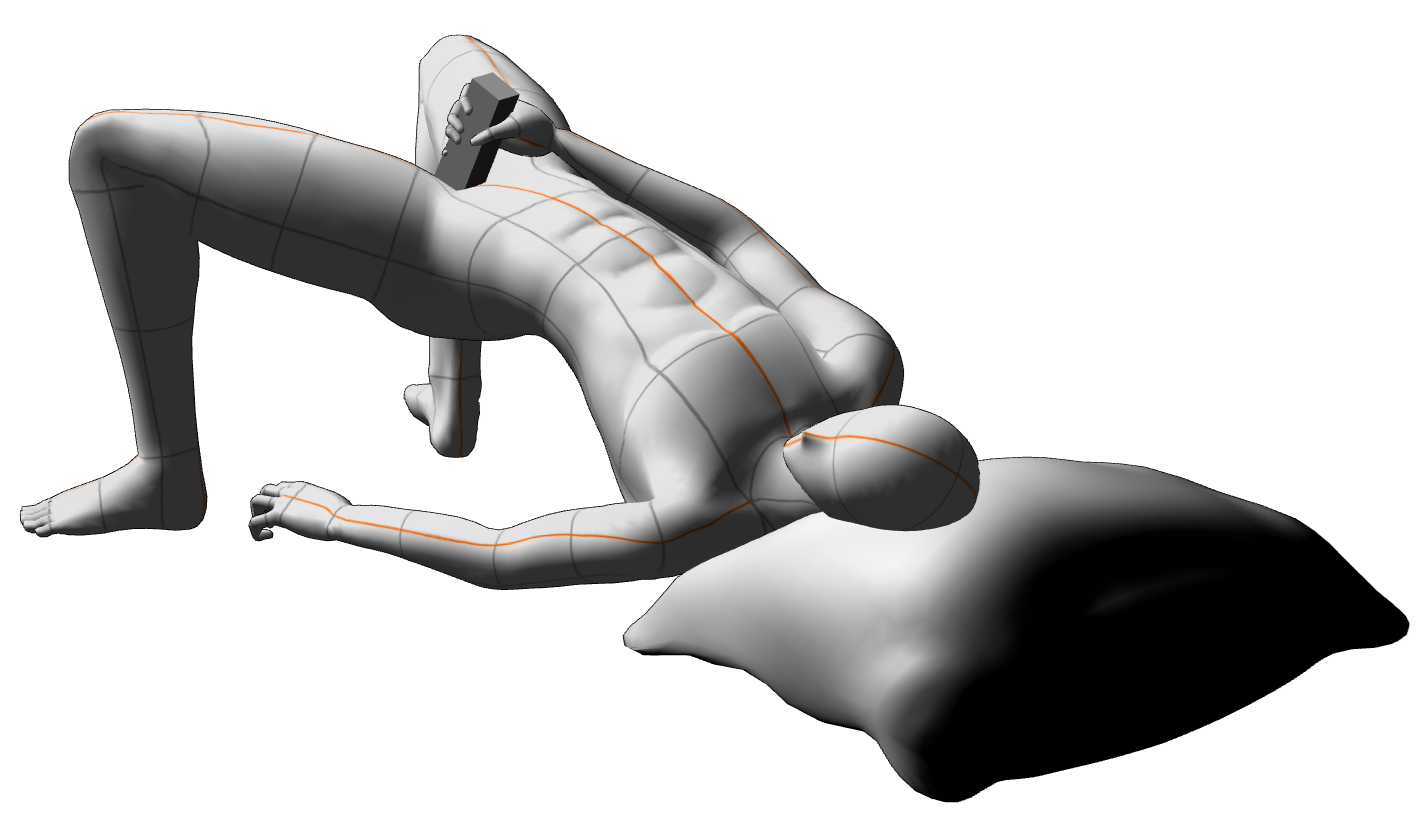
- Elevated Pelvis: Using a pillow to elevate your hips while lying down changes the angle of blood flow and can make different areas of the body more accessible.
- Standing or Semi-Reclined: These positions require more engagement from the core muscles, which can add a layer of physical exertion that some find increases the intensity of the experience.
6. Integrating Rhythmic Muscle Contractions
The pelvic floor muscles play a critical role in sexual response. Many people are unaware of how these muscles can be intentionally contracted and relaxed to enhance arousal. By practicing Kegel exercises—or simply focusing on the rhythmic clenching and releasing of the pelvic floor—you can increase blood flow to the region.
Integrating these contractions during stimulation can create a sensation of internal "pulsing" that is distinct from the superficial sensation of external touch. This method requires patience and practice to master, as it involves developing neuromuscular control over a part of the body that is often not consciously engaged.
7. The Use of Environmental Audio Landscapes
Audio stimulation is a tool frequently ignored in personal sexual health. The environment in which you engage in self-pleasure impacts your ability to focus and relax. Using soundscapes—such as ambient nature sounds, binaural beats, or low-frequency ambient music—can help create a "container" for the experience.
These sounds can act as a distraction from external stressors, allowing the mind to detach from the responsibilities of the day and enter a state conducive to exploration. Unlike audio that contains narrative content, ambient soundscapes allow the brain to remain in a state of open-ended focus rather than narrative-driven excitement, which can lead to a more sustained and meditative experience.
Comparison of Exploration Techniques
| Technique | Primary Mechanism | Best For | Requirement |
|---|---|---|---|
| Temperature Play | Thermal contrast | Heightening nerve sensitivity | Caution/Wrapping |
| Rhythmic Breathing | Nervous system regulation | Sustained focus | Practice |
| Sensory Deprivation | Shift to tactile input | Deep introspection | Eye covering |
| Texture Variations | Tactile feedback | Exploring skin sensitivity | Clean, safe fabric |
| Positional Changes | Muscle/Blood flow adjustment | Physical comfort | Stable surfaces |
Frequently Asked Questions
Is it normal to change my masturbation habits?
Yes, it is entirely normal. As individuals grow and their bodies change, their preferences for stimulation often evolve. Exploring new techniques is a standard part of maintaining a healthy, informed, and comfortable relationship with your own sexual health.
How do I know if a technique is safe?
The primary rule of thumb is to avoid anything that causes pain, irritation, or lasting discomfort. If a technique involves tools or materials, ensure they are clean, hypoallergenic, and free of sharp edges. If you have specific medical concerns, consult with a sexual health professional or a physician.
Does novelty lead to better physical results?
While "better" is subjective, novelty often leads to higher levels of engagement and self-awareness. By breaking repetitive cycles, you may discover techniques that feel more satisfying or that allow you to reach a state of relaxation more effectively.
Should I use lubricants with these techniques?
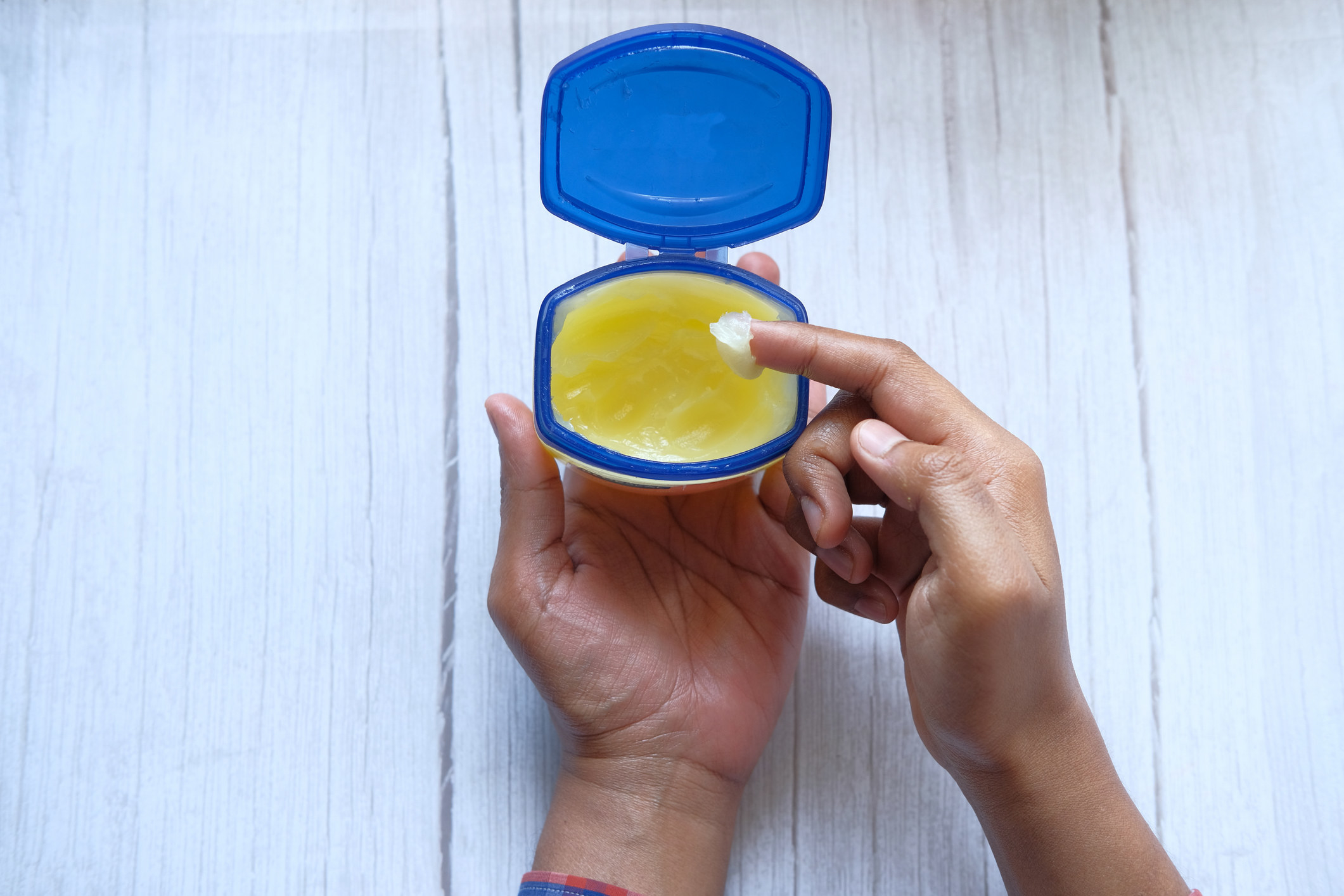
Lubrication is generally recommended to prevent skin abrasion and ensure comfort during any form of self-stimulation. Always use water-based lubricants, as they are compatible with most materials and easy to clean.
What should I do if a technique feels uncomfortable?
Stop immediately. The goal of exploring new methods is to enhance your well-being, not to push through physical pain. If something does not feel right, your body is providing feedback that the current technique is not a match for your needs.
Establishing a Sustainable Practice
The goal of exploring these seven methods is to cultivate a more conscious and responsive approach to your personal sexual health. By treating your own stimulation as a practice rather than a habit, you can maintain long-term satisfaction and a deeper understanding of your physiological responses.
Start by selecting one method that feels approachable and integrating it into your routine. Observe how your body responds over time, and do not feel pressured to incorporate all techniques at once. The process of discovery is individual; keep a neutral, curious mindset, prioritize your comfort, and remain attentive to the signals your body provides. By moving away from automaticity and toward intentionality, you turn a simple task into a meaningful component of your overall health and wellness.