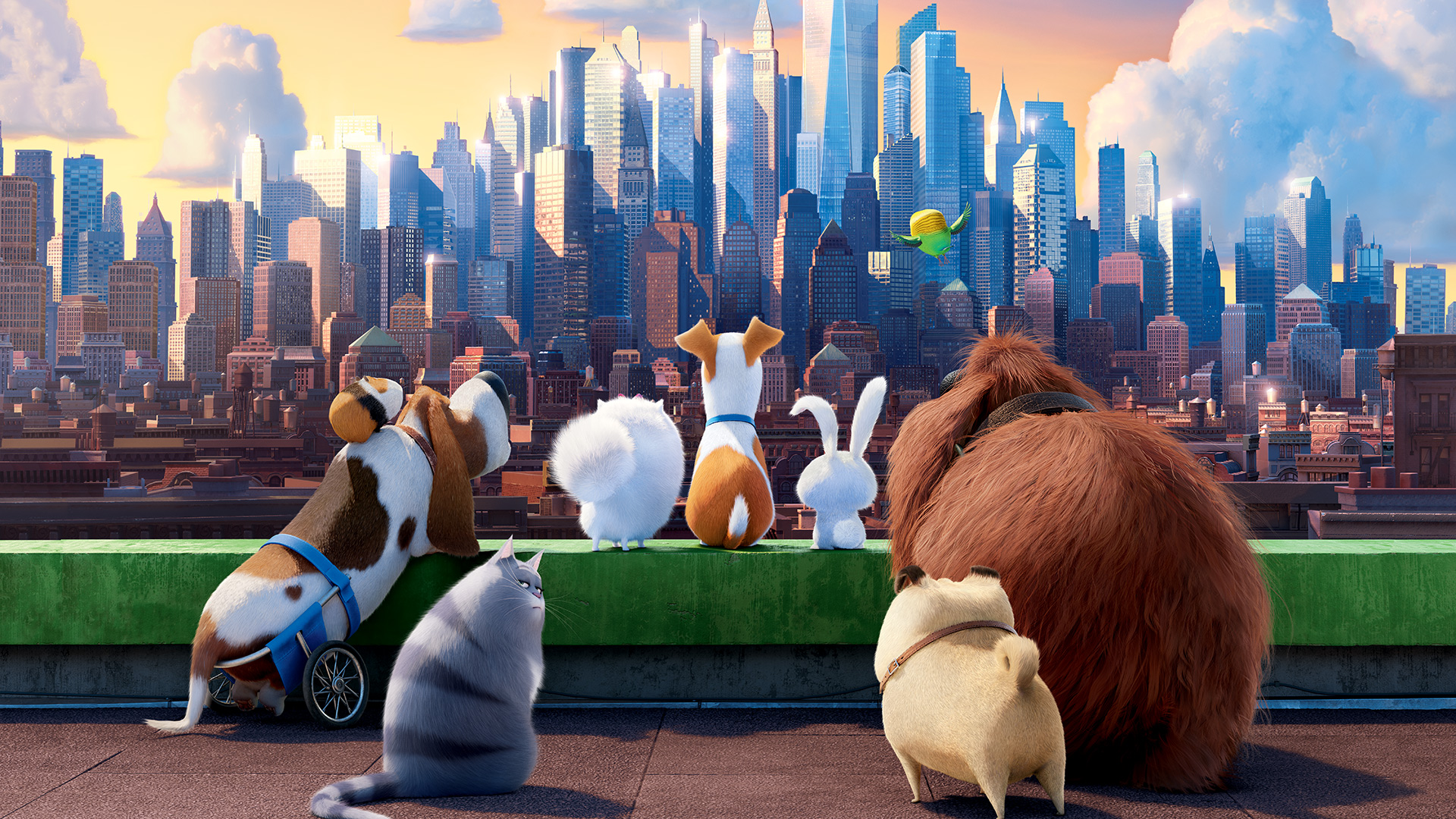
The primary "secrets" behind the voice cast of The Secret Life of Pets 2 involve the high-profile recasting of the lead character Max, the historic animated debut of Harrison Ford, and the improvisational freedom given to the comedic ensemble. In the sequel, Patton Oswalt replaced Louis C.K. as Max, while Harrison Ford took on his first-ever voice role as Rooster, a transformation that allowed the production to explore more mature, protective themes compared to the first installment.
1. The High-Stakes Recasting of Max
Perhaps the most significant "secret" or development in the production of The Secret Life of Pets 2 was the decision to recast the central protagonist. In the original 2016 film, Max, the Jack Russell Terrier, was voiced by Louis C.K. However, following widely publicized personal controversies involving the comedian in late 2017, Universal Pictures and Illumination Entertainment made the strategic choice to sever ties and find a new voice for the franchise’s anchor.
Patton Oswalt was eventually selected for the role. This was not a simple "sound-alike" hire; the production team sought an actor who could maintain the character’s neuroses while adding a new layer of vulnerability. Oswalt, known for his work in Ratatouille and his extensive stand-up career, brought a specific "anxious-yet-heroic" energy to Max.
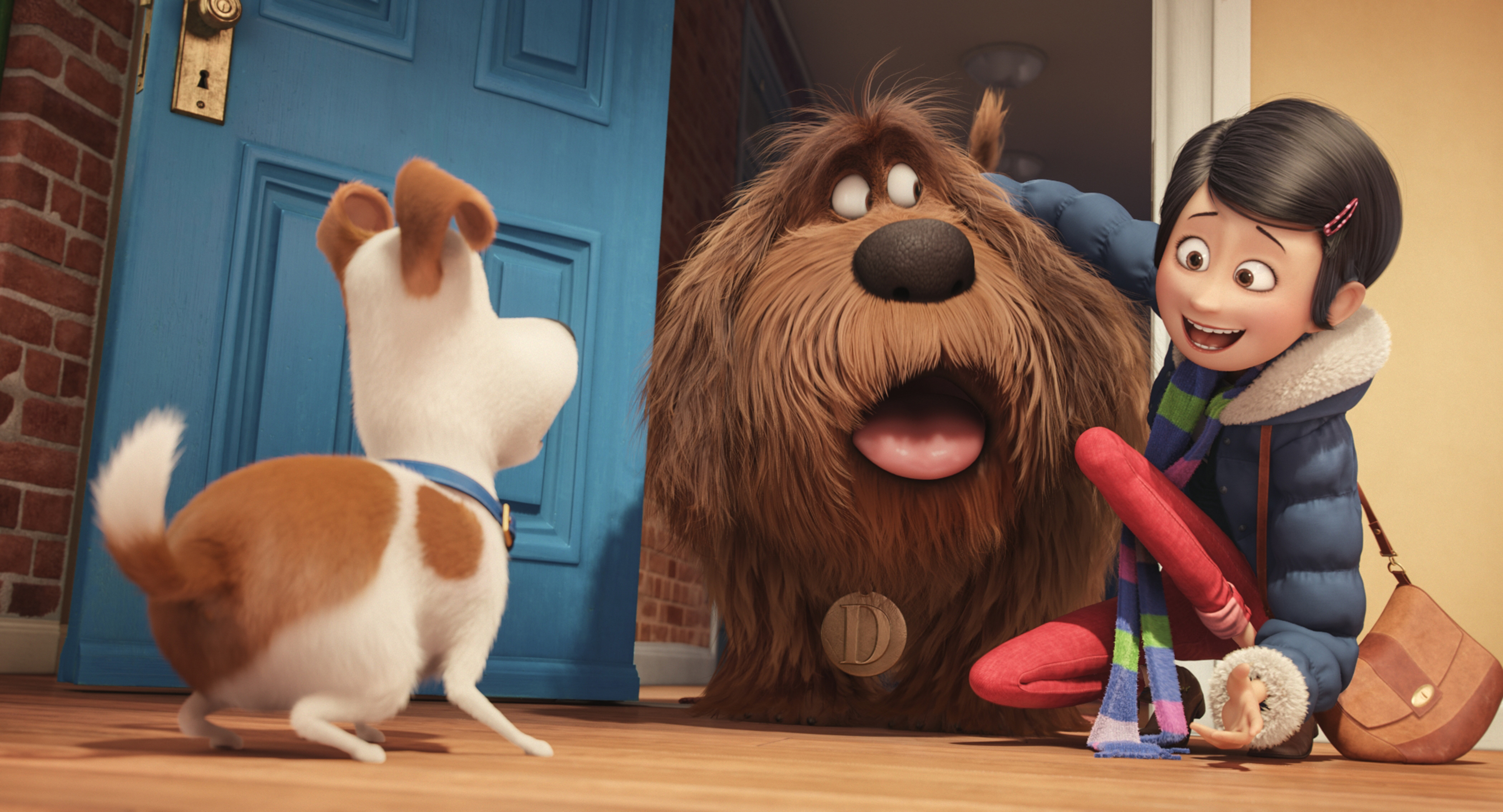
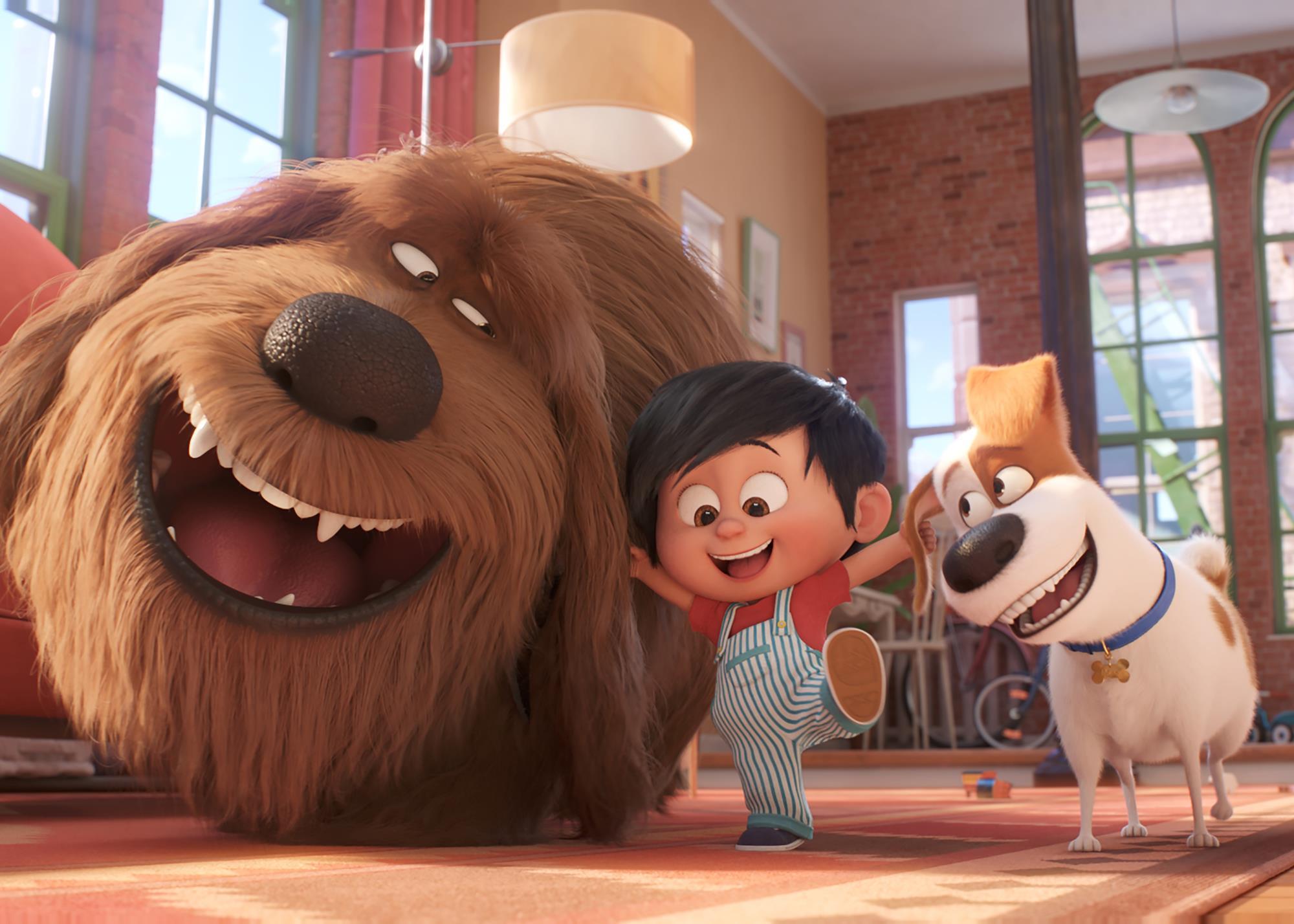
The secret to this transition’s success lay in the script’s evolution. Instead of pretending the voice hadn't changed, the writers leaned into Max’s developing anxiety about his new human "brother," Liam. Oswalt’s naturally higher, more frantic pitch perfectly complemented a dog struggling with the pressures of parenthood and protection. This change effectively rebranded Max from a jealous pet to a protective guardian, a shift that resonated deeply with the 2019 audience and continues to be studied by animation historians in 2026 as a masterclass in crisis-led recasting.
2. Harrison Ford’s Unexpected Leap into Animation
For decades, Harrison Ford was one of the few A-list Hollywood legends who had never lent his voice to a major animated feature. The "secret" to landing Ford for the role of Rooster, the farm-hardened Welsh Sheepdog, was simpler than many expected: the producers just asked.
Director Chris Renaud and the team at Illumination wanted a voice that commanded immediate respect and possessed an "old-school" grit. They modeled Rooster after the archetypal Western hero—a role Ford had played many times in live-action. When approached, Ford reportedly found the pitch for Rooster compelling because the character served as a direct mentor to Max, helping the smaller dog overcome his urban fears.
Ford’s recording process was notably efficient. Known for his "no-nonsense" approach, he brought a level of gravitas to the booth that rarely requires multiple takes. His presence in the film served a dual purpose: it provided a legendary name for the marketing campaign and gave the movie a grounded, emotional core that balanced the more frantic energy of the other characters.
3. The Transformation of Snowball: From Villain to Hero
Kevin Hart’s portrayal of Snowball the rabbit is often cited as the highlight of the franchise. In the first film, Snowball was the antagonist—a revolutionary leader of the "Flushed Pets." A major secret to the sequel's success was the complete subversion of this role.
In The Secret Life of Pets 2, Snowball has been fully domesticated by his new owner, Molly. He is obsessed with his "superhero" identity, Captain Snowball. The production team allowed Kevin Hart significant leeway to improvise, resulting in a character that is simultaneously delusional and incredibly brave.
The technical secret behind Snowball’s animation is that the artists at Illumination specifically timed the rabbit's facial movements to match Hart’s rapid-fire delivery. If you watch Snowball’s nose and ears, they twitch in sync with the staccato rhythm of Hart’s voice. This level of synchronization is why the character feels so "alive" and why his comedic timing remains unmatched in modern CG animation.
4. The Tiffany Haddish Influence and Character Chemistry
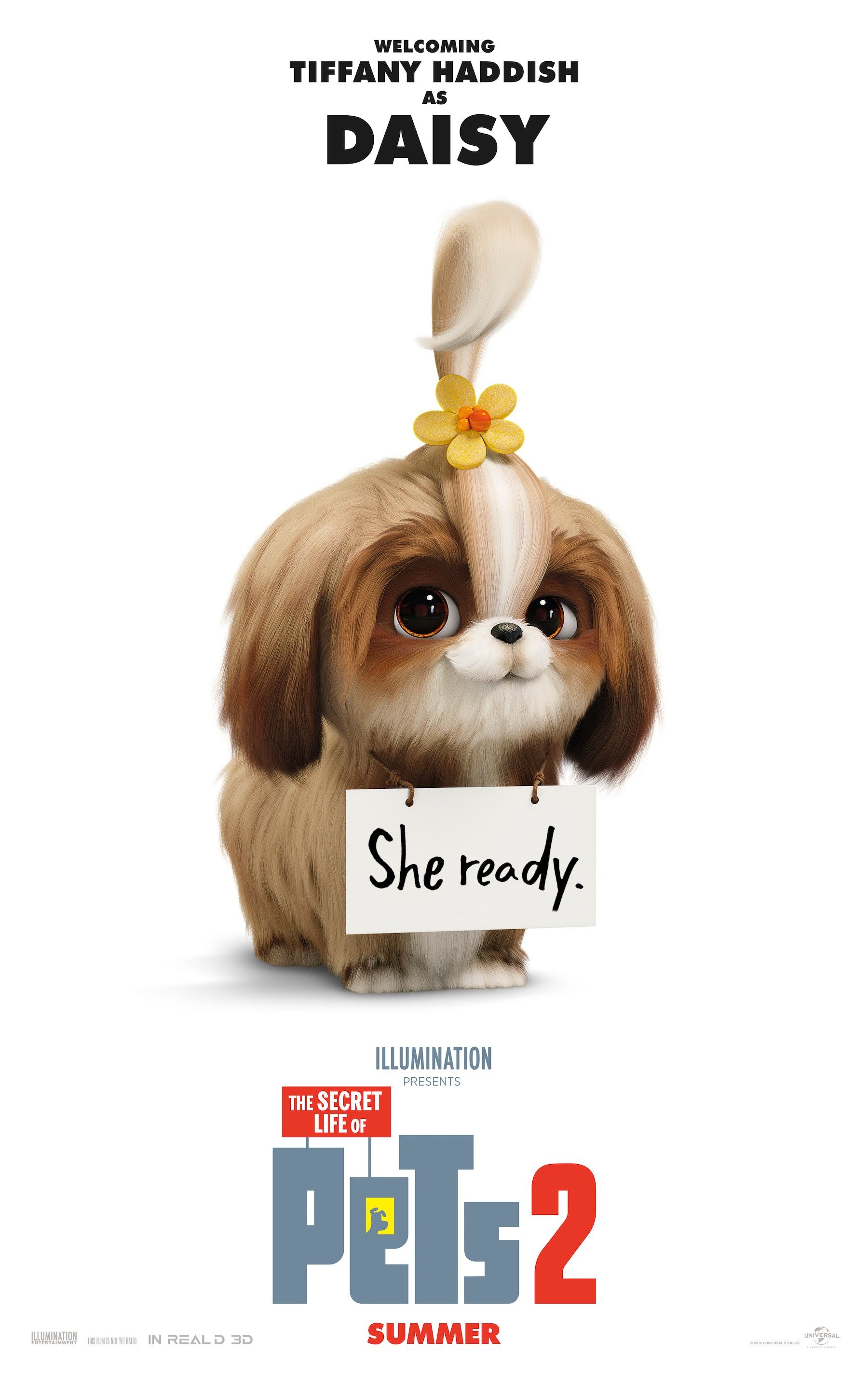
To balance Kevin Hart’s high-energy performance, the production introduced Daisy, a brave Shih Tzu, voiced by Tiffany Haddish. The "secret" to their on-screen chemistry is that while most voice actors record their lines in isolation, the writers specifically crafted Daisy’s dialogue to be a "straight-man" foil to Snowball’s antics.
Haddish was cast during a period of massive career growth (following the success of Girls Trip). Her inclusion brought a new demographic of viewers to the franchise. Daisy was designed to be the proactive hero of the film's subplot involving a rescued tiger, Hu. By giving Haddish a character that was more competent and grounded than Snowball, the film created a classic comedic duo dynamic that allowed both actors to shine without competing for the same "loud" space.
5. Maintaining Continuity with the Supporting Ensemble
While Max was recast and new stars were added, the "secret" to the film's feeling of continuity was the retention of the original supporting cast. Illumination ensured that the world felt familiar by bringing back:
- Eric Stonestreet as Duke: His voice provides the warm, bumbling contrast to Max’s sharp edges.
- Jenny Slate as Gidget: Her performance as the Pomeranian with a secret "inner wolf" remains a fan favorite.
- Lake Bell as Chloe: Her deadpan delivery as the cynical cat provides much of the film’s "adult" humor.
- Dana Carvey as Pops: The veteran comedian brings a "classic Hollywood" feel to the elder dog character.
Keeping this ensemble together allowed the sequel to feel like a natural extension of the first movie's world. The recording sessions for these actors often involved "scratch tracks" (temporary recordings) of their co-stars, helping them react to performances that hadn't even been fully animated yet.
6. The Secret of the "Three-Plot" Structure
One of the more technical secrets of The Secret Life of Pets 2 is its unique narrative structure. Unlike many sequels that follow a single linear path, this film is essentially three short stories that converge in the final act:
- The Farm Story: Max and Duke learning from Rooster.
- The Superhero Story: Snowball and Daisy rescuing the tiger.
- The Apartment Story: Gidget trying to retrieve Max’s favorite toy from a cat-infested apartment.
This structure was chosen to cater to the shorter attention spans of younger audiences while allowing different voice talents to lead their own segments. It also meant that the voice actors for these segments rarely, if ever, saw each other during production. The "secret" of the film’s cohesion lies in the editing room, where the three distinct tones were blended into a single 86-minute feature.
7. The Technical Evolution of Voice Syncing in 2019-2026
In the years since the film's release, the way we analyze these performances has changed. By 2026, AI-assisted animation has become common, but in 2019, the "secret" was pure human observation. Animators would watch video footage of the voice actors in the recording booth to capture specific "tells"—a squint of the eye, a shrug, or a specific way Patton Oswalt tilts his head when he's being inquisitive.
This "actor-first" animation style ensures that the character isn't just a puppet, but a digital extension of the performer. When Max looks particularly stressed, it is often because the animators captured a specific moment of Oswalt’s physical performance during a recording session in Los Angeles.
Comparison of Main Voice Roles and Character Traits
| Character | Voice Actor | Primary Personality Trait | Key Role in Sequel |
|---|---|---|---|
| Max | Patton Oswalt | Anxious / Protective | Learning to let go of fear on the farm. |
| Duke | Eric Stonestreet | Easy-going / Loyal | Supporting Max's journey of growth. |
| Snowball | Kevin Hart | Energetic / Delusional | Believing he is a real superhero. |
| Rooster | Harrison Ford | Stoic / Wise | Mentoring Max in bravery. |
| Daisy | Tiffany Haddish | Brave / Resourceful | Initiating the tiger rescue mission. |
| Gidget | Jenny Slate | Determined / Fierce | Mastering the "art of the cat." |
| Chloe | Lake Bell | Sarcastic / Indifferent | Teaching Gidget how to act like a feline. |
The Impact of the Voice Cast on the Franchise's Future
The "secrets" of the voice cast are ultimately what define the legacy of The Secret Life of Pets 2. By successfully navigating a lead-actor transition and introducing a Hollywood icon like Harrison Ford, the film proved that the franchise was larger than any single performer.
The film's success also highlighted the importance of "character-matching" in voice acting. It wasn't just about hiring famous people; it was about hiring people whose natural vocal timbres matched the biological and psychological profiles of the animals they were portraying. As we look back from 2026, this film stands as a pivotal moment where Illumination Entertainment refined its "star-power" formula to prioritize narrative depth and character growth alongside commercial appeal.
Frequently Asked Questions
Why was Max's voice different in The Secret Life of Pets 2? Max's voice changed because Patton Oswalt replaced Louis C.K. This was due to Universal Pictures' decision to terminate their relationship with Louis C.K. following his admission of sexual misconduct in 2017. Oswalt was chosen to bring a new, slightly more anxious and fatherly tone to the character.
Is Harrison Ford really the voice of Rooster? Yes, Rooster was Harrison Ford's first-ever voice role in a theatrical animated film. He accepted the role because he liked the character's "tough love" mentor archetype and the quality of the script.
Did Kevin Hart and Tiffany Haddish record their lines together? Generally, no. In the animation industry, actors typically record their lines individually to allow for maximum flexibility in editing and animation. However, their scripts were written to ensure their high-energy comedic styles complemented one another perfectly.
Was the script changed after Patton Oswalt was cast? While the core plot remained the same, the dialogue was adjusted to fit Oswalt's specific comedic timing and his ability to convey neuroticism. The focus on Max's "parental anxiety" was a perfect fit for Oswalt's existing acting persona.
Will there be a Secret Life of Pets 3 with this same cast? As of 2026, discussions regarding a third film have often centered on maintaining this established ensemble. The chemistry between Oswalt, Hart, and Haddish has become a cornerstone of the brand's identity.
Final Recommendation for Fans
If you are interested in the art of voice acting, The Secret Life of Pets 2 is a mandatory watch. Pay close attention to the scenes between Max (Oswalt) and Rooster (Ford). The contrast between Oswalt’s fast-paced, high-pitched "city dog" voice and Ford’s slow, resonant "country dog" rumble is a perfect example of how vocal contrast can drive character development without the need for complex dialogue.
For those looking to dive deeper, seeking out the "Behind the Scenes" featurettes on the home media releases (or digital archives available in 2026) offers a rare look at Harrison Ford in the recording booth—a sight that was once thought to be an impossibility in Hollywood.