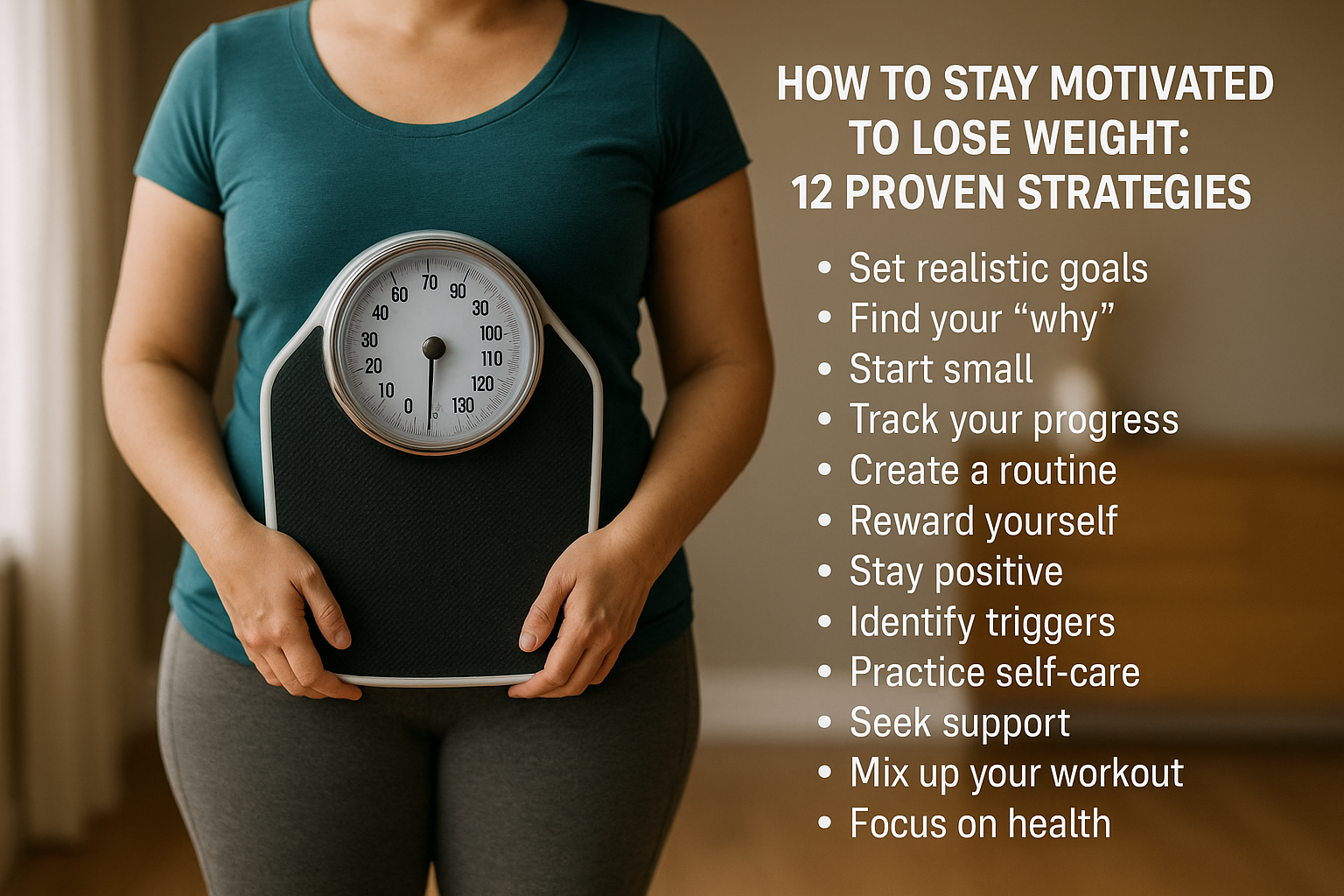
Effective weight loss requires a combination of a sustained caloric deficit, metabolic optimization through resistance training, and behavioral modifications that prioritize satiety and hormonal balance. By focusing on high protein intake, circadian-aligned eating, and the reduction of ultra-processed foods, individuals can achieve significant fat loss while preserving essential lean muscle mass.
The landscape of weight management in 2026 has evolved beyond simple "calories in, calories out" (CICO) models. While the laws of thermodynamics remain the foundation of fat loss, modern clinical practice emphasizes the quality of those calories and their impact on the endocrine system. Long-term success is no longer measured by the number on the scale alone but by improvements in body composition, insulin sensitivity, and metabolic flexibility.
Losing weight is a physiological challenge that involves counteracting the body’s natural defense mechanisms against energy depletion. When you reduce intake, your body often responds by lowering its basal metabolic rate (BMR) and increasing hunger hormones like ghrelin. To bypass these biological hurdles, you must implement strategies that promote fullness, protect metabolic health, and make the process psychologically sustainable.
1. Prioritize High Protein Intake and Dietary Fiber
The most critical nutritional adjustment for weight loss is the prioritization of protein. In 2026, clinical consensus suggests that for those in a caloric deficit, protein intake should range between 1.6 to 2.2 grams per kilogram of goal body weight. This high-protein approach serves two primary functions: the preservation of lean muscle tissue and the maximization of the thermic effect of food (TEF).
Protein has a significantly higher TEF than fats or carbohydrates. Approximately 20% to 30% of the calories consumed from protein are burned during the digestion and processing phase, compared to 5% to 10% for carbohydrates and 0% to 3% for fats. Furthermore, protein stimulates the release of satiety hormones such as peptide YY (PYY) and glucagon-like peptide-1 (GLP-1), which signal to the brain that the body is nourished.
Dietary fiber, particularly soluble fiber, complements protein by adding bulk to the diet without adding significant calories. Soluble fiber absorbs water and forms a gel-like substance in the gut, which slows down gastric emptying. This process results in a more gradual release of glucose into the bloodstream, preventing the insulin spikes and subsequent "crashes" that often trigger cravings. Aiming for 25 to 35 grams of fiber daily from whole-food sources like legumes, cruciferous vegetables, and berries is a proven best practice for weight management.
2. Implement Progressive Resistance Training
While cardiovascular exercise is beneficial for heart health, resistance training is the superior tool for sustainable weight loss. The primary reason is its effect on the Resting Metabolic Rate (RMR). Muscle tissue is more metabolically active than adipose tissue (fat). By engaging in hypertrophy-based training—lifting weights or using bodyweight resistance—you increase your muscle mass, which in turn increases the number of calories your body burns while at rest.
Resistance training also mitigates the metabolic slowdown that typically accompanies weight loss. When the body loses weight rapidly through diet alone, a significant portion of that loss (often up to 25%) comes from muscle tissue. This loss of muscle lowers the RMR, making it increasingly difficult to continue losing weight and significantly easier to regain it.
To maximize fat loss, a best practice is to engage in full-body resistance training at least three times per week. Focus on compound movements—such as squats, deadlifts, presses, and rows—which recruit multiple muscle groups and elicit a greater hormonal response. This "metabolic conditioning" ensures that the weight lost is primarily fat, resulting in a leaner, more defined physique and a more resilient metabolism.
3. Manage the Circadian Rhythm of Eating
Recent research into chrononutrition has highlighted that when you eat can be as important as what you eat. Humans have an internal biological clock that regulates insulin sensitivity, digestion, and nutrient metabolism. Generally, insulin sensitivity is highest in the morning and decreases as the day progresses.
Implementing a form of time-restricted feeding (TRF) or an early-window eating schedule is a proven practice for weight loss. For example, a 16:8 protocol (fasting for 16 hours and eating during an 8-hour window) can help reduce overall caloric intake by naturally limiting late-night snacking. However, moving that 8-hour window earlier in the day—finishing the last meal by 6:00 PM or 7:00 PM—aligns better with the body’s natural circadian rhythm.
Eating late at night, especially high-carbohydrate meals, can lead to elevated blood glucose levels during sleep. This inhibits the release of growth hormone and interferes with the fat-oxidation processes that occur during the overnight fast. By aligning your food intake with daylight hours, you optimize your body’s ability to process nutrients and utilize stored fat for energy.
4. Increase Non-Exercise Activity Thermogenesis (NEAT)
Many individuals focus solely on their one-hour gym session while remaining sedentary for the remaining 23 hours of the day. However, Non-Exercise Activity Thermogenesis (NEAT) often accounts for a much larger portion of total daily energy expenditure (TDEE) than structured exercise. NEAT includes all the calories burned through movement that is not intentional exercise, such as walking, fidgeting, cleaning, and standing.
In 2026, the "10,000 steps a day" guideline remains a gold standard for weight loss maintenance, but the focus has shifted toward consistent movement throughout the day. Prolonged sitting can lead to "exercise resistance," where the metabolic benefits of a workout are blunted by hours of inactivity.
To optimize NEAT:
- Use a standing desk or take "movement snacks" every 30 minutes.
- Incorporate walking meetings or phone calls.
- Opt for stairs over elevators and park further away from destinations.
- Engage in active hobbies like gardening or hiking.
Small, consistent movements keep the metabolism "primed" and prevent the body from entering a low-energy conservation mode during a caloric deficit.
5. Optimize Sleep Hygiene and Stress Management
Weight loss is not just a matter of willpower; it is governed by hormones. Chronic sleep deprivation and high stress levels create a hormonal environment that is antithetical to fat loss. Specifically, lack of sleep (less than 7 hours per night) increases levels of ghrelin, the hunger hormone, and decreases levels of leptin, the hormone that signals fullness.
Furthermore, sleep deprivation increases cortisol, a primary stress hormone. Elevated cortisol levels promote visceral fat storage (fat around the midsection) and can lead to insulin resistance. When you are stressed and tired, the brain’s executive function is impaired, making it significantly harder to resist hyper-palatable, high-calorie foods.
Prioritizing sleep hygiene—maintaining a cool, dark room, avoiding screens 60 minutes before bed, and keeping a consistent sleep-wake cycle—is a foundational best practice. Stress management techniques, such as mindfulness meditation or deep breathing exercises, can also help lower systemic cortisol, making the body more "willing" to release stored fat.
6. Minimize Ultra-Processed Foods (UPFs)
Ultra-processed foods are engineered to be hyper-palatable, often containing a specific "bliss point" of sugar, salt, and unhealthy fats that bypasses the body's natural satiety signals. These foods—which include sugary cereals, soda, packaged snacks, and many fast foods—are generally low in nutrients and high in energy density.
According to the Nova classification system, UPFs are industrial formulations that contain substances not used in home kitchens (such as emulsifiers, flavor enhancers, and colors). These additives can negatively affect the gut microbiome, leading to systemic inflammation and metabolic dysfunction.
A proven best practice is to follow a "whole foods" approach, where 80-90% of your diet consists of single-ingredient foods like lean meats, eggs, vegetables, fruits, nuts, and whole grains. Whole foods require more energy to break down and are naturally more filling, which helps you maintain a caloric deficit without the constant feeling of deprivation associated with diets high in processed sugars.
7. Strategic Tracking and Behavioral Reframing
Successful weight loss requires objective data. While "intuitive eating" is a goal for many, most individuals significantly underestimate their caloric intake and overestimate their physical activity. Using a tracking tool or a food diary for a period of time—at least 3 to 4 weeks—provides the necessary awareness of portion sizes and hidden calories.
However, tracking should be viewed as an educational tool rather than a restrictive one. Behavioral reframing involves changing how you view food and setbacks. Instead of a "pass/fail" mentality, adopt a "data-driven" approach. If your weight plateaus, look at the data: has your NEAT decreased? Has your "hidden" caloric intake from sauces or snacks increased?
Comparison of Weight Loss Strategies
The following table compares the seven best practices based on their metabolic impact and ease of long-term implementation.
| Best Practice | Primary Metabolic Mechanism | Impact Level | Difficulty to Implement |
|---|---|---|---|
| High Protein/Fiber | Thermic effect (TEF) & Satiety | High | Moderate |
| Strength Training | Increased BMR & Muscle retention | High | High |
| Circadian Eating | Insulin sensitivity optimization | Moderate | Moderate |
| Increased NEAT | Total daily energy expenditure | High | Low |
| Sleep/Stress Mgmt | Hormonal balance (Leptin/Ghrelin) | High | Moderate |
| UPF Reduction | Inflammation & Cravings control | Moderate | High |
| Tracking/Behavior | Awareness & Accountability | Moderate | Moderate |
Troubleshooting Common Weight Loss Plateaus
It is common to experience a plateau after the initial 4 to 8 weeks of a weight loss journey. This is often due to metabolic adaptation, where the body becomes more efficient and burns fewer calories at your new, lower weight. To break a plateau, consider the following:
- Re-evaluate your caloric needs: As you lose weight, your TDEE drops. A caloric deficit that worked at 200 lbs may be a maintenance level at 180 lbs.
- Check for "caloric creep": Over time, portion sizes tend to grow, and small bites or licks of food can add up. Return to strict tracking for one week to recalibrate.
- Increase intensity, not duration: Instead of adding more cardio, try increasing the weight or intensity of your resistance training to stimulate new muscle growth.
- Take a "Diet Break": If you have been in a deficit for more than 12 weeks, consuming calories at maintenance for 1 to 2 weeks can help reset hormonal signals and reduce psychological fatigue.
For more detailed guidance on metabolic health, the National Institutes of Health (NIH) provides extensive peer-reviewed resources on nutrition and obesity. Additionally, the World Health Organization (WHO) offers global guidelines on physical activity and healthy diets.
FAQ
How much weight is safe to lose per week?
In 2026, clinical guidelines generally recommend a weight loss of 0.5 to 1.0% of total body weight per week. For an individual weighing 200 pounds, this equates to 1 to 2 pounds weekly. Losing weight faster than this often leads to significant muscle loss and can trigger a more aggressive metabolic slowdown, making maintenance much harder.
Do I need to cut out carbohydrates to lose weight?
No, you do not need to eliminate carbohydrates. While low-carb diets can be effective for some because they naturally reduce caloric intake and water retention, it is the total caloric deficit that drives fat loss. Carbohydrates are essential for fueling high-intensity resistance training. The key is to prioritize complex carbohydrates (like oats, sweet potatoes, and quinoa) over refined sugars.
Is cardio or weightlifting better for fat loss?
Weightlifting is generally more effective for long-term fat loss because it builds muscle mass, which raises your resting metabolic rate. Cardio burns more calories during the activity but has a lower impact on your metabolism once the session is over. The most effective programs combine heavy resistance training with moderate NEAT or low-intensity steady-state (LISS) cardio.
Can supplements help with weight loss?
Supplements are rarely a "magic pill." While some substances like caffeine or green tea extract can slightly increase metabolic rate, their effect is negligible compared to diet and exercise. Protein powders and fiber supplements can be useful tools to help meet your daily targets, but they should supplement a whole-food diet, not replace it.
Why is my weight fluctuating even though I'm dieting?
Weight fluctuations are normal and often reflect changes in water retention, glycogen storage, salt intake, or menstrual cycles rather than fat gain. This is why it is important to look at weekly averages rather than daily scale changes. If your weekly average is trending downward, you are in a caloric deficit.
How do I maintain my weight loss once I reach my goal?
Maintenance requires a shift from a "diet" mindset to a "lifestyle" mindset. This involves slowly increasing your calories back to maintenance levels (a process sometimes called reverse dieting) while keeping your activity levels high. Continuing with resistance training and high protein intake is essential to prevent weight regain.
To begin your journey, start by implementing just two of these practices—such as increasing protein and hitting 8,000 steps—before layering on more complex strategies like strength training or circadian-aligned eating.