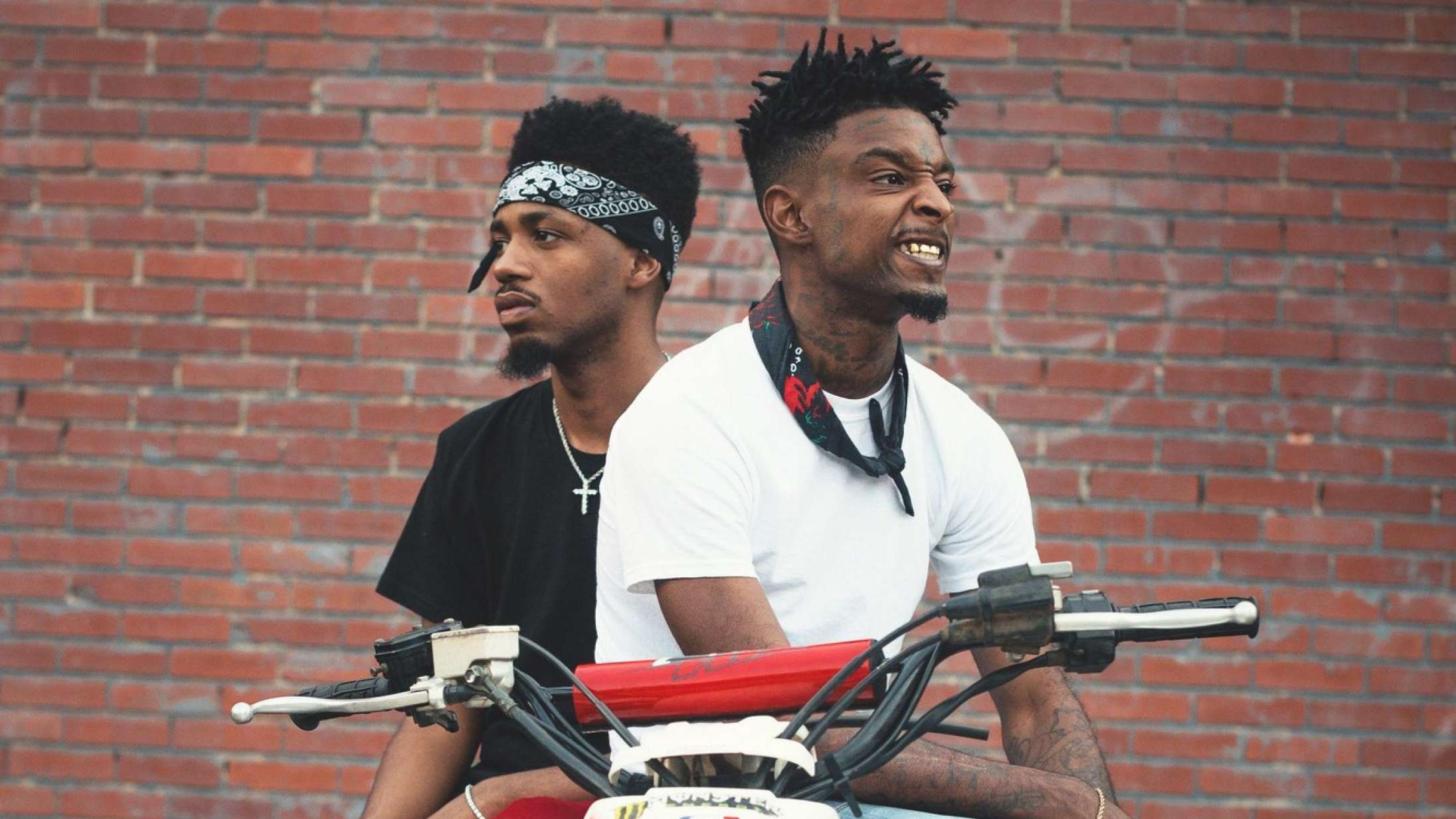
21 Savage and Metro Boomin’s collaborative 2020 album Savage Mode II features seven spoken-word interludes narrated by legendary actor Morgan Freeman, which serve as thematic guideposts exploring morality, snitching, fake friends, love, peace, and the complexities of human behavior.
Introduction to Savage Mode II and the Cinematic Vision
When 21 Savage and producer Metro Boomin released Savage Mode II in October 2020, the follow-up to their critically acclaimed 2016 collaborative mixtape, it arrived not merely as a collection of rap tracks, but as a cinematic experience. A massive component of that theatrical presentation is the presence of Morgan Freeman. Known for his iconic voice, authoritative cadence, and deep cultural resonance, Freeman acts as a modern-day Greek chorus throughout the project.
Rather than serving as random skits, the seven interludes function as philosophical pillars that divide the album’s aggressive trap anthems and introspective cuts into distinct thematic chapters. This analysis examines all seven Morgan Freeman interludes on Savage Mode II, detailing where they appear, what wisdom they impart, and how they shape the overarching narrative of the project.
The Role of Spoken-Word Interludes in Modern Hip-Hop
Spoken-word interludes have a rich history in hip-hop, often used to bridge the gap between hard-hitting tracks and conceptual narratives. From the dramatic skits on classic 1990s West Coast and East Coast albums to the introspective voice memos found on modern trap releases, these segments provide breathing room for the listener.
On Savage Mode II, Metro Boomin and 21 Savage elevated the concept by enlisting a single, universally recognized narrator to maintain a cohesive tone. Morgan Freeman’s voice carries an inherent sense of gravitas and wisdom. By placing him at the helm of these interludes, the creators frame the album's gritty street narratives as cautionary tales, philosophical studies, and reflections on survival.
Breakdown of the 7 Morgan Freeman Interludes
To fully appreciate the structure of Savage Mode II, we must examine each interlude sequentially, exploring its placement, message, and integration into the tracklist.
1. "Intro"
- Placement: Track 1
- Themes: Definition of a savage, perspective, and duality.
The album opens with Morgan Freeman delivering a monologue that immediately sets the tone for the entire project. Over a cinematic, suspenseful orchestral arrangement by Metro Boomin, Freeman defines what it means to be in "savage mode." He explains that a savage is someone who refuses to be played with, yet operates under a code.
This introduction acts as a thesis statement. It prepares the listener to look past the surface-level bravado of trap music and examine the psychological survival mechanisms required in dangerous environments. Freeman's measured delivery transforms what could have been standard street rap tropes into a study on human boundaries and respect.
2. "Snitches & Rats (Interlude)"
- Placement: Track 3
- Themes: Integrity, the code of silence, and betrayal.
Appearing just before the track "Snitches & Rats" featuring Young Nudy, this interlude provides a sharp, humorous, yet deadpan breakdown of the difference between a "snitch" and a "rat." Freeman outlines the legal and street-level distinctions with the clinical precision of a documentary narrator.
He explains that a rat is someone who violates a code they never agreed to or compromises others for self-preservation, while a snitch actively collaborates with authorities after getting caught. This interlude sets up the tracklist's condemnation of dishonesty and social betrayal, grounding the music in a strict moral code of street ethics.
3. "Queen (Interlude)"
- Placement: Track 6
- Themes: Loyalty, recognizing genuine value, and relationships.
Shifting away from street politics, the "Queen" interlude focuses on romantic relationships and the value of a supportive partner. Freeman reflects on the reality that a good partner is difficult to find and even harder to maintain if one is blinded by temporary temptations.
This segment bridges the gap between aggressive tracks like "Runnin" and more introspective moments. It emphasizes that beneath the exterior of survival and success, emotional stability and genuine companionship are vital cornerstones of a balanced life.
4. "Slidin (Interlude)"
- Placement: Track 9
- Themes: Retaliation, impulsivity, and the consequences of war.
As the album enters its darker, more aggressive second half, "Slidin (Interlude)" addresses the cycle of retaliation. Freeman speaks on the nature of vengeance—how the urge to "slide" or retaliate often traps individuals in an endless loop of violence.
His narration serves as a psychological warning. Rather than glorifying retaliation, the interlude highlights the heavy mental and physical toll of constant conflict. It forces the listener to weigh the temporary satisfaction of revenge against its long-term, devastating consequences.
5. "Said N Done (Interlude)"
- Placement: Track 11
- Themes: Growth, maturity, and leaving the past behind.
Positioned near the end of the project, this interlude looks at personal evolution. Freeman discusses how aging brings clarity, helping individuals realize that some battles are simply not worth fighting and that true strength lies in walking away.
This matches the tone of the concluding tracks on the album, where 21 Savage reflects on his wealth, survival, and distance from his past circumstances. Freeman’s words validate the journey of self-improvement and emotional maturation.
6. "Losure (Interlude)"
- Placement: Track 13
- Themes: Acceptance, moving on, and psychological closure.
The title itself plays on pronunciation, but the message is clear: finding peace requires absolute closure. Freeman explores the difficulty of letting go of past traumas, betrayals, and lost relationships.
He notes that without closure, individuals remain mentally shackled to situations that no longer serve them. This interlude acts as a therapeutic release valve before the album wraps up its emotional narrative.
7. "Outro"
- Placement: Track 15
- Themes: Legacy, reflection, and final wisdom.
The final interlude brings the cinematic journey full circle. Freeman delivers a closing reflection that summarizes the album's core message: survival requires resilience, but peace requires wisdom.
Over fading production elements, his voice leaves a lasting impression, cementing Savage Mode II as more than just a typical rap release—it stands as a structured audio film complete with narration, moral lessons, and character development.
Thematic Summary of the Interludes
To better understand how these interludes function within the album structure, the following table outlines their placement, associated tracks, and primary moral lessons.
| Interlude Title | Album Position | Core Subject Matter | Primary Lesson |
|---|---|---|---|
| Intro | Track 1 | Definition of Savage Mode | Boundaries and self-respect are essential for survival. |
| Snitches & Rats | Track 3 | Ethics and Betrayal | Integrity and loyalty separate true peers from opportunists. |
| Queen | Track 6 | Relationships and Value | Genuine companionship requires recognition and care. |
| Slidin | Track 9 | Retaliation and Conflict | Vengeance creates an endless, destructive cycle. |
| Said N Done | Track 11 | Maturity and Growth | True strength involves knowing when to walk away. |
| Losure | Track 13 | Emotional Closure | Letting go of the past is necessary for mental peace. |
| Outro | Track 15 | Legacy and Reflection | Wisdom ultimately supersedes raw survival instincts. |
Critical Reception and Cultural Impact
Upon release, the inclusion of Morgan Freeman was widely praised by critics and fans alike. Many noted that Freeman's narration elevated the project, drawing favorable comparisons to classic cinematic narration in mob films like Goodfellas or Casino.
The interludes quickly became meme material across social media platforms, further boosting the album's viral reach. However, beyond the internet humor, music critics lauded Metro Boomin and 21 Savage for conceptual ambition. The skits provided context that made 21 Savage’s deadpan, menacing delivery feel calculated and philosophical rather than purely gratuitous.
Frequently Asked Questions
Why did 21 Savage and Metro Boomin choose Morgan Freeman for Savage Mode II?
The creators wanted an authoritative, recognizable voice that could lend cinematic gravitas to the album. Morgan Freeman’s reputation for wisdom and storytelling made him the ideal candidate to narrate the project's moral and philosophical explorations.
Are the Morgan Freeman interludes actual speeches written for the album?
Yes, the monologues were specifically written for Savage Mode II to connect the tracks thematically, serving as scripted narrative bridges rather than sampled audio from existing films or interviews.
How do the interludes impact the flow of the album?
They divide the 15-track project into distinct thematic chapters, allowing listeners to transition smoothly between high-energy street anthems and deep, introspective tracks.
Did Morgan Freeman record visual content for the album release as well?
Yes, Morgan Freeman appeared in the official album trailer and promotional materials, leaning into the cinematic theme by acting as the literal narrator of the Savage Mode II universe.
Conclusion and Final Recommendation
The seven Morgan Freeman interludes on Savage Mode II are integral to understanding the album as a cohesive body of work rather than a loose playlist of singles. They elevate the material by framing gritty street realities within a broader conversation about morality, trust, and personal growth.
For listeners looking to fully appreciate the project, returning to the album with a focus on how these narrative bridges connect to the preceding and succeeding songs reveals a carefully constructed audio film. Pay close attention to the sequencing, and examine how Freeman's narration reframes the aggressive undertones into lessons on survival and maturity.