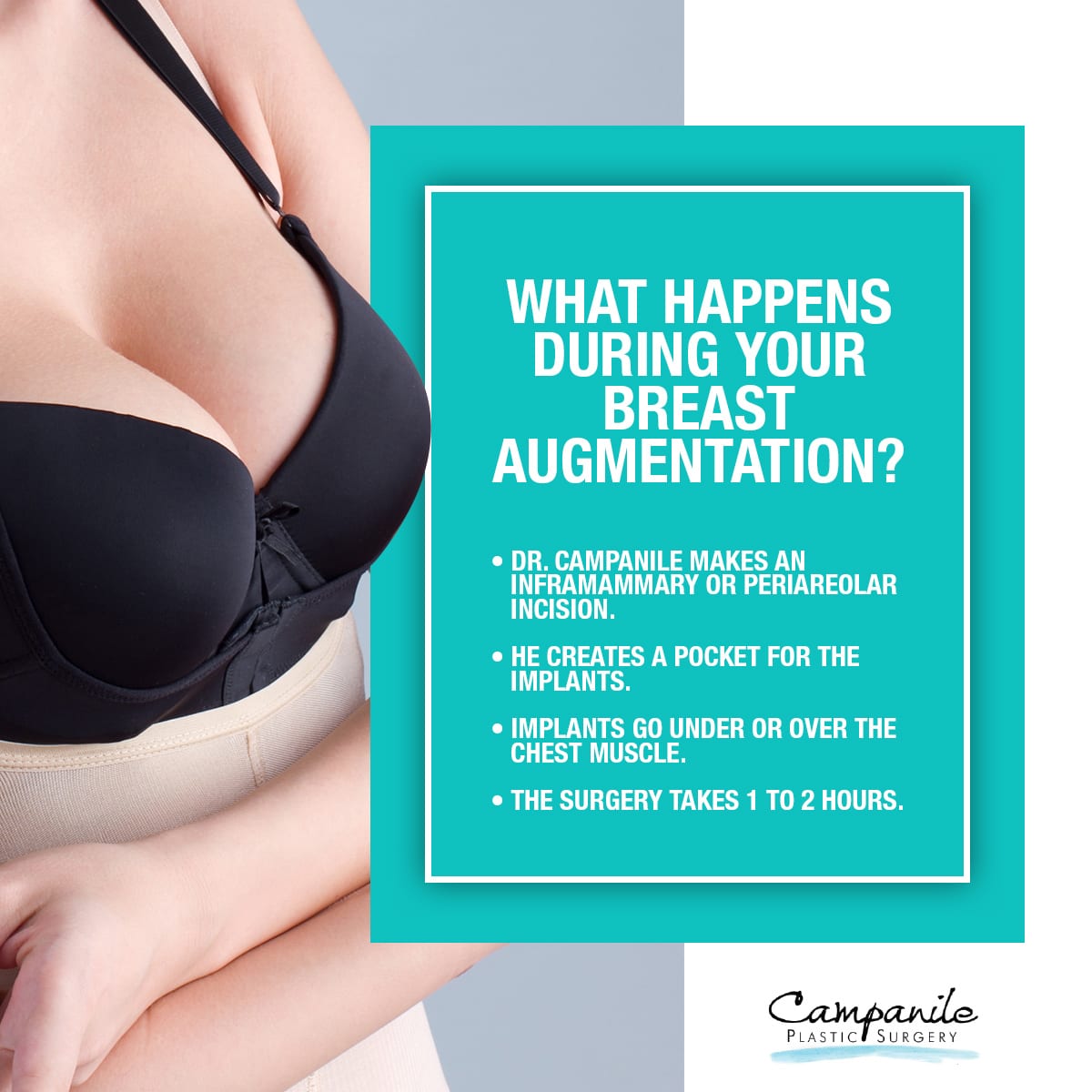
Choosing a board-certified plastic surgeon for breast augmentation in New York City requires evaluating medical credentials, aesthetic vision, safety records, and personalized patient care. Because New York City attracts many of the nation’s top surgical talents, patients face a vast field of choices. Narrowing down the options involves understanding surgical techniques, verifying credentials through official medical boards, reviewing before-and-after portfolios, and assessing facility accreditation to ensure optimal health and cosmetic outcomes.
Understanding the Landscape of Plastic Surgery in New York City
New York City is a global hub for aesthetic medicine, housing some of the most advanced private surgical suites and academic medical centers in the world. When individuals search for top-tier providers, they encounter a dense concentration of practitioners specializing in cosmetic breast surgery, revision procedures, and body contouring. However, navigating this expansive market requires looking past marketing claims and focusing on verifiable clinical credentials, hospital privileges, and peer recognition.
The high concentration of talent means that patients have access to pioneers in techniques such as rapid recovery protocols, composite breast augmentation (combining implants with fat grafting), and anatomical or teardrop implant placement. To evaluate these specialists effectively, patients must understand the baseline qualifications that separate general physicians from elite plastic surgeons.
Core Criteria for Evaluating Breast Augmentation Specialists
Before selecting a surgeon, prospective patients should apply a rigorous set of objective filters. These criteria protect patient safety and maximize the likelihood of achieving natural, satisfying aesthetic results.
1. Board Certification
A surgeon must be certified by the American Board of Plastic Surgery (ABPS). This certification ensures the doctor has completed rigorous residency training specifically in plastic and reconstructive surgery, passed comprehensive written and oral examinations, and maintains continuing medical education requirements. Certification by other boards does not equate to ABPS certification.
2. Hospital Privileges
Even if a procedure is performed in an accredited private office-based surgical suite, having admitting and surgical privileges at a major local hospital (such as New York-Presbyterian, Mount Sinai, or NYU Langone) serves as an essential quality check. Hospitals vet surgeons thoroughly before granting privileges, reviewing their complication rates and malpractice history.
3. Surgical Facility Accreditation
The operating room must be accredited by recognized bodies such as the American Association for Accreditation of Ambulatory Surgery Facilities (AAAASF), the Accreditation Association for Ambulatory Health Care (AAAHC), or The Joint Commission. Accreditation guarantees that the facility meets strict safety, equipment, and anesthesia standards.
4. Specialization and Volume
A surgeon who dedicates a significant percentage of their practice to aesthetic breast surgery will typically possess refined technical judgment regarding pocket dissection, implant sizing, and management of tissue characteristics. Inquiries should focus on how many primary and revision breast augmentations the surgeon performs annually.
Key Approaches to Breast Augmentation Procedures
Modern breast augmentation is not a one-size-fits-all procedure. Top NYC surgeons distinguish themselves through their mastery of various techniques, implant profiles, and placement planes.
| Parameter | Saline Implants | Silicone Gel Implants | Structured Silicone Implants | Autologous Fat Transfer |
|---|---|---|---|---|
| Feel | Firmer, fluid movement | Natural, soft, cohesive | Stable shape, natural feel | Soft, completely natural tissue |
| Incision Length | Shorter | Slightly longer | Slightly longer | Minimal (cannula entry points) |
| Rupture Detection | Immediate deflation | Often "silent" (requires MRI/Ultrasound) | Often "silent" (requires MRI/Ultrasound) | N/A (living tissue integration) |
| Primary Benefit | Adjustable volume, smaller incision | Realistic texture and feel | Maintains shape, resists rippling | No foreign devices, dual contouring (liposuction) |
Incision Placement Options
- Inframammary Fold: Located in the natural crease beneath the breast, offering the surgeon direct visualization and precise control over the pocket.
- Periareolar: Placed along the lower edge of the areola, concealing scars well but potentially carrying a higher risk of sensation changes.
- Transaxillary: Made in the armpit, avoiding scars on the breast entirely, though it requires specialized endoscopic visualization.
Placement Planes
- Subglandular: Placed behind the breast tissue but in front of the pectoral muscle.
- Submuscular (Partial Subpectoral): Placed partially under the chest muscle, providing superior upper-pole transition and better coverage for thin patients.
- Dual Plane: A specialized technique dividing the muscle insertion to allow the lower portion of the implant to rest under the breast tissue while the upper portion is covered by muscle, optimizing both natural movement and shape.
The Consultation Process: What to Expect
A comprehensive initial consultation is the cornerstone of a successful surgical journey. Patients should approach consultations prepared with specific questions and a clear understanding of their aesthetic goals.
- Medical History Review: The surgeon evaluates past medical conditions, previous surgeries, smoking habits, and medications that could affect healing or anesthesia safety.
- Physical Examination: The physician measures breast width, skin elasticity, chest wall symmetry, and baseline asymmetry—which is present in almost all women.
- Implant Selection and Sizing: Utilizing 3D imaging technology or sizer inserts worn inside a supportive bra, patients can visualize different volumes and profiles.
- Transparent Financial Discussion: A detailed, itemized quote should be provided, encompassing surgeon fees, anesthesia fees, surgical facility costs, and post-operative garments.
Managing Risks and Recovery
While breast augmentation is generally safe when performed by qualified professionals, all surgical procedures carry inherent risks. Understanding these factors ensures informed consent and proactive post-operative care.
- Capsular Contracture: The formation of tight scar tissue around the implant, which can cause firmness, distortion, or discomfort.
- Infection and Bleeding: Standard surgical risks managed through sterile protocols and meticulous hemostasis.
- Changes in Sensation: Temporary or permanent alterations in nipple or skin sensitivity.
- Implant Malposition or Rupture: Structural changes over time that may necessitate future revision surgery.
Recovery typically involves restricting heavy lifting and strenuous upper-body exercise for four to six weeks. Most patients return to desk work within five to seven days, depending on individual healing rates and comfort levels.
Frequently Asked Questions
How do I verify a plastic surgeon's credentials in New York?
Patients can verify credentials through the New York State Education Department Office of the Professions website to check medical licenses. Additionally, the American Board of Plastic Surgery verification tool confirms board certification status, and the Official American Society of Plastic Surgeons (ASPS) directory lists active members in good standing.
What is the average cost of breast augmentation in NYC?
Costs in New York City typically range higher than the national average due to facility and operational overhead. Total fees generally encompass surgeon compensation, board-certified anesthesiologist fees, and accredited operating room expenses. Exact pricing varies based on the complexity of the procedure and the type of implants selected.
Are silicone or saline implants safer?
Both implant types are approved by the U.S. Food and Drug Administration (FDA) and have extensive safety records. Silicone gel implants offer a more natural look and feel but require periodic monitoring via ultrasound or MRI to check for silent ruptures. Saline implants allow for smaller incisions and immediate visual confirmation of rupture if deflation occurs.
Can breast augmentation correct severe asymmetry?
Yes, experienced surgeons routinely use different implant sizes, varying profiles, or adjunctive fat grafting to correct congenital or developmental breast asymmetry. However, achieving absolute symmetry is anatomically impossible, and the goal is harmonious balance.
When can I resume normal physical activities after surgery?
Light walking is encouraged immediately post-surgery to promote circulation. Cardiovascular exercises and lower-body workouts can typically resume around three weeks, while upper-body weightlifting and high-impact activities are usually restricted for six weeks.
Next Actions for Prospective Patients
To begin the journey toward breast augmentation in New York City, compile a shortlist of three to four board-certified plastic surgeons who specialize in aesthetic breast procedures. Schedule in-person consultations with at least two providers to compare surgical philosophies, communication styles, and facility environments. Always review comprehensive before-and-after galleries featuring patients with similar anatomical starting points to ensure alignment between expectations and achievable outcomes.
Disclaimer: This article is for informational purposes only and does not constitute medical advice. Consult a qualified, board-certified plastic surgeon for personalized diagnosis and treatment recommendations.