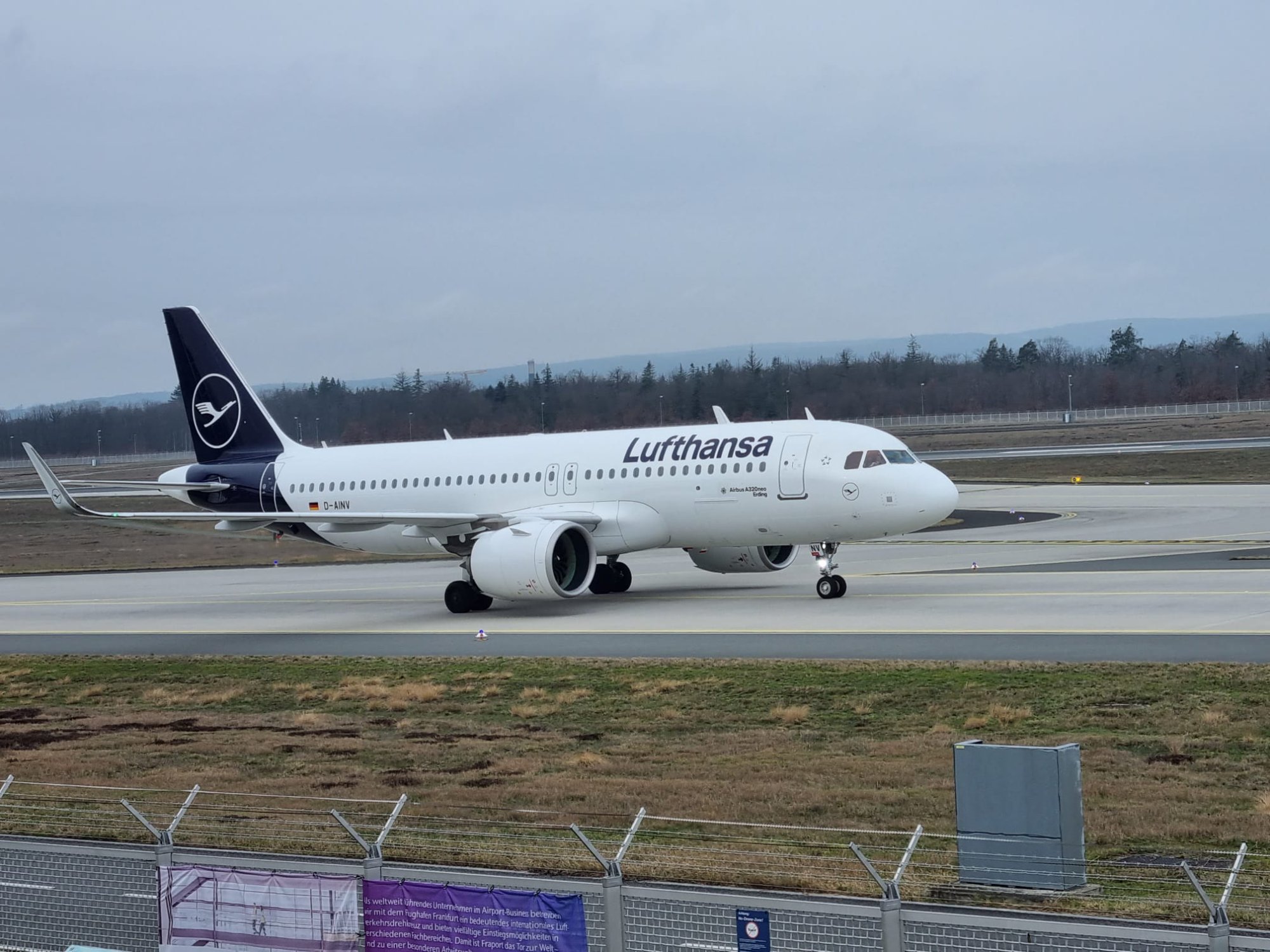
The Lufthansa Airbus A320neo represents a cornerstone of modern European single-aisle commercial aviation, combining exceptional fuel efficiency, significant noise reduction, advanced cabin configurations, and a vital role in the airline's long-term fleet modernization strategy.
Evaluating modern single-aisle commercial aircraft requires an understanding of how carriers modernize their fleets to meet stringent environmental standards and passenger expectations. As Europe’s largest airline group, Deutsche Lufthansa AG has integrated the Airbus A320neo family—consisting of the A320neo and its larger sibling, the A321neo—into its short- and medium-haul network. This aircraft family serves as the backbone of continental operations connecting major European hubs like Frankfurt and Munich to destinations across Europe, North Africa, and the Middle East. Understanding the core technical, operational, and passenger-facing attributes of this aircraft provides valuable insight into contemporary commercial airline economics and travel experiences.
1. Advanced Engine Technology and Fuel Efficiency
The primary differentiator of the A320neo—where "neo" stands for New Engine Option—lies in its powerplants. Lufthansa equips its A320neo aircraft predominantly with Pratt & Whitney PW1100G-JM geared turbofan engines, or alternatively CFM International LEAP-1A engines, depending on specific delivery batches and strategic framework agreements.
The inclusion of a reduction gearbox in the geared turbofan architecture allows the engine fan to rotate at a slower speed than the low-pressure turbine and compressor. This mechanical separation optimizes the operational efficiency of both components, yielding dramatic performance improvements over the older International Aero Engines V2500 and CFM56 engines found on legacy A320ceo (Current Engine Option) models.
Operational and Environmental Impact
- Fuel Burn Reduction: The advanced aerodynamics combined with new-generation engines achieve up to a 15% reduction in fuel consumption per seat compared to previous-generation aircraft, scaling toward 20% improvements over extended operational lifecycles.
- Carbon Emissions: Reduced fuel burn directly translates to lower carbon dioxide ($CO_2$) emissions, supporting Lufthansa Group's corporate commitment to achieving net-neutral carbon operations by 2050, with interim reduction milestones aligned with Science Based Targets initiative (SBTi) guidelines.
- Range and Payload Flexibility: The lower fuel burn extends the operational range of the single-aisle aircraft, allowing Lufthansa to deploy the A320neo on longer thin routes without requiring widebody aircraft deployment.
2. Significant Noise Footprint Reduction
Airport neighbors and municipal authorities enforce increasingly strict noise abatement procedures, making acoustic performance a critical metric for modern fleet planning. The A320neo family delivers a drastically smaller noise footprint compared to its predecessors.
The architectural design of the high-bypass turbofan engines, combined with advanced wingtip devices known as Sharklets, alters the acoustic signature of the aircraft during takeoff, climb, and landing phases. The noise contour—the geographical area affected by aircraft noise exceeding specific decibel thresholds—is reduced by approximately 50% relative to legacy A320 models.
Benefits for Hub Operations and Communities
- Curfew Compliance: At noise-sensitive European hubs like Frankfurt Airport (FRA), where strict night-flight restrictions and curfews apply, quieter aircraft help maintain schedule integrity during shoulder hours.
- Landing Fee Incentives: Many major European airports structure landing fees based on noise classification chapters. Quieter aircraft qualify for reduced environmental tariffs, lowering direct operating costs for the airline.
- Cabin Acoustic Comfort: Passengers benefit from the reduced acoustic energy transmitted into the fuselage, resulting in a quieter cabin environment that enhances perceived travel comfort on multi-hour European sectors.
3. Cabin Innovation and the Lufthansa Airspace Interior
Lufthansa was a launch customer for the Airbus "Airspace" cabin concept adapted for the A320 family, introducing a redesigned interior aesthetic aimed at maximizing passenger space and improving baggage handling logistics.
The cabin layout incorporates several subtle yet impactful architectural modifications. Sidewall panels are redesigned to create a wider feel at shoulder level, while larger overhead storage bins accommodate significantly more carry-on bags in a vertical wheel-first orientation, mitigating the need to gate-check standard rolling suitcases.
| Cabin Feature | Legacy A320ceo | Lufthansa A320neo (Airspace) |
|---|---|---|
| Overhead Bin Capacity | Standard bins (horizontal bag storage) | Airspace XL bins (vertical bag storage, +60% capacity) |
| Lighting System | Standard fluorescent or basic LED | Full-spectrum custom LED mood lighting (Human Centric Lighting) |
| Lavatory Design | Standard compact layout | Optimized accessibility lavatories with touchless features |
| Connectivity Integration | Limited or retrofitted inflight Wi-Fi | Integrated high-speed broadband capability (FlyNet) |
Passenger-Facing Enhancements
- Illumination Dynamics: Programmable LED lighting systems simulate natural circadian rhythms, adjusting color temperatures and light intensity to reduce jet lag on early morning or late evening rotations.
- Inflight Connectivity: Through the integration of EAN (European Aviation Network) and satellite-based infrastructure, Lufthansa provides passenger connectivity options for messaging, streaming, and web browsing.
- Seating Ergonomics: The airline utilizes slimline seat models designed to optimize pitch and personal knee room, maximizing seating density without sacrificing individual comfort.
4. Fleet Integration and Operational Commonality
For a major network carrier like Lufthansa, managing a complex fleet of hundreds of aircraft requires strict operational standardization. The A320neo integrates smoothly into the existing Lufthansa short-haul ecosystem due to high cross-crew qualification (CCQ) standards with the legacy A320ceo family.
Pilots qualified to fly older Airbus A320 variants transition to the A320neo through a standardized differences training course rather than an entirely new type rating. This operational flexibility allows Lufthansa to roster flight deck crews across mixed fleets, reducing training overhead and scheduling friction.
Maintenance and Technical Support Efficiencies
- Spare Parts Commonality: A significant percentage of airframe, avionics, and landing gear components remain interchangeable between A320ceo and A320neo variants, streamlining inventory management for Lufthansa Technik, the airline's maintenance, repair, and overhaul (MRO) subsidiary.
- Digital Diagnostics: Modern diagnostic telemetry transmits real-time engine and system health data to ground engineering teams, enabling predictive maintenance scheduling and minimizing unscheduled technical delays.
- Turnaround Times: The aircraft design supports efficient ground handling processes, allowing for rapid boarding, baggage offloading, and cabin cleaning required for tight multi-leg European schedules.
5. Strategic Role in Lufthansa’s Fleet Modernization Roadmap
The acquisition and deployment of the A320neo family form the cornerstone of Lufthansa's multi-billion-euro narrowbody fleet renewal program. As older Boeing 737 classics and early-generation Airbus aircraft are retired, the A320neo and larger A321neo variants form the uniform backbone of continental point-to-point and hub-feeder routes.
This modernization strategy addresses economic volatility, particularly fluctuations in jet fuel prices, by locking in lower operational expenditure per seat-kilometer (COASK). Furthermore, regulatory pressures from the European Union, including the gradual phase-out of free carbon allowances under the EU Emissions Trading System (EU ETS) and the implementation of ReFuelEU Aviation mandates, make fuel-efficient aircraft essential for economic viability.
Future-Proofing European Operations
- Sustainable Aviation Fuel (SAF) Compatibility: All Lufthansa A320neo engines are certified to operate on commercial blends containing up to 50% Sustainable Aviation Fuel, with ongoing industry testing targeting 100% SAF capability.
- Network Flexibility: The uniform cockpit rating across the A320ceo, A320neo, and A321neo enables dynamic capacity management, allowing Lufthansa to match aircraft size precisely to passenger demand fluctuations across its European network.
- Passenger Consistency: Standardized cabin products across the narrowbody fleet ensure a uniform brand experience for frequent flyers connecting between regional European flights and long-haul intercontinental services.
Frequently Asked Questions
What engines power the Lufthansa Airbus A320neo?
Lufthansa equips its A320neo aircraft primarily with Pratt & Whitney PW1100G-JM geared turbofan engines, while select aircraft within the broader Lufthansa Group fleet utilize CFM International LEAP-1A engines. Both options deliver double-digit improvements in fuel efficiency compared to legacy engines.
How much fuel does the A320neo save compared to older models?
The A320neo achieves approximately a 15% reduction in fuel consumption per seat upon entry into service, which can scale up to 20% over extended operational lifecycles when combined with operational efficiencies and continuous flight profile optimization.
Are Lufthansa A320neo cabins equipped with Wi-Fi?
Yes, Lufthansa equips its A320neo fleet with inflight internet connectivity. Passengers can connect to FlyNet using personal devices for messaging, web browsing, and streaming services, supported by satellite and air-to-ground network architecture.
What is the passenger capacity of Lufthansa's A320neo?
Lufthansa configures its A320neo aircraft in a flexible single-aisle layout typically seating between 165 and 180 passengers in a multi-class configuration featuring Business Class and Economy Class, depending on specific interior retrofits and operational requirements.
Can the A320neo use Sustainable Aviation Fuel (SAF)?
Yes, all aircraft in the Airbus A320neo family are certified to fly on fuel blends containing up to 50% Sustainable Aviation Fuel. Lufthansa actively incorporates SAF into its operations at major hubs as part of its long-term decarbonization strategy.
Conclusion and Next Actions
For travelers planning short-haul journeys within Europe, flying on a Lufthansa Airbus A320neo guarantees access to modern cabin amenities, reduced environmental impact, and dependable schedule reliability. When booking flights through Lufthansa's digital channels, passengers can review the specific aircraft type designated for their route under flight details. To maximize travel comfort, select seats forward of the wing to minimize engine noise, utilize the FlyNet portal for connectivity, and pack rolling carry-on luggage compliant with vertical overhead bin storage dimensions.