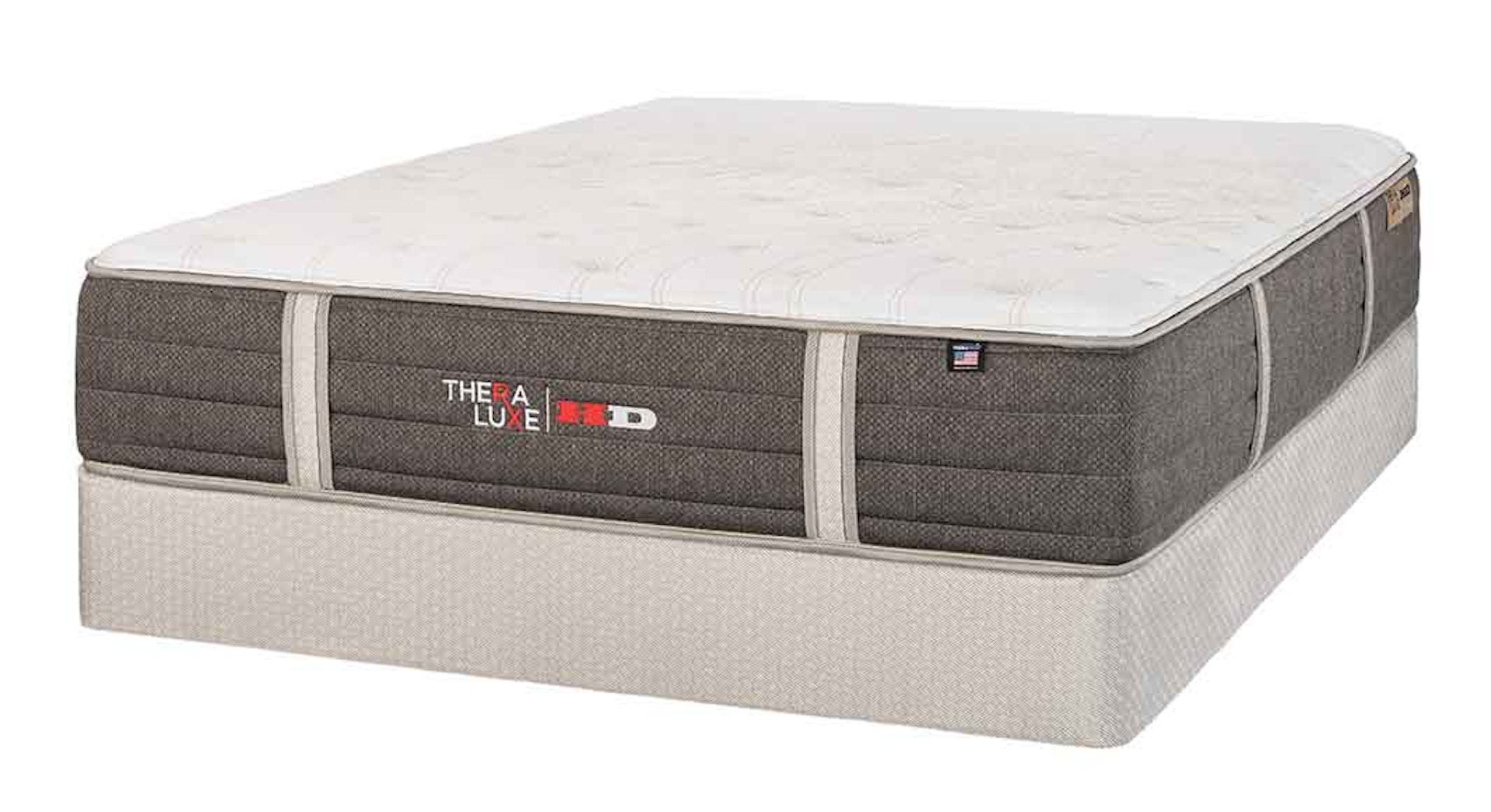
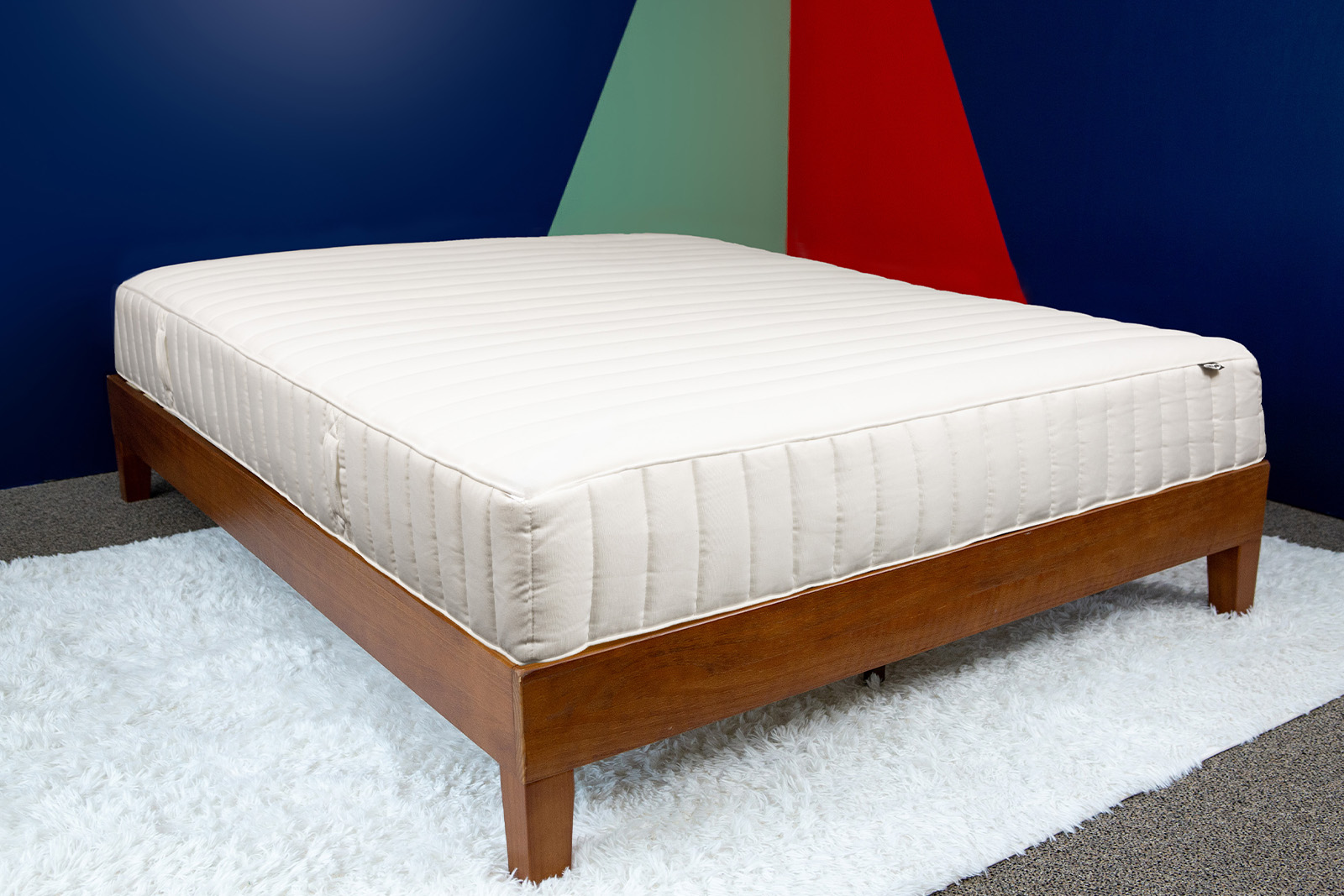
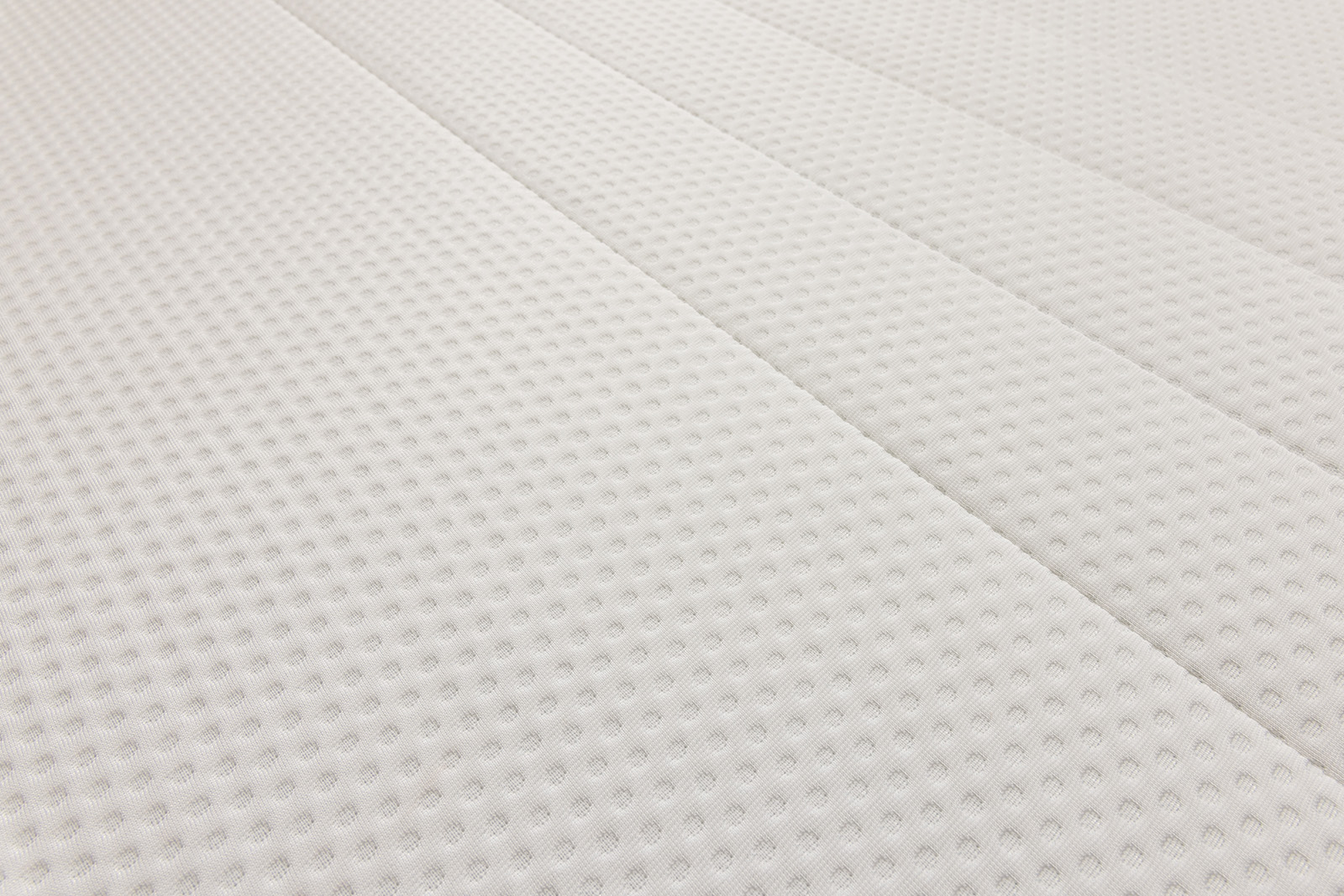
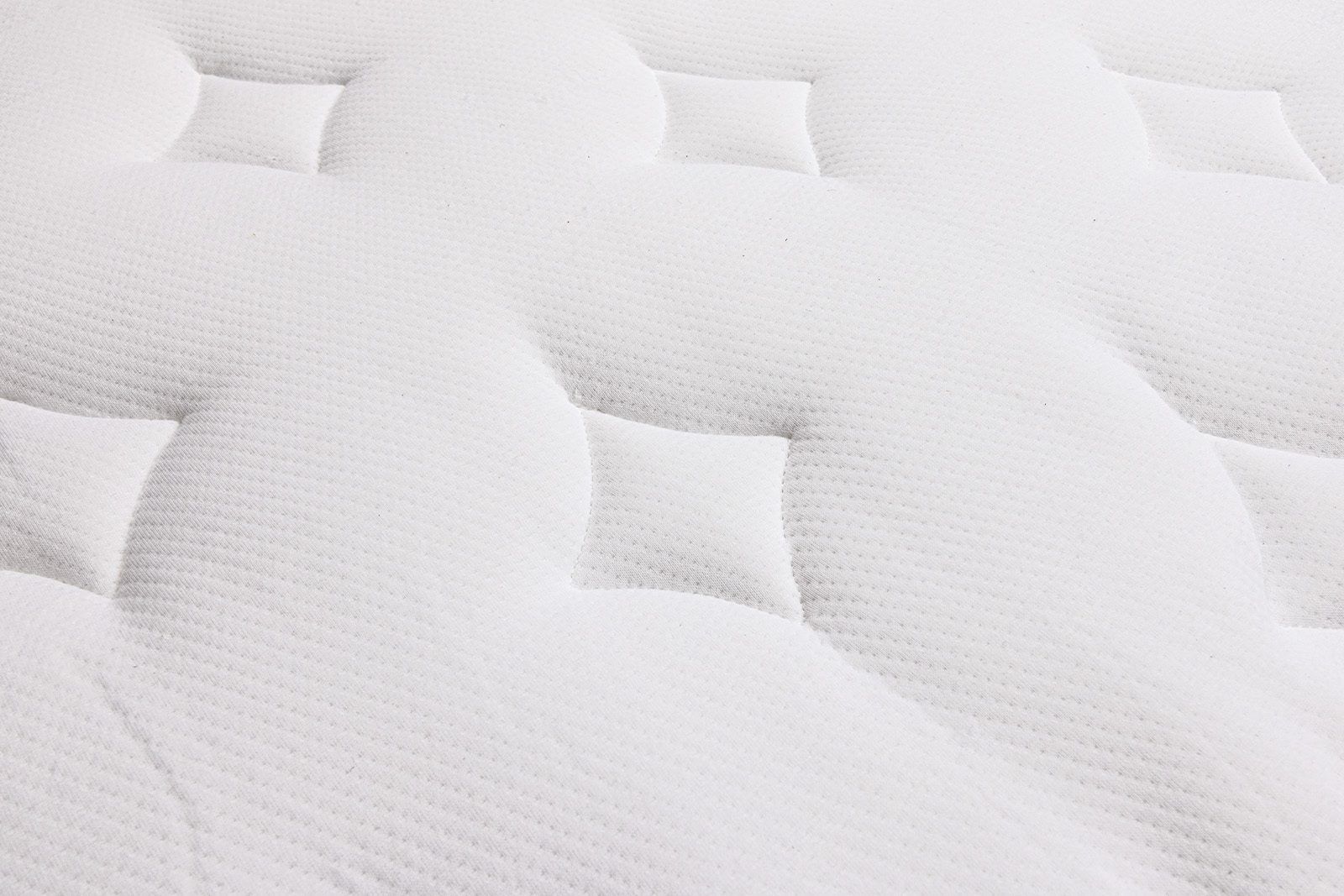
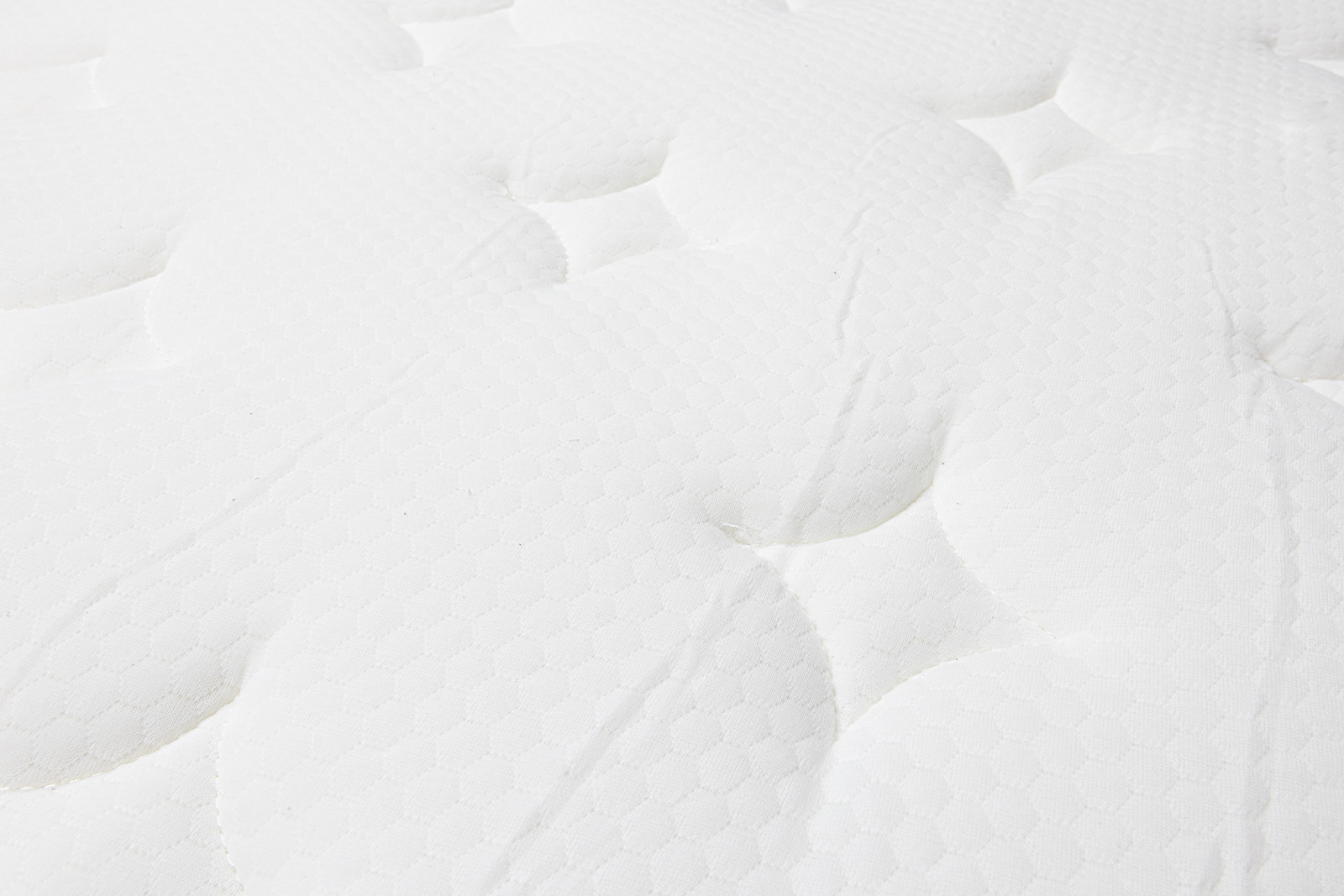
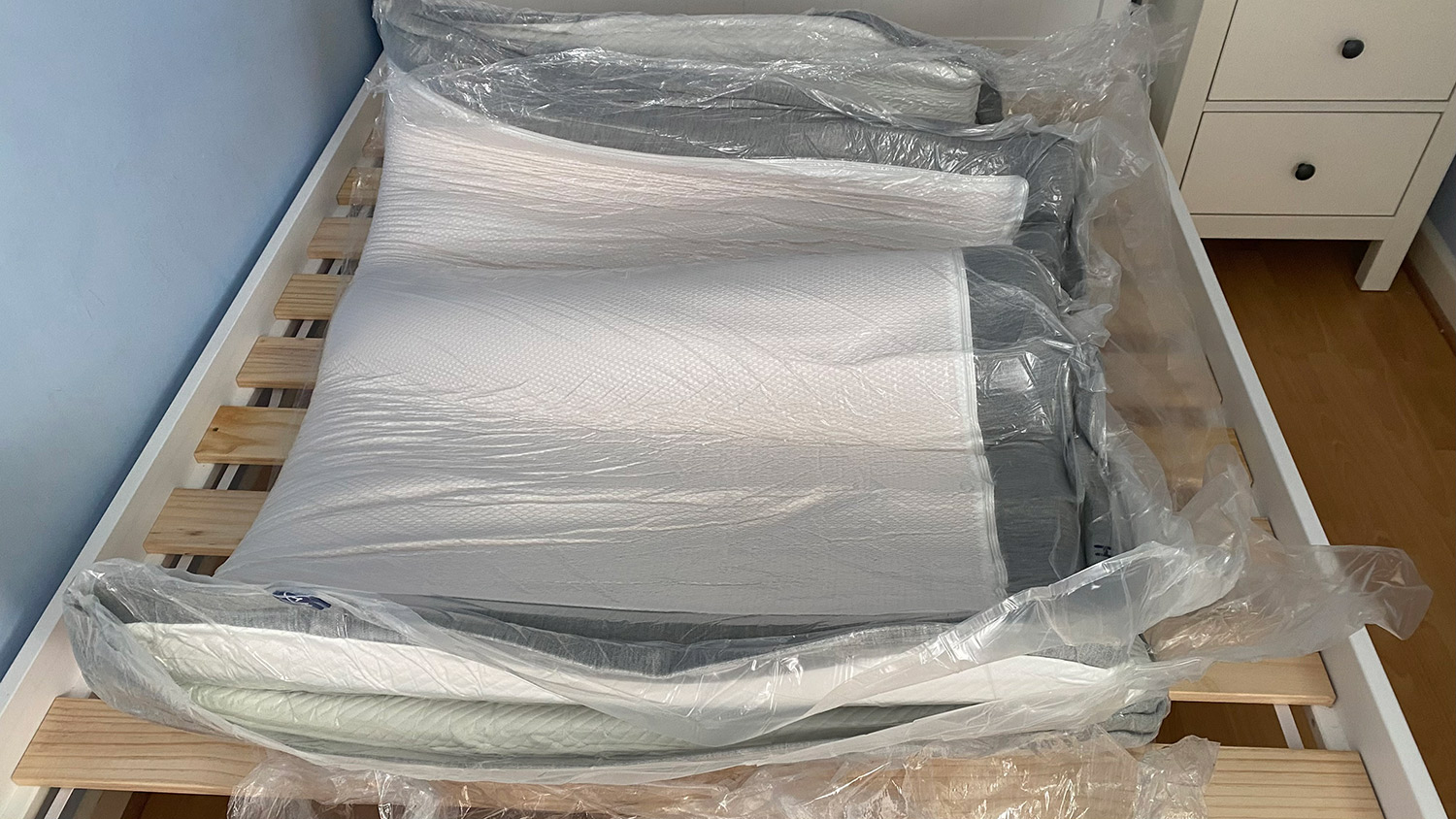
The 4Sleep mattress is a high-performance, 11-inch all-foam bed engineered to provide a "universal" medium-firm feel. It utilizes a sophisticated four-layer construction, featuring gel-infused memory foam and a specialized "oxygenated" responsive layer to mitigate heat retention and provide superior motion isolation. It is particularly well-suited for sleepers who desire the pressure relief of memory foam without the traditional "sinking" sensation.
The Evolution of 4Sleep: A Technical Overview
In the competitive landscape of the 2026 mattress market, the 4Sleep mattress remains a notable example of how material engineering can solve common sleep disruptions. Developed by industry veterans, the brand aimed to address the primary complaints associated with memory foam: excessive heat, a lack of edge support, and the feeling of being "stuck" in the bed.
The 4Sleep mattress is categorized as an "all-foam" mattress, but it differentiates itself through the density and composition of its internal layers. Unlike budget foam beds that rely on low-density polyfoam, 4Sleep incorporates high-quality materials designed for longevity and specific ergonomic support. By 2026, many sleepers have moved toward hybrids, yet the 4Sleep remains a strong contender for those who prioritize the silent, vibration-damping properties of a pure foam construction.
The Core Construction: Breaking Down the Four Layers
To understand how the 4Sleep mattress performs, one must look at the specific architecture of its 11-inch profile. The bed is composed of four distinct layers, each serving a unique functional purpose in the sleep ecosystem.
1. The Top Comfort Layer: 1.5 Inches of Oxygenated Responsive Foam
The primary contact layer consists of 1.5 inches of what the manufacturer calls "oxygenated" responsive foam. This is an open-cell specialty foam designed to mimic the properties of latex while maintaining the contouring benefits of foam.
Technically, the "oxygenated" aspect refers to the aeration process during manufacturing, which creates a highly breathable structure. This layer is gel-infused, which helps to pull heat away from the body upon initial contact. Unlike traditional memory foam, this layer has a fast response time; it snaps back to its original shape quickly, allowing the sleeper to move and change positions without feeling hindered by a deep body impression.
2. The Memory Foam Layer: 1.5 Inches of Cooling Gel Foam
Beneath the responsive top layer sits 1.5 inches of high-density gel memory foam. This layer provides the deep pressure relief that memory foam is famous for. By placing it beneath the more responsive top layer, 4Sleep ensures that the sleeper receives the benefits of spinal alignment and joint cushioning without feeling the "quicksand" effect.
The gel beads embedded within this layer act as thermal conductors. In a foam environment, heat tends to become trapped within the cell structure. The gel serves as a heat sink, distributing thermal energy across the mattress surface and eventually out through the breathable cover.
3. The Transition Layer: 1 Inch of Support Foam
The third layer is a 1-inch transition zone. This is a firmer polyfoam that prevents the sleeper from "bottoming out" against the hard base. For sleepers who weigh more than 200 pounds, transition layers are critical. Without this 1-inch buffer, the transition from the soft comfort layers to the rigid base would be jarring, leading to pressure points in the hips and shoulders.
4. The Base Layer: 7 Inches of High-Density Support Foam
The foundation of the mattress is a 7-inch core of high-density polyfoam. This layer provides the structural integrity of the bed. In 2026, high-density base foams are the industry standard for preventing mattress sagging. The 4Sleep base is particularly robust, supporting the layers above and ensuring that the mattress maintains its shape over years of use.
Firmness, Feel, and Sleeper Compatibility
Firmness is subjective, but on a scale of 1 to 10 (where 1 is like a cloud and 10 is a hardwood floor), the 4Sleep mattress consistently lands at a 6.5 out of 10. This is widely considered the "sweet spot" for many sleepers, as it provides enough softness for comfort but enough rigidity for support.
Performance for Side Sleepers
Side sleepers require significant pressure relief at the shoulders and hips to maintain a neutral spine. The 3 inches of combined comfort foam in the 4Sleep mattress allow these heavy points to sink in just enough. However, very lightweight side sleepers (under 130 lbs) might find the 6.5 firmness a bit too rigid, as they may not exert enough force to fully engage the memory foam layer.
Performance for Back Sleepers
This mattress excels for back sleepers. The medium-firm feel supports the lumbar region effectively, preventing the lower back from arching or dipping. The responsive top layer ensures that the natural "S-curve" of the spine is maintained throughout the night.
Performance for Stomach Sleepers
Stomach sleepers generally need a firmer surface to prevent their hips from sinking, which can lead to lower back pain. While the 4Sleep is medium-firm, some heavier stomach sleepers (over 230 lbs) might find that they need a firmer hybrid or a dedicated firm foam mattress to keep their midsection properly aligned.
Technical Performance Metrics
To provide a detailed review, we must analyze the mattress's performance in specific categories that impact daily (and nightly) use.
Heat Dissipation and Thermoregulation
One of the greatest challenges for all-foam mattresses is heat management. The 4Sleep addresses this through its open-cell top layer and gel infusions. According to thermal testing, the mattress maintains a more neutral temperature than standard polyfoam beds. However, it should be noted that no all-foam mattress can match the airflow of an innerspring or hybrid model. If you are an exceptionally "hot sleeper," the 4Sleep performs well for its category but still lacks the convective cooling of a coil-based system.
Motion Isolation
This is where the 4Sleep mattress truly shines. Because there are no springs to transfer energy, motion is absorbed almost entirely within the foam layers. If a partner moves or gets out of bed, the vibrations are dampened before they reach the other side. This makes it an excellent choice for light sleepers who share a bed.
Edge Support
Historically, foam mattresses have had weak edges, causing sleepers to feel like they might roll off if they get too close to the side. 4Sleep incorporated reinforced foam around the perimeter to mitigate this. While it does not have the "steel-edge" feel of a hybrid, the edge support is superior to many of its direct foam competitors, allowing for a larger usable sleep surface.
Technical Specifications Table
The following table outlines the physical and logistical specifications of the 4Sleep mattress as available in 2026.
| Feature | Specification |
|---|---|
| Mattress Type | All-Foam (Multi-layer Memory Foam) |
| Total Height | 11 Inches |
| Firmness Level | Medium-Firm (Approx. 6.5/10) |
| Weight (Queen) | Approx. 75 lbs |
| Cover Material | Breathable High-Performance Fabric |
| Manufacturing Origin | USA |
| Certifications | CertiPUR-US® Certified Foams |
| Trial Period | 100 Nights (Standard) |
| Warranty | 10-Year Limited |
Pros and Cons: A Balanced Evaluation
Every mattress involves trade-offs. To make an informed decision, one must weigh the material benefits against the inherent limitations of the design.
Advantages
- Pressure Relief: The dual comfort layers are excellent at cradling joints and reducing tossing and turning.
- Low Noise: Being an all-foam construction, the mattress is completely silent, which is beneficial for restless sleepers.
- Responsiveness: Unlike traditional memory foam, which can feel like "slow-moving mud," the 4Sleep reacts quickly to movement.
- Shipping and Setup: The mattress arrives compressed in a box, making it easy to maneuver through tight hallways and staircases.
Limitations
- Weight Limits: Like most all-foam beds, the 4Sleep may not provide sufficient support for individuals weighing over 300 lbs for extended periods.
- Off-Gassing: Upon unboxing, there is a characteristic "new foam" smell. While the foams are CertiPUR-US certified, it may take 24 to 48 hours for the scent to dissipate in a well-ventilated room.
- Lack of "Bounce": While responsive, it does not have the springy feel of a traditional coil mattress, which some users prefer for ease of movement or intimacy.
Comparison with Industry Standards
When compared to other prominent foam mattresses like the Nectar or Casper Original, the 4Sleep sits in a unique position. It is generally thicker than entry-level foam beds (which often stop at 10 inches) and offers a more complex cooling strategy.
The 11-inch profile provides a slightly more premium feel than a standard 10-inch bed, offering better deep-compression support. In terms of price-to-performance, 4Sleep is often positioned as a mid-tier option—more expensive than "budget" foams but more affordable than "luxury" cooling foams or specialized medical-grade mattresses.
Longevity and Durability Analysis
In 2026, mattress durability is measured by the density of the foams used. The 4Sleep uses high-density polyfoam for its base and transition layers, which suggests a lifespan of roughly 7 to 10 years before significant softening or dipping occurs.
To maximize the life of a 4Sleep mattress, it is recommended to:
- Use a Solid Foundation: Avoid old-fashioned box springs with widely spaced slats. A solid platform or a slatted base with gaps no wider than 3 inches is ideal.
- Rotate Regularly: Rotate the mattress 180 degrees every 3 to 6 months to ensure even wear, particularly if there is a significant weight difference between partners.
- Use a Protector: A waterproof, breathable mattress protector will prevent oils and moisture from breaking down the foam structure prematurely.
Frequently Asked Questions
Does the 4Sleep mattress require a specific base?
The 4Sleep mattress is designed to work on any firm, flat surface. This includes platform beds, adjustable bases, and even the floor. However, using a traditional wire box spring is not recommended as it may not provide the uniform support needed for a foam mattress, potentially leading to sagging.
How long does it take for the mattress to expand?
While the mattress will look mostly full within an hour of unboxing, it typically takes 24 to 72 hours for the foam cells to fully expand and reach their intended firmness. It is perfectly safe to sleep on the mattress the first night, but the "feel" may change slightly over the first few days.
Is the 4Sleep mattress good for back pain?
For many users, yes. Back pain is often caused by a lack of support in the lumbar region or excessive pressure on the hips. The 4Sleep's medium-firm profile and transition layer are specifically designed to keep the spine in a neutral position, which can alleviate common types of lower back pain. However, those with chronic medical conditions should consult a specialist.
Is the cover machine washable?
While some 4Sleep models feature a zipper, it is generally recommended to spot-clean the cover with a mild detergent. Removing the cover can sometimes damage the delicate foam layers underneath or make it difficult to put back on. Using a separate mattress protector is the best way to maintain hygiene.
How does the 4Sleep handle edge support?
Unlike many all-foam mattresses that collapse at the edges, 4Sleep utilizes a firmer foam around the perimeter. This provides a more stable seating edge for putting on shoes and prevents the "rolling off" sensation when sleeping near the edge of the bed.
Final Recommendation
The 4Sleep mattress is a highly capable all-foam option for those who value motion isolation and a balanced, medium-firm feel. Its four-layer construction is a thoughtful response to the technical flaws of early-generation memory foam.
Recommended for: Back sleepers, couples who are easily disturbed by movement, and individuals who want the pressure-relieving benefits of memory foam without the heat or the "stuck" feeling.
Not Recommended for: Extremely heavy stomach sleepers who require more midsection support, or those who specifically prefer the bouncy, traditional feel of an innerspring mattress.
If you are transitioning from a traditional spring bed, the 4Sleep offers a familiar level of support with a significantly higher degree of contouring and silence. Given its performance metrics in 2026, it remains a robust choice for a primary bedroom or a high-quality guest suite.