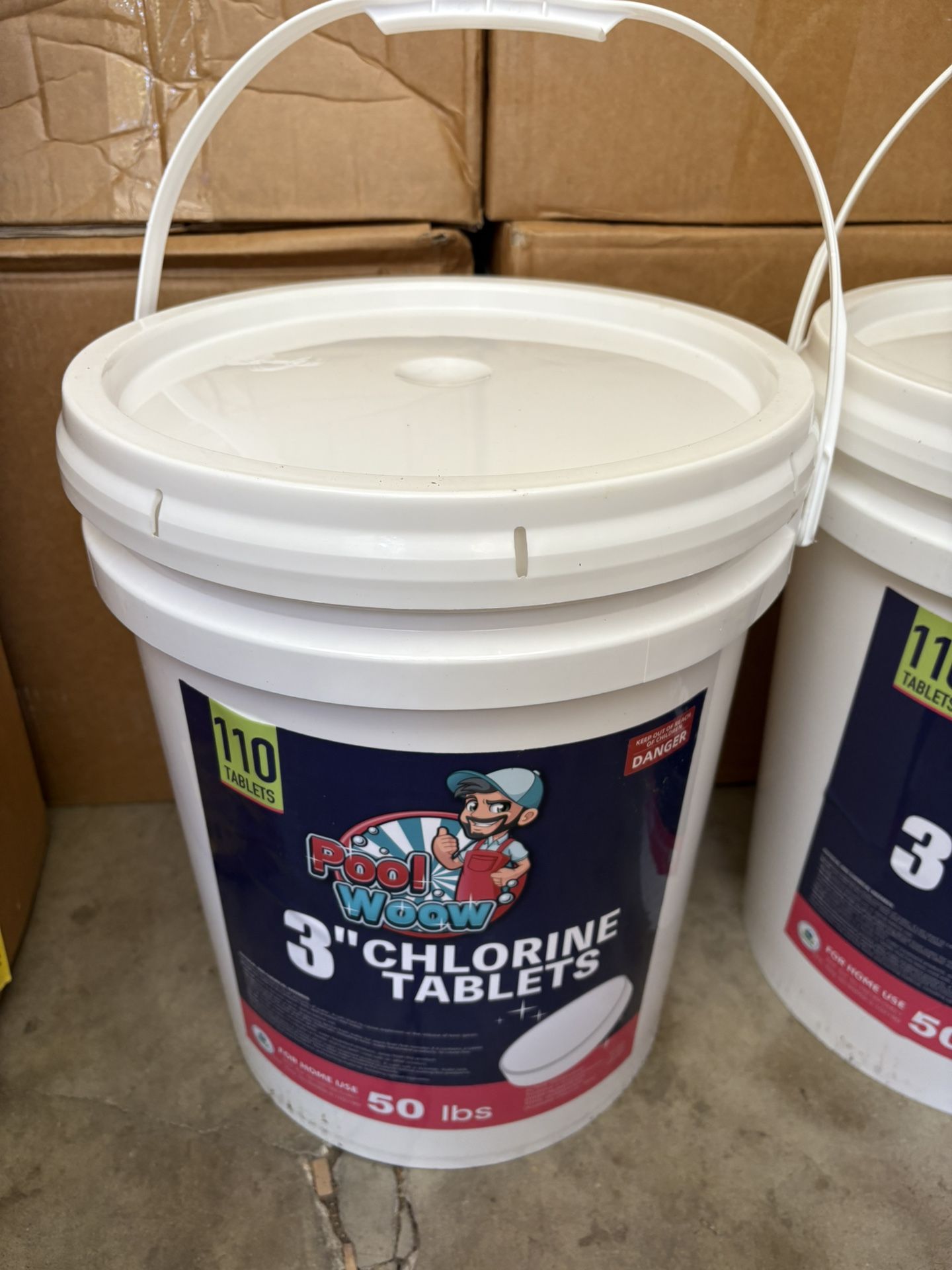
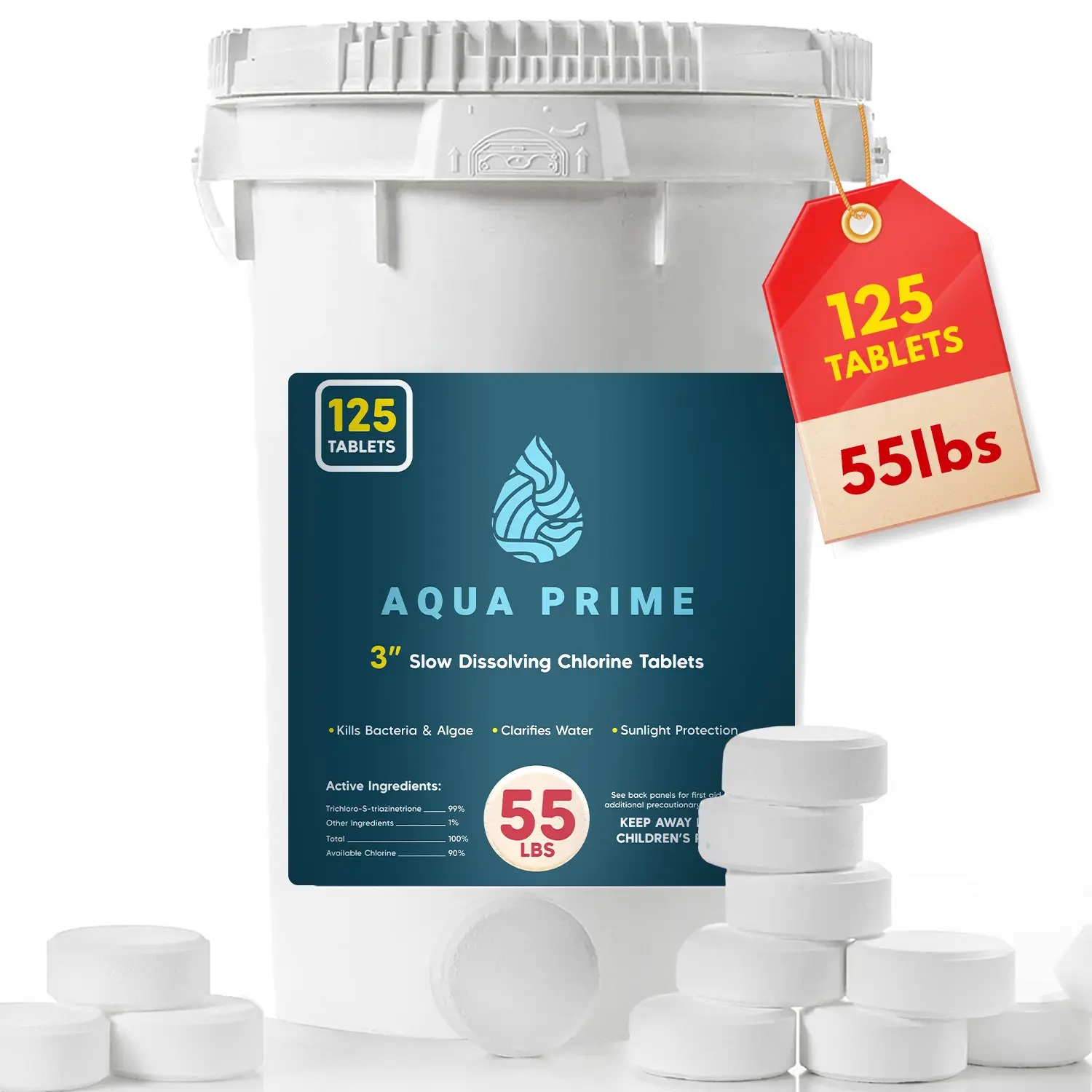
Purchasing 3-inch chlorine tablets in bulk through a 50 lb bucket at Costco offers pool owners a cost-effective way to maintain consistent sanitizer levels throughout the swim season, though actual in-store and online pricing varies by region, warehouse location, and seasonal demand.
Maintaining a backyard swimming pool requires a steady investment in water chemistry balancing agents, with sanitizers forming the core of any daily maintenance routine. For owners of medium to large chlorine pools, buying sanitizing chemicals in small increments quickly becomes financially inefficient and operationally frustrating. Purchasing a 50 lb container of 3-inch chlorine tablets provides an extended supply that reduces shopping trips and lowers the per-pound cost of pool care. Warehouse clubs like Costco Wholesale have long served as primary sourcing hubs for bulk pool supplies, offering name-brand and private-label chemical formulations designed for automatic chlorinators, floating dispensers, and skimmer baskets. Examining the pricing structure, chemical specifications, membership requirements, and storage mandates for these large-format chemical pails helps residential pool operators determine whether buying through Costco aligns with their maintenance budget and operational needs.
Understanding 3-Inch Chlorine Tablets and Bulk Sourcing
Chlorine tablets come in two primary chemical formulations: trichloroisocyanuric acid (trichlor) and calcium hypochlorite (cal-hypo). The standard 3-inch tablets typically utilized in residential floating dispensers and automatic inline or offline feeders are slow-dissolving trichlor tablets. Trichlor is prized for its high active chlorine concentration, usually ranging between 89% and 90% available chlorine, which ensures potent sanitizing power against bacteria, algae, and organic contaminants. Furthermore, stabilized trichlor tablets contain cyanuric acid (CYA)—frequently referred to as pool stabilizer or conditioner—which acts as a chemical shield, preventing ultraviolet rays from the sun from rapidly degrading free chlorine residuals.
However, the inclusion of cyanuric acid means that continuous use of trichlor tablets steadily increases the CYA concentration in the pool water over time. Pool operators must monitor stabilizer levels closely, as excessive CYA can lead to chlorine lock, reducing the sanitizing efficacy of the free chlorine. Buying these tablets in a 50 lb bucket means the user is committing to a substantial quantity of stabilized chlorine, making water testing an essential companion practice to bulk chemical purchases.
Costco typically stocks 50 lb pails of 3-inch tablets during the peak spring and summer pool opening seasons, with availability tapering off or shifting online during autumn and winter months. The warehouse model relies on high-volume inventory turnover, allowing members to access competitive pricing relative to specialty pool supply retail chains or local hardware stores. Nevertheless, shopping at Costco requires evaluating not just the sticker price on the pallet, but also membership dues, delivery fees for online orders, and local chemical safety regulations regarding transport.
Costco Pricing Mechanics and Regional Variance
The pricing for a 50 lb bucket of 3-inch chlorine tablets at Costco is subject to several dynamic economic factors rather than a single nationwide flat rate. Warehouse pricing strategies account for regional supply chain logistics, local chemical distribution costs, state-level environmental regulations, and seasonal demand curves. Consequently, a member in the Sunbelt region with a year-round swimming season may experience different inventory availability and pricing structures compared to a member in a northern climate with a strict three-month operating window.
When evaluating Costco pricing, shoppers must differentiate between warehouse store pricing and Costco.com pricing. In-warehouse purchases generally reflect the lowest baseline cost because they eliminate the freight charges associated with heavy, hazardous-material shipping. Conversely, ordering heavy goods like a 50 lb chemical bucket online through Costco.com frequently incorporates shipping and handling fees directly into the final price or tacks them on at checkout, even for items labeled as "shipping included." Members must log into their verified accounts with their specific zip code selected to view accurate localized pricing before planning a physical warehouse trip.
| Sourcing Channel | Estimated Price Range | Shipping / Fulfillment | Membership Requirement |
|---|---|---|---|
| In-Warehouse Club | Lower baseline tier | Self-transport (Pickup) | Active Costco Membership |
| Costco.com Delivery | Higher due to freight | Included or added at checkout | Active Costco Membership |
| Specialty Pool Dealer | Highest retail tier | Variable delivery fees | None required |
| Big Box Retailer | Moderate to high tier | Store pickup or delivery | None required |
The table above highlights how fulfillment channels shift the total economic value of purchasing bulk pool chemicals. While club-level pricing undercuts specialty pool dealers significantly, consumers must factor in the physical labor and vehicle suitability required to transport a 50 lb hazardous material container safely.
Chemical Specifications and Quality Considerations
Not all 3-inch chlorine tablets are manufactured to identical quality standards, which directly impacts their performance inside a pool chlorinator. High-grade trichlor tablets are compressed under extreme pressure to ensure a slow, uniform dissolution rate. Inferior or poorly compressed tablets may crumble easily in the bucket, break apart inside automatic feeders, or dissolve too rapidly, leading to erratic chlorine spikes and premature depletion of the product.
When reviewing the label on a Costco 50 lb bucket, buyers should inspect the active ingredient percentage. Premium products typically boast approximately 99% trichloroisocyanuric acid, yielding around 89% available chlorine. Inactive ingredients make up the remainder, consisting primarily of binders and anti-caking agents designed to keep the tablet structurally sound during storage and handling.
| Tablet Feature | Standard Specification | Operational Impact |
|---|---|---|
| Diameter | 3 inches | Fits standard floating and inline feeders |
| Active Ingredient | Trichloroisocyanuric Acid (~99%) | High sanitizing potency |
| Available Chlorine | ~89% | Efficient bacteria and algae control |
| Stabilizer Content | Includes Cyanuric Acid | Protects chlorine from sunlight degradation |
| Container Weight | 50 lbs net weight | Long-term supply for medium/large pools |
Understanding these specifications ensures that bulk purchasing does not compromise water quality. Purchasing a lower-priced generic tablet that dissolves twice as quickly provides a false economy, as the pool owner will burn through the 50 lb supply in significantly less time than anticipated.
Safe Handling, Transportation, and Storage Guidelines
Chlorine tablets are classified as powerful oxidizers and hazardous materials, demanding strict adherence to safety protocols during transport, handling, and storage. A 50 lb bucket represents a substantial concentration of reactive chemicals that can cause severe eye and skin irritation, respiratory distress, or fire hazards if mixed improperly with other substances.
Transporting Bulk Chemicals
When picking up a 50 lb pail from a Costco warehouse, members must secure the container properly within their vehicle. The bucket should be placed on a flat, stable surface in the trunk or truck bed, away from direct sunlight and passenger seating areas, ensuring it cannot slide around or tip over during transit. Never transport pool chemicals in the passenger cabin of a vehicle with windows closed, as fumes can accumulate and create a respiratory hazard.
Long-Term Storage Requirements
Proper storage preserves the chemical integrity of the tablets and prevents catastrophic accidents:
- Climate Control: Store the bucket in a cool, dry, well-ventilated area away from direct sunlight and extreme heat, which can accelerate chemical degradation.
- Moisture Prevention: Keep the lid tightly sealed at all times. Ambient humidity entering the bucket can react with the tablets, releasing toxic chlorine gas and causing the contents to clump or degrade prematurely.
- Chemical Isolation: Never store chlorine tablets near petroleum products, lawn fertilizers, paints, solvents, or other pool chemicals like muriatic acid or shock. Cross-contamination between trichlor and other pool chemicals can trigger violent chemical reactions, fires, or explosions.
- Child and Pet Safety: Keep the 50 lb container elevated or locked in a dedicated chemical storage shed, entirely out of reach of children and domestic pets.
Cost-Per-Pound Analysis and Financial Value
Evaluating the true value of a 50 lb Costco bucket requires calculating the cost per pound of available chlorine rather than looking solely at the bottom-line sticker price. While spending over one hundred dollars on a single container of pool chemicals can induce sticker shock, breaking down the math reveals the long-term savings compared to buying smaller 5 lb or 10 lb tubs at local hardware stores.
Smaller retail containers often carry a heavy markup driven by packaging overhead and retail distribution layers. By contrast, warehouse clubs leverage bulk packaging efficiencies to lower the unit cost. To calculate the effective value, divide the total purchase price of the 50 lb bucket by 50 to find the cost per pound. Then, compare this figure against the cost per pound of smaller consumer packs.
Beyond direct unit savings, buying a 50 lb container minimizes shopping frequency during peak swimming months, preventing situations where a pool owner runs out of sanitizer mid-season and is forced to purchase overpriced emergency chemicals from a local convenience supplier. However, buyers should ensure their pool volume and seasonal usage justify a 50 lb supply. Pools under 10,000 gallons may take multiple seasons to consume 50 lbs of tablets, raising concerns about moisture degradation if the bucket is opened and stored across multiple years.
Common Mistakes When Buying and Using Bulk Chlorine
Navigating bulk pool chemical purchases involves several pitfalls that can compromise water balance, equipment longevity, and financial savings. Avoiding these common errors ensures a smooth pool maintenance season.
- Neglecting Cyanuric Acid Accumulation: Because Costco 3-inch tablets are stabilized with cyanuric acid, continuous reliance on them without partial water drain-and-refill cycles can cause CYA levels to climb past 100 ppm, leading to chlorine lock.
- Improper Feeder Loading: Tossing whole 3-inch tablets directly into the skimmer basket without an automatic feeder can cause high concentrations of acidic chlorine to sit stagnant against pool equipment when the pump shuts off, damaging pump seals, heater cores, and vinyl liners.
- Buying More Than Can Be Used: Purchasing a 50 lb bucket for a small above-ground pool often results in improper long-term storage, leading to moisture contamination and tablet degradation before the supply is finished.
- Mixing Chemical Brands or Types: Never mix trichlor tablets with cal-hypo or dichlor in an enclosed feeder or bucket. Combining different chlorine types can cause an exothermic reaction, smoke, or explosion.
Frequently Asked Questions
Can I return a partially used 50 lb bucket of chlorine tablets to Costco if I close my pool?
Costco maintains a liberal return policy on many items, but hazardous materials, chemicals, and opened consumable goods frequently fall under restricted return guidelines depending on local store management and state environmental regulations. Members should consult their local warehouse customer service desk regarding specific chemical return policies before purchase.
Are Costco 3-inch chlorine tablets compatible with all automatic chlorinators?
Standard 3-inch Costco trichlor tablets are engineered to fit virtually all residential automatic inline feeders, offline feeders, and standard floating pool dispensers. Always measure the feeder chute if using older or proprietary equipment, but standard sizing applies across major brands.
How long does a 50 lb bucket of chlorine tablets last for an average residential pool?
For a standard 15,000 to 20,000-gallon residential inground pool operating during a four-to-six-month swim season, a 50 lb bucket typically lasts one full season, assuming normal bather loads, balanced water chemistry, and supplemental shocking when necessary.
Do I need a membership to buy pool chemicals at Costco?
Yes, purchasing items in-warehouse or through Costco.com requires an active, paid Costco membership tier (Gold Star or Executive). Non-members cannot purchase goods at warehouse club pricing without a member present or through approved guest card policies.
How can I prevent 3-inch chlorine tablets from crumbling inside the bucket?
Crumbling is usually caused by exposure to moisture and rough transport handling. Keep the bucket tightly sealed with the original gasket in place, store it off concrete floors on a wooden pallet to avoid ground humidity, and secure it firmly during vehicle transport.
Conclusion and Next Action
Investing in a 50 lb bucket of 3-inch chlorine tablets from Costco provides a reliable, cost-effective sanitizing solution for medium to large residential swimming pools, balancing upfront bulk investment with long-term per-pound savings. Before making a purchase, verify your local warehouse inventory or online availability, ensure you have a secure, dry storage location prepared, and confirm that your pool's volume justifies a 50 lb chemical supply. Review your current water testing routine to monitor stabilizer levels and protect your pool equipment throughout the swimming season.