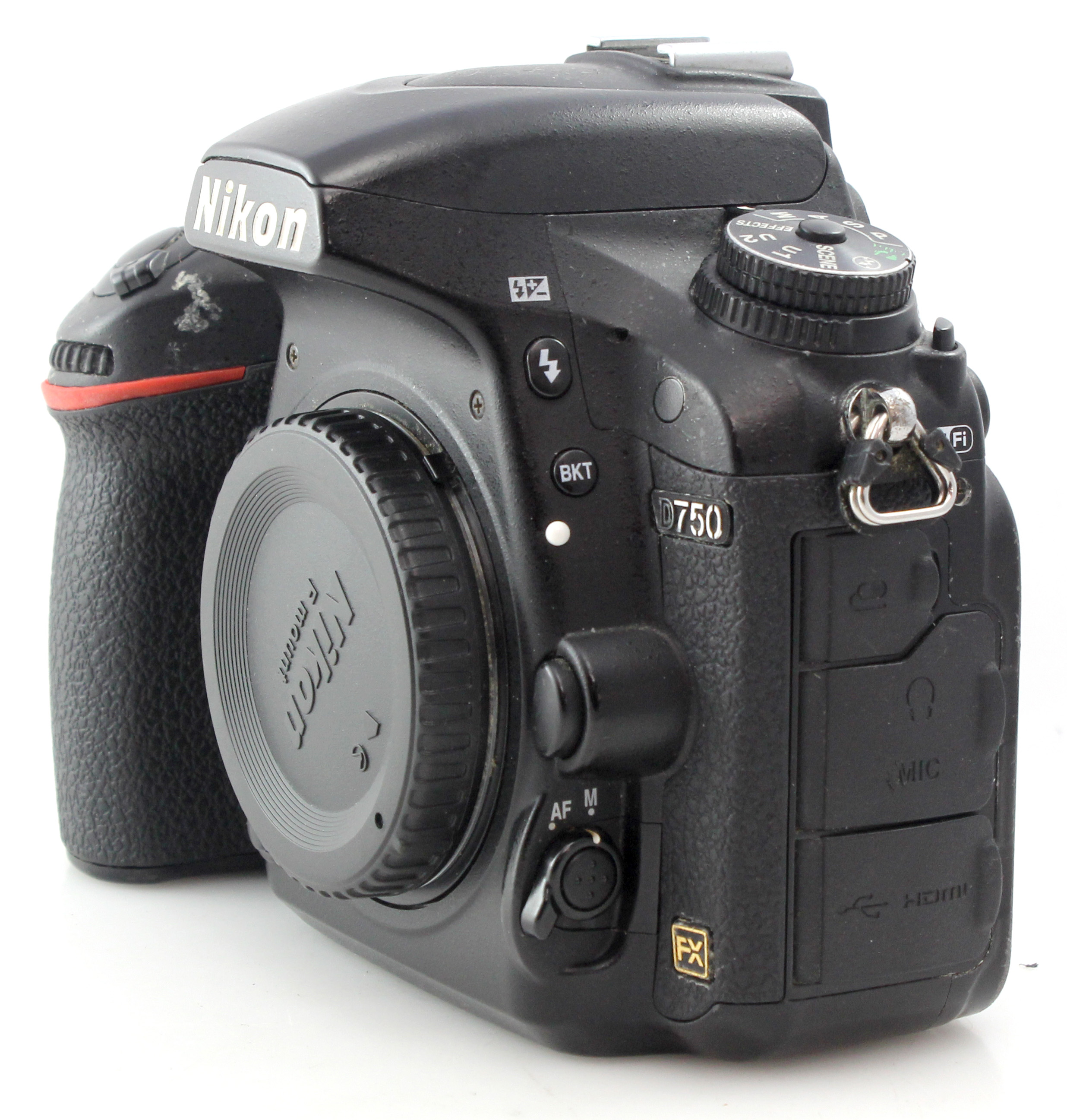
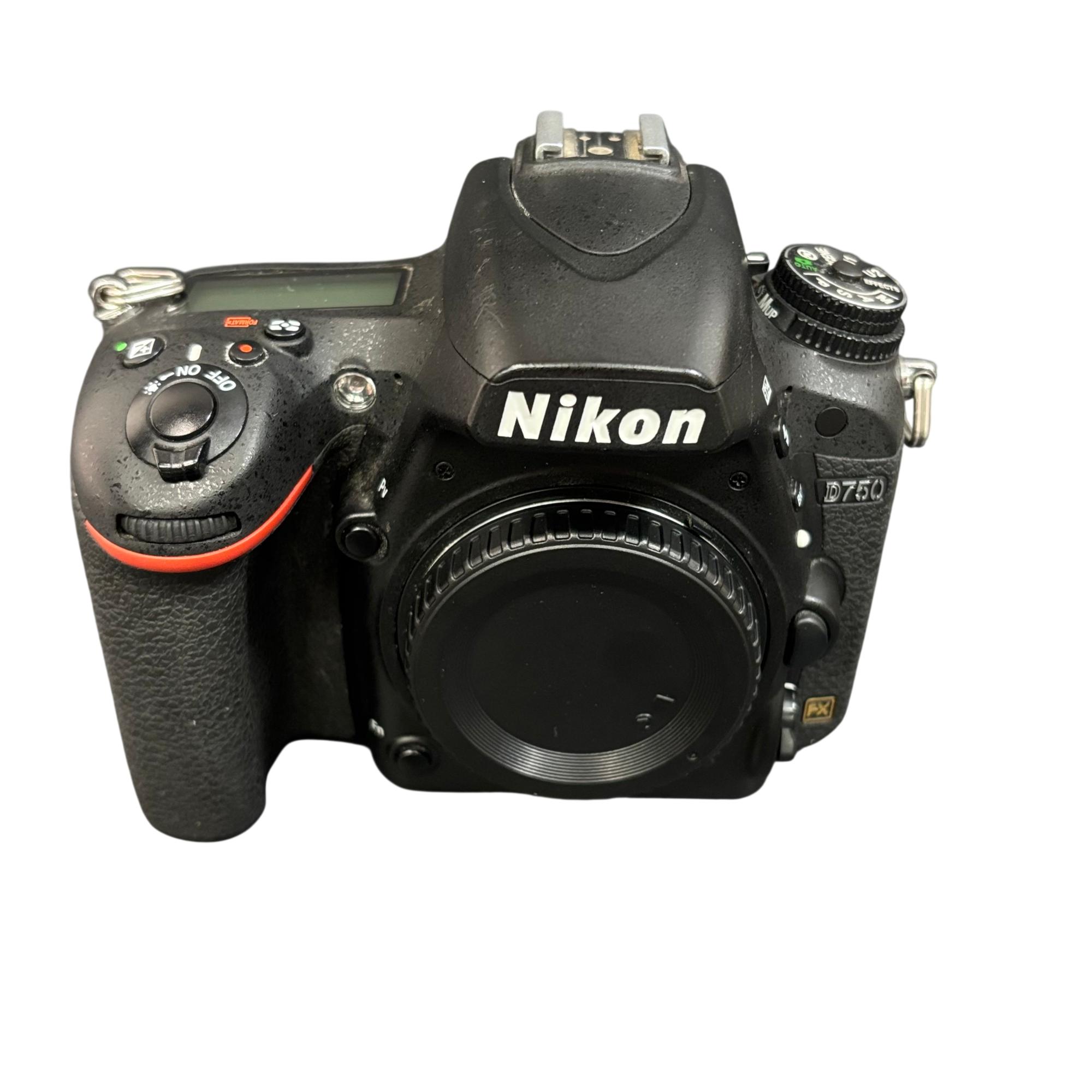
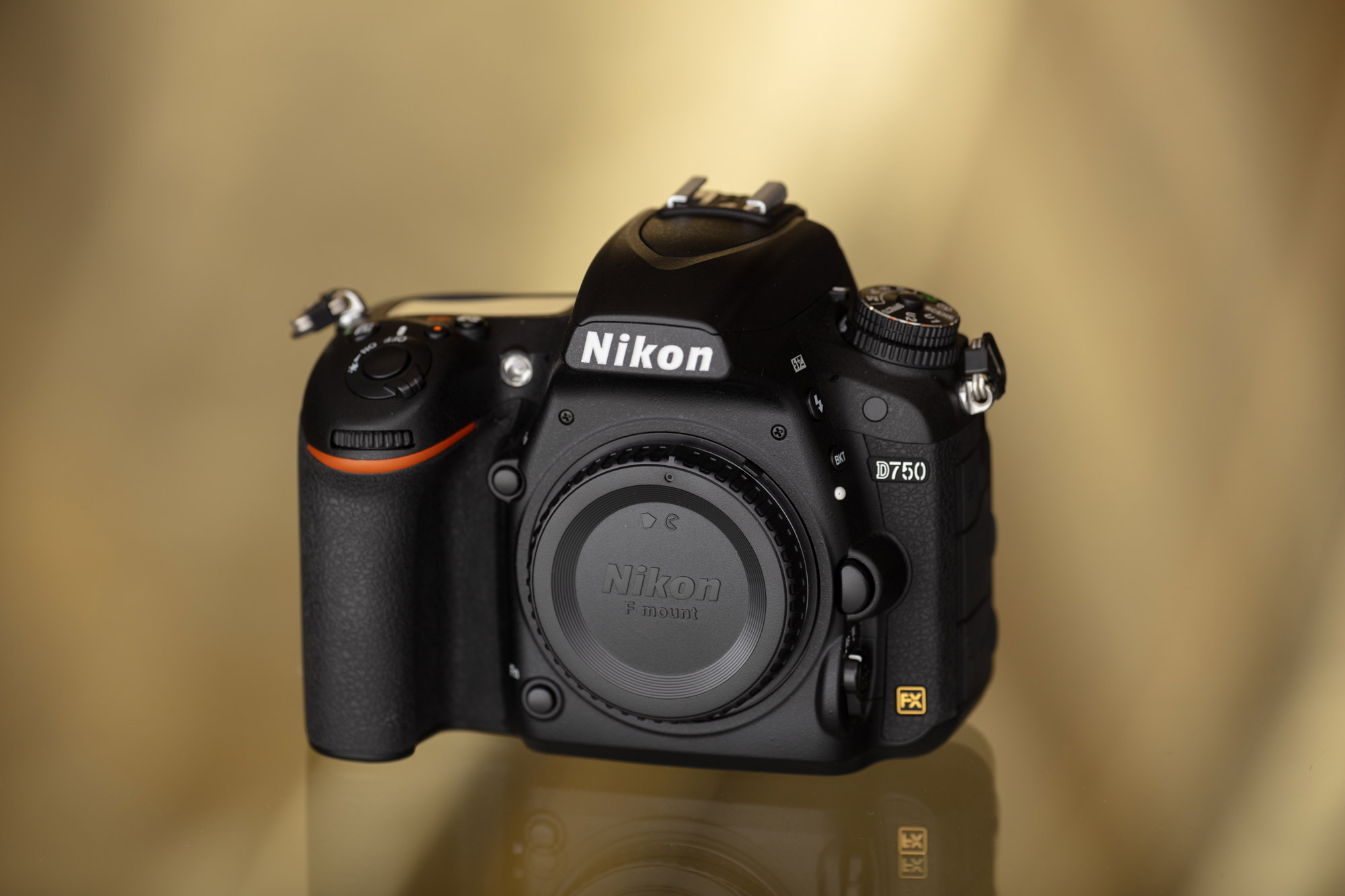
The 24-megapixel Nikon D750 remains a highly capable full-frame DSLR, balancing high-resolution performance, excellent low-light sensitivity, and a robust feature set. As of 2026, it continues to be a preferred tool for photographers seeking professional-grade image quality in a portable, weather-sealed body, bridging the gap between enthusiast-level hardware and professional output requirements.
The Evolution of the Nikon D750
Released in 2014, the Nikon D750 was positioned as a versatile "do-it-all" full-frame DSLR. While the photography industry has largely shifted toward mirrorless systems in the mid-2020s, the D750 retains a loyal following due to its proven sensor technology and ergonomic design. The camera features a 24.3-megapixel FX-format CMOS sensor, which was specifically engineered to optimize the balance between pixel density, dynamic range, and high-ISO performance.
By 2026, the D750 has moved from a current flagship model to a reliable workhorse for secondary markets. Its longevity is attributed to its EXPEED 4 image processing engine, which allows for fast continuous shooting—up to 6.5 frames per second—and reliable autofocus tracking. Unlike some of its contemporaries, the D750 was designed with a slim, monocoque structure using carbon fiber and magnesium alloy, making it significantly more portable than the heavier D800 or D4 series cameras of the same era.
Technical Specifications and Sensor Performance
The heart of the D750 is its 24.3-megapixel CMOS sensor. In an era where many cameras push for 45 or 60 megapixels, the 24-megapixel count remains a "sweet spot" for many professional applications. This resolution is sufficient for large-format printing, high-end commercial work, and detailed cropping, while also ensuring that files remain manageable in post-production workflows.
Sensor Characteristics
- Resolution: 24.3 Megapixels.
- Sensor Size: 35.9 x 24.0 mm (Full-Frame/FX Format).
- Dynamic Range: Renowned for excellent shadow recovery and highlight detail.
- ISO Range: 100–12,800 (expandable to 50–51,200).
- Low-Light Capability: The lower pixel density compared to high-resolution sensors leads to larger individual pixel sites (photosites), which results in less noise at higher ISO settings.
This specific sensor configuration is particularly advantageous for wedding, event, and portrait photographers. It handles skin tones with high accuracy and produces files that are robust enough to withstand significant adjustments in software like Adobe Lightroom or Capture One without excessive banding or digital artifacts.
Handling and Build Quality
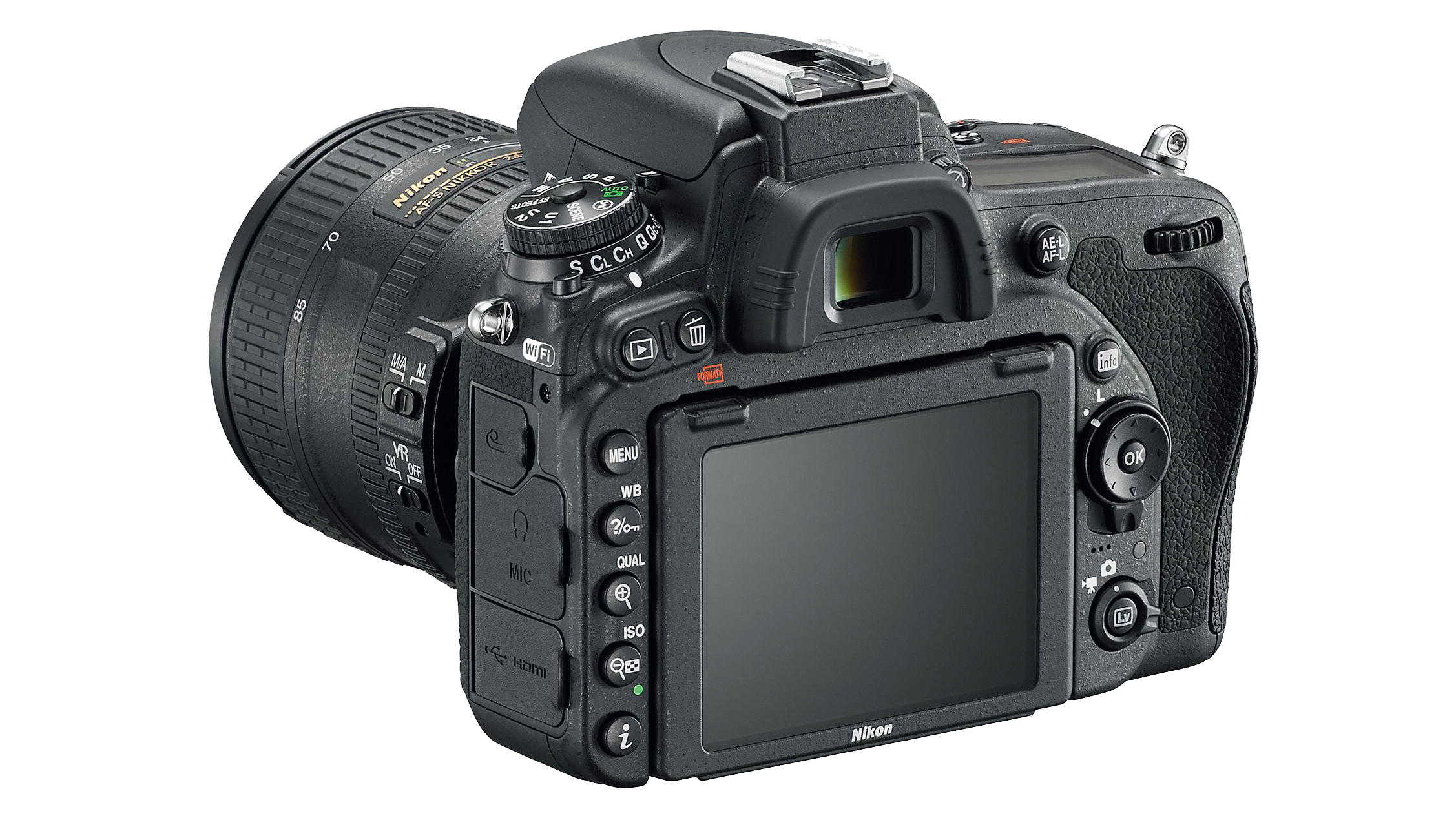
The D750 introduced several design departures from previous Nikon models. It was the first full-frame Nikon DSLR to feature a tilting LCD monitor, which changed how photographers could approach low-angle or high-angle shots. The screen resolution of 1,229k dots provides a clear preview of focus and exposure, even in bright ambient light.
The ergonomics are centered around a deep, comfortable grip that provides stability when using heavy f/2.8 zoom lenses like the 24-70mm or 70-200mm NIKKOR glass. Despite its power, the camera body is compact and weather-sealed. In 2026, users should note that while the weather sealing is extensive, the longevity of these seals depends heavily on previous ownership and environmental exposure. It is always recommended to verify the condition of the rubber gaskets around the battery door and lens mount if purchasing a used unit today.
Comparison: D750 vs. Other Options
When choosing a camera in 2026, it is helpful to understand where the D750 sits in the broader ecosystem of Nikon cameras.
| Feature | Nikon D750 | Nikon D810 | Nikon Z6 (Mirrorless) |
|---|---|---|---|
| Resolution | 24.3 MP | 36.3 MP | 24.5 MP |
| AF System | 51-Point | 51-Point | 273-Point Hybrid |
| Screen | Tilting | Fixed | Tilting |
| Video | 1080p 60fps | 1080p 60fps | 4K UHD 30fps |
| Weight | ~750g | ~880g | ~585g |
The D750 remains more portable and better for low-light scenarios than the D810, though the D810 offers more resolution for studio and landscape photography. The move to mirrorless, represented by the Z6, offers superior autofocus and video features but requires an FTZ adapter to utilize legacy F-mount lenses.
Autofocus and Speed Performance
The D750 features the Multi-CAM 3500FX II autofocus sensor module. This system includes 51 focus points, 15 of which are cross-type sensors for higher accuracy. It is highly capable of tracking subjects moving toward or away from the camera, provided the user utilizes the correct AF-Area modes.
For sports and wildlife, the 6.5 frames-per-second burst rate is respectable. While it does not reach the speeds of modern sports-focused mirrorless cameras, it is more than sufficient for most event photography, portrait sessions, and street photography. The internal focus motor allows the D750 to utilize older AF-D series lenses, which is a significant advantage for photographers who have invested in legacy glass.
Practical Considerations for 2026 Buyers
If you are looking to acquire a 24-megapixel Nikon D750 in 2026, the secondary market is your primary source. Because the camera has been out of production for years, you should prioritize units with lower shutter counts. The shutter mechanism is rated for approximately 150,000 cycles; finding a body under 50,000 cycles is ideal for long-term reliability.
Inspection Checklist
- Shutter Count: Request the exact shutter actuation count.
- Sensor Cleanliness: Use a bright light to check for oil spots or dust on the sensor. While sensor cleaning is a standard maintenance task, recurring oil spots on the sensor can indicate a mechanical issue with the shutter housing.
- Rubber Grips: It is common for Nikon rubber grips to peel over time. This is a cosmetic issue and rarely affects function, but it can be a bargaining point for price negotiation.
- Card Slots: The D750 features dual SD card slots. Verify that both card slots read and write correctly, as the mechanical pins can occasionally become bent if a card is inserted with excessive force.
Essential Lenses for the D750
To get the most out of the 24-megapixel sensor, pairing the body with high-quality NIKKOR glass is essential. The sensor's performance is rarely the limiting factor in image quality; rather, lens choice is the primary variable.
- For Portraits: The AF-S NIKKOR 85mm f/1.8G is a lightweight, sharp, and affordable option that complements the D750's balance perfectly.
- For Landscapes: The AF-S NIKKOR 16-35mm f/4G ED VR provides excellent wide-angle reach and the benefit of Vibration Reduction for handheld shots.
- The "Workhorse": The AF-S NIKKOR 24-120mm f/4G ED VR is widely considered the "kit lens" of choice for the D750. It offers a versatile range that covers almost every situation from travel to events.
Frequently Asked Questions
Is the D750 better than a modern entry-level mirrorless camera?
The answer depends on your priorities. The D750 offers a more tactile, professional DSLR experience with an optical viewfinder, which many photographers prefer. However, a modern entry-level mirrorless camera will likely feature superior eye-tracking autofocus and 4K video capabilities.
Can the D750 produce professional results in 2026?
Absolutely. The 24-megapixel resolution is more than adequate for high-quality professional prints and digital media. Many professional photographers still use the D750 as a backup body or primary camera because the image files are exceptionally easy to work with in post-processing.
Does the D750 record 4K video?
No, the D750 is limited to 1080p Full HD video recording at 60 frames per second. While it can produce high-quality, cinematic footage, it does not support the 4K resolution standard now common in professional videography.
What is the most common issue with the D750?
The most widely reported issue historically was a shutter-related recall (Service Advisory) issued shortly after the camera's release. If buying used, check the serial number against the official Nikon Service Advisory database to ensure that any necessary shutter repairs have already been performed.
How does the D750 perform in low light?
The D750 is an exceptional low-light performer. Even at ISO 3200 and 6400, the noise profile remains pleasing and manageable. Because the sensor does not have an excessively high pixel density, it handles high-ISO signals with less grain than many high-resolution counterparts.
Final Recommendation
For the photographer who values reliability, ergonomic design, and high-quality files without the steep cost of a modern mirrorless system, the Nikon D750 is an outstanding choice in 2026. It represents a mature technology that does exactly what it is designed to do: produce sharp, high-dynamic-range images in a durable, weather-sealed package. If your work does not require 4K video or the advanced subject-tracking autofocus found in newer mirrorless systems, the D750 remains a professional-grade instrument that will serve you well for years to come.