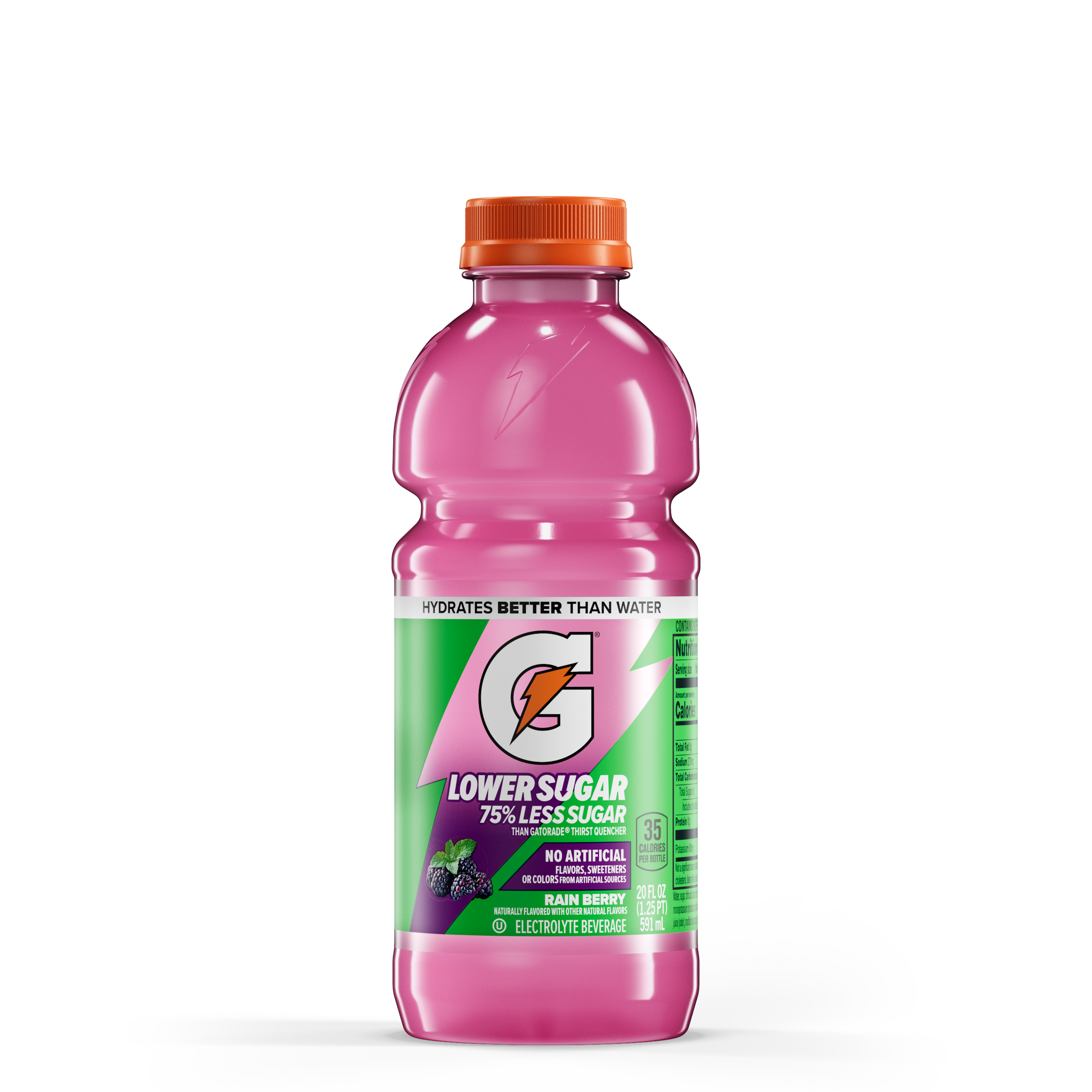
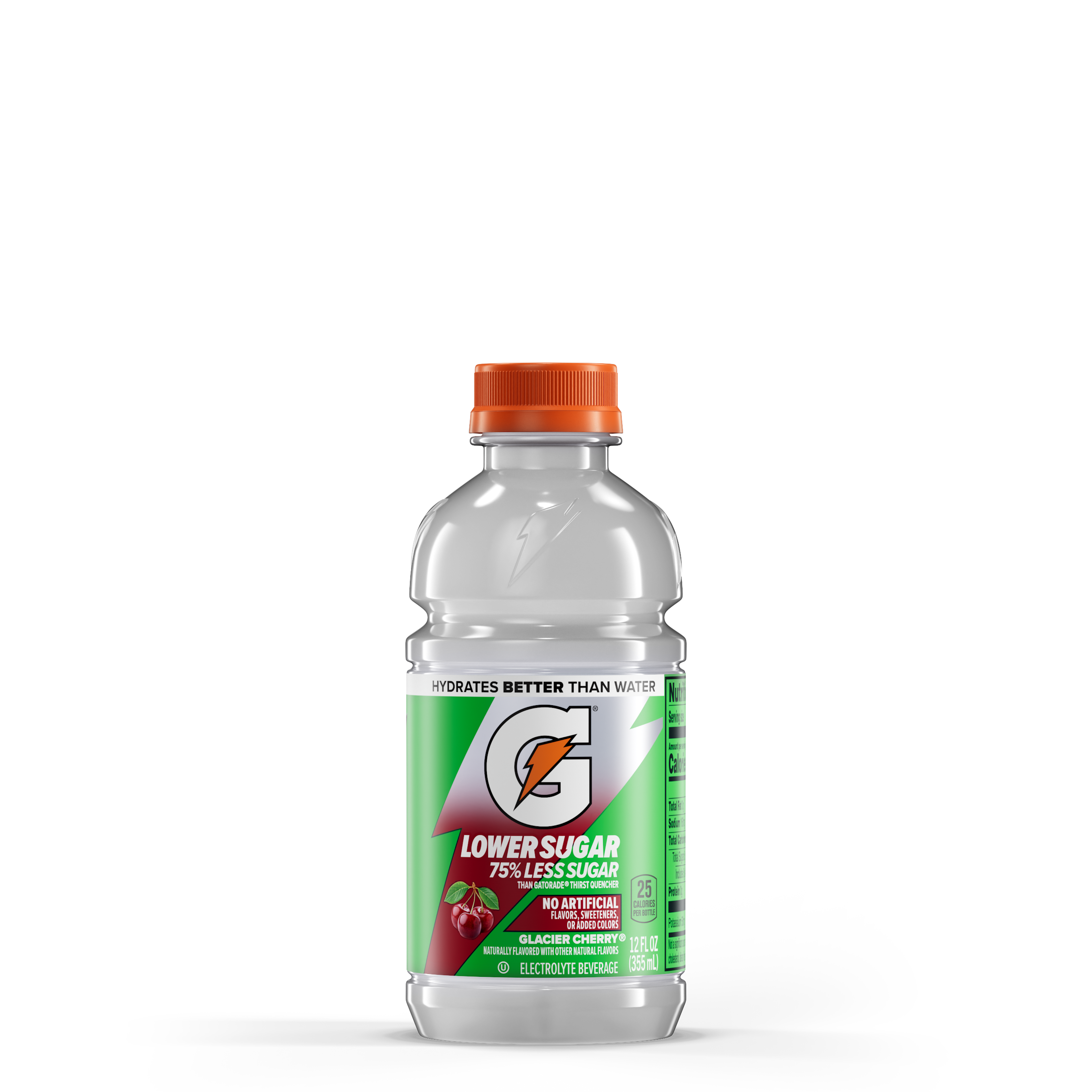
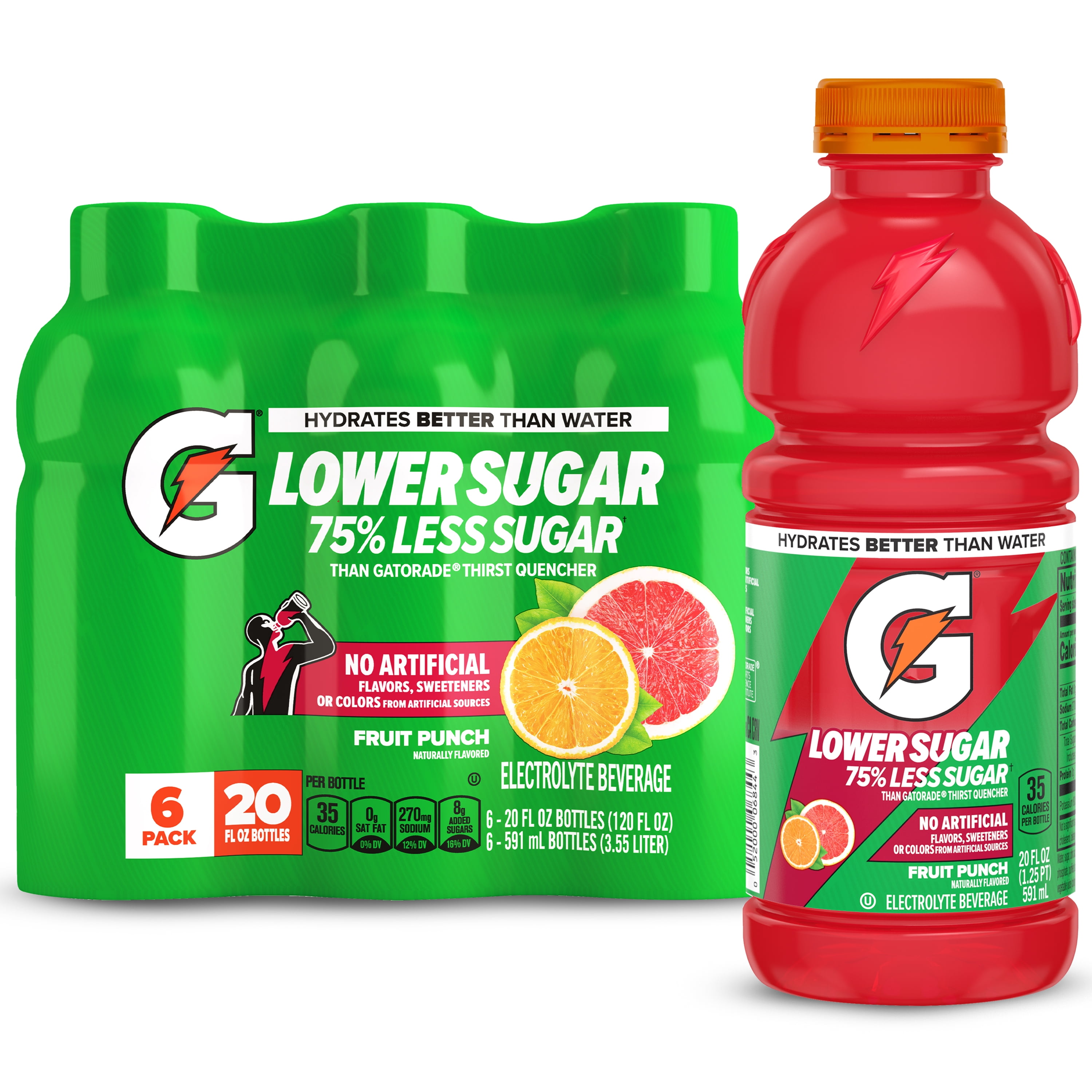
As of 2026, Gatorade’s low-sugar and zero-sugar portfolio has evolved into a sophisticated ecosystem of hydration products designed to meet specific metabolic demands without the caloric load of traditional sports drinks. The current lineup, led by Gatorade Zero, Gatorade Fit, and the recently matured Gatorade Water series, provides varied electrolyte ratios and sweetening profiles tailored for everything from high-intensity interval training to daily wellness hydration.
The Evolution of the Gatorade Low-Sugar Portfolio
The landscape of sports nutrition has shifted dramatically leading into 2026. For decades, the primary focus of sports drinks was the rapid delivery of glucose and electrolytes to fuel endurance athletes. However, as consumer awareness regarding metabolic health and sugar consumption grew, PepsiCo (Gatorade’s parent company) pivoted to prioritize "better-for-you" options.
By 2026, the "low sugar" category at Gatorade is no longer a niche alternative; it represents a significant portion of the brand's total market share. This shift was driven by two primary factors: the diversification of the "athlete" persona to include casual fitness enthusiasts and the clinical refinement of electrolyte delivery systems that do not require high concentrations of sugar to facilitate absorption. While the original Gatorade Thirst Quencher (GTQ) remains a staple for marathoners and those engaged in prolonged, high-intensity exertion, the low-sugar variants serve the 2026 consumer who seeks hydration for shorter workouts, weight management, or general lifestyle needs.
The 2026 product range is categorized not just by flavor, but by functional ingredients. This includes products that utilize artificial sweeteners like sucralose for a traditional taste profile, as well as "clean label" options like Gatorade Fit, which utilizes stevia and omits synthetic colors.
Gatorade Zero: The Flagship of No-Sugar Performance
Gatorade Zero remains the most recognizable pillar of the low-sugar lineup in 2026. Designed to provide the same electrolyte levels as the original Thirst Quencher (approximately 160mg of sodium and 45mg of potassium per 12-ounce serving), it eliminates the 21 grams of sugar found in the classic version.
Nutritional Profile and Formulation
Gatorade Zero is formulated for individuals who are active but may not require the carbohydrate replenishment necessary for sessions lasting longer than 60 to 90 minutes. In 2026, the formulation continues to rely on a blend of sucralose and acesulfame potassium to achieve its sweetness. This combination is favored for its stability and lack of a bitter aftertaste, providing a sensory experience nearly identical to the original full-sugar versions.
The primary benefit of Gatorade Zero in 2026 is its "anytime" utility. Because it contains zero calories and zero carbohydrates, it does not trigger a significant glycemic response, making it a viable option for those following ketogenic diets or individuals monitoring their insulin sensitivity.
Flavor Expansion and Availability
By 2026, the Gatorade Zero line has expanded to include over 15 flavors, including "heritage" flavors like Lemon-Lime and Orange, alongside newer, complex profiles like Glacier Blast and Berry Hibiscus. The availability of Gatorade Zero in powder sticks and concentrated drops has also increased, reflecting a 2026 consumer trend toward sustainable, reduced-plastic consumption.
Gatorade Fit: The Clean Label Alternative
Launched as a response to the growing demand for "natural" sports nutrition, Gatorade Fit has become a dominant force in the 2026 hydration market. Unlike Gatorade Zero, which focuses on matching the original's taste via artificial means, Gatorade Fit targets the wellness-oriented consumer who scrutinizes ingredient labels.
Key Characteristics of Gatorade Fit
- No Added Sugar: The sweetness is derived from stevia leaf extract.
- No Artificial Flavors or Colors: Gatorade Fit utilizes fruit juices and vegetable extracts for color, avoiding the synthetic dyes (like Red 40 or Blue 1) found in other lines.
- Enhanced Micronutrients: By 2026, Gatorade Fit is positioned as an "active wellness" drink, containing Vitamins A, C, and B6, as well as magnesium, which is often under-consumed in the modern diet.
- Electrolyte Source: It utilizes watermelon juice and sea salt as primary sources for its electrolyte matrix, providing a more "whole-food" approach to hydration.
Gatorade Fit is particularly popular among yoga practitioners, hikers, and those engaged in low-to-moderate intensity exercise where the goal is hydration and micronutrient support rather than raw caloric fuel. In 2026, the brand has successfully differentiated "Fit" as the premium, health-conscious tier of the Gatorade family.
Gatorade Water: Premium Unflavored Hydration
A significant development leading into 2026 was the full-scale national rollout and stabilization of Gatorade Water. This product represents the brand’s entry into the premium bottled water segment, specifically targeting the "functional water" niche.
Gatorade Water is unflavored, zero-sugar, and zero-calorie. Its value proposition lies in its filtration process and electrolyte infusion. It is alkaline-adjusted (typically pH 7.5 or higher) and purified through reverse osmosis. For the 2026 consumer, this product bridges the gap between standard spring water and flavored sports drinks. It offers a "crisp" taste profile with a micro-dose of electrolytes intended for all-day hydration rather than specific athletic recovery.
Comparing Gatorade Low-Sugar Options in 2026
To help consumers choose the correct product for their specific needs, the following table compares the primary low-sugar offerings available in 2026.
| Product Line | Sweetener Used | Calories (per 12oz) | Primary Electrolytes | Best Use Case |
|---|---|---|---|---|
| Gatorade Zero | Sucralose, Ace-K | 0 | Sodium, Potassium | Gym workouts, weight management |
| Gatorade Fit | Stevia Leaf | 10-15 | Sodium, Potassium, Magnesium | Clean-label seekers, light activity |
| G2 (Legacy) | Sugar (Low), Sucralose | 30 | Sodium, Potassium | Transitioning from full-sugar drinks |
| Gatorade Water | None | 0 | Trace Electrolytes (pH balanced) | All-day hydration, office use |
| Propel (Partner) | Sucralose | 0 | Sodium, Potassium, B-Vitamins | Entry-level fitness, budget-friendly |
The Science of Electrolytes Without Sugar
A common question in 2026 is whether a sports drink can be effective without sugar. The physiological basis of the original Gatorade was the "Sodium-Glucose Cotransporter." This mechanism describes how glucose facilitates the absorption of sodium and water across the intestinal wall.
However, sports science research available in 2026 confirms that for the majority of standard exercise (under 60 minutes), the body has sufficient glycogen stores to manage performance without supplemental sugar. In these instances, the primary need is the replacement of fluid and the sodium lost through sweat. Gatorade’s low-sugar formulations focus on maintaining the osmotic pressure necessary to encourage fluid retention without the caloric overhead.
For those engaged in "ultra" events or professional-level endurance sports, sugar remains a functional requirement. But for the 2026 "everyday athlete," the zero-sugar electrolyte matrix is more than sufficient to maintain hydration and prevent cramping.
Sustainability and Packaging Initiatives in 2026
In 2026, the launch and maintenance of the Gatorade lower sugar lines are inextricably linked to PepsiCo’s "pep+" (PepsiCo Positive) sustainability goals. The 2026 packaging for Gatorade Zero and Gatorade Fit has moved toward 100% rPET (recycled polyethylene terephthalate), excluding the cap and label.
Furthermore, the "Gatorade ID" ecosystem has expanded. Many consumers in 2026 use the Gx platform—a personalized hydration system that uses "pods" of concentrated low-sugar Gatorade. These pods are inserted into a reusable Gx bottle, significantly reducing the carbon footprint associated with shipping heavy, water-filled plastic bottles. This shift toward "hydration at home" has been a major component of the 2026 strategy for the low-sugar portfolio.
Selecting the Right Product: A Guide for 2026 Consumers
Choosing between the various low-sugar options depends entirely on the individual's goals and dietary restrictions.
- For Keto or Low-Carb Dieters: Gatorade Zero is the optimal choice. It provides the necessary sodium to combat the "keto flu" and maintain electrolyte balance without any impact on ketosis.
- For the Ingredient-Conscious: Gatorade Fit is the superior option. Its use of Stevia and lack of artificial dyes align with "clean eating" philosophies.
- For Daily Office Hydration: Gatorade Water or Propel provides a subtle electrolyte boost without the heavy flavoring that can be overwhelming during a sedentary workday.
- For Moderate Endurance: If you are running 5k to 10k races, G2 (where available) provides a small amount of carbohydrate "buffer" without the high sugar count of the original formula.
Common Mistakes to Avoid
In 2026, despite the prevalence of these products, some common misconceptions persist:
- Replacing Water Entirely: Even low-sugar Gatorade should not entirely replace plain water intake. The high sodium content in Gatorade Zero is designed for sweat replacement; excessive consumption while sedentary can lead to an unnecessary sodium surplus.
- Assuming "Natural" Means "Better": While Gatorade Fit is "cleaner," some individuals find they are sensitive to Stevia, which can cause a different aftertaste or mild digestive upset compared to the sucralose in Gatorade Zero.
- Using Zero-Sugar for Marathons: Using only Gatorade Zero during a 4-hour marathon can lead to "bonking" or hypoglycemia, as the body requires actual glucose to sustain that level of output.
Frequently Asked Questions
Does Gatorade Zero contain any caffeine?
No, the standard Gatorade Zero and Gatorade Fit lines available in 2026 are caffeine-free. For those seeking a stimulant, Gatorade offers a separate "Fast Twitch" line, which is also sugar-free but contains significant caffeine levels intended for pre-workout use.
Is the stevia in Gatorade Fit safe for long-term use?
Stevia leaf extract is widely recognized as safe by global health authorities, including the FDA and EFSA. In 2026, it remains one of the most thoroughly researched high-intensity sweeteners, favored for its plant-based origins and zero-glycemic index.
How does Gatorade Water differ from regular bottled water?
Regular bottled water is often purified but lacks a consistent electrolyte profile. Gatorade Water is specifically engineered for a neutral-to-alkaline pH and is infused with a specific blend of minerals (electrolytes) to improve taste and provide minor functional benefits that standard spring water may not offer.
Can children drink Gatorade Zero and Gatorade Fit?
While safe, pediatricians in 2026 generally recommend water as the primary source of hydration for children. Low-sugar sports drinks can be useful for children during intense sports in hot weather, but they should not be a staple of a child's daily diet due to the sodium content.
Why did Gatorade launch "Gatorade Water" in 2024 and 2025?
The launch was a strategic move to capture the "premium hydration" market. Consumers were increasingly looking for the credibility of the Gatorade brand (the "G" bolt) in a format that was appropriate for non-athletic settings, such as meetings, travel, and meals.
Practical Recommendation for 2026
If you are looking to integrate low-sugar Gatorade into your 2026 routine, start by identifying your primary "sweat sessions." For standard gym workouts or hot-weather activities under an hour, Gatorade Zero provides the most efficient, calorie-free electrolyte replacement. If you prefer to avoid artificial sweeteners and synthetic dyes, make Gatorade Fit your primary choice. For those who find flavored drinks too heavy during the day, keeping a case of Gatorade Water or utilizing the Gx concentrated pods is the most sustainable and effective way to ensure consistent hydration throughout 2026.