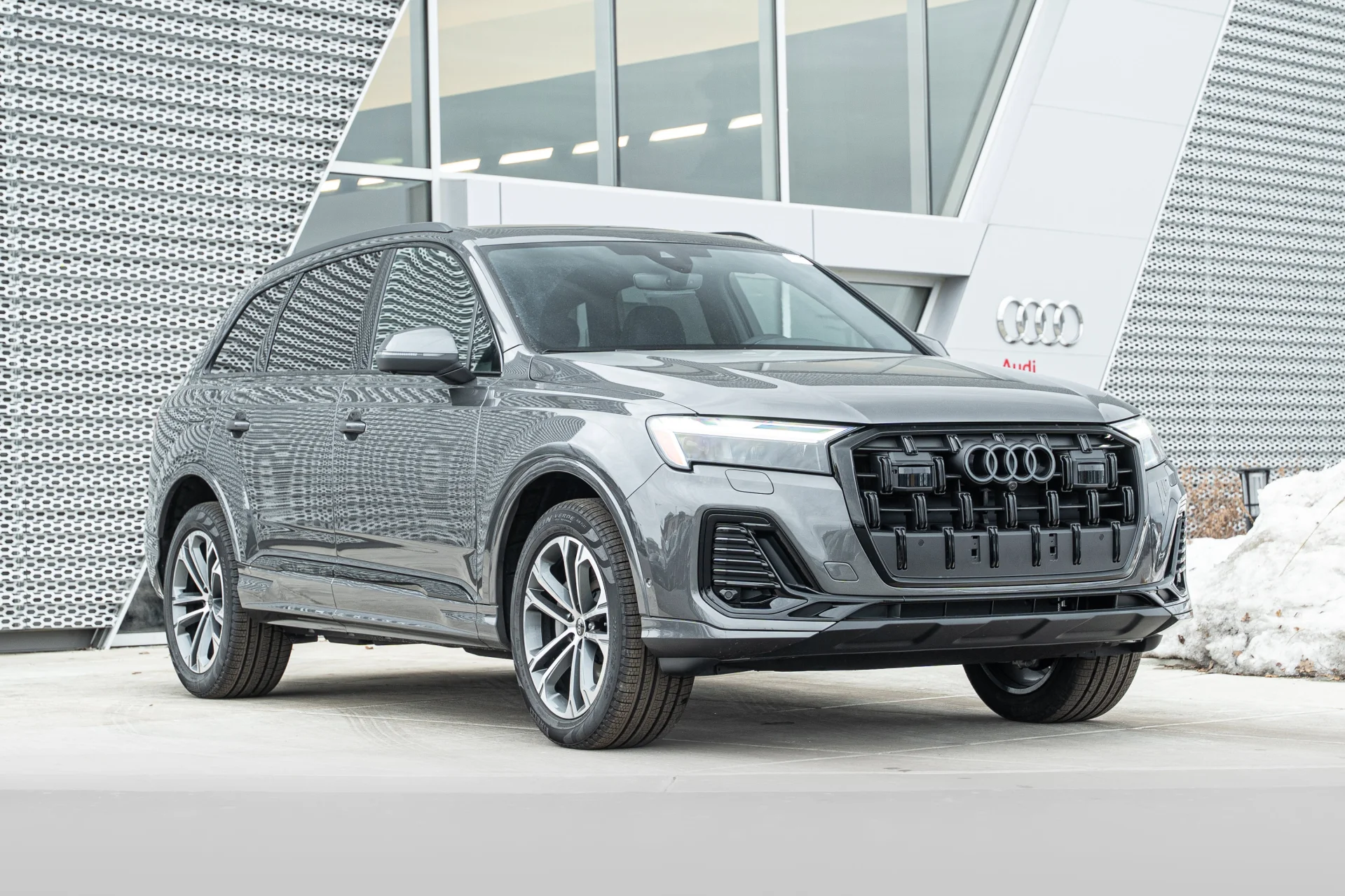
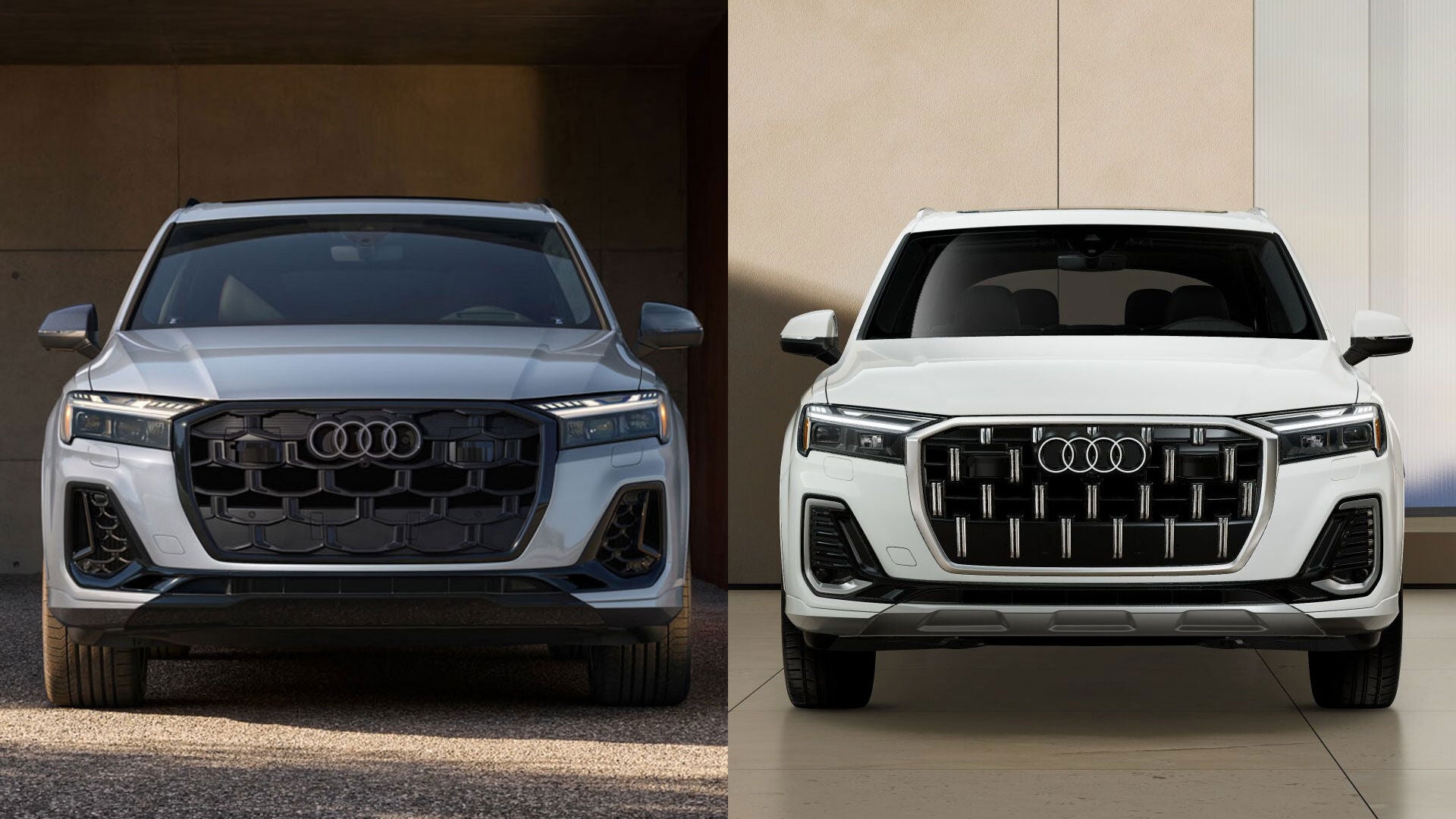
Securing a 2026 Audi Q7 involves choosing between traditional financing, leasing, or balloon payment structures, each tailored to different ownership timelines and liquidity preferences. Determining the right path requires evaluating your down payment capacity, anticipated annual mileage, and whether you prioritize long-term equity or lower monthly cash outflows through Audi Financial Services.
The Audi Q7, a staple in the luxury three-row SUV segment, sits at a premium price point. Because the 2026 model represents the latest iteration of Audi’s sophisticated engineering and interior design, understanding the mechanics of how you pay for the vehicle is as critical as selecting the trim level or engine configuration.
Understanding the Landscape of Vehicle Financing
When considering the purchase of a 2026 Audi Q7, you are essentially choosing between three primary financial vehicles: standard retail installment contracts (financing), leasing (contractual usage), and external financing through private lenders or credit unions.
Audi Financial Services (AFS) acts as the primary lender for the brand. They often provide specialized incentives, such as lower interest rates or "lease loyalty" programs for returning customers. Before walking into a dealership, it is essential to distinguish between the cost of the vehicle (the MSRP) and the cost of the credit (the interest rate or money factor).
Standard Retail Financing
This is the most straightforward method: you borrow the total cost of the vehicle, minus your down payment, and repay it over a fixed term—usually between 36 and 72 months.
- Ownership: You hold the title once the loan is satisfied.
- Flexibility: There are no mileage restrictions, and you are free to customize or sell the vehicle at any point without penalty.
- Liability: You are responsible for all maintenance and repairs once the manufacturer's warranty period concludes.
Leasing
Leasing is functionally a long-term rental where you pay for the vehicle’s depreciation during the term rather than its total value.
- Lower Monthly Payments: Because you are not paying for the entire principal of the car, monthly outlays are typically lower than a loan of the same duration.
- Technical Upside: You are almost always driving a vehicle under the bumper-to-bumper factory warranty, which is ideal for the complex electronic systems in the 2026 Q7.
- The "Money Factor": In leasing, interest is referred to as the money factor. It is vital to ask your dealer for the "buy rate," which is the base interest rate set by Audi Financial Services, to ensure you are not being charged an inflated markup by the dealership.
Comparing Financial Pathways
Choosing between these options depends on your specific economic profile. Use the following table to understand the core differences between standard financing and leasing for a 2026 Audi Q7.
| Feature | Retail Financing | Leasing (AFS) |
|---|---|---|
| Ownership | Immediate | End of lease (optional) |
| Monthly Payment | Higher | Lower |
| Mileage Limits | None | Strictly defined (e.g., 10k/year) |
| Equity | Built over time | None (unless vehicle is worth more than buyout) |
| Maintenance | Owner's responsibility | Often covered by service plans |
| End of Term | Keep or sell | Return, trade-in, or purchase |
Factors Affecting Your Approval and Rates
Regardless of the financing path, lenders evaluate your creditworthiness based on the "Three C’s": Character (credit history), Capacity (debt-to-income ratio), and Collateral (the Q7 itself).
For a vehicle in this price class, lenders look for a high credit score, typically 740 or above, to qualify for the most competitive Tier 1 interest rates. A lower credit score does not necessarily preclude you from owning a 2026 Audi Q7, but it will significantly increase the Annual Percentage Rate (APR). Over the course of a 60-month loan on a luxury SUV, a two-percent difference in interest can equate to thousands of dollars in added expense.
The Role of the Down Payment
A substantial down payment serves two purposes: it reduces the principal balance, thereby reducing interest charges, and it lowers your Loan-to-Value (LTV) ratio. A lower LTV is viewed as safer by lenders, which can occasionally help secure approval if your credit profile is on the border of a higher tier. Aim for a down payment of at least 10–20% to avoid being "underwater" on the loan—a state where you owe more than the vehicle's market value.
The 2026 Audi Q7 and Residual Values
The "residual value" is the projected worth of your Q7 at the end of a lease term, as determined by the manufacturer. This is the single most important variable in leasing, as it dictates your depreciation costs.
High-demand luxury SUVs like the Q7 generally maintain strong residual values. However, market fluctuations can affect this. If you choose to lease, the residual is set at the time of signing. If the market value of the 2026 Q7 ends up being higher than the projected residual at the end of your contract, you possess "positive equity." You can then trade that vehicle in to the dealer and use that equity as a down payment on your next vehicle, effectively recapturing some of your leasing costs.
Evaluating Protection Plans and Service Contracts
When finalizing your finance options, dealers will often present "back-end" products. These typically include:
- Guaranteed Asset Protection (GAP) Insurance: This covers the "gap" between what your insurance company pays out in the event of a total loss and what you still owe on your loan. This is highly recommended for buyers with small down payments.
- Extended Service Contracts: Since the 2026 Q7 is laden with advanced driver-assistance systems (ADAS) and complex infotainment, repairs outside the factory warranty can be expensive.
- Tire and Wheel Protection: Given the low-profile tires often found on luxury Audi trims, this is a frequently utilized, high-value add-on for urban commuters.
Review these carefully. Always ask for the price of these items as standalone products rather than rolling them into your monthly payment without seeing the breakdown.
Common Mistakes to Avoid
The most frequent error in luxury vehicle financing is focusing exclusively on the "monthly payment" rather than the "out-the-door price." Dealers can manipulate the monthly payment by extending the term of the loan to 84 or 96 months. While this makes the payment lower, it ensures you pay interest for much longer, often well after the car’s peak value has eroded.
Another mistake is neglecting to verify insurance premiums. A 2026 Audi Q7 will be significantly more expensive to insure than a mid-market sedan. Before signing any contract, contact your insurance provider to get a firm quote on the specific trim level you are considering.
Next Steps: Preparing for the Dealership
To secure the best terms for your 2026 Audi Q7:
- Check Your Credit: Ensure your report is accurate. Dispute any errors at least 30 days before visiting a showroom.
- Secure Pre-approval: Visit a local bank or credit union to get a pre-approved loan offer. This gives you a "floor" interest rate, which you can then ask the Audi dealership to beat.
- Calculate Total Cost of Ownership: Don’t just account for the payment; budget for premium fuel, higher insurance premiums, and scheduled maintenance.
- Review the Contract in Private: Do not feel pressured to sign documents immediately. Take the time to read the retail installment contract or lease agreement to ensure the numbers match the terms discussed.
If you are unsure which path is best, consider your driving habits. If you drive fewer than 12,000 miles per year and enjoy having the latest safety technology every three years, leasing is likely the superior financial choice. If you intend to keep the vehicle for six years or more, or if you drive extensively, standard financing will yield a lower cost of ownership over the long term.
Frequently Asked Questions
Can I negotiate the interest rate on my Audi Q7 loan?
Yes. Dealers sometimes mark up the "buy rate" provided by the lender to increase their profit margin. You can negotiate this by asking the finance manager for the base rate and providing proof of competitive offers from other lenders.
What happens if I go over the mileage limit on my Audi lease?
You will be charged a per-mile fee, usually ranging from $0.25 to $0.45 per mile. If you anticipate high mileage, it is cheaper to negotiate a higher mileage allowance into your lease contract upfront rather than paying the penalty at the end.
Is it better to put more money down on a lease?
Generally, no. Putting a large down payment on a lease is risky because if the vehicle is totaled in an accident shortly after, you may lose that entire down payment. Keep your lease down payment minimal and focus on maintaining a good credit score to achieve a low money factor.
Can I end my Audi finance contract early?
Yes, you can sell or trade the vehicle at any time. However, you must pay off the remaining balance to the lender. If your loan balance is higher than the trade-in value, you will have to cover the difference out-of-pocket.
What is the advantage of using Audi Financial Services over a bank?
AFS often offers "incentivized rates" for specific models or trim levels that banks cannot match. They also provide a seamless integration between the dealership and the lease-end process, making the return or purchase of your vehicle at the end of the term simpler.