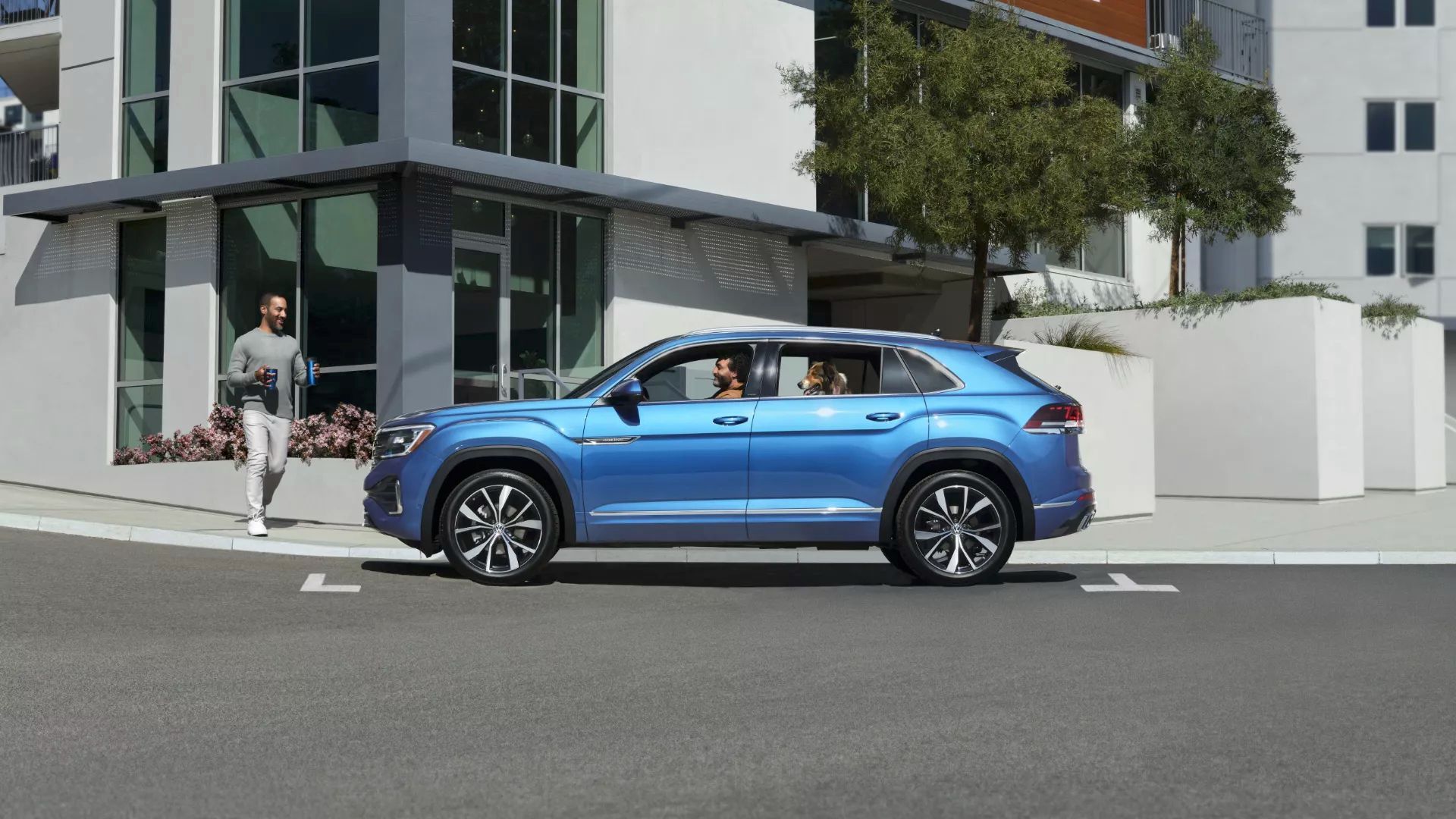
The 2020 Volkswagen Atlas originally launched with a starting manufacturer's suggested retail price (MSRP) of around $31,545 for the base S trim and scaled upward past $50,000 for the top-tier SEL Premium, varying widely today based on mileage, condition, drivetrain configuration, and regional market demand.
Navigating the pre-owned market for a three-row midsize SUV requires a thorough understanding of historical pricing structures, trim hierarchy, and depreciation patterns. When the 2020 Volkswagen Atlas rolled onto showroom floors, it brought several updates over its predecessor, including standard driver-assistance technology across all trims, refreshed exterior styling, and an expanded list of creature comforts. For prospective buyers evaluating this vehicle today, analyzing the original MSRP alongside current market valuations provides a clear picture of what constitutes a fair deal. This guide breaks down the 2020 Volkswagen Atlas price overview, examining each trim level, optional packages, total cost of ownership, and how it stacks up against competitors.
Evolution and Positioning of the 2020 Volkswagen Atlas
The 2020 Volkswagen Atlas occupies a vital space in the American automotive landscape. Designed primarily for North American families who prioritize interior volume, cargo flexibility, and German-inspired highway stability, the Atlas carved out a distinct niche. Unlike many of its midsize competitors that feature cramped third rows suitable only for small children, the Atlas offers adult-friendly seating in the rearmost row, combined with massive cargo capacity.
For the 2020 model year, Volkswagen streamlined its trim lineup and updated the vehicle's exterior fascia with a bolder grille and LED lighting. Crucially, VW made the Driver Assistance package standard on the base S trim, introducing features like Forward Collision Warning, Autonomous Emergency Braking, Blind Spot Monitor, and Rear Traffic Alert without a surcharge. This baseline value shift fundamentally altered how the vehicle depreciates, as even entry-level models possess modern safety tech that retains buyer interest on the secondary market.
Original MSRP Breakdown by Trim Level
Understanding the initial pricing architecture of the 2020 Volkswagen Atlas helps buyers trace how depreciation has affected each model. When new, the vehicle was offered with two engine choices: a 2.0-liter turbocharged four-cylinder engine (producing 235 horsepower) and a 3.6-liter VR6 engine (producing 276 horsepower). Front-wheel drive (FWD) was standard on most trims, while Volkswagen’s 4MOTION all-wheel-drive (AWD) system was either available as an option or standard on higher trims.
The base pricing structure reflected a wide spread to capture various consumer budgets, spanning from budget-conscious family haulers to near-luxury cruisers.
| Trim Level | Original Starting MSRP | Engine Availability |
|---|---|---|
| S | $31,545 | 2.0L Turbo FWD (AWD optional) |
| SE | $34,495 | 2.0L Turbo or 3.6L VR6 |
| SE with Technology | $37,095 | 2.0L Turbo or 3.6L VR6 |
| SEL | $42,295 | 2.0L Turbo or 3.6L VR6 |
| SEL R-Line | $44,295 | 3.6L VR6 (FWD or AWD) |
| SEL Premium | $48,395 | 3.6L VR6 with Standard AWD |
| SEL Premium R-Line | $50,395 | 3.6L VR6 with Standard AWD |
The Base S Trim
Starting at $31,545, the S trim served as the gateway to the Atlas lineup. Despite its entry-level status, it came well-equipped with 18-inch alloy wheels, dual-zone manual climate control, a 6.5-inch touchscreen infotainment system with Apple CarPlay and Android Auto compatibility, and cloth seating. Opting for 4MOTION all-wheel drive typically added approximately $1,900 to the sticker price.
The SE Trim
Stepping up to the SE trim at $34,495 introduced substantial comfort and convenience upgrades. Buyers gained V-Tex leatherette seating surfaces, a 10-way power-adjustable driver's seat, heated front seats, tri-zone automatic climate control, an 8-inch touchscreen infotainment display, and keyless access with push-button start. The SE was also the first trim to offer the optional 3.6-liter VR6 engine, which added towing capability and higher horsepower.
The SE with Technology Trim
Priced at $37,095, the SE with Technology trim added remote engine start, a power liftgate, front and rear parking sensors, adaptive cruise control, and 20-inch alloy wheels. This trim struck a balance for many families, providing modern driver aids and convenience features without pushing past the $40,000 threshold.
The SEL Trim
At $42,295, the SEL trim pushed the Atlas into premium territory. It included a panoramic sunroof, a heated steering wheel, a memory function for the driver's seat, a larger digital cockpit display (Volkswagen's Digital Cockpit), and ambient interior lighting. The exterior received styling enhancements with more pronounced chrome accents and advanced LED headlights.
The SEL R-Line and SEL Premium Trims
The R-Line packages added sportier aesthetic touches, including unique 20-inch or 21-inch wheels, R-Line bumpers, badging, and stainless steel pedal caps. The flagship SEL Premium and SEL Premium R-Line models, topping out above $50,000, featured genuine leather seating, ventilated front seats, heated outboard rear seats, a Fender premium audio system, a 360-degree overhead camera view (Area View), and standard 4MOTION all-wheel drive paired exclusively with the VR6 engine.
Current Market Valuation and Depreciation Trends
Depreciation on three-row crossovers tends to follow predictable curves, heavily influenced by mileage, condition, accident history, and regional weather patterns. Because the 2020 model has aged into the pre-owned market, its valuation reflects both wear and tear and the enduring demand for spacious family transport.
Generally, pre-owned 2020 Volkswagen Atlas models trade within ranges that reflect substantial recovery from initial depreciation drops, stabilizing as family-oriented buyers seek utility at a lower price point than brand-new equivalents.
- Lower Trims (S and SE): These models often attract budget-conscious buyers seeking maximum interior space for minimum expenditure. Expect well-maintained examples to trade in the low-to-mid teens or low twenties depending heavily on mileage.
- Mid Trims (SE with Tech and SEL): Representing the sweet spot of the lineup, these trims hold their value relatively well due to the presence of driver-assistance tech, upgraded infotainment, and sunroofs.
- Top Trims (SEL Premium and R-Line): While luxury features command a higher initial price, they also suffer steeper depreciation curves because repair costs for advanced electronics and larger wheels deter some secondary buyers. However, they remain highly sought-after by buyers wanting ventilated seats, premium audio, and leather without paying new-car prices.
Engine Options and Their Impact on Cost
When evaluating a 2020 Volkswagen Atlas, the choice between the 2.0-liter turbocharged four-cylinder and the 3.6-liter VR6 engine plays a significant role in long-term ownership costs, fuel economy, and utility.
2.0-Liter Turbocharged Four-Cylinder
- Pros: Better fuel economy (EPA-estimated roughly 20-22 mpg combined), lighter front-end weight, lower initial purchase price, and adequate power for daily commuting and school runs.
- Cons: Slower acceleration when the vehicle is fully loaded with passengers and cargo; maximum towing capacity is limited to 2,000 pounds.
3.6-Liter VR6 Engine
- Pros: Smoother power delivery, robust acceleration, and a maximum towing capacity of 5,000 pounds when properly equipped with the factory towing package.
- Cons: Lower fuel economy (EPA-estimated roughly 18-19 mpg combined) and higher mechanical complexity over long-term ownership.
Buyers planning to tow campers, boats, or utility trailers must verify that the specific vehicle they are inspecting includes the factory tow hitch, as aftermarket installations on the Atlas can be complex and expensive due to wiring integration requirements.
Total Cost of Ownership Beyond the Sticker Price
The purchase price is only one component of the total financial commitment required to own a 2020 Volkswagen Atlas. Prospective buyers must factor in ongoing operational expenses.
Maintenance and Repairs
Volkswagen vehicles require diligent adherence to scheduled maintenance intervals. Oil changes utilizing VW-approved synthetic lubricants, transmission fluid services, and brake replacements on a heavy crossover can run higher than economy-brand alternatives. Brake pads and rotors, in particular, wear out relatively quickly on heavier trims like the SEL Premium due to the vehicle's curb weight, which often exceeds 4,500 pounds.
Fuel Costs
With a large footprint and heavy chassis, fuel consumption is a notable line item. Drivers covering average annual mileage of 15,000 miles will spend a significant amount annually on gasoline, with the VR6 consuming visibly more fuel than the 2.0L turbo, especially in urban stop-and-go driving environments.
Insurance Premiums
Insurance rates for the Atlas are generally moderate. Because the 2020 model comes standard with advanced safety equipment across all trims, insurance underwriters often provide favorable safety discounts compared to older SUVs lacking automated braking systems.
Common Inspection Points for Used 2020 Models
Purchasing a pre-owned 2020 Volkswagen Atlas requires a careful inspection of specific mechanical and electrical systems known to require attention as these vehicles age.
- Infotainment and Software Glitches: Early software versions in the 2020 model year occasionally experienced screen freezing or Bluetooth disconnection issues. Buyers should verify that the vehicle's software has been updated by a certified dealer.
- Panoramic Sunroof Drains: Models equipped with the panoramic sunroof require clear drainage channels. Clogged drains can lead to water intrusion into the headliner and front footwells, making a post-rain inspection essential.
- Brake Wear: Due to the vehicle's weight, check the remaining thickness of brake pads and rotors. Premature pulsating during braking indicates warped rotors, which are a common wear item on heavy SUVs.
- Suspension Components: Listen for clunks or rattles over speed bumps. Control arm bushings and strut mounts should be inspected for premature wear, particularly in vehicles operated on rough urban roads.
Competitor Comparison
The midsize three-row SUV segment is fiercely competitive. Evaluating how the 2020 Volkswagen Atlas compares to its primary rivals helps contextualize its market value.
- Honda Pilot: Renowned for its reliability and clever interior storage, the Pilot offers a smoother base V6 engine but lacks the rugged exterior styling and European driving dynamics of the Atlas.
- Toyota Highlander: Offers exceptional resale value and hybrid fuel economy options, though its third row and cargo capacity are noticeably tighter than the expansive cabin of the Volkswagen.
- Ford Explorer: Features powerful EcoBoost engine options and rear-wheel-drive architecture, but historical reliability ratings for the 2020 Explorer launch year lean in favor of the Atlas's simpler mechanical layout.
- Kia Telluride / Hyundai Palisade: These sibling vehicles disrupted the segment with high-end interior materials and lengthy warranty coverage, often commanding higher resale values relative to their original MSRPs than the Atlas.
Practical Recommendations for Buyers
When shopping for a 2020 Volkswagen Atlas, prioritize vehicles with complete service histories. Opt for the SE with Technology or SEL trims if you value modern driver aids, remote start, and larger wheels without paying the heavy depreciation penalty of an original $50,000 flagship trim. Always run a comprehensive vehicle history report to check for accidents, title status, and open recall campaigns. Taking the vehicle to an independent mechanic for a pre-purchase inspection can save thousands of dollars in unexpected post-sale repairs.