Vehicle owners frequently experience unexpected electrical failures, starting difficulties, and warning messages due to parasitic draws, aging original equipment manufacturer (OEM) batteries, and complex auxiliary power management systems in the 2020 Buick Envision.
Understanding the 2020 Buick Envision Electrical Ecosystem
The 2020 Buick Envision relies heavily on an advanced electrical architecture designed to support a wide array of comfort, convenience, and safety features. Unlike older automotive models where the battery simply powered the starter motor, ignition system, and basic lighting, modern crossovers manage complex computer networks, telematics, active safety sensors, and climate control modules. When battery issues arise in a 2020 Buick Envision, they often manifest as symptoms that seem entirely unrelated to the battery itself, such as erratic infotainment behavior, unresponsiveness from keyless entry fobs, or random warning lights illuminating the instrument cluster.
At the heart of this system is a standard 12-volt lead-acid battery—often an Absorbent Glass Mat (AGM) battery depending on the specific engine trim (such as the 2.5-liter 4-cylinder or the 2.0-liter turbocharged 4-cylinder) and whether the vehicle is equipped with stop-start technology. Stop-start systems place a disproportionately high demand on the vehicle's electrical storage capacity, requiring deep-cycling capabilities that standard flooded batteries cannot handle. Consequently, understanding how these components interact is the first step toward diagnosing why a 2020 Buick Envision might leave a driver stranded.
Common Symptoms of Battery and Charging System Failures
Recognizing the early warning signs of a failing battery or charging system in a 2020 Buick Envision can prevent unexpected roadside strandings. Owners typically report a specific sequence of symptoms before total electrical failure occurs.
Slow Cranking and Delayed Starting
The most classic indicator of a weak battery is a sluggish starter motor. When turning the ignition key or pressing the push-button start, the engine cranks notably slower than usual, or the starter engages with a stuttering sound. This occurs because the internal resistance of the battery has increased, limiting its ability to deliver the high amperage required to turn over the engine, especially during cold weather conditions.
Electrical Component Malfunctions and Low-Voltage Anomalies
Modern General Motors vehicles are sensitive to voltage drops. When battery voltage falls below optimal thresholds—typically under 12.4 volts with the engine off—internal control modules may fail to initialize correctly. In a 2020 Buick Envision, low voltage frequently triggers false error messages related to the StabiliTrak system, parking assist, all-wheel-drive systems, or the power liftgate. Drivers may also notice dimming interior lights, a sluggish infotainment touchscreen, or power windows that operate at reduced speeds.
Complete Electrical Deadness
In severe cases, owners return to their vehicles to find absolute silence. The key fob fails to unlock the doors, the dashboard lights remain unlit, and turning the ignition produces no response whatsoever. This state usually indicates either a severe parasitic drain that has completely depleted the battery cells or a catastrophic internal short circuit within the battery.
Primary Causes of Battery Drain and Failure in the 2020 Buick Envision
Pinpointing the root cause of battery issues requires looking beyond the battery itself to examine how power is consumed and replenished while the vehicle is parked or driven.
Parasitic Drains from Infotainment and Telematics
A parasitic draw occurs when an electrical component continues to draw power from the battery even after the vehicle has been turned off, locked, and allowed to enter "sleep" mode. In the 2020 Buick Envision, the IntelliLink infotainment system, OnStar telematics modules, and various body control modules have occasionally been implicated in software glitches that prevent the vehicle's computer networks from shutting down completely. If a module remains awake, it can drain a healthy battery over a weekend of non-use.
Battery Age and Environmental Factors
Automotive batteries have a finite lifespan, typically ranging from three to five years. The 2020 Buick Envision, built several years ago, now sees many of its original factory batteries reaching the end of their operational window. Furthermore, extreme temperatures—both severe winter cold and intense summer heat—accelerate internal chemical degradation. Heat causes battery fluid to evaporate and internal components to corrode, while cold weather thickens engine oil, requiring more electrical power from an already weakened battery to start the vehicle.
Alternator and Charging System Inefficiencies
The battery is only responsible for starting the vehicle and powering accessories when the engine is off; once running, the alternator supplies all electrical power and recharges the battery. If the alternator, voltage regulator, or serpentine belt is failing, the battery will not receive a proper charge during driving. Over time, this leads to a chronically undercharged battery that mimics the symptoms of a failed storage unit.
| Symptom | Probable Root Cause | Recommended Diagnostic Action |
|---|---|---|
| Slow crank on cold mornings | Aging battery with diminished cold-cranking amps (CCA) | Perform a carbon-pile load test on the battery. |
| Complete electrical death overnight | Parasitic electrical draw from an active control module | Measure parasitic current draw with a digital multimeter. |
| Battery warning light on dash | Faulty alternator or loose serpentine belt | Test alternator output voltage (should read 13.5V–14.5V running). |
| Intermittent electronic glitches | Corroded or loose battery terminal connections | Inspect, clean, and torque battery cable terminals. |
Step-by-Step Diagnostic Procedures
Diagnosing battery and electrical issues in a 2020 Buick Envision requires a methodical approach using basic automotive tools such as a digital multimeter and a dedicated battery tester.
Step 1: Visual Inspection of Terminals and Cables
Begin by popping the hood and examining the battery terminals. The 2020 Buick Envision places its battery under the hood in a standard layout, though access may require removing plastic intake or trim covers. Look for white, blue, or green powdery buildup (corrosion) around the positive and negative terminals. Ensure that the terminal clamps are tightly secured and cannot be twisted by hand. Loose connections create high resistance, preventing proper starting and charging.
Step 2: Open-Circuit Voltage Testing
Using a digital multimeter set to direct current (DC) volts, touch the red probe to the positive terminal and the black probe to the negative terminal while the engine is completely off.
- A fully charged, healthy battery should read approximately 12.6 volts or higher.
- A reading between 12.0 and 12.4 volts indicates a partial charge that requires recharging.
- A reading below 12.0 volts suggests deep discharge or sulfation, where the battery may no longer hold a reliable charge.
Step 3: Charging System Verification
Start the engine and re-measure the voltage across the battery terminals. With the engine running, the alternator should push the reading up to between 13.5 and 14.5 volts. If the voltage remains below 13 volts or mirrors the off-engine reading, the alternator is failing to charge the battery.
Step 4: Parasitic Draw Testing
If the vehicle repeatedly drains its battery while parked, a parasitic draw test is necessary. This involves disconnecting the negative battery cable, setting a multimeter to measure DC amperes, and placing the meter probes in series between the disconnected cable and the negative battery post. Note: Modern vehicles require up to 30 minutes for all computer modules to enter sleep mode. Technicians must monitor the meter until the current drop stabilizes—typically below 50 milliamps (0.05 amps). Higher readings indicate a faulty circuit.
Solutions, Replacements, and Professional Maintenance
When troubleshooting confirms that a battery or charging component has failed, appropriate corrective action must be taken to restore vehicle reliability.
Selecting the Correct Replacement Battery
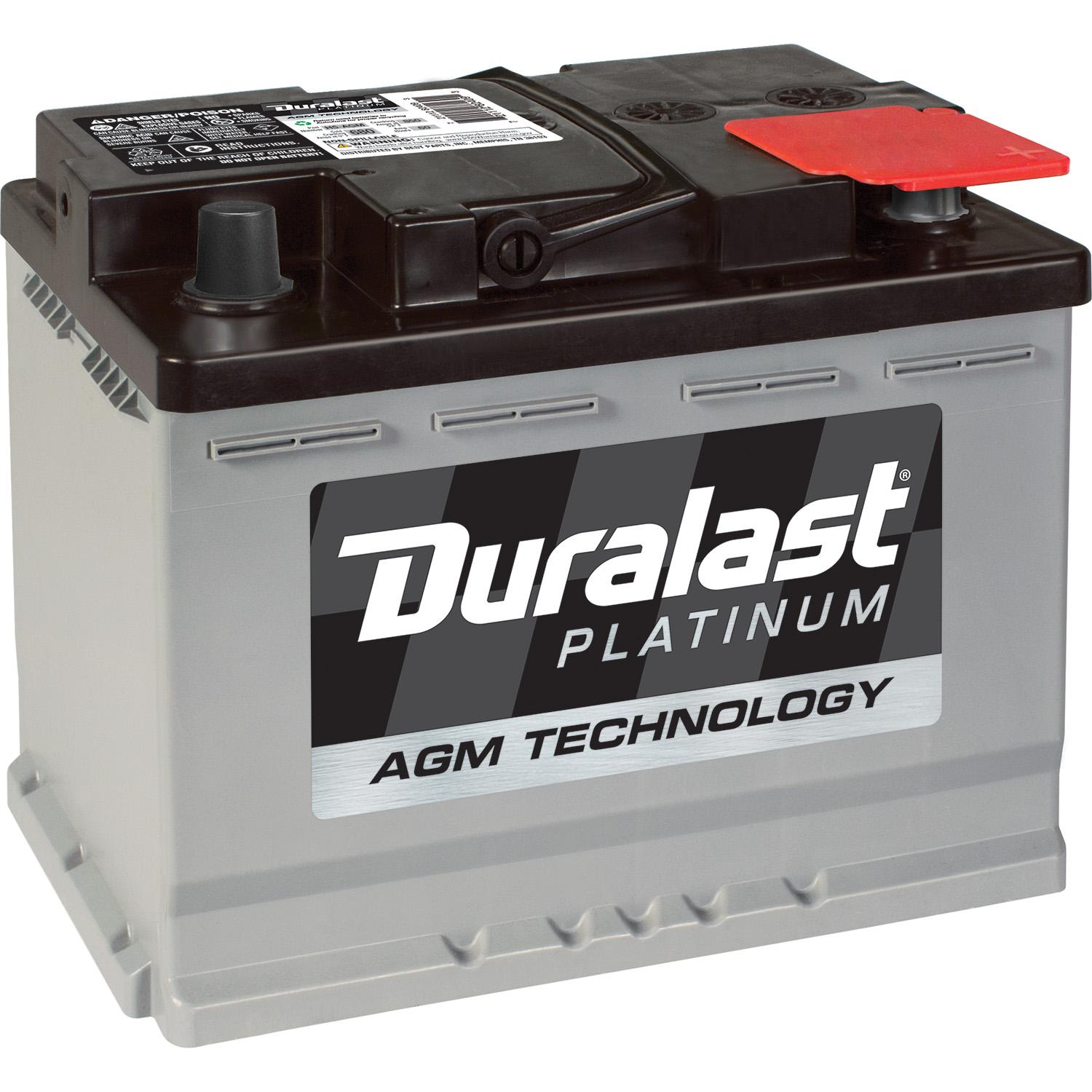
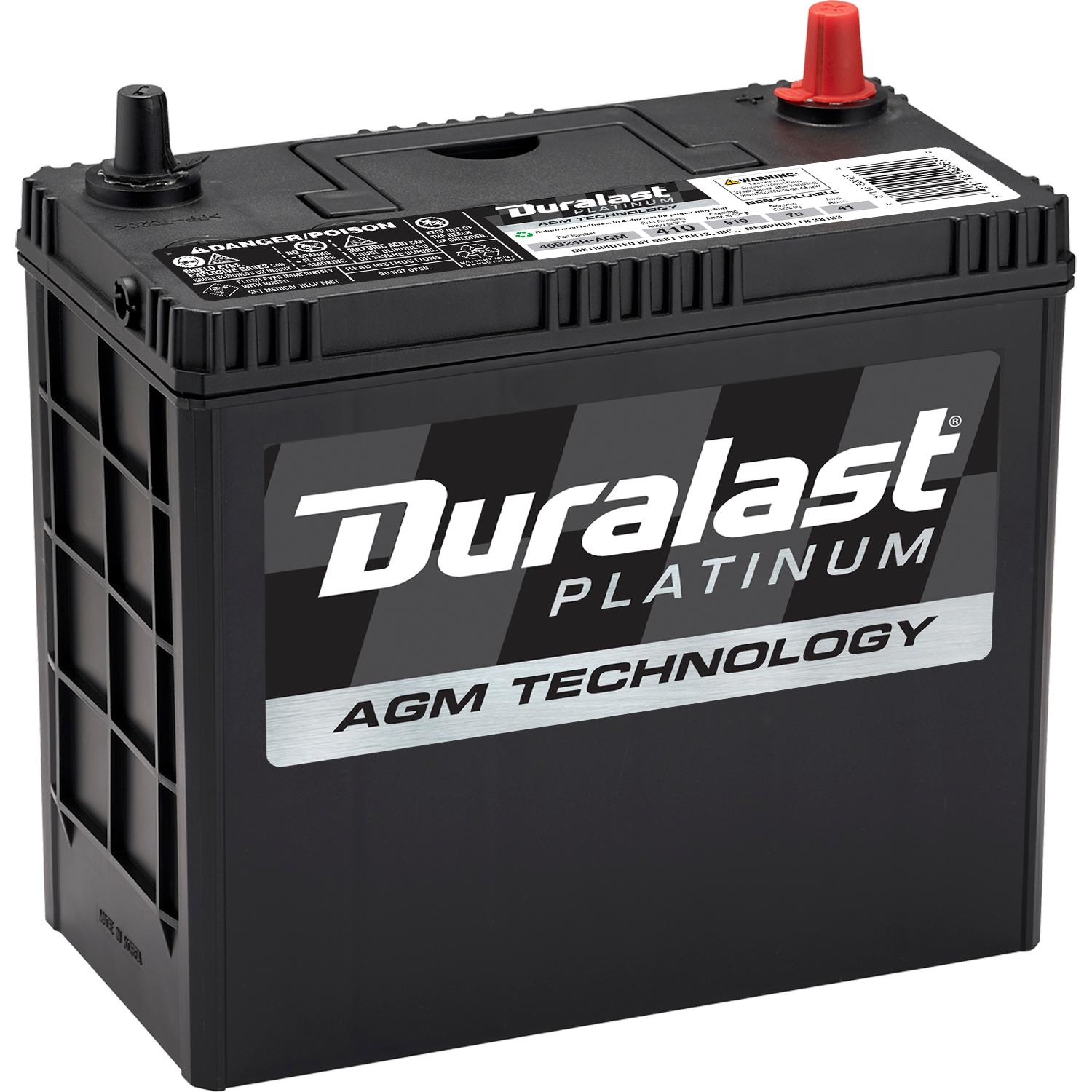
When replacing the battery in a 2020 Buick Envision, matching the OEM specifications is critical. Most trims require an Group Size 48 (H6) or Group Size 49 (H8) AGM battery, especially if the vehicle features automatic stop-start technology. Standard flooded lead-acid batteries should not be substituted into vehicles engineered for AGM technology, as the charging profiles and deep-cycling demands differ significantly. Always verify the Cold Cranking Amps (CCA) rating matches or exceeds the factory specification—usually around 600 to 760 CCA depending on engine size.
Battery Registration and Control Module Resets
Modern General Motors vehicles utilize an Intelligent Battery Sensor (IBS) mounted on the negative battery terminal. This sensor monitors battery state of charge, temperature, and health over time. When installing a new battery, the vehicle's Powertrain Control Module (PCM) must recognize that a fresh unit has been installed so it can adjust its charging algorithms accordingly. While some vehicles self-calibrate after several hours of undisturbed parking or specific drive cycles, professional service centers can use a bi-directional scan tool to reset the battery life monitor instantly.
Professional Intervention vs. DIY Repair
While replacing a battery or cleaning corroded terminals is a straightforward DIY task for individuals with basic mechanical experience, complex issues involving parasitic draws or intermittent charging system faults often require professional diagnostic equipment. Automotive electrical diagnostics can be time-consuming; independent repair shops or authorized General Motors dealerships possess advanced diagnostic scan tools capable of reading body control module error histories and flash-updating software to resolve known module bugs.
Frequently Asked Questions
Why does my 2020 Buick Envision keep killing its battery overnight?
An overnight battery drain is typically caused by a parasitic electrical draw where a vehicle computer module fails to enter "sleep" mode. Common culprits include aftermarket accessories plugged into accessory outlets, faulty door switches keeping interior lights or control systems active, or software glitches in the IntelliLink infotainment system.
Do I need a special battery for a 2020 Buick Envision with stop-start?
Yes. If your 2020 Buick Envision is equipped with the engine automatic stop-start feature, it requires an Absorbent Glass Mat (AGM) battery. Installing a standard flooded lead-acid battery will result in premature failure due to the constant cycling demands placed on the electrical system during city driving.
How do I know if my alternator or my battery is bad?
A bad battery typically fails to hold a charge or crank the engine, but once started, the car will stay running if the alternator is healthy. A bad alternator will fail to charge the battery while driving, eventually causing the vehicle to stall completely once the remaining battery reserve is exhausted. Testing voltage with a multimeter while the engine runs clarifies the distinction.
Does replacing the battery require reprogramming the car?
The 2020 Buick Envision utilizes an Intelligent Battery Sensor that monitors battery age and health. While physical replacement does not strictly require coding in the same manner as some European luxury brands, performing a battery life reset via an OBD2 scan tool ensures the vehicle immediately optimizes its charging profile for the new battery.
What is the expected lifespan of an OEM battery in this vehicle?
Original equipment batteries in the 2020 Buick Envision generally last between 3 to 5 years. Factors such as extreme regional climates, frequent short-trip driving, and heavy reliance on electronic accessories can shorten this operational window.
Conclusion and Next Actions
Addressing battery issues in a 2020 Buick Envision starts with accurate diagnosis—differentiating between a naturally degraded battery, a parasitic draw, or a failing charging system. Vehicle owners experiencing recurring starting problems should immediately inspect terminal connections, test open-circuit voltage, and verify alternator output. For persistent electrical drains or complex module failures, scheduling an inspection with a certified technician equipped with advanced diagnostic software ensures the root cause is resolved safely and permanently.