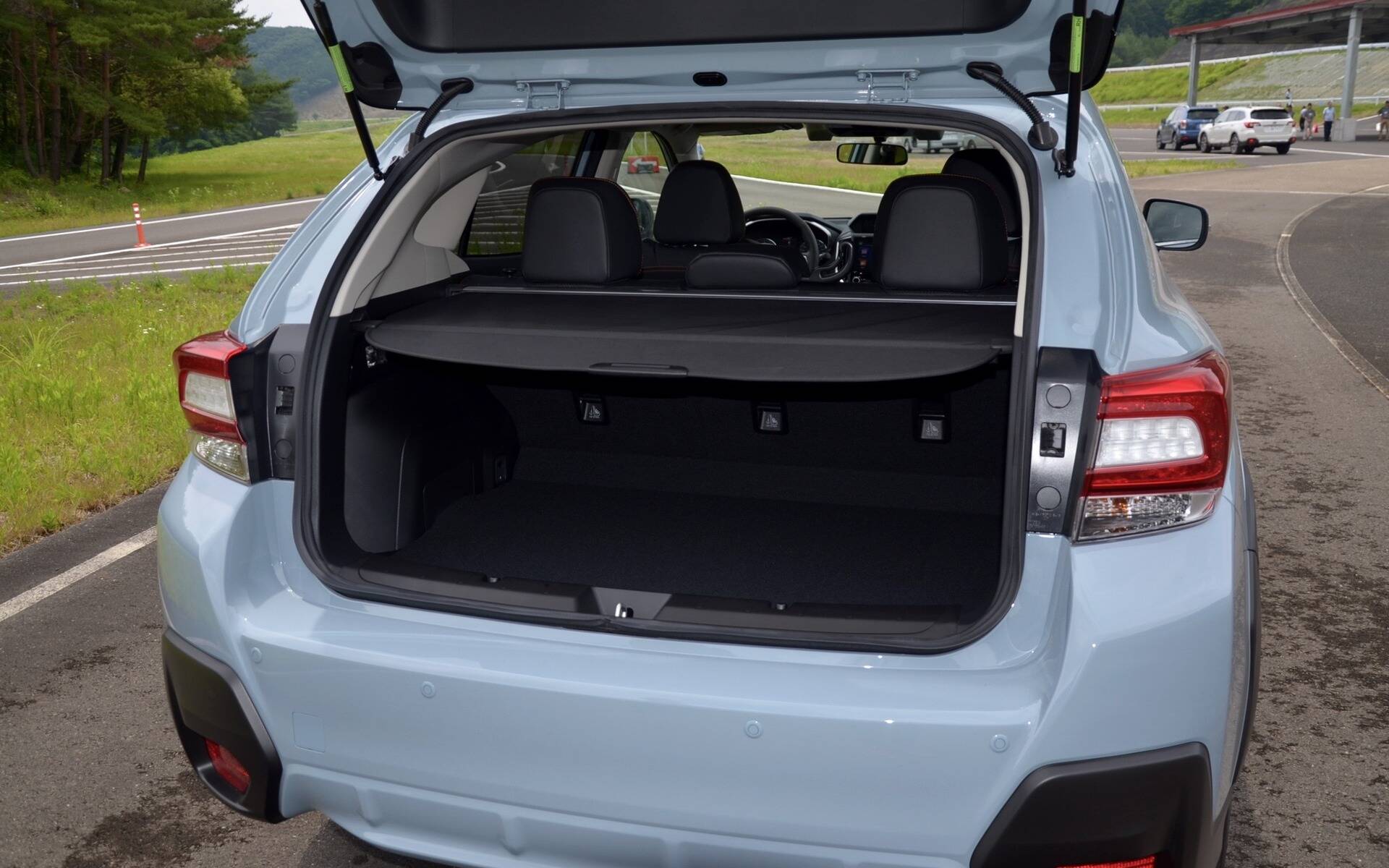
The 2018 Subaru Crosstrek generally offers above-average long-term reliability and strong safety scores, though it is marked by well-documented early model-year pain points—most notably battery drain issues, infotainment software glitches, and occasional oil consumption concerns that require vigilant routine maintenance.
Introduction and Model Overview
When Subaru launched the second-generation Crosstrek for the 2018 model year, it transitioned to the brand's new Global Platform. This architectural overhaul brought significant improvements to ride comfort, body rigidity, and cabin quietness while retaining the standard symmetrical all-wheel-drive system and high ground clearance that buyers expected. However, as an introductory year for a completely redesigned vehicle, the 2018 model accumulated a unique profile of mechanical and electrical quirks.
Evaluating the reliability of a used 2018 Subaru Crosstrek requires looking beyond standard owner satisfaction metrics to understand specific technical failure points, factory service campaigns, and the impact of previous maintenance. While many drivers experience trouble-free operation up to and beyond 150,000 miles, knowing what to look for can save buyers from expensive repairs and help current owners preemptively address recurring issues.
Powertrain Engineering and Mechanical Reliability
At the heart of the 2018 Subaru Crosstrek sits the FB20D 2.0-liter naturally aspirated horizontally opposed four-cylinder engine. Mated to either a six-speed manual transmission or a Lineartronic Continuously Variable Transmission (CVT), this powertrain emphasizes efficiency and all-weather capability over straight-line performance.
Engine Durability and Oil Consumption
Earlier generations of Subaru's FB engine family gained a reputation for excessive oil consumption. By 2018, Subaru had revised piston ring designs and engine block tolerances, largely mitigating the severe oil consumption plagues of the early 2010s. Nevertheless, the FB20D is still an engine that runs tight tolerances. Owners must check their oil levels between standard 6,000-mile or 7,500-mile synthetic oil change intervals. Neglecting routine fluid checks can lead to premature valve train wear or bearing damage.
CVT Transmission Performance
The Lineartronic CVT used in the 2018 Crosstrek has proven relatively robust compared to early-generation CVTs from competing manufacturers, but it remains sensitive to fluid degradation. Subaru originally designated the CVT fluid as "lifetime," a policy that many independent automotive technicians and transmission specialists strongly dispute. Changing the CVT fluid every 60,000 miles is widely recommended to prevent belt slip, pulley scoring, and premature transmission shudder.
Common Mechanical and Electrical Issues
Every vehicle model year carries specific service bulletins and recurring trouble spots. For the 2018 Crosstrek, complaints logged with the National Highway Traffic Safety Administration (NHTSA) and automotive enthusiast forums center on a few specific areas.
| Issue Category | Primary Symptom | Resolution / Permanent Fix |
|---|---|---|
| Electrical / Battery | Premature battery failure, parasitic draw | Replace with larger battery, update ECM |
| Infotainment / Starlink | Freezing screen, backup camera failure | Dealer software flash or head unit warranty |
| CVT Transmission | Shuddering at low speeds, whining noise | Valve body replacement / fluid change |
| AC Condenser | Loss of cabin cooling | Component replacement under warranty extension |
The Parasitic Battery Drain Controversy
One of the most widespread complaints regarding the 2018 Crosstrek involves premature battery failure. Many owners reported finding their vehicles completely dead after sitting unridden for just a weekend. The root cause was traced to a combination of parasitic electrical draws from the telematics (Starlink) module and aggressive charging profiles from the Engine Control Module (ECM). Subaru issued Technical Service Bulletins (TSBs) to reprogram the software and, in many cases, replaced the original factory batteries with higher-capacity units under warranty or goodwill claims.
Infotainment and Starlink System Glitches
The 8-inch and 6.5-inch Starlink touchscreen head units in the 2018 model are prone to software freezes, Bluetooth disconnection loops, and unresponsive backup camera displays. Subaru released multiple firmware updates to address these grievances. If a used 2018 Crosstrek exhibits sluggish screen response, a simple USB firmware update performed by a dealer or via a home Wi-Fi connection often resolves the instability.
Air Conditioning Condenser Failures
A less frequent but notable mechanical issue involves premature failure of the AC condenser. Internal leaks caused refrigerant to escape, leading to sudden losses in cabin cooling capabilities. Subaru eventually extended the warranty coverage for the air conditioning condenser on specific 2018-2019 models, making it critical for buyers to verify whether this component has already been replaced.
Safety Systems and Structural Integrity
Safety is a primary selling point for the Crosstrek. The 2018 model earned top marks across the board, including a Top Safety Pick designation from the Insurance Institute for Highway Safety (IIHS) and a 5-star overall rating from the NHTSA.
EyeSight Driver Assist Technology
Models equipped with the EyeSight suite feature adaptive cruise control, lane departure warning, pre-collision braking, and lane sway warning. Long-term reliability of the EyeSight cameras is generally high, though windshield replacements require specialized calibration to ensure the optical sensors align correctly with lane markings and preceding vehicles. Owners must keep the upper portion of the windshield clean and clear of obstructions to prevent temporary system deactivation during heavy rain or snow.
Maintenance Schedules and Long-Term Ownership Costs
Maintaining a 2018 Subaru Crosstrek according to factory specifications is the single most important factor in preserving its long-term reliability. Boxer engines require specific maintenance protocols due to their horizontal layout.
- Spark Plug Replacement: Due to tight clearances inside the engine bay, replacing spark plugs every 60,000 miles is labor-intensive compared to inline-four engines, driving up routine service costs at independent shops or dealerships.
- Differential Fluid Services: Because the Crosstrek features a permanent all-wheel-drive system, the front and rear differential fluids should be inspected and changed every 30,000 to 60,000 miles, especially if the vehicle is driven in heavy snow, dust, or off-road conditions.
- Suspension and Steering Components: Bushings, control arms, and tie rods generally hold up well, but vehicles operated in regions that salt roads during winter require regular undercarriage washing to prevent premature rust on subframe fasteners.
Frequently Asked Questions
Is the 2018 Subaru Crosstrek considered a reliable used car?
Yes, the 2018 Subaru Crosstrek is generally considered a reliable used vehicle, provided it has a documented maintenance history. While it suffered from first-year electrical quirks like battery drain and infotainment bugs, the core mechanical components—including the engine and symmetrical all-wheel-drive system—are durable and capable of reaching high mileages with proper care.
What are the most common problems with a 2018 Subaru Crosstrek?
The most frequently reported issues include premature battery failure caused by parasitic electrical draws, freezing or unresponsive touchscreen infotainment systems, and occasional CVT transmission shuddering that may require a valve body replacement.
Does the 2018 Crosstrek burn oil?
While earlier Subaru FB-series engines were notorious for excessive oil consumption, the 2018 model features updated internal components that largely resolved the issue. However, because boxer engines naturally run on tight tolerances, owners should still check oil levels regularly between standard oil change intervals.
How often should the CVT fluid be changed on a 2018 Crosstrek?
Although Subaru originally marketed the CVT fluid as a lifetime fill, professional transmission technicians and independent Subaru specialists strongly recommend changing the fluid every 60,000 miles to prevent internal wear and maintain smooth operation.
Are replacement parts expensive for a 2018 Subaru Crosstrek?
Routine maintenance parts and common wear items are competitively priced and widely available from both OEM and aftermarket suppliers. However, specialized repairs involving the EyeSight safety cameras or the continuously variable transmission can carry higher labor and component costs.
Conclusion and Buying Recommendation
Purchasing or maintaining a 2018 Subaru Crosstrek comes down to verifying that past service campaigns and software updates have been properly executed. If looking to buy a used model, request a comprehensive service history to confirm whether the battery, infotainment updates, and AC condenser recalls or TSBs were addressed. For current owners, adhering strictly to fluid change intervals for the CVT and differentials, monitoring oil levels proactively, and addressing electrical gremlins early will ensure dependable service from this capable crossover for years to come.