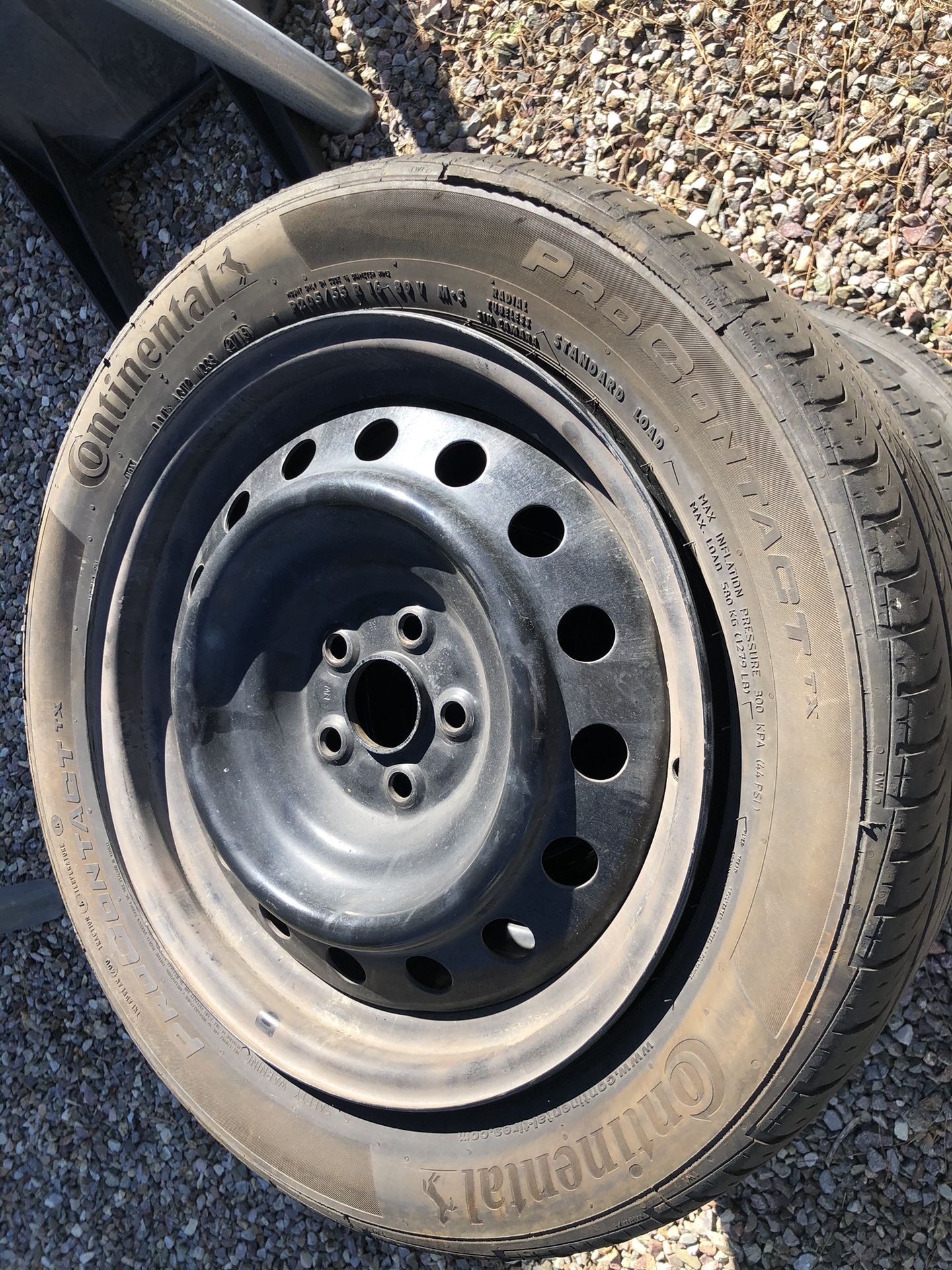
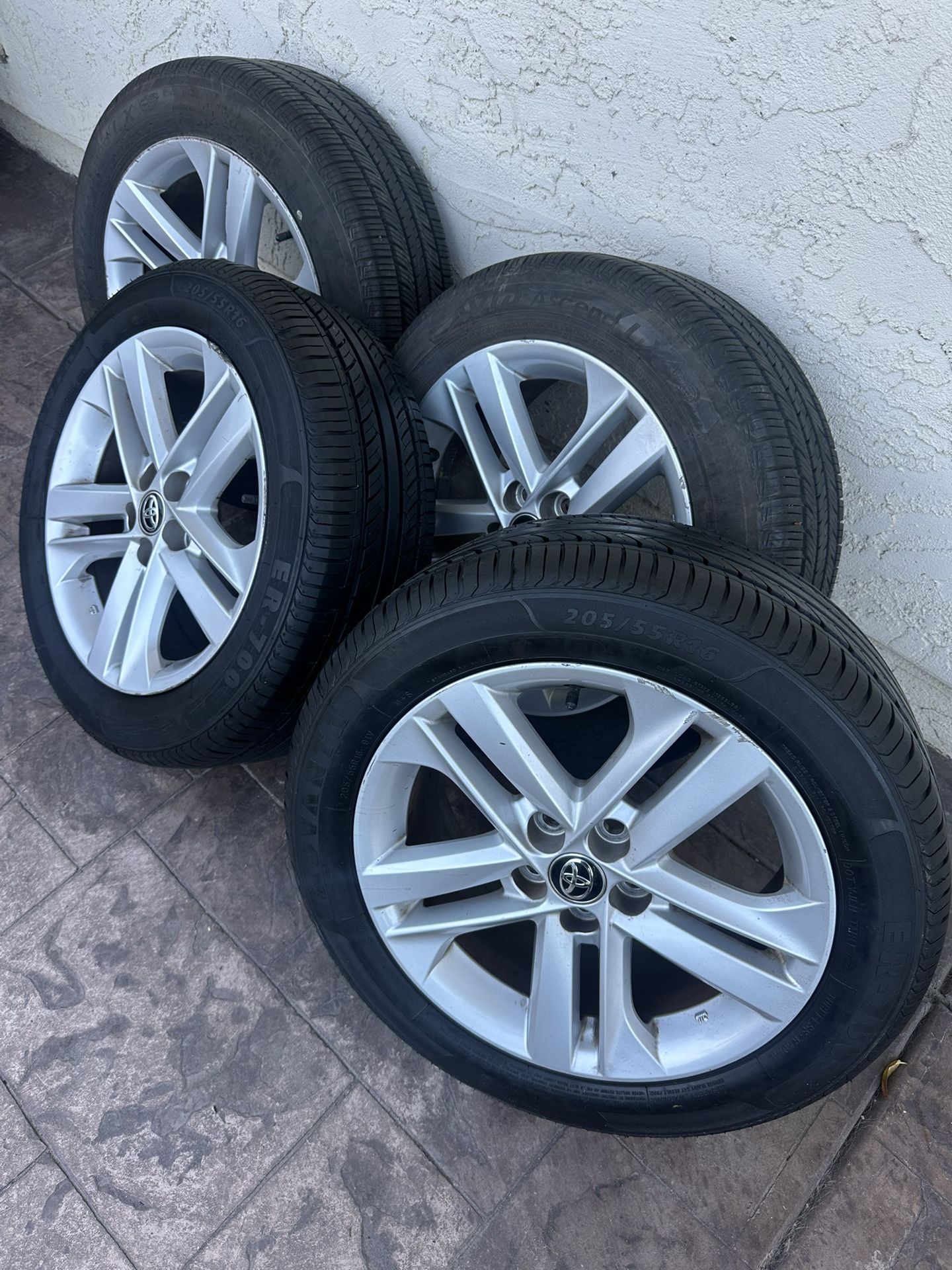
The factory tire size for a 2018 Toyota Corolla typically ranges from 15 to 17 inches depending on the specific trim level, with common dimensions including P195/65R15 for the Base, L, LE, and LE Eco trims, P205/55R16 for the SE and XLE, and P215/45R17 for the sporty SE 17-inch wheel package.
Navigating automotive specifications can sometimes feel like a daunting task, especially when you are standing in a parking lot or a service bay trying to make an informed decision about your vehicle. For owners of the 2018 Toyota Corolla, understanding tire sizes, load ratings, speed ratings, and pressure requirements is essential for maintaining safety, fuel efficiency, and optimal handling. Toyota engineered the eleventh-generation Corolla facelift (spanning model years 2017 through 2019) with several distinct wheel and tire configurations to balance comfort, fuel economy, and responsive driving dynamics.
This guide breaks down every factory tire size option for the 2018 Toyota Corolla, outlines correct inflation pressures, explores replacement considerations, and equips you with the technical knowledge necessary to select the right rubber for your driving habits.
Understanding the 2018 Corolla Trim Levels and Factory Tire Sizes
Toyota offered the 2018 Corolla in a diverse lineup of trims, each tailored toward a slightly different consumer preference. Because ride height, suspension tuning, and alloy or steel wheel designs vary across these trims, the factory-installed tire sizes also change. Knowing your exact trim level is the first step toward identifying the correct replacement tire.
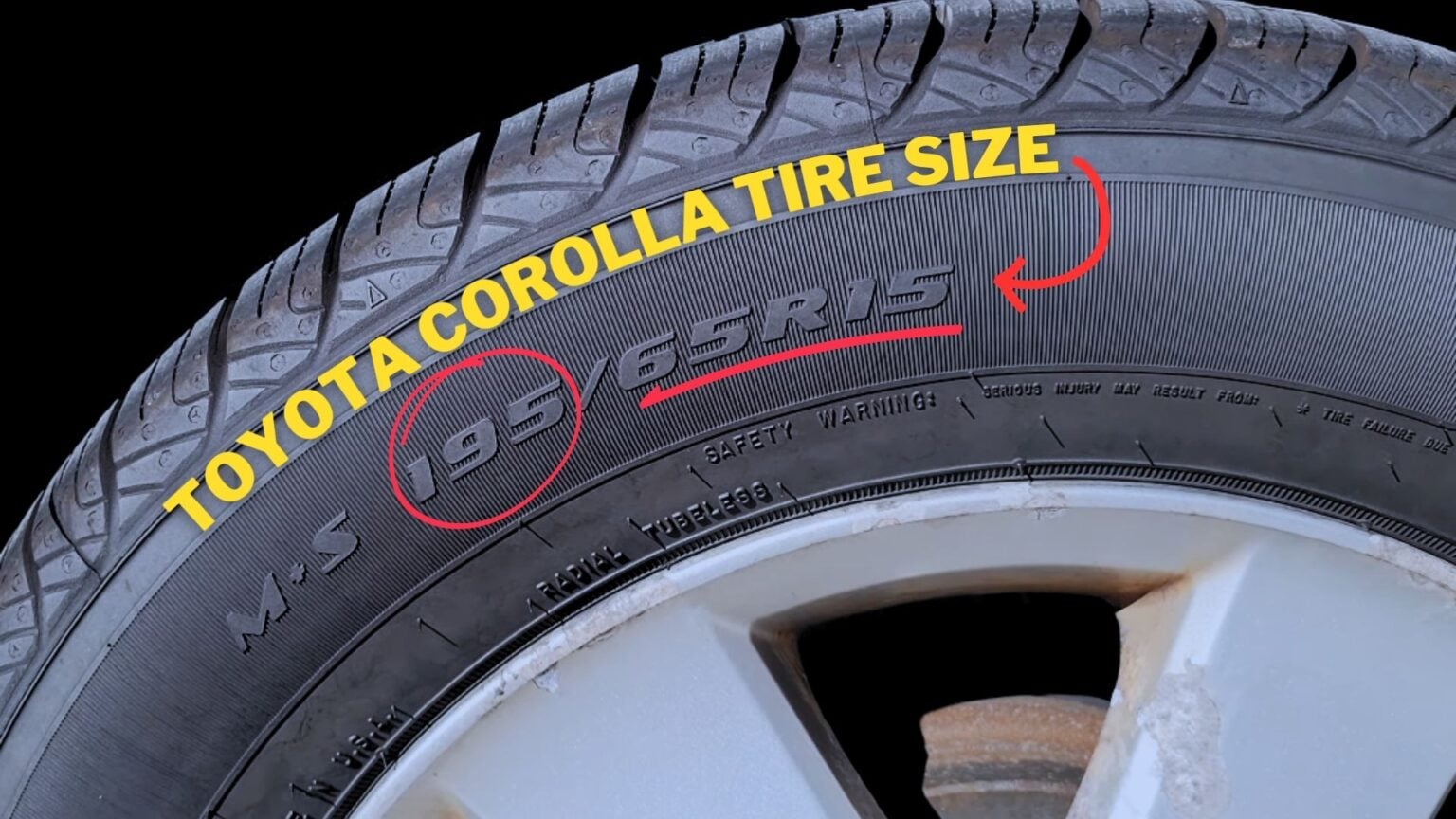
When looking at the sidewall of your current tire, you will see a string of letters and numbers—such as P195/65R15 89S. This alphanumeric code represents the tire's construction, width, aspect ratio, construction type, wheel diameter, load index, and speed rating. Let us examine how these specifications map directly to the 2018 Corolla lineup.
Base, L, LE, and LE Eco Trims
The entry-level and mainstream fuel-economy variants of the 2018 Corolla focus heavily on ride comfort, rolling resistance reduction, and longevity.
- Factory Tire Size: 195/65R15
- Wheel Size: 15-inch steel or optional alloy wheels
- Characteristics: The 65-aspect-ratio sidewall is relatively tall, which cushions the cabin against rough road surfaces, potholes, and expansion joints. These tires offer a smooth, quiet ride and contribute heavily to the high fuel economy ratings associated with the Corolla.
SE and XLE Trims
Stepping up to the mid-tier and luxury-leaning trims introduces slightly larger wheels that sharpen steering response and enhance the exterior stance of the vehicle.
- Factory Tire Size: 205/55R16
- Wheel Size: 16-inch styled steel wheels (SE) or machined alloy wheels (XLE)
- Characteristics: The 205 millimeter width provides a larger contact patch than the base 195 tire, resulting in improved cornering grip. The 55 aspect ratio balances responsiveness with enough sidewall cushion to absorb moderate road imperfections.
SE 17-Inch Wheel Package and Special Editions
For drivers who prefer a sportier aesthetic and more dynamic handling characteristics, Toyota equipped select variants with larger 17-inch wheels.
- Factory Tire Size: 215/45R17
- Wheel Size: 17-inch machined alloy wheels
- Characteristics: This lower-profile tire features a 45 aspect ratio, which significantly stiffens the sidewall. The result is sharper turn-in, reduced body roll during aggressive cornering, and a firmer ride quality.
2018 Toyota Corolla Factory Tire Specifications Reference
To make identification straightforward, the following table summarizes the original equipment manufacturer (OEM) tire specifications by trim level for the 2018 Toyota Corolla.
| Trim Level | Factory Tire Size | Wheel Diameter | Load Index / Speed Rating | Typical Application Focus |
|---|---|---|---|---|
| Base, L, LE | P195/65R15 | 15 inches | 89S or 89H | Maximum comfort, fuel economy, smooth ride |
| LE Eco | P195/65R15 | 15 inches | 89H (Low Rolling Resistance) | Optimized fuel efficiency, low aerodynamic drag |
| SE (Standard), XLE | P205/55R16 | 16 inches | 91H | Balanced handling, comfort, and wet traction |
| SE (17-inch Package), XSE | P215/45R17 | 17 inches | 87V or 87W | Sporty handling, responsive steering, grip |
Locating and Verifying Your Specific Tire Size
Never rely solely on generalized online guides when purchasing replacement tires. Vehicle manufacturers occasionally introduce mid-year running changes, and previous owners may have altered the wheel and tire setup. You can verify your exact 2018 Corolla tire requirements through three reliable methods:
- The Driver's Door Placard: Open the driver-side front door and look at the white and yellow certification placard affixed to the B-pillar. This sticker lists the exact original tire sizes, front and rear cold inflation pressures, and the vehicle's maximum load capacity.
- The Tire Sidewall: Walk out to your vehicle and inspect the outer sidewall of your current tires. Look for the standardized Tire Industry Association sequence (e.g.,
205/55R16). - Owner's Manual: Consult the technical specifications section of your physical or digital 2018 Toyota Corolla owner's manual.
Correct Cold Tire Pressure (PSI) for the 2018 Corolla
Maintaining proper tire inflation is critical for maximizing tread life, ensuring even contact with the road, and preserving fuel economy. Under-inflation generates excessive internal heat, leading to premature tread wear and potential tire failure, while over-inflation reduces the contact patch, diminishing grip and resulting in a harsh, bouncy ride.
For the 2018 Toyota Corolla, the recommended cold tire pressure varies slightly by trim and tire size:
- 15-inch tires (P195/65R15): Typically set to 32 PSI (pounds per square inch) for both front and rear tires under standard loads.
- 16-inch tires (P205/55R16): Typically set to 32 PSI for both front and rear.
- 17-inch tires (P215/45R17): Typically set to 33 to 35 PSI depending on the specific load rating and high-speed rating requirements.
Always measure tire pressure when the tires are "cold"—meaning the car has been driven less than a mile, or has sat parked for at least three hours. Driving generates friction that heats the air inside the tire, artificially raising pressure readings by 3 to 5 PSI.
Choosing Replacement Tires: Categories and Considerations
When your factory tires reach the end of their usable tread life (typically measured at a depth of 2/32 of an inch or less), you will need to evaluate replacement options based on your local climate, driving style, and budget.
All-Season Tires
All-season tires are the factory default for most passenger cars sold in North America. They offer a balanced compromise, delivering acceptable performance across dry summer roads, wet rain conditions, and light winter flurries. For most daily commuters driving a 2018 Corolla, a reputable grand-touring all-season tire provides the best blend of low road noise, long tread life (often backed by 50,000 to 80,000-mile warranties), and reliable year-round capability.
Touring vs. Performance Tires
- Grand Touring Tires: Focus on ride comfort, low noise, and extended treadwear. Excellent matches for LE and XLE trims.
- High-Performance All-Season or Summer Tires: Tailored for the SE and XSE trims. These tires prioritize dry and wet cornering grip, steering feedback, and stability at highway speeds, though they may wear out slightly faster and generate marginally more road noise.
Winter and Snow Tires
If you live in a region that experiences heavy snowfall, freezing temperatures, and icy roads for several months out of the year, all-season tires cannot match the safety of dedicated winter tires. Winter rubber compounds remain flexible in temperatures below 45°F (7°C) and feature thousands of microscopic biting edges (sipes) designed to grip snow and slush. Many Corolla owners in northern climates opt to mount dedicated winter tires (such as a 195/65R15 or 205/55R16 alternative size approved for winter use) on separate steel wheels for the cold season.
Frequently Asked Questions
Can I put 16-inch tires on a 2018 Corolla that came with 15-inch wheels?
No, you cannot mount a 16-inch tire onto a 15-inch wheel. The rim diameter of the tire must match the wheel diameter exactly. However, if you purchase a complete set of 16-inch wheels (rims) designed for the 2018 Corolla, you can upgrade your vehicle to the factory 205/55R16 size, provided your suspension and brake clearances support it.
What happens if I install the wrong tire size on my Corolla?
Installing an incorrect tire size can negatively affect your speedometer and odometer accuracy, as the revolutions per mile will change. It can also trigger errors in safety systems like ABS (Anti-lock Braking System) and traction control, reduce fuel economy, and cause the tire to rub against the vehicle's fender liners or suspension components during sharp turns.
Do I need to replace all four tires at once on my 2018 Corolla?
While replacing all four tires simultaneously ensures balanced handling and uniform grip, you can replace tires in axle pairs (front two or rear two) if the remaining tires still have substantial tread depth. Always mount the new tires on the rear axle to help maintain vehicle stability and prevent oversteer on slippery roads, regardless of whether your Corolla is front-wheel drive.
How often should I rotate the tires on a 2018 Corolla?
Toyota recommends rotating your tires every 5,000 miles, or at the time of every oil change. Front-wheel-drive vehicles like the Corolla naturally wear the front tires faster due to steering forces and engine weight transfer. Regular rotation ensures even tread wear and extends the overall lifespan of the set.
What is the minimum legal tread depth for car tires?
In most jurisdictions, the legal minimum tread depth is 2/32 of an inch. However, safety experts recommend replacing tires when tread reaches 4/32 of an inch, especially if you frequently drive in wet weather, as lower tread depths drastically increase the risk of hydroplaning.
Practical Next Actions
Before purchasing new tires for your 2018 Toyota Corolla, confirm your exact trim level and inspect your current tire sidewalls to verify the dimensions match your driving needs. Check your existing tread depth using a tread depth gauge or the traditional penny test, and inspect your tire pressure monthly to ensure optimal performance, safety, and fuel economy. Consult a certified tire technician if you plan to alter your wheel diameter or switch to specialized seasonal tires.