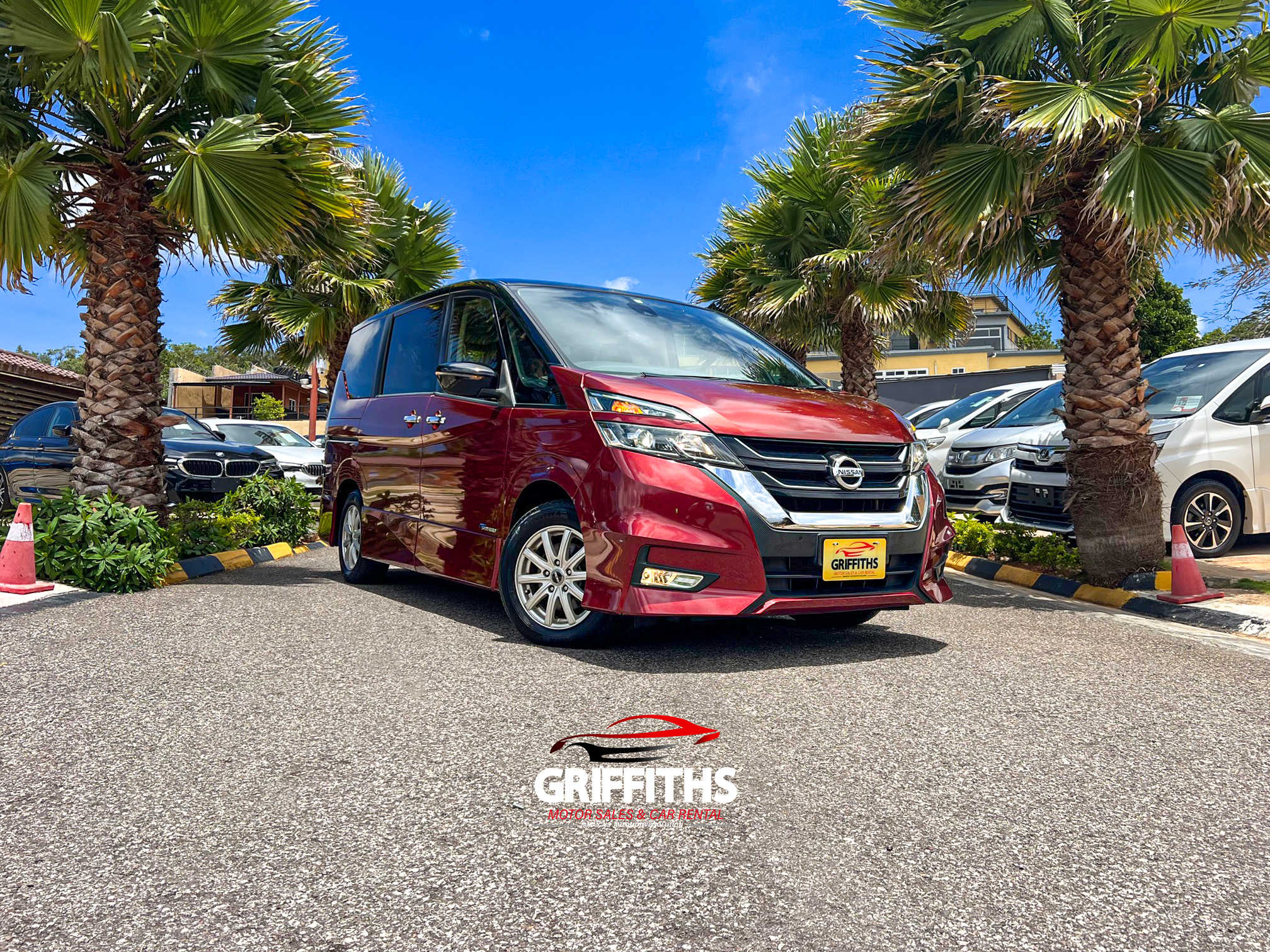
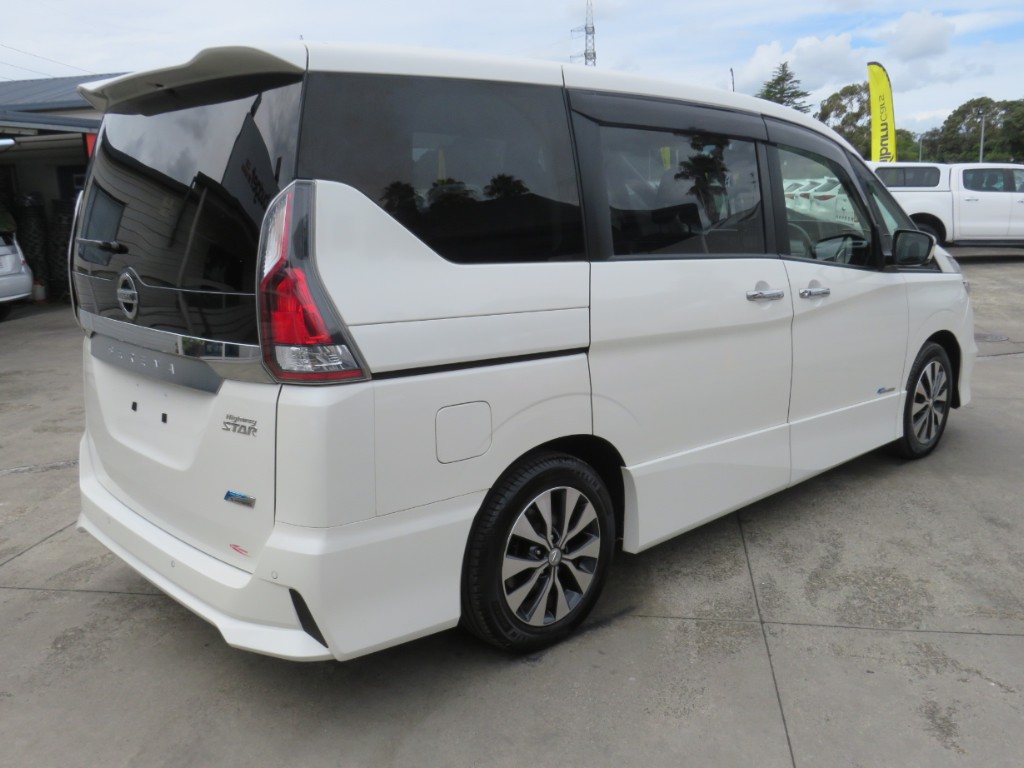
The 2016 Nissan Serena is a versatile mid-sized multi-purpose vehicle (MPV) that serves as a cornerstone of family transportation, particularly in Asian and select global markets. This specific model year is significant because it represents the transition between the fourth-generation (C26) and the fifth-generation (C27) Serena, offering a blend of proven mechanical reliability and pioneering semi-autonomous driving technology.
The Significance of the 2016 Model Year: A Tale of Two Generations
When discussing the 2016 Nissan Serena, it is crucial to distinguish between the two versions available during this calendar year. For the first half of 2016, the C26 generation remained the primary offering. However, in August 2016, Nissan launched the completely redesigned C27 generation in Japan.
The C26 facelift models available in early 2016 focused on refining the S-Hybrid system and enhancing interior comfort. These vehicles are often praised for their mechanical simplicity and "tried-and-tested" nature. Conversely, the late-2016 C27 models introduced a more aggressive "V-motion" grille, a dual-back door, and the revolutionary ProPILOT system. From the perspective of 2026, the C27 models produced in late 2016 remain highly sought after in the used market because they were the first to bring modern driver-assistance features to the mass-market MPV segment.
Powertrain and the S-Hybrid System
The heart of the 2016 Nissan Serena is the 2.0-liter MR20DD direct-injection inline-four engine. This powerplant was engineered specifically for efficiency and smooth delivery in urban environments.
Understanding S-Hybrid Technology
The "S-Hybrid" (Smart Simple Hybrid) system is a defining feature of the 2016 lineup. Unlike full hybrid systems (such as Toyota’s Synergy Drive), the Serena utilizes a mild-hybrid setup. It employs an upgraded ECO motor that acts as both an alternator and a starter motor.
- Energy Regeneration: During deceleration, the ECO motor charges a lead-acid battery dedicated to the hybrid system.
- Torque Assist: The motor provides a small amount of torque (roughly 50Nm) to assist the engine during initial take-off from a standstill, which is when internal combustion engines are least efficient.
- Idling Stop: The system allows for seamless restarts after the vehicle has come to a stop at traffic lights, reducing fuel consumption in heavy congestion.
In 2026, this system is viewed as a reliable middle ground. It does not offer the pure-EV driving modes of modern plug-in hybrids, but it avoids the high replacement costs associated with large lithium-ion battery packs found in full hybrids.
Xtronic CVT Performance
Nissan paired the MR20DD engine with their Xtronic Continuously Variable Transmission (CVT). This transmission is designed to maintain the engine at its most efficient RPM range. While CVTs are sometimes criticized for a "rubber-band" feel, the 2016 Serena's tuning focuses on linear acceleration. By 2026 standards, the transmission requires diligent maintenance—specifically fluid changes every 40,000 to 50,000 kilometers—to ensure longevity and prevent the common "shuddering" issues associated with older CVT units.
Interior Versatility and Family-Centric Design
The primary reason for the Serena's enduring popularity is its interior packaging. Nissan prioritized "omotenashi" (Japanese hospitality) in the cabin layout, ensuring every passenger has adequate space and amenities.
The 8-Seater Configuration
The 2016 Serena features a flexible 2-3-3 seating arrangement. A standout feature is the "Smart Multi-Center Seat" in the second row. This seat is mounted on rails and can slide forward to the first row, serving as a center console, or slide back to create a bench seat in the second row. This allows for a "walk-through" path to the third row, which is essential for parents managing children in car seats.
Zero-Gravity Seats
Introduced in the C27 late-2016 models, the "Zero-Gravity" inspired seats were designed using NASA-derived ergonomics. By providing continuous support from the pelvis to the chest, these seats reduce muscular fatigue during long highway drives. In the older C26 models, the seats are still plush but lack the advanced spinal support architecture of the newer generation.
Cargo and Practicality: The Dual Back Door
A major innovation for the late-2016 (C27) Serena was the Dual Back Door. This feature allows the user to open only the top half of the rear hatch. In tight parking spaces where a full-sized tailgate would hit a wall or another vehicle, the top-half access makes it easy to drop in groceries or small bags.
Technical Specifications Comparison
To better understand the differences within the 2016 model year, the following table compares the early-year C26 and the late-year C27 models.
| Feature | 2016 Serena (C26 Facelift) | 2016 Serena (C27 Launch) |
|---|---|---|
| Engine | 2.0L MR20DD I4 | 2.0L MR20DD I4 |
| Horsepower | ~147 hp | ~150 hp |
| Transmission | Xtronic CVT | Xtronic CVT with Adaptive Shift |
| Safety Tech | Basic VDC, Optional AVM | ProPILOT, Emergency Braking, LI |
| Rear Door | Single-piece Tailgate | Dual Back Door (Two-way) |
| Fuel Economy (JC08) | ~15.4 - 16.0 km/L | ~15.8 - 17.2 km/L |
| Length | 4,685 mm | 4,690 - 4,770 mm |
Safety Innovations and the Debut of ProPILOT
Safety was the primary marketing pillar for the C27 Serena launched in late 2016. It was the first Nissan vehicle to feature ProPILOT, a first-generation semi-autonomous driving system.
How ProPILOT Works
ProPILOT is designed for single-lane use on highways. It uses a sophisticated monocular camera to identify lane markers and the vehicle ahead.
- Steering Control: The system automatically manages steering to keep the vehicle centered in its lane, even through slight curves.
- Intelligent Cruise Control: It maintains a set distance from the car in front, capable of bringing the Serena to a complete stop in traffic and resuming when the driver taps the accelerator.
While ProPILOT in 2016 was less advanced than the systems available in 2026, it marked a turning point for MPVs. Other safety features included the Around View Monitor (AVM), which uses four cameras to create a 360-degree bird's-eye view, making parking this large van significantly easier.
Driving Dynamics and Ride Quality
The Serena is not a performance vehicle; it is tuned for comfort and stability. The suspension consists of MacPherson struts at the front and a torsion beam at the rear. This setup is compact, which allows for a lower floor and more interior room, but it can be slightly firm over sharp bumps when the vehicle is unladen.
The steering is light, making it easy to maneuver in tight urban streets. One of the Serena's greatest strengths is its class-leading glass area. The large windows and thin A-pillars provide excellent outward visibility, which reduces the stress of driving a high-occupancy vehicle. In 2026, many drivers still prefer the 2016 Serena over modern SUVs because the "commanding" view of the road is superior to many crossovers with rising beltlines and small rear windows.
Maintenance and Reliability: A 2026 Perspective
A decade after its release, the 2016 Nissan Serena has a well-documented reliability record. For potential buyers or current owners in 2026, several key areas require attention to keep the vehicle operational.
1. CVT Fluid Management
The Xtronic CVT is the most sensitive component. To avoid premature failure, the fluid must be changed according to the "severe" maintenance schedule, especially if the van is used for frequent short trips or in hilly terrain.
2. Dual Battery System
The S-Hybrid system uses two batteries: a main battery for the engine and a smaller sub-battery for the hybrid and idle-stop functions. In 2026, many 2016 models may be on their third or fourth set of batteries. It is essential to replace both at the same time to ensure the ECO motor functions correctly.
3. Sliding Door Actuators
The power sliding doors are a highlight of the Serena, but the electric motors and cables can wear out over ten years. Keeping the door tracks clean and lubricated is a simple preventative measure that saves on costly repairs.
4. Engine Carbon Buildup
As a direct-injection engine, the MR20DD can be prone to carbon buildup on the intake valves over long periods. Using high-quality fuel and occasional fuel system cleaners can help maintain performance and fuel economy.
Comparison with Competitors
In 2016, the Serena faced stiff competition from the Toyota Noah/Voxy and the Honda Stepwgn.
- Vs. Toyota Noah/Voxy: The Toyota models offered a "full" hybrid system with better fuel economy, but the Serena was often praised for having a more premium interior feel and more flexible second-row seating.
- Vs. Honda Stepwgn: The Honda featured the unique "Waku Waku" door (a tailgate that opens both up and sideways) and a 1.5L turbo engine. The Serena countered with its ProPILOT technology and a more spacious third row.
Final Recommendation
The 2016 Nissan Serena remains a benchmark for practical family transportation. If you are looking for a used example in 2026, the late-2016 C27 models are the superior choice due to the inclusion of ProPILOT and the Dual Back Door. However, the early-2016 C26 models represent excellent value for those who prioritize a simpler mechanical layout and a lower purchase price. Regardless of the version, the Serena's "Smart" seating and exceptional visibility make it one of the most user-friendly vans ever produced.
FAQs
Is the 2016 Nissan Serena S-Hybrid a "real" hybrid? No, it is a mild-hybrid. The S-Hybrid system uses a small ECO motor to assist with energy regeneration and initial acceleration. It cannot power the vehicle on electricity alone like a Toyota Prius or a modern EV. Its main benefit is improving fuel efficiency during stop-and-go city driving.
What is the fuel consumption of a 2016 Serena in real-world driving? While the official JC08 rating is around 15-17 km/L, real-world consumption typically ranges between 10 and 12 km/L in urban settings and up to 14 km/L on the highway. Factors such as passenger load and air conditioning usage significantly impact these figures.
Can the 2016 Nissan Serena fit three child seats? Yes. Due to the wide cabin and the sliding second-row seats, the Serena is one of the few vehicles in its class that can comfortably accommodate three ISOFIX child seats across the second and third rows, depending on the specific seat models used.
Does the 2016 Serena support Apple CarPlay or Android Auto? The original factory head units in 2016 did not typically support these features. However, because the Serena uses a standard double-DIN radio slot, many owners in 2026 have upgraded to aftermarket units that provide modern smartphone connectivity.
Is ProPILOT standard on all 2016 Serena C27 models? No, ProPILOT was initially offered as an option or included in higher-tier trims like the Highway Star G. When purchasing a used 2016 C27, look for the blue ProPILOT button on the right side of the steering wheel to confirm the system is installed.
For a final action, those considering a 2016 Serena in 2026 should prioritize a pre-purchase inspection of the CVT and the dual-battery charging system. Ensuring these two components are in good health will likely provide several more years of reliable family service.