The 2016 Kia Picanto generally carries a four-star Euro NCAP safety rating, a score established during its second-generation (TA) lifecycle. While it offers robust structural integrity and essential features like Electronic Stability Control and six airbags in most European trims, its rating reflects 2011 testing standards, which lack the advanced active collision-avoidance requirements of the mid-2020s.
The Global Safety Standing of the 2016 Kia Picanto
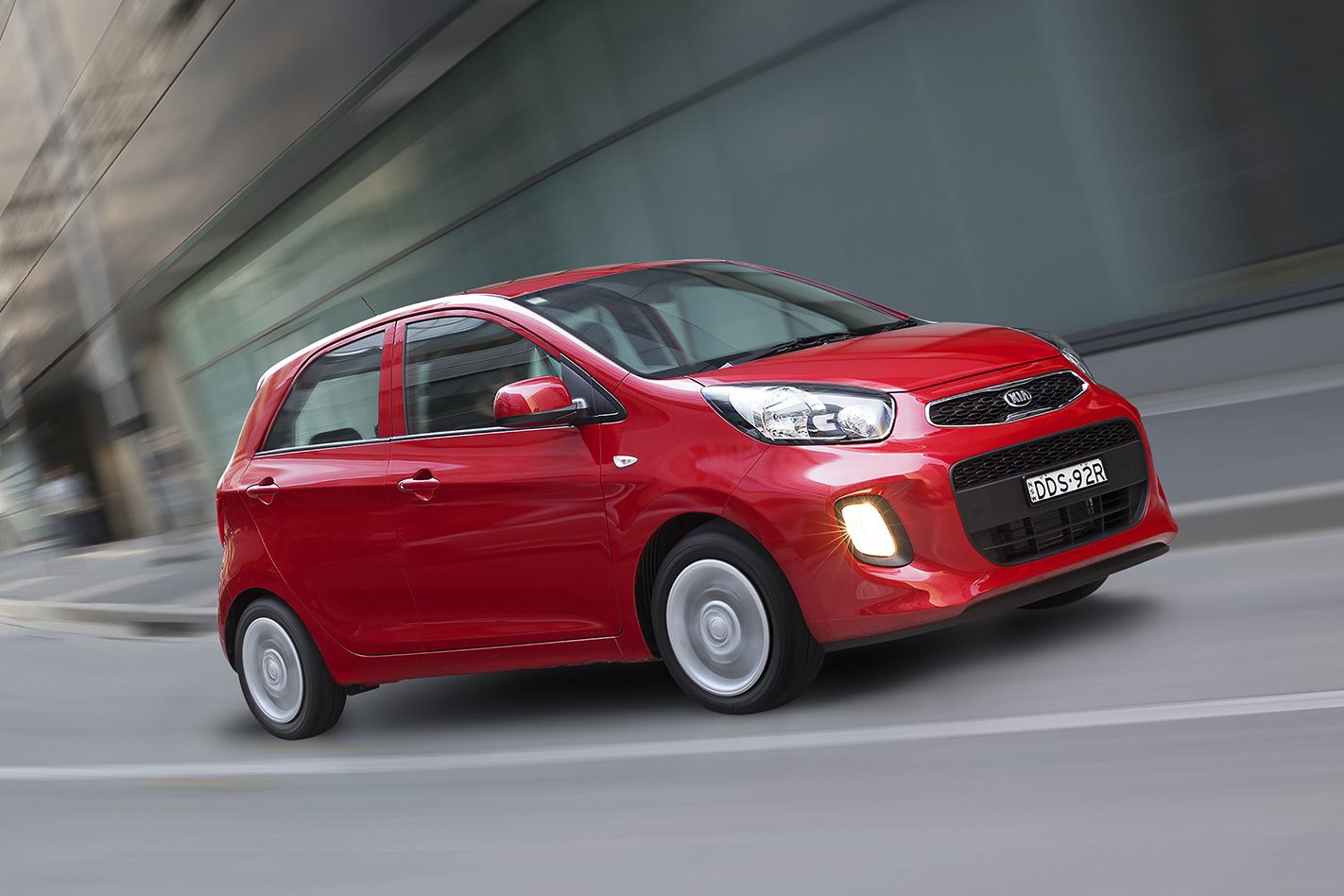
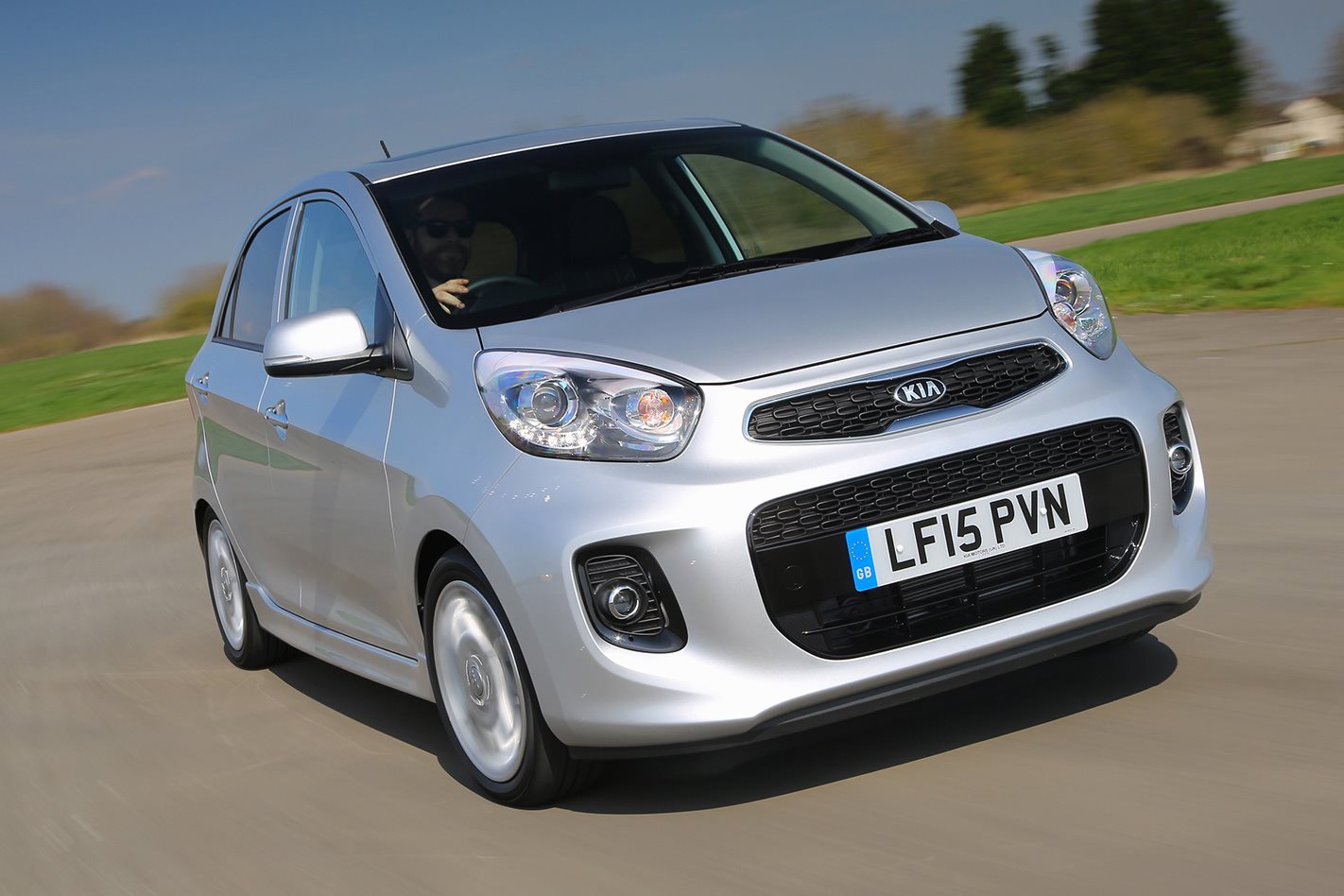
When evaluating the safety of the 2016 Kia Picanto, it is essential to recognize that this vehicle belongs to the second generation (TA) of Kia's A-segment city car. By 2016, the Picanto had undergone a mid-cycle facelift, which introduced minor aesthetic changes and, more importantly, some refinements to the safety equipment available across various global markets. However, the foundational safety rating most often cited for this model year is based on the Euro NCAP assessment conducted earlier in the generation's life.
In the European market, the 2016 Picanto was praised for offering a comprehensive suite of safety features that were often optional or unavailable in competing city cars. Despite its small stature, Kia engineered the vehicle to meet stringent European standards, achieving high scores in adult and child occupant protection. However, when viewed from the perspective of 2026, the vehicle’s safety profile is defined by its "passive" strengths rather than "active" preventative technologies.
Regional Variations and Testing Discrepancies
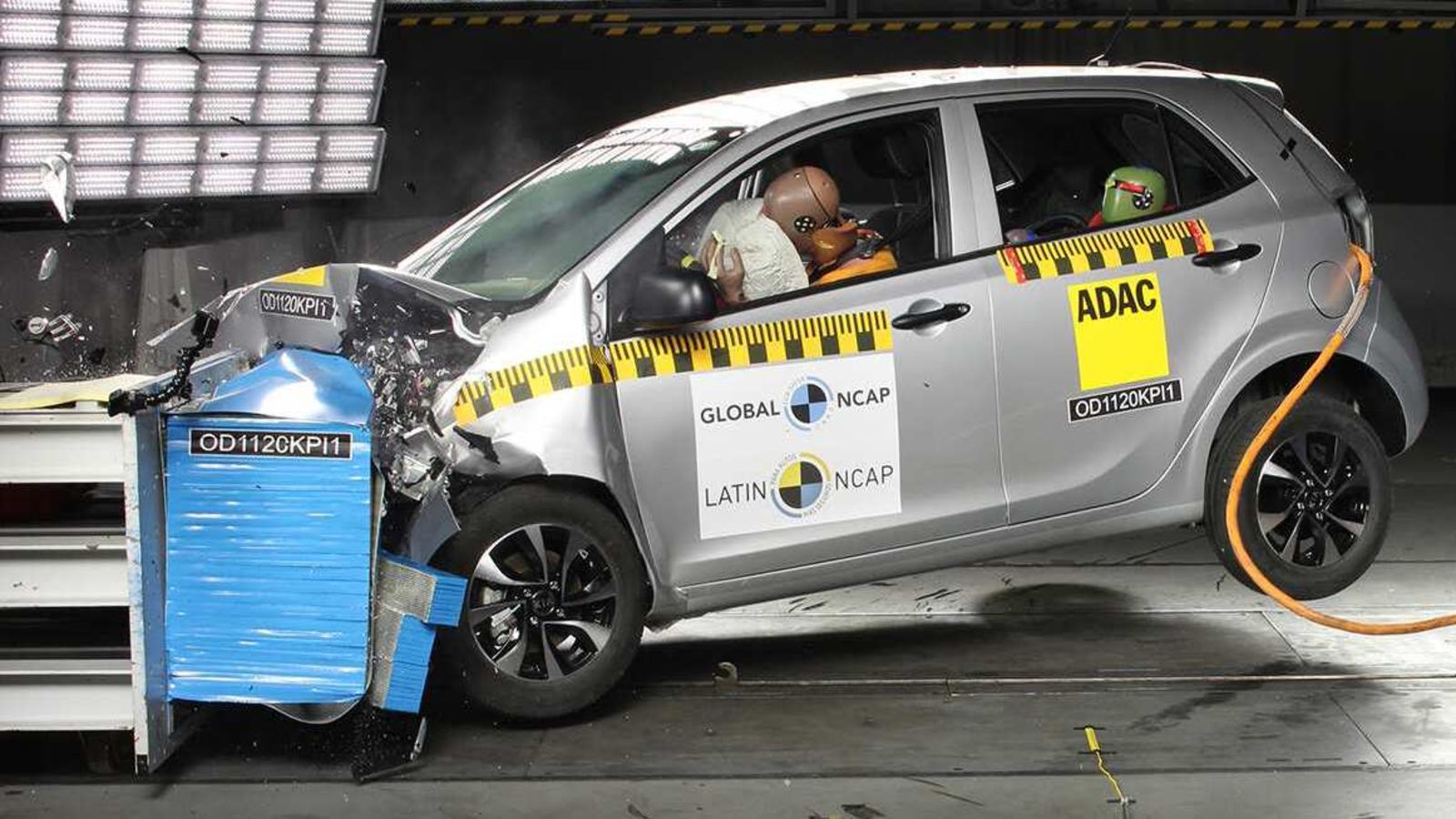
One of the most critical aspects of the 2016 Kia Picanto's safety overview is the stark difference in ratings across different geographical regions. While the European (Euro NCAP) and Australian (ANCAP) versions performed well, the model sold in Latin America faced significant criticism.
- Euro NCAP (Europe): 4 Stars.
- ANCAP (Australasia): 5 Stars (achieved via local testing and equipment specifications specific to the Australian market).
- Latin NCAP (Latin America): 0 Stars. This alarming discrepancy was primarily due to the omission of airbags and Electronic Stability Control (ESC) in base models sold in emerging markets at that time.
For a prospective buyer or researcher in 2026, it is vital to verify the specific origin and trim level of a 2016 Picanto, as the physical presence of safety hardware (like side-curtain airbags) varies significantly by territory.
Detailed Crash Test Performance
To understand how the 2016 Kia Picanto protects its occupants, one must look at the specific data points provided by crash-testing bodies. These tests simulate the most common and dangerous types of road accidents.
Adult Occupant Protection (86%)
The 2016 Picanto performed admirably in frontal-impact tests. The passenger compartment remained stable during the 64 km/h offset frontal crash. Dummy readings indicated good protection of the knees and femurs of both the driver and passenger. Kia demonstrated that the dashboard structure did not pose a significant risk of injury to occupants of different sizes or those sitting in different positions.
In the side barrier test—simulating a collision with another vehicle—the Picanto scored maximum points, providing good protection for all critical body areas. However, in the more severe side pole impact test, protection of the chest was rated as "adequate" rather than "good" due to the limited crumple zone inherent in a city car's width.
Child Occupant Protection (83%)
Child safety was a strong suit for the Picanto. In both frontal and side impacts, the 2016 model provided good protection for children aged 18 months to 3 years. The front passenger airbag could be disabled to allow for a rearward-facing child restraint, and the status of the airbag was clearly communicated to the driver—a detail that Euro NCAP heavily weighted in its assessment.
Pedestrian Protection (47%)
Like many small cars with short hoods, pedestrian protection was the Picanto's weakest category. While the bumper provided good protection to pedestrians' legs, the front edge of the hood was rated as poor in nearly all areas tested. The protection offered by the hood to the head of a struck child was mostly "adequate," but the stiff windshield pillars remained a significant hazard.
Standard and Optional Safety Equipment
By 2016, Kia had standardized several safety technologies in the Picanto for the UK and European markets. Understanding what is "under the skin" helps explain how the car manages kinetic energy during a crash.
Passive Safety Features
- Six-Airbag System: Most 2016 models in developed markets came standard with dual front airbags, front side airbags, and full-length curtain airbags. Some high-spec trims also included a driver’s knee airbag.
- High-Strength Steel: The 2016 model utilized a significant percentage of high-strength steel in the B-pillars and floor rails to prevent cabin intrusion.
- Seatbelt Pretensioners: These were standard for the front seats, ensuring that the belt tightened instantly during a detected collision to keep the occupant in the optimal position for airbag deployment.
Active Safety and Braking
- Electronic Stability Control (ESC): This system was standard in most regions by 2016. It uses sensors to detect a loss of traction and applies individual brakes to help steer the car back on course.
- Vehicle Stability Management (VSM): An extension of ESC, VSM coordinates the car’s steering and stability control to keep the vehicle stable when braking on surfaces with different levels of grip (e.g., one side of the car on wet grass and the other on dry tarmac).
- Emergency Stop Signal (ESS): In a heavy braking event, the car automatically flashes its hazard lights to warn following drivers, reducing the risk of rear-end collisions.
- Hill-start Assist Control (HAC): While primarily a convenience feature, HAC prevents the car from rolling backward on inclines, which is a minor but relevant safety benefit in urban environments.
| Safety Feature | Availability (EU/UK 2016 Spec) | Importance Rating |
|---|---|---|
| Frontal Airbags | Standard | Critical |
| Side & Curtain Airbags | Standard (most trims) | High |
| Electronic Stability Control (ESC) | Standard | Critical |
| Anti-lock Braking System (ABS) | Standard | Critical |
| ISOFIX Child Seat Mounts | Standard (Outer Rear) | High |
| Autonomous Emergency Braking (AEB) | Not Available | Modern Standard |
| Lane Departure Warning | Not Available | Modern Standard |
Structural Integrity: The Physics of a City Car
A common concern with the 2016 Kia Picanto is its size. In the realm of automotive safety, physics dictates that in a collision between two vehicles of unequal mass, the smaller vehicle usually experiences higher deceleration forces.
To counteract this, Kia engineers focused on the "crumple zone" efficiency. The 2016 Picanto uses a reinforced "A" pillar and a ring-shaped structure around the door openings to channel impact energy away from the occupants. While it cannot overcome the laws of physics when pitted against a heavy SUV, its structural integrity is superior to many older or budget-oriented subcompacts.
In 2026, as vehicles have generally become heavier due to electrification, the 2016 Picanto occupies a vulnerable position. While its crash test results were respectable for its era, the "compatibility" of its safety structures with modern, 2.5-ton electric vehicles is a point of consideration for safety-conscious buyers.
Limitations and Missing Features (2026 Context)
When analyzing the 2016 Kia Picanto safety rating overview from the current year of 2026, we must address what the vehicle lacks compared to contemporary safety expectations. The automotive industry underwent a "safety revolution" between 2017 and 2022, introducing technologies that the 2016 Picanto simply does not have.
Absence of ADAS (Advanced Driver Assistance Systems)
The 2016 Picanto does not feature Autonomous Emergency Braking (AEB). In modern testing, a car cannot achieve a high rating without the ability to detect pedestrians or other vehicles and apply the brakes automatically. Similarly, features like Lane Keep Assist (LKA), Blind Spot Monitoring, and Rear Cross-Traffic Alert were not available on this generation of the Picanto.
Evolution of Crash Test Protocols
It is a common misconception that a 4-star rating from 2011 is equivalent to a 4-star rating today. ANCAP and Euro NCAP increase the difficulty of their tests every two to three years. If the 2016 Picanto were tested under 2026 protocols, it would likely receive a much lower score—not because the car became less safe, but because the standards for "safety" now include preventing the accident from happening in the first place.
Maintenance of Safety Systems in 2026
For those currently operating a 2016 Kia Picanto, maintaining the integrity of its safety systems is paramount. Safety hardware can degrade over a decade.
- Airbag Readiness: Ensure the SRS (Supplemental Restraint System) light on the dashboard illuminates briefly during startup and then turns off. If it stays on, the airbags may not deploy in an accident.
- Tire Quality: Safety ratings assume the vehicle has adequate grip. In a small car like the Picanto, high-quality tires are essential for the ESC and ABS systems to function correctly.
- Brake System Health: The 2016 Picanto often uses a mix of disc brakes at the front and drums at the rear (depending on the engine). Regular fluid flushes are necessary to maintain the hydraulic pressure required for emergency stops.
Comparison with 2016 Competitors
To provide a balanced overview, we must compare the Picanto with its peers from the same era, such as the Hyundai i10, the Volkswagen Up!, and the Toyota Aygo.
- Hyundai i10 (2016): Sharing a platform with the Picanto, the i10 offered very similar safety performance, also earning a 4-star Euro NCAP rating. The i10 was often noted for having a slightly more composed feel at high speeds, which contributes to "active" safety.
- Volkswagen Up! (2016): The Up! managed a 5-star rating in 2011, partly due to the early introduction of "City Emergency Braking"—a primitive form of AEB that was ahead of its time for the segment.
- Toyota Aygo (2016): The Aygo (and its siblings the Citroën C1 and Peugeot 108) typically earned 3 to 4 stars depending on the year of assessment and the inclusion of "Safety Sense" packages.
Frequently Asked Questions
Does the 2016 Kia Picanto have ISOFIX points?
Yes, the 2016 Kia Picanto comes standard with two ISOFIX anchor points on the outer rear seats. These allow for the secure and easy installation of compatible child seats. It also includes top-tether anchorages to prevent the seat from tipping forward in a frontal impact.
How many airbags does a 2016 Kia Picanto have?
In most Western markets (UK, EU, Australia), the 2016 Picanto is equipped with six airbags as standard: two front airbags, two front-side airbags, and two curtain airbags that cover both the front and rear rows. Some specific trims may include a seventh airbag for the driver's knees. However, base models in some international markets may have as few as zero or two airbags.
Is the 2016 Kia Picanto safe for highway driving?
While the 2016 Picanto is structurally sound for its class, it is primarily designed as a city car. On high-speed highways, its light weight makes it more susceptible to crosswinds and turbulence from large trucks. Its safety systems are effective at highway speeds, but the vehicle lacks the mass and advanced driver assistance features found in larger sedans or SUVs.
What is the difference between the 2016 and 2017 Picanto safety?
Late 2016 saw the transition toward the third-generation (JA) Picanto, which officially launched for the 2017 model year. The 2017 model introduced a more rigid body structure and the option for Autonomous Emergency Braking (AEB). If safety is the primary concern, the newer generation (2017+) offers a measurable step up in active safety technology.
Was there ever a safety recall for the 2016 Kia Picanto?
There have been various regional recalls for Kia Picanto models of this era, ranging from fuel neck issues to parking brake components. Owners should use their Vehicle Identification Number (VIN) to check official government recall databases (such as the DVSA in the UK or the Department of Infrastructure in Australia) to ensure all safety-related repairs have been completed.
Practical Recommendation
The 2016 Kia Picanto remains a "safe" choice within the context of 2016-era city cars, provided you are looking at a model equipped with the full suite of European-standard safety features. Its 4-star Euro NCAP rating reflects a car that handles impacts well for its size.
However, for a driver in 2026, the lack of Autonomous Emergency Braking is the most significant drawback. If you are choosing between a 2016 model and a slightly newer 2017 or 2018 model, the newer generation's availability of AEB and improved structural rigidity makes it a significantly safer investment for modern road conditions. If staying with the 2016 model, prioritize the "2" or "3" trim levels (or equivalent regional specs) to ensure the presence of side and curtain airbags.