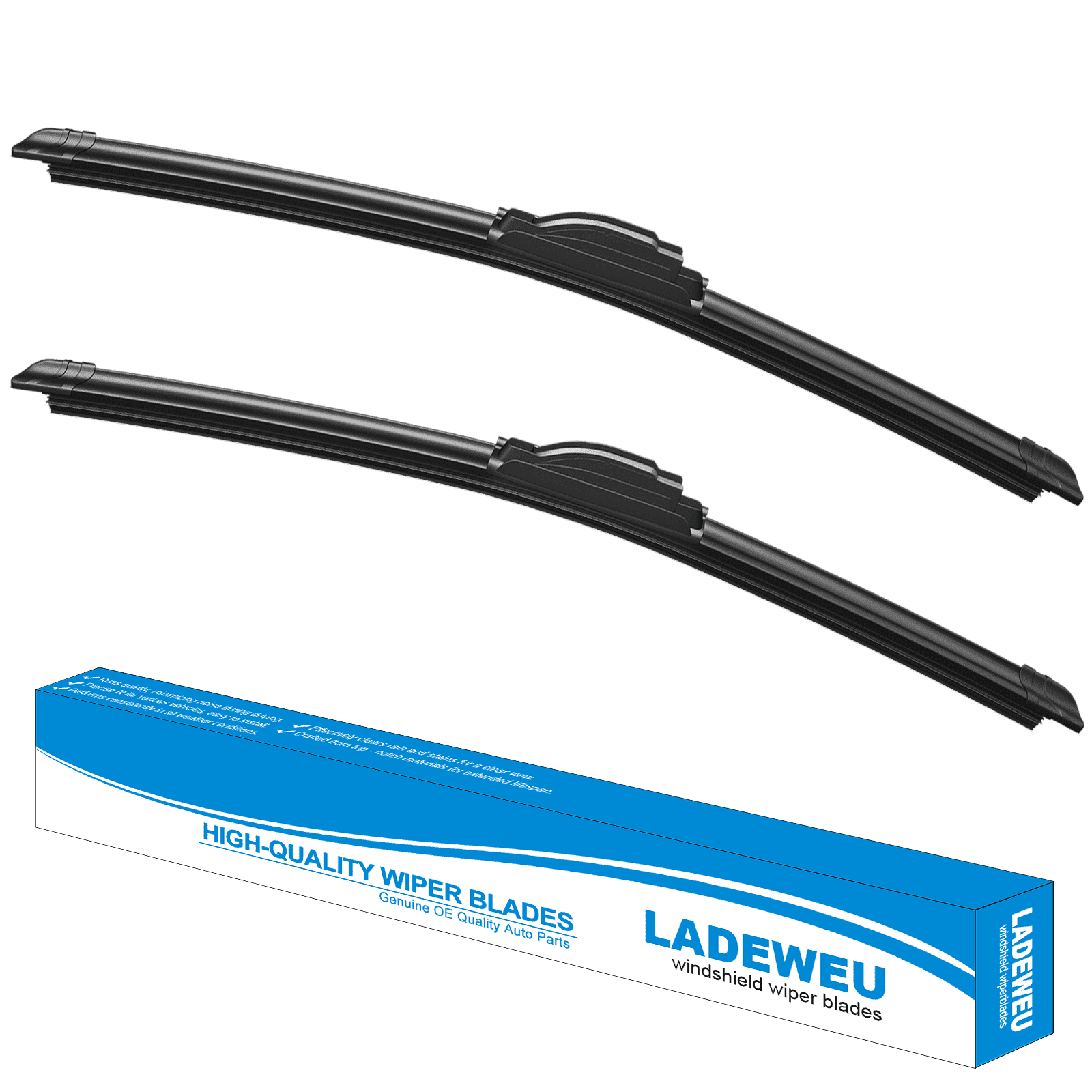
For the 2016 Ford F-150, the standard windshield wiper blade size is 22 inches for both the driver and passenger sides. These vehicles typically utilize a top-button (pinch-tab) connector rather than the traditional J-hook, requiring specific beam-style blades designed for modern aerodynamic truck windshields.
Maintaining clear visibility in a 2016 Ford F-150 is a critical safety requirement, especially as these vehicles reach a decade of service life in 2026. Because the F-150 features a large, relatively upright windshield, the wiper system undergoes significant wind resistance and debris impact. Choosing the correct blade and understanding the underlying mechanical system ensures that your visibility remains uncompromised during heavy rain, snow, or dusty off-road conditions.
Understanding the 2016 Ford F-150 Wiper Specifications
The 2016 model year falls within the 13th generation of the Ford F-150 (2015–2020). This generation introduced several changes to the wiper system compared to previous steel-bodied iterations. The most notable change for owners to recognize is the uniformity of the blade size and the specific attachment mechanism.
Precise Blade Sizing
While many vehicles use staggered lengths (a longer blade for the driver and a shorter one for the passenger), the 2016 F-150 is designed for 22-inch blades on both sides. This symmetry simplifies purchasing but requires that the blades be high-quality "beam" style to maintain consistent pressure across the entire length of the rubber.
The Connector System
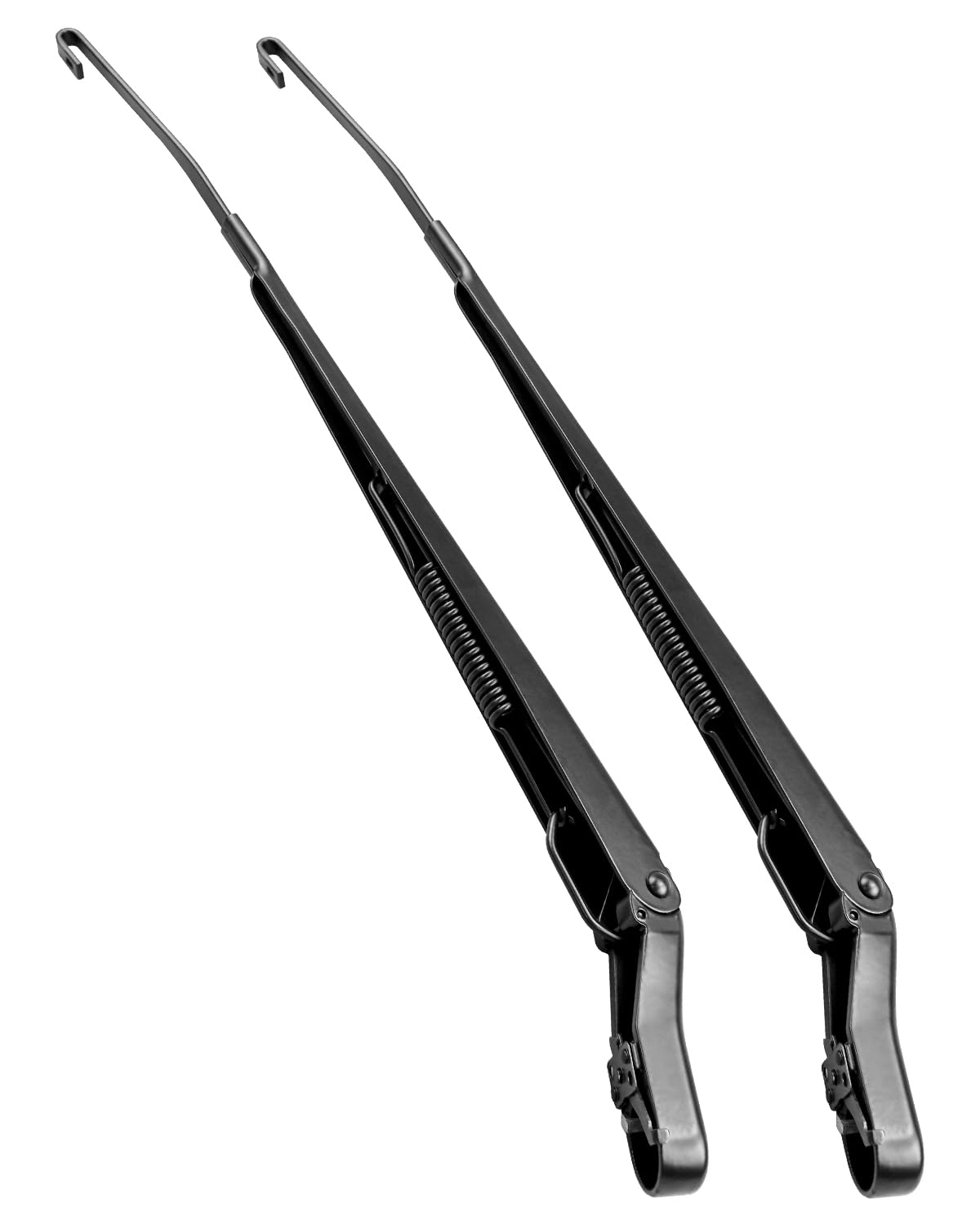
Most 2016 F-150s come equipped with a 19mm Top Button or Pinch Tab connector. Unlike the older "J-Hook" style found on older trucks, this system allows the blade to sit lower on the wiper arm, improving aerodynamics and reducing wind noise at highway speeds. When shopping for replacements, you must ensure the package specifically lists compatibility with "Top Button" or "Pinch Tab" arms, or includes a multi-fit adapter kit.
Selecting the Best Wiper Blades for Your F-150
By 2026, the market for wiper blades has evolved to prioritize synthetic materials over traditional natural rubber. For a full-sized truck like the F-150, the choice of blade material and design impacts how effectively the glass is cleared at speeds above 60 mph.
1. Beam Blades vs. Conventional Blades
Conventional blades use a metal frame and "claws" to press the rubber against the glass. These are generally unsuitable for the 2016 F-150. Beam blades (frame-less) are the standard for this vehicle. They feature a tensioned steel beam inside the rubber housing that conforms to the curve of the F-150’s windshield. They are less prone to ice buildup and provide more uniform pressure.
2. Material Science: Rubber, Silicone, and EPDM
- Natural Rubber: Often found in budget blades. It performs well initially but degrades quickly under the UV exposure common in 2026's climate.
- EPDM (Ethylene Propylene Diene Monomer): This is a synthetic rubber that resists aging, heat, and ozone. Many premium OEM-style blades use EPDM to prevent the rubber from cracking after six months.
- Silicone: Silicone blades are the premium choice. They are more expensive but last 2–3 times longer than rubber. As they wipe, they leave a thin layer of water-repellent polymer on the glass, which helps water bead off even when the wipers are not in use.
3. Top Recommended Brands for the 2016 F-150
- Motorcraft (OEM): Specifically the WW-2242 model. These are the factory-spec blades. They are designed to match the specific arm tension of the Ford F-150.
- Bosch ICON: Widely considered the gold standard for beam blades. The Bosch ICON uses "ClearMax 365" rubber technology and a shielded connector that prevents ice clogs.
- Rain-X Latitude: A popular aftermarket choice that often includes a water-repellency coating built into the blade material.
| Feature | Motorcraft WW-2242 | Bosch ICON | Rain-X Latitude |
|---|---|---|---|
| Blade Type | Beam | Premium Beam | Beam/Hybrid |
| Material | EPDM Rubber | FX Dual Rubber | Synthetic Rubber |
| Connector | Direct Fit (Top Button) | Multi-clip Adapter | Multi-clip Adapter |
| Best For | Factory Performance | Longevity & High Speed | Water Repellency |
| Durability | Moderate (6-12 mos) | High (12+ mos) | Moderate (6-9 mos) |
Step-by-Step Replacement Procedure
Replacing the wipers on a 2016 F-150 does not require tools, but it does require a specific technique to avoid damaging the wiper arm or the windshield.
Prerequisites and Safety
Before you begin, ensure the ignition is off and the wipers are in the "parked" position. Important Caution: Never leave the metal wiper arm standing upright without a blade attached. If it snaps back down, the metal edge can easily crack your windshield, necessitating a costly replacement. Place a folded towel on the glass under the arm for protection.
Removal Process
- Lift the Arm: Gently pull the wiper arm away from the windshield until it locks in a vertical position.
- Locate the Button: On the top of the wiper blade where it meets the arm, you will see a small square plastic button.
- Depress and Slide: Firmly press the button down. While holding it, slide the wiper blade toward the base of the arm (downward).
- Remove: Once the blade clears the locking mechanism, pull it away from the arm.
Installation Process
- Align the Connector: Take your new 22-inch blade and align the center plastic clip with the opening on the wiper arm.
- Insert and Click: Slide the blade upward into the arm's housing until you hear or feel a distinct "click." This indicates the top button has popped back into the locking hole.
- Verify: Give the blade a firm tug to ensure it is locked.
- Lower the Arm: Carefully lower the arm back onto the towel-protected windshield. Repeat the process for the other side.
Troubleshooting Common Wiper Issues
If your 2016 F-150's wipers are underperforming despite having new blades, the issue may lie within the glass surface or the mechanical linkage.
Streaking and Smearing
Streaking is usually caused by a dirty blade or a contaminated windshield. Road film, wax from automatic car washes, and tree sap can build up. Clean the edge of the wiper blades with a paper towel soaked in rubbing alcohol. For the glass, use a dedicated automotive glass stripper or a clay bar to remove embedded contaminants.
Chattering and Skipping
If the wipers "jump" across the glass, the arm may be slightly bent, or the rubber has become "set" in one direction from disuse. Ensure the wiper arm is parallel to the glass. If the arm is twisted, the blade cannot flip over during its cycle, causing it to skip.
The "Ghost Wiping" Problem
A known issue for some F-150s of this era is "ghost wiping," where the wipers turn on by themselves even when the switch is off. This is rarely a blade issue. It is typically caused by a faulty Multi-Function Switch (the turn signal/wiper stalk) or an issue within the Steering Column Control Module (SCCM). If cleaning the switch with contact cleaner doesn't work, the stalk may need replacement.
Advanced Maintenance: The Rain-Sensing System
Higher trim levels of the 2016 Ford F-150 (such as the Lariat, King Ranch, and Platinum) may be equipped with rain-sensing wipers. This system uses an infrared sensor located behind the rearview mirror to detect moisture on the glass.
Maintenance for Rain Sensors
If your rain-sensing wipers are not triggering correctly, ensure the area of the windshield directly in front of the rearview mirror is perfectly clean. Pitted glass or heavy rock chips in this specific zone can scatter the infrared light, causing the system to malfunction. Furthermore, avoid using heavy "rain-repellent" glass treatments directly over the sensor area, as the coating can sometimes interfere with the sensor's ability to "see" individual droplets.
Wiper Motor and Fluid System Health
As the 2016 F-150 ages into 2026, the mechanical components of the wiper system may require attention beyond simple blade swaps.
Checking the Washer Pump and Lines
The washer fluid lines on the F-150 run near the hood hinges. Over a decade of opening and closing the hood, these plastic lines can become brittle and crack. If you hear the pump running but no fluid reaches the glass, check for leaks at the hinge point. Additionally, the spray nozzles on the cowl can become clogged with wax or debris; these can be cleared using a very fine needle.
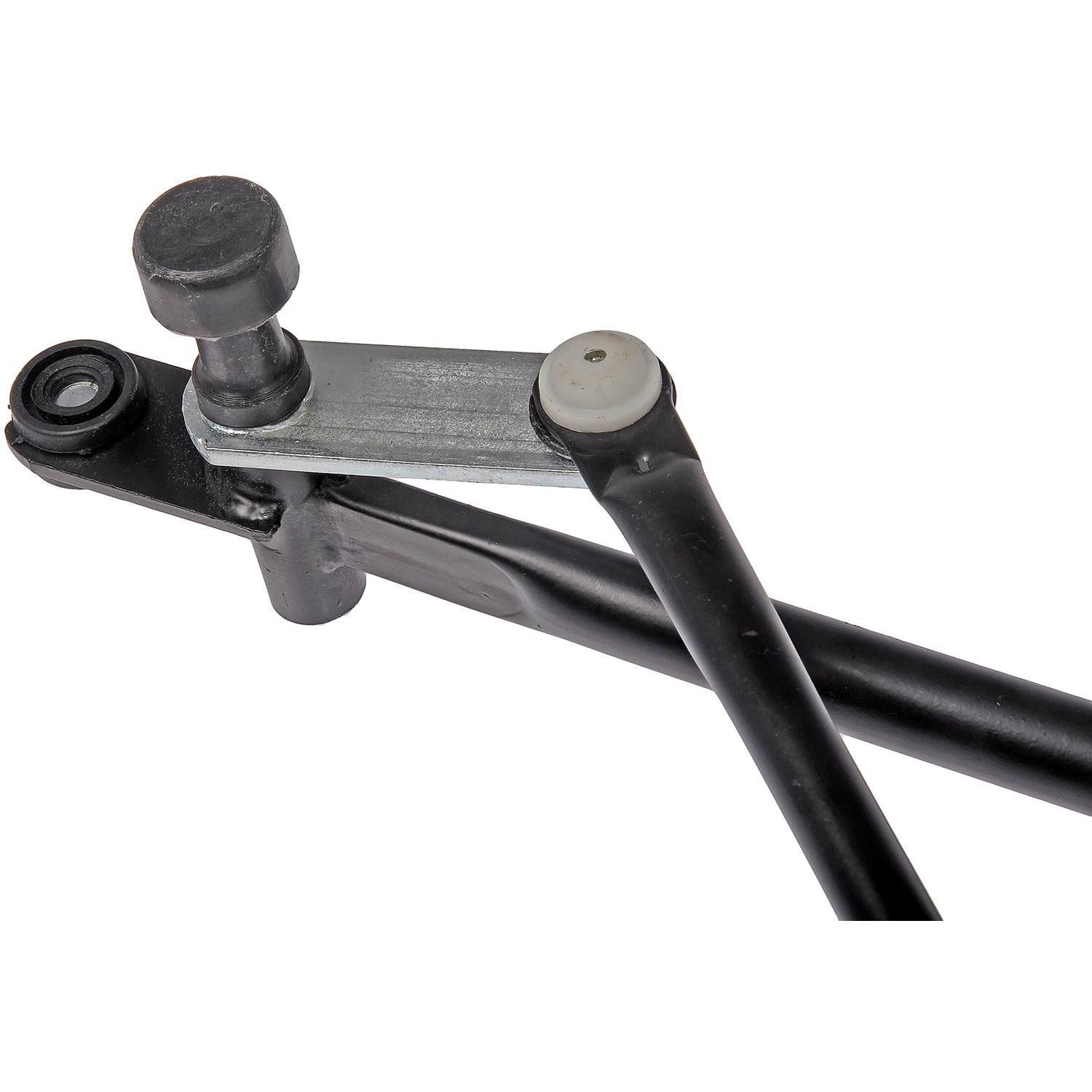
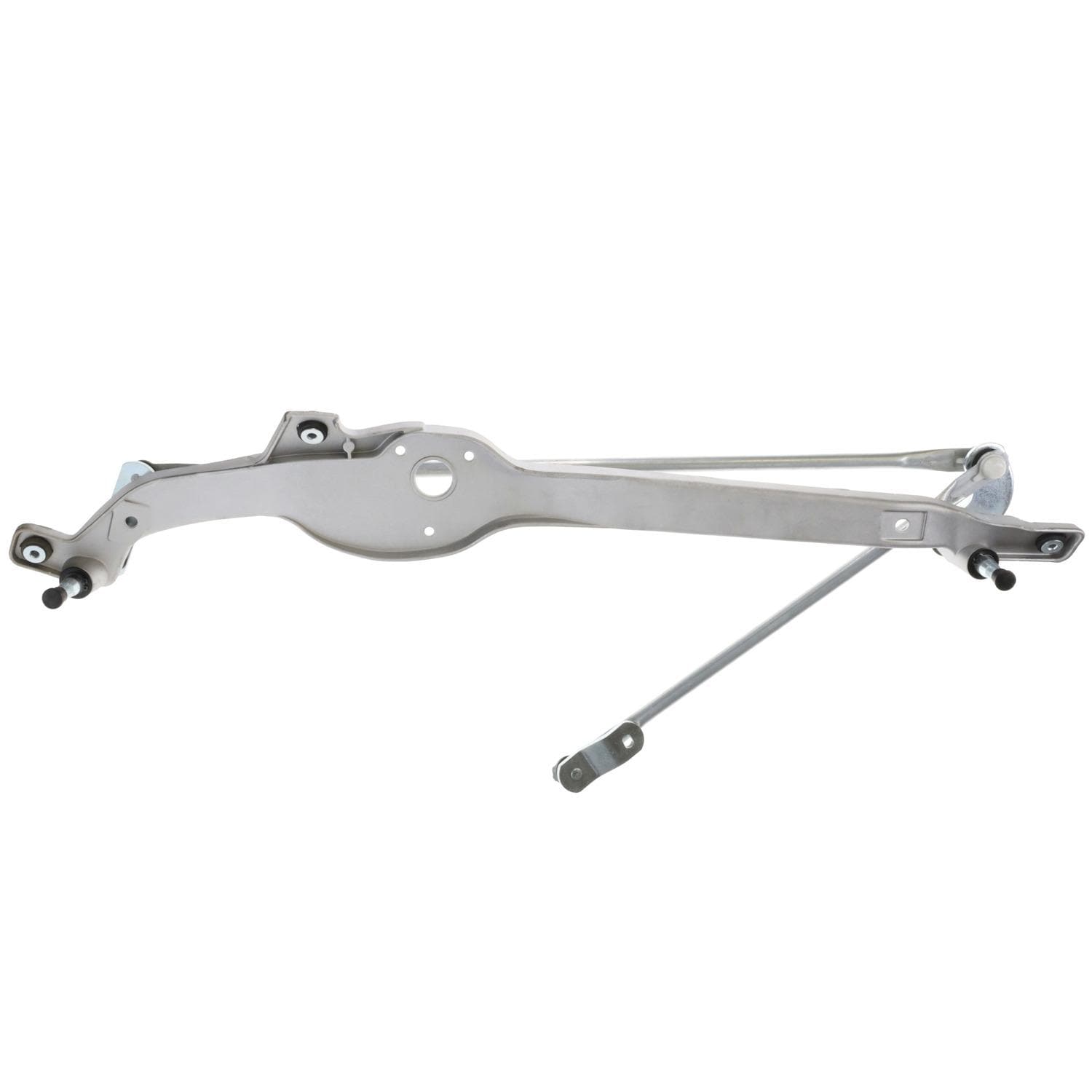
Wiper Transmission and Linkage
If your blades move slowly or get stuck halfway across the glass, the wiper motor or the mechanical linkage (transmission) may be failing. The pivot points in the linkage can seize due to corrosion. Regular lubrication of these pivot points with a silicone-based spray can extend the life of the motor significantly.
FAQs
What is the exact wiper blade size for a 2016 Ford F-150?
The 2016 Ford F-150 requires 22-inch blades for both the driver and passenger sides. Using the incorrect size can lead to the blades hitting the A-pillar or overlapping each other at the base of the windshield.
Can I use J-hook wiper blades on my 2016 F-150?
Only if the blades come with a multi-fit adapter. The factory arms on the 2016 F-150 are designed for a "Top Button" or "Pinch Tab" attachment. Standard J-hook blades will not fit without the specific adapter provided in many aftermarket kits.
Why do my wipers turn on by themselves?
This is a documented issue in several Ford truck models. It is usually caused by internal debris or a short circuit in the multi-function switch (the stalk on the steering column). Replacing the switch is the standard fix for this "ghost wiping" behavior.
How often should I replace my F-150 wipers?
In most climates, wiper blades should be replaced every 6 to 12 months. However, if you live in an area with extreme heat (which dries out rubber) or heavy winter salt (which corrodes the frames), you may need to replace them more frequently. By 2026, high-performance silicone blades have become more common, which can last up to 2 years.
Do I need special wipers for a rain-sensing windshield?
You do not need "special" blades, but you must ensure the blades are high quality and do not leave streaks. Any streak left directly over the sensor (near the rearview mirror) will cause the system to think it is still raining, leading to the wipers running at high speed on a dry windshield.
Summary of Recommendations
To maintain optimal visibility in your 2016 Ford F-150, prioritize the following actions:
- Purchase 22-inch beam blades specifically designed for top-button connectors.
- Opt for EPDM or Silicone materials to ensure the blades can withstand the environmental demands of 2026.
- Clean your windshield thoroughly with a glass stripper before installing new blades to prevent premature wear and chattering.
- Inspect the washer fluid lines at the hood hinges for cracks or leaks, which are common as the vehicle reaches 10 years of age.
Regularly checking the condition of your wiper system is a low-cost way to ensure safety and prevent the mechanical failure of the wiper motor, which is a significantly more expensive repair.