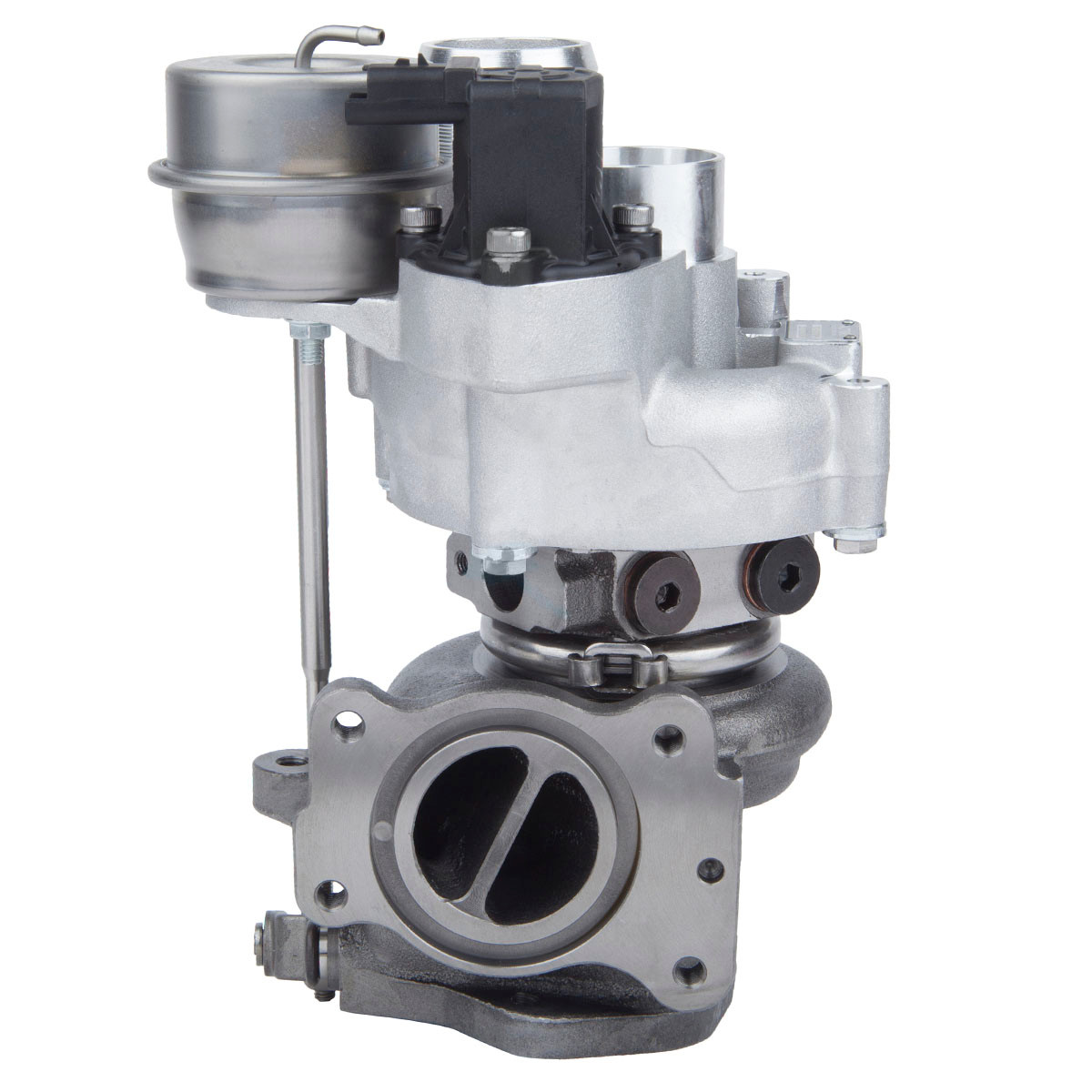
The 2011 Mini Cooper S features a 1.6-liter turbocharged N18 engine, marking a significant reliability upgrade over previous years. Producing 181 horsepower, it offers a blend of go-kart handling and forced-induction efficiency, though it requires meticulous maintenance regarding the timing chain and cooling system to remain dependable in 2026.
The 2011 model year represents a pivotal moment for the Mini brand, specifically the R56 generation (2007–2013). This was the year Mini introduced the "Life Cycle Impulse" (LCI) or mid-cycle refresh, which brought aesthetic updates and, more importantly, a revised powerplant. For enthusiasts and used-car buyers, the 2011 Mini Cooper S is often cited as the "sweet spot" because it addressed many of the catastrophic engine failures found in the earlier 2007–2010 models while retaining the compact, mechanical feel that modern, larger Minis have arguably lost.
The Heart of the Machine: The N18 Turbocharged Engine
To understand the 2011 Mini Cooper S, one must understand the transition from the N14 engine to the N18 engine. While both are 1.6-liter four-cylinder units developed in partnership between BMW and PSA (Peugeot Citroën), the N18 introduced several technical refinements that fundamentally changed the car's character and longevity.
Twin-Scroll Turbocharging Technology
The "Turbo" in the 2011 Mini Cooper S refers to a twin-scroll turbocharger. Unlike a traditional single-scroll turbo, a twin-scroll unit has two separate exhaust gas inlets and two nozzles. This design allows the exhaust pulses from cylinders 1 and 4 to be kept separate from cylinders 2 and 3. By preventing exhaust gas interference, the turbocharger can spool up much faster at low RPMs.
For the driver, this means a significant reduction in "turbo lag." The torque curve is remarkably flat, with peak torque available as low as 1,600 RPM. In 2026, where modern electric vehicles have conditioned drivers to expect instant torque, the N18’s twin-scroll setup still feels surprisingly contemporary and responsive in urban driving environments.
Valvetronic and Double VANOS
The N18 engine added BMW’s Valvetronic technology, which controls the lift of the intake valves. Instead of using a traditional throttle body to regulate air intake, Valvetronic varies the valve opening depth. This reduces pumping losses and improves fuel economy. Additionally, the N18 features Double VANOS, which provides variable valve timing on both the intake and exhaust camshafts. Earlier N14 engines only had variable timing on the intake side. These additions pushed the output to 181 horsepower and 177 lb-ft of torque (192 lb-ft with the temporary "overboost" function).
Performance Specifications and Driving Dynamics
The 2011 Mini Cooper S is defined by its power-to-weight ratio. Weighing roughly 2,670 pounds, the 181-horsepower output allows the car to sprint from 0 to 60 mph in approximately 6.6 seconds. While these numbers might seem modest compared to modern super-hatches, the Mini’s appeal lies in its chassis tuning.
Suspension and Handling
The R56 chassis uses a MacPherson strut front suspension and a sophisticated multi-link rear setup, which is rare for cars in this size class. The 2011 refresh included slight tweaks to the damping to improve ride quality, though the "S" model remains firmly sprung. The steering is electrically power-assisted (EPAS) but remains one of the more communicative systems of its era, offering a "Sport" button that increases steering weight and sharpens throttle response.
The Overboost Function
A unique feature of the 2011 Mini Cooper S turbo system is the overboost capability. Under full throttle, the engine management system allows the turbocharger to increase boost pressure slightly for a period of up to 10 seconds. This raises the peak torque from 177 lb-ft to 192 lb-ft. This feature is particularly useful for highway overtaking, providing a noticeable "shove" in the mid-range of the power band.
| Specification | Details (2011 Mini Cooper S) |
|---|---|
| Engine Type | 1.6L 4-Cylinder Twin-Scroll Turbo (N18) |
| Horsepower | 181 hp @ 5,500 rpm |
| Torque | 177 lb-ft (192 lb-ft w/ overboost) |
| Compression Ratio | 10.5:1 |
| Transmission Options | 6-Speed Manual / 6-Speed Getrag Automatic |
| Fuel Requirement | Premium Unleaded (91+ Octane) |
| Brakes | 11.6-inch Ventilated Front Discs |
| Fuel Economy (Combined) | Approx. 30 MPG |
Critical Reliability: N14 vs. N18
When researching the 2011 Mini Cooper S, you will inevitably encounter the "Death Rattle" and other horror stories. It is vital to distinguish the 2011 model from its predecessors. The 2007–2010 models used the N14 engine, which was plagued by timing chain tensioner failures and massive carbon buildup.
The 2011 N18 engine addressed these issues with:
- Redesigned Timing Chain Components: While not invincible, the N18's guides and tensioners were significantly improved.
- New Valve Cover Design: This improved the Positive Crankcase Ventilation (PCV) system, which reduced the amount of oil vapor being recirculated into the intake.
- Encapsulated Fuel Injectors: This helped reduce noise and improved fueling consistency.
However, even in 2026, the 2011 Mini Cooper S is not a "low-maintenance" vehicle. It requires an owner who is proactive rather than reactive.
Common Issues and Troubleshooting in 2026
If you are maintaining or purchasing a 2011 Mini Cooper S today, several components require close inspection. As these vehicles age into their 15th year, rubber and plastic components in the engine bay are the primary failure points.
High-Pressure Fuel Pump (HPFP)
The N18 engine utilizes direct injection, which requires a high-pressure fuel pump. These pumps are known to fail, often manifesting as long cranking times during a cold start or a "limp mode" warning under hard acceleration. While BMW issued extended warranties for these pumps in the past, most 2011 models are now beyond that coverage.
Thermostat Housing and Water Pump
Mini used plastic for the thermostat housing and the water pump pulley/housing. Over time, the plastic becomes brittle due to the high heat cycles of a turbocharged engine. Slow coolant leaks are common. Owners should look for "white crusty residue" around the transmission housing, which usually indicates a leaking thermostat located directly above it.
Carbon Buildup (Walnut Blasting)
Because the N18 is a direct-injection engine, fuel does not wash over the intake valves to clean them. Over time, carbon deposits from the PCV system bake onto the valves. This leads to reduced airflow, rough idling, and a loss of power. Though the N18 is better than the N14, a "walnut blasting" service (using pressurized shells to clean the valves) is typically recommended every 50,000 to 60,000 miles.
Oil Consumption and Turbo Lubrication
The turbocharger is cooled by both oil and coolant. The oil feed lines to the turbo are prone to leaking at the O-ring seals. Furthermore, these engines naturally consume a small amount of oil. Running a 2011 Mini Cooper S low on oil is the fastest way to destroy the VANOS solenoids and the timing chain.
Essential Maintenance for Longevity
To keep a 2011 Mini Cooper S turbo healthy in 2026, the factory maintenance schedule should be discarded in favor of a more aggressive "enthusiast" schedule.
- Oil Changes: Mini originally suggested 10,000 to 15,000-mile intervals. This is widely considered too long for the N18 engine. Change the oil every 5,000 miles using a high-quality synthetic that meets BMW LL-01 specifications.
- Spark Plugs and Coils: Turbocharged engines are hard on ignition components. Replace spark plugs every 30,000 miles to prevent misfires that can damage the catalytic converter.
- Cooling System Refresh: If the car is over 100,000 miles and still has the original plastic water pump and thermostat housing, they should be replaced preventatively.
- Timing Chain Inspection: Listen for a "metallic slapping" sound during cold starts. If the chain is slack, it must be replaced immediately to avoid engine timing synchronization failure, which results in valve-to-piston contact.
Buying Guide: What to Look For
If you are in the market for a used 2011 Mini Cooper S, use the following checklist to verify the vehicle's condition:
- Service History: Prioritize cars with documented oil changes at 5,000-mile intervals.
- Cold Start Test: Ensure you are present for a "cold" start (the engine hasn't been run for several hours). Listen for any rattling sounds from the passenger side of the engine bay.
- Turbo Performance: During a test drive, ensure the boost comes on smoothly without surging or whistling. A loud "whoosh" could indicate a cracked intercooler boots or a leaking diverter valve.
- Fluid Leaks: Check the ground after the test drive for oil or coolant. Specifically, check the area near the turbocharger oil feed line.
- OBD-II Scanning: Use a BMW-specific scanner (like Carly or INPA) to check for "shadow codes." These are faults that haven't triggered a Check Engine Light yet but indicate issues with the HPFP or VANOS.
The 2011 Mini Cooper S in the Modern Context
In 2026, the 2011 Mini Cooper S occupies a unique space in the automotive market. It is more analog than the current generation of Minis, providing a directness in steering and throttle that is increasingly rare. It is also one of the most affordable ways to enter the world of European "hot hatches."
However, the cost of entry is only part of the equation. Potential owners must account for the "European car tax"—the reality that parts and specialized labor are more expensive than for domestic or Japanese compacts. For those willing to perform their own maintenance or who have access to a reliable independent Mini specialist, the 2011 Cooper S remains a rewarding, high-performance daily driver.
Is the 2011 Model Right for You?
The 2011 model is ideal for someone who wants the R56 aesthetic and size but wants to avoid the catastrophic failures of the 2007–2010 models. It is less suited for someone who wants "Toyota-like" reliability with minimal intervention. It is a car that rewards attention and punishes neglect.
Frequently Asked Questions
Does the 2011 Mini Cooper S have a timing belt or a timing chain?
The 2011 Mini Cooper S uses a timing chain. Unlike a belt, which has a set replacement interval, the chain is designed to last the life of the engine. However, the plastic guides and the hydraulic tensioner can wear out, leading to chain slack. If you hear a rattling noise on cold starts, the tensioner or the entire chain assembly likely needs replacement.
Can I run 87 octane fuel in my 2011 Mini Cooper S Turbo?
It is strongly discouraged. The N18 engine is high-compression and uses a turbocharger, making it highly susceptible to "knock" or pre-ignition. While the knock sensors can retard timing to protect the engine, this results in significantly reduced fuel economy and power. Long-term use of low-octane fuel can lead to piston damage. Always use 91 octane or higher.
How do I know if my 2011 Mini has the N18 or the older N14 engine?
For the 2011 model year, all Mini Cooper S (Hardtop/Hatchback) models received the N18. You can visually verify this by looking at the engine cover. The N18 has a distinct plastic cover with a "bulge" on the left side (passenger side in the US) to accommodate the Valvetronic motor. The older N14 has a flatter valve cover with the PCV hose clearly visible on the back left.
Why is my Mini Cooper S losing power under hard acceleration?
This is often caused by a failing High-Pressure Fuel Pump (HPFP) or a leaking Diverter Valve. The diverter valve has a rubber diaphragm that can tear, allowing boost pressure to leak back into the intake. If the car feels sluggish or "surges" during acceleration, these two components are the most likely culprits.
Is the 2011 Mini Cooper S expensive to insure in 2026?
Insurance rates for a 2011 model are generally moderate due to the vehicle's age. However, because it is a "Turbo" and "S" model, it may be classified as a performance vehicle by some carriers. Costs are typically lower than a new car but higher than a standard 2011 Mini Cooper (non-S).
Final Recommendation
The 2011 Mini Cooper S Turbo is a high-performance vehicle that offers an exceptional driving experience if maintained correctly. For a buyer in 2026, the priority should be finding a well-documented example that has already had its cooling system and timing components addressed. If you find a clean N18-powered Mini, it represents one of the best "bang-for-your-buck" enthusiast cars on the used market, provided you stay ahead of the specialized maintenance requirements of its sophisticated turbocharged engine.